
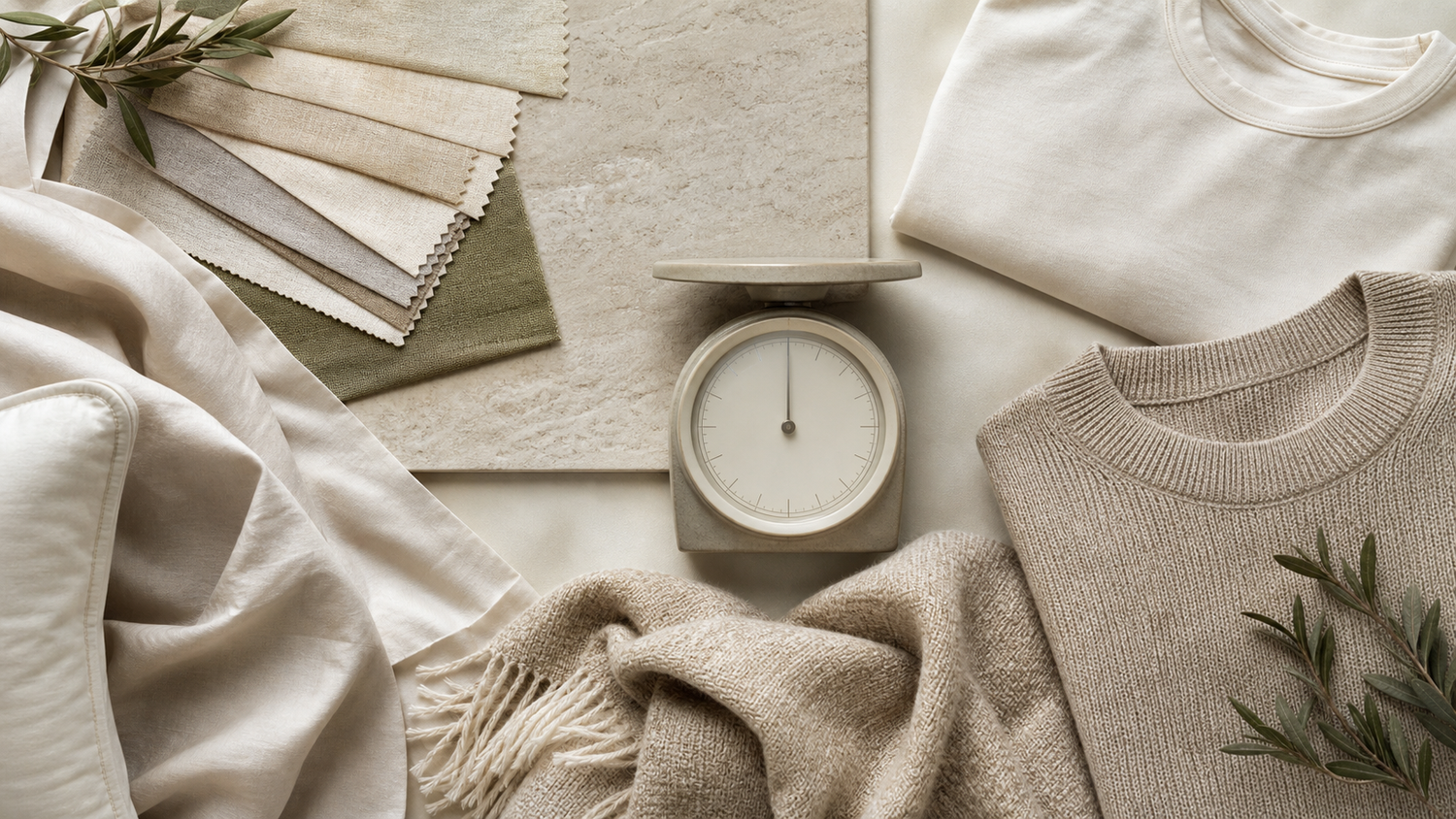
If you have ever looked at a product page and wondered why one T-shirt feels airy, another feels substantial, and a third somehow looks heavy but still drapes softly, GSM is often part of the answer. The same is true on the home side. One set of sheets sleeps cool and crisp, another feels denser and quieter, and a throw blanket can look decorative online but land in real life with barely enough weight to stay in place.
GSM is useful because it gives you one concrete clue in a category that is usually described with soft language: breathable, premium, cozy, lightweight, heavyweight, hotel feel, year-round comfort. Those phrases can all be true, but they become more helpful when you understand the fabric weight underneath them.
For IdyllVie, that matters across more than one pillar. The brand already speaks to premium cotton T-shirts, cotton sweaters, organic bedding, and natural-fibre throws as long-wearing essentials rather than impulse buys. GSM fits that philosophy because it helps shoppers compare quality with a little more clarity. Not perfection, and not in isolation, but clarity.
The Quick Answer: What Does GSM Mean?
GSM stands for grams per square meter. It is a fabric-weight measure. A higher number means more grams of fabric are packed into one square meter, so the cloth is usually heavier. A lower number means the cloth is usually lighter.
That sounds simple, and at a basic level it is. But the number is most useful when you compare similar materials within the same category. A 250 GSM cotton jersey T-shirt may feel satisfyingly weighty. A 250 GSM throw blanket, by contrast, may feel quite light. A 250 GSM bedding fabric may behave differently again depending on weave, finish, and fibre content.
So the right question is not "Is this GSM good?" The right question is "Is this GSM right for the kind of product I am buying?"
What GSM Can Tell You Right Away
GSM is worth checking because it can help you predict four practical things before you buy:
- how light or substantial the fabric may feel in your hands
- how much structure or drape you can expect
- whether opacity could become an issue in lighter colours
- whether the piece is likely to feel cooler, denser, or more insulating
That is especially useful in categories where the same product label can hide very different realities. A cotton tee can be soft and nearly sheer, soft and substantial, or stiff and heavy. A set of sheets can feel crisp and airy or smoother and denser. A throw can be decorative first or comfort-first. GSM does not settle every quality question, but it narrows the guesswork.
What GSM Cannot Tell You on Its Own
This is the part many product pages skip. GSM is not a final grade.
It does not tell you fibre quality. It does not tell you whether a cotton yarn is smoother, longer-staple, or better finished. It does not tell you whether a sweater will pill quickly, whether bedding will soften well after washing, or whether a throw will hold its shape over time. It also does not tell you the weave or knit structure, which can completely change how that weight behaves.
A lighter cotton percale sheet can feel cooler than a heavier sateen, even if both are well made. A dense jersey tee can still feel breathable if the cotton and knit are good. A lofty throw can feel warmer than a flatter blanket with a similar number because loft and fibre trapping matter, not only surface weight.
That is why the best buying habit is to read GSM beside the rest of the product information, not instead of it.
A Simple Way to Read GSM by Category
The easiest way to use GSM is to compare the number within the product family you are already shopping.
| Category | Lower-feeling weight often does best for | Higher-feeling weight often does best for | Main watch-out |
|---|---|---|---|
| T-shirts | hot weather, layering, relaxed summer wear | opacity, structure, more substantial hand feel | heavier is not automatically softer |
| Sweaters and knits | layering indoors, transitional weather, lighter drape | warmth, shape retention, cozier finish | high weight can feel bulky if the knit is dense |
| Bedding | cooler sleep, crisp feel, easier layering | smoother hand feel, visual fullness, cocooning comfort | weave matters as much as weight |
| Throws and blankets | decorative drape, mild layering | staying power, warmth, sofa or bed comfort | weight without softness can still feel disappointing |
That table is intentionally broad, because the useful lesson is not to memorize one magic number. It is to understand what role you want the piece to play.
GSM in T-Shirts: Why Weight Changes the Whole Wear Experience
T-shirts are where GSM becomes easiest to feel.
On the lighter end, cotton tees tend to feel more breathable, more flexible for layering, and often better suited to humid days. The tradeoff is that very light fabric can become more transparent, may cling more, and sometimes loses shape faster if the knit and finishing are not strong.
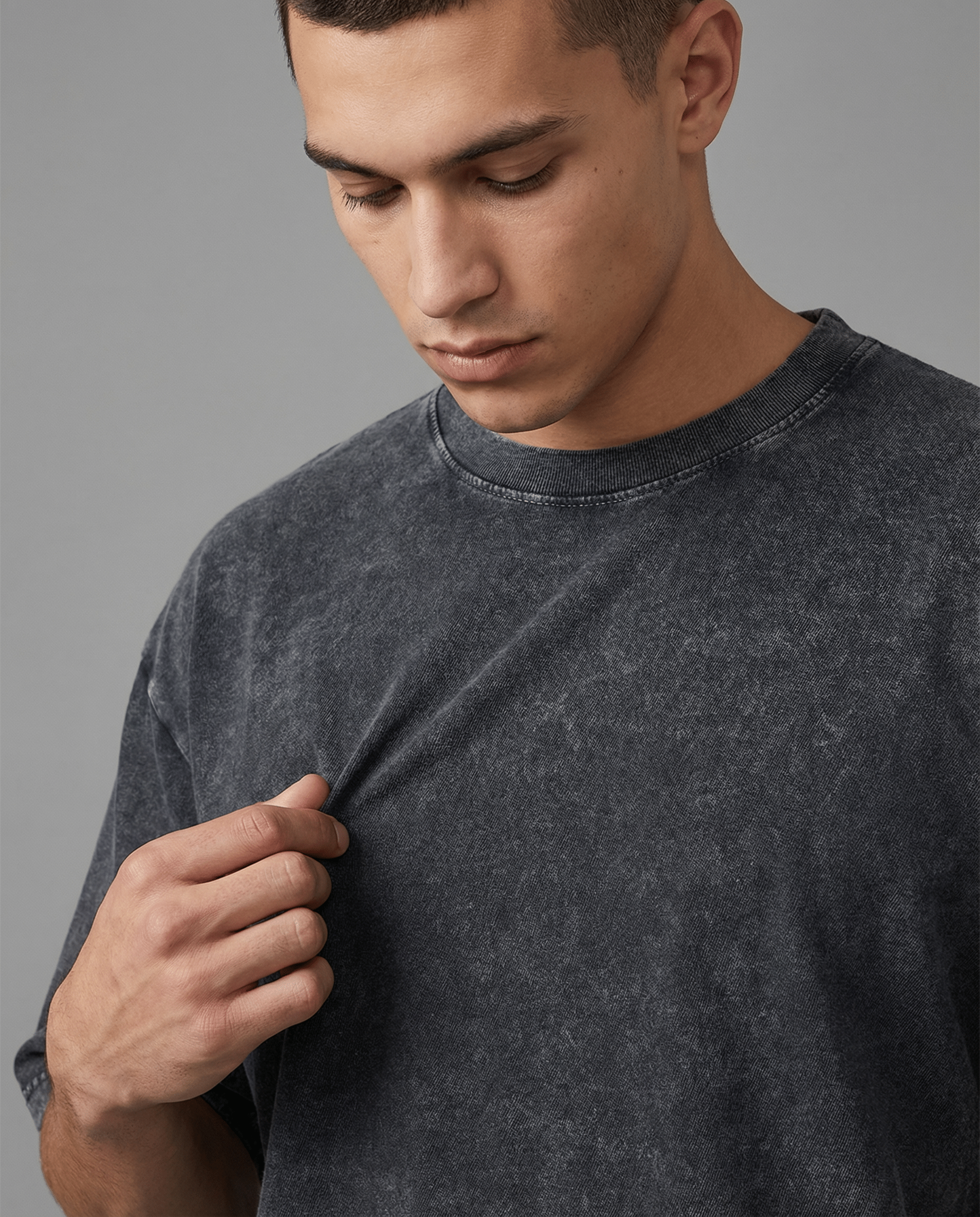
Move upward and you usually get more opacity, more visible structure, and a richer hand feel. That is why heavyweight or premium cotton tees often look calmer on the body. They can hang better through the torso, feel more intentional under outer layers, and survive repeat wear with less of that limp, tired look.
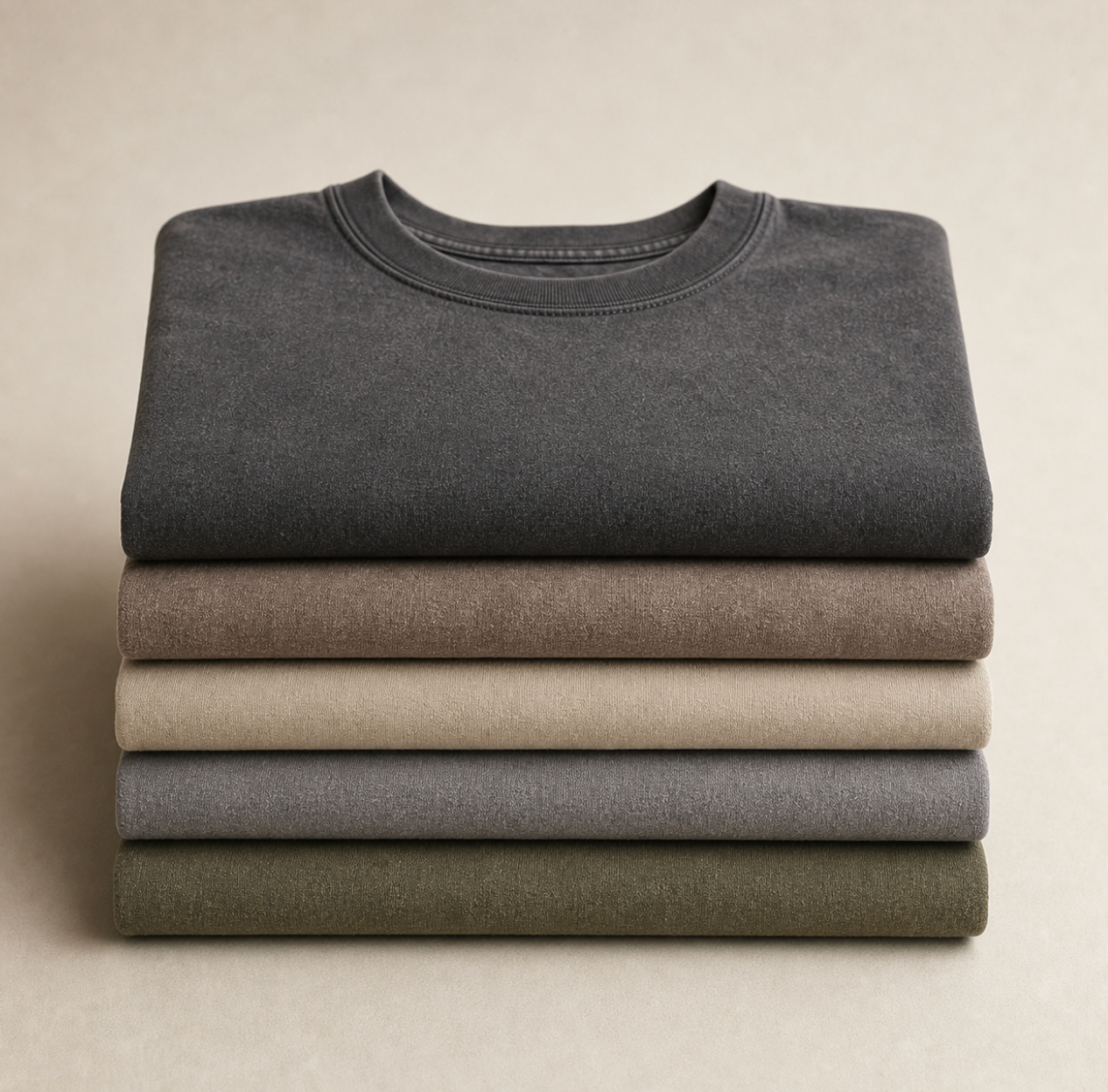
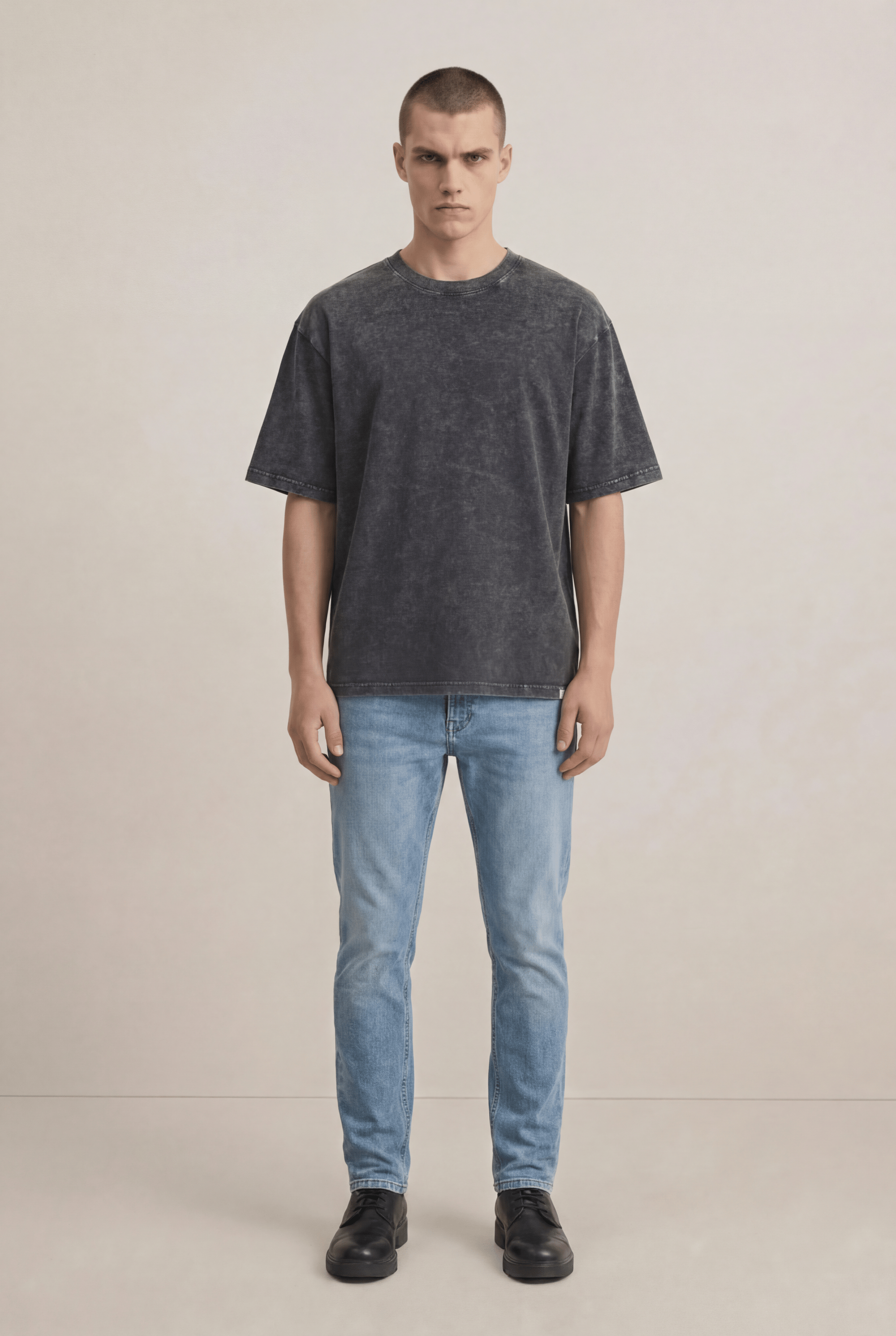
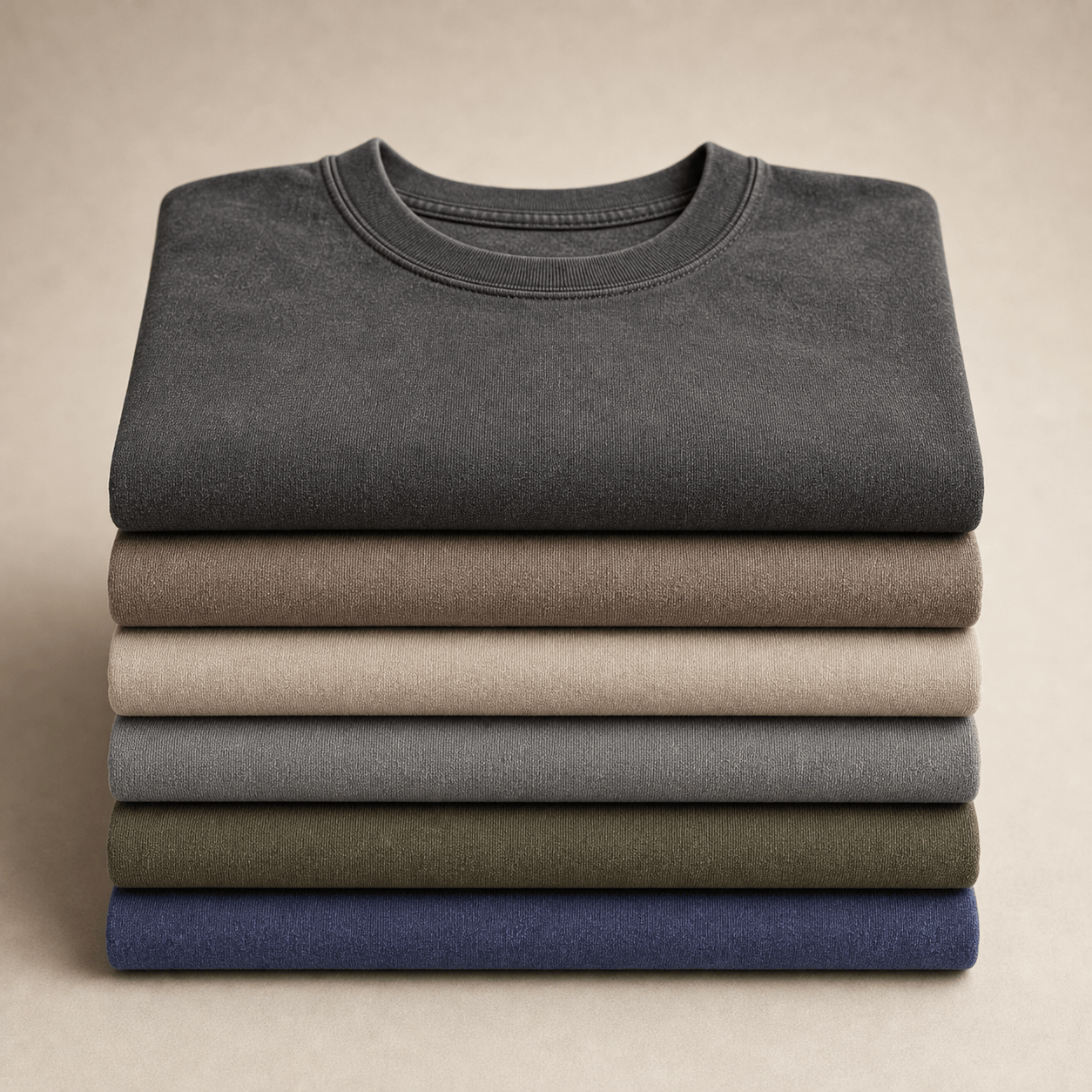
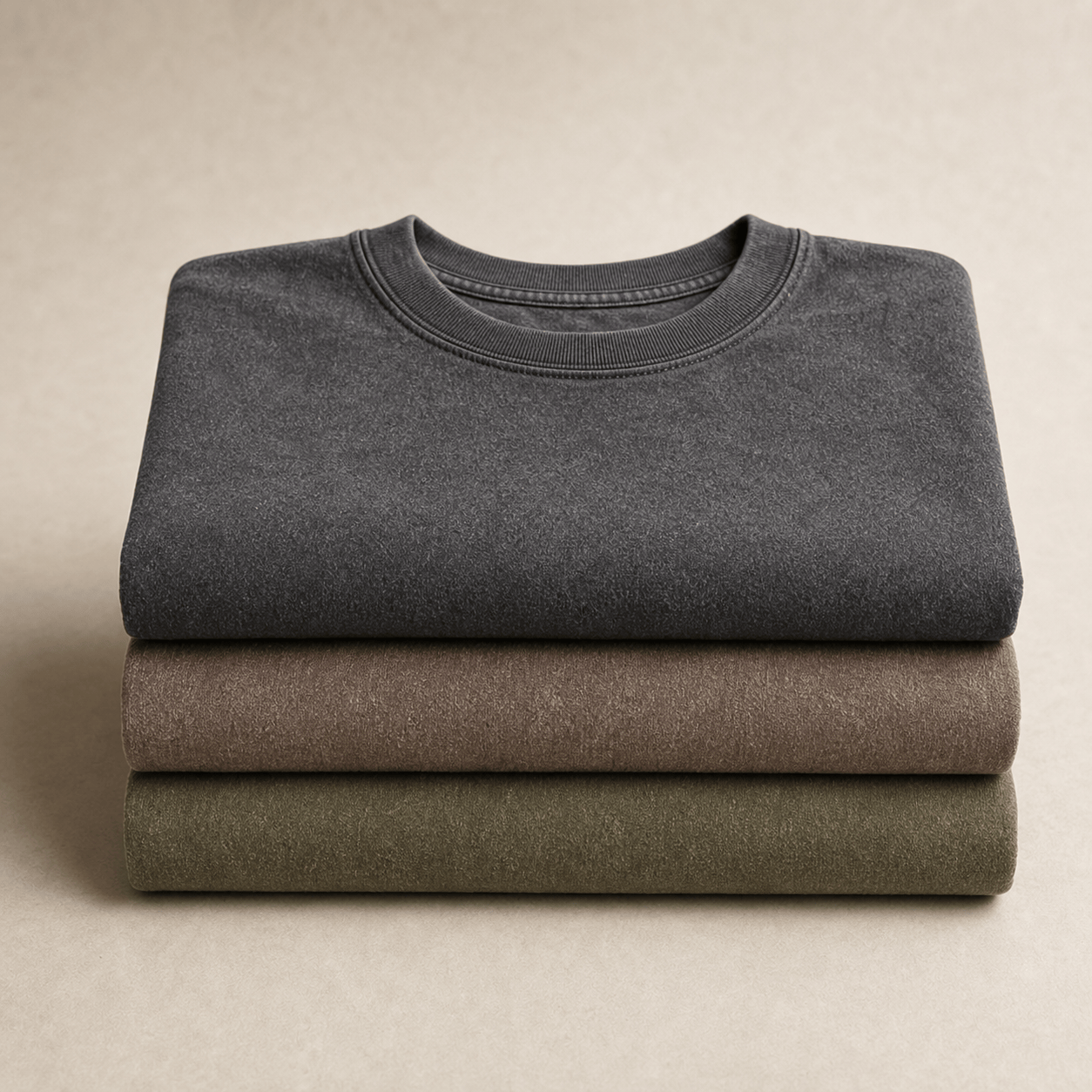
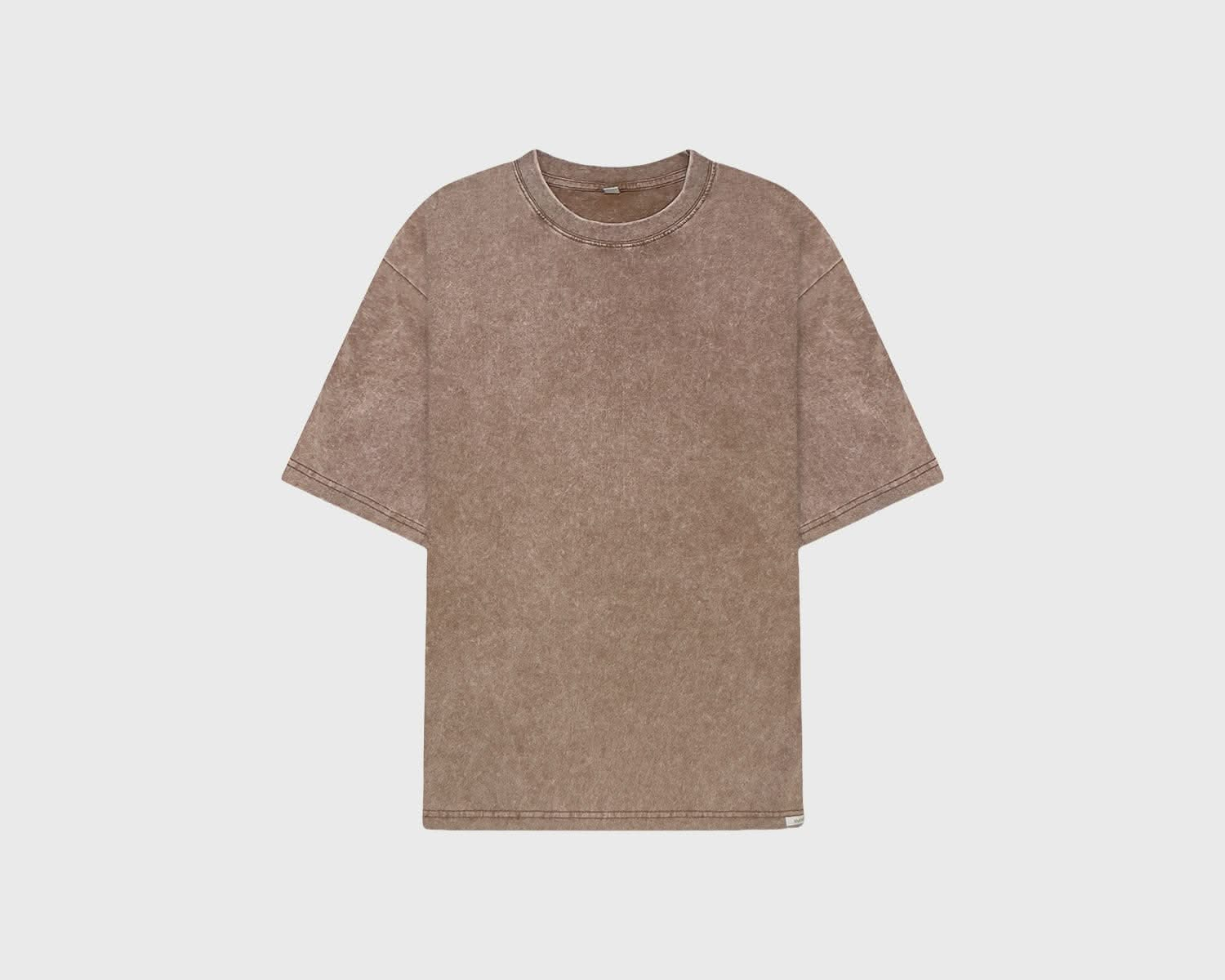
IdyllVie’s current T-shirt language supports that reading. The brand’s premium cotton content emphasizes breathable, preshrunk everyday cotton, while its stonewashed heavyweight product positioning leans into a more substantial tee that still aims to stay wearable rather than rigid. That is a helpful reminder that higher GSM is most appealing when it improves shape and longevity without making the shirt feel overbuilt for the season.
What to look for in a T-shirt beyond GSM
If you are comparing cotton tees, ask:
- Is the fabric jersey, slub, rib, or another knit?
- Is the colour light enough that opacity matters?
- Does the brand mention preshrinking or garment washing?
- Do the shoulder and neckline construction look stable?
- Is the shirt meant to layer under overshirts and sweaters, or stand alone?
Those details decide whether the weight becomes a feature or a burden.
GSM in Sweaters: Weight, Warmth, and Bulk Are Not the Same Thing
Sweaters make GSM trickier, because knit structure changes the feel dramatically.
A lightweight cotton sweater can still give useful coverage on cooler summer evenings, air-conditioned offices, or early-fall mornings if the knit traps a little air and the silhouette layers cleanly. A heavier sweater may feel more luxurious and more stable in shape, but if the yarn and knit are too compact it can also become warmer, stiffer, or less versatile than you want.
That matters for shoppers who want one sweater to bridge seasons. In practice, the best transitional sweaters often sit in the middle: enough fabric to avoid feeling flimsy, enough openness or softness to keep the piece wearable indoors.
IdyllVie’s cotton-sweater content already leans toward exactly that kind of wardrobe logic. The goal is rarely maximum weight. It is usually balance: warmth without heaviness, structure without stiffness, and enough polish that the sweater can live with trousers, skirts, denim, or layered outerwear.
A useful sweater rule
If you are choosing between two cotton sweaters and one is noticeably heavier, do not assume it is automatically better. Ask whether you want:
- a layering knit
- a stand-alone cozy piece
- a sweater for commuting and indoor wear
- a sweater for genuinely cool outdoor conditions
Heavier can mean better only if it matches the job.
GSM in Bedding: Helpful, but Never the Whole Story
Bedding is where shoppers most often over-trust a single metric.
With sheets and duvet covers, comfort depends on fibre, weave, finishing, and how hot or cool you sleep. Cotton percale can feel crisp and airy. Cotton sateen can feel smoother and denser. Linen usually behaves differently again, with a drier hand and a more relaxed texture. The result is that two bedding products can have different GSM figures and still surprise you because the weave changes how the fabric meets the skin.
That is why recent consumer testing from Good Housekeeping and Sleep Foundation remains useful here. Their bedding evaluations keep returning to breathability, softness over time, and real sleep feel, not just a spec sheet. In other words, the number helps, but the lived experience still has to be read through material and weave.
For IdyllVie shoppers, that perspective fits the current bedding voice well. Organic bedding is positioned not as a contest for the highest number, but as a question of long-term comfort, natural fibres, and a calmer sleep environment. GSM belongs in that conversation mainly as a way to understand density and drape, not as a shortcut to quality.
How to use GSM with sheets and duvet covers
When GSM is listed on bedding:
- compare it only with the same material and a similar weave
- decide first whether you want cooler crispness or denser smoothness
- remember that a lighter sleeper may prefer less visual and physical weight
- check care guidance, because heavier fabrics can dry more slowly and feel different after laundering
If GSM is not listed, do not treat that as an automatic red flag. Many bedding brands lead with fibre and weave instead.
GSM in Throws and Blankets: Why Drape and Warmth Need Context
Throws can be deceptive online because styling does so much of the work. A blanket can look inviting in product photography and still feel too light once it lands on a chair or sofa.
Here, GSM can help because it often signals whether the throw is primarily decorative, balanced, or more comfort-driven. Higher weight can mean the blanket stays put better, looks richer when draped, and gives more actual warmth. But again, the material matters. Cotton, merino, alpaca, faux fur, and chunky knits all create warmth differently.
That is why IdyllVie’s throw content and wool-blanket articles matter as internal context. The strongest versions of these products are not only warm. They also feel soft against skin, layer well into a room, and do not become a chore to maintain. Fabric weight supports that, but it cannot replace fibre knowledge.
How to Shop with GSM Without Overcomplicating It
The cleanest buying process is usually this:
1. Start with the role
Ask what the piece needs to do. Hot-weather tee? Transitional sweater? Cool-sleep sheet set? Decorative-but-useful throw? The role tells you whether lighter or heavier is more promising.
2. Compare only similar products
Compare cotton tees against cotton tees, or linen bedding against linen bedding. Comparing unrelated categories makes the number meaningless.
3. Look at the construction
Read the knit or weave description, fibre content, washing notes, and finishing details. Preshrunk, garment-washed, brushed, percale, sateen, slub, rib, and quilted all change the real-world result.
4. Check the silhouette or dimensions
Weight lands differently depending on cut and size. A heavyweight oversized tee may feel easier than a dense, close-fitting one. A larger throw can feel ample even at a moderate weight if the material has enough loft.
5. Decide what tradeoff you are willing to make
Lighter fabrics usually win on airflow and easy layering. Heavier fabrics often win on opacity, structure, and coziness. Most good purchases come from choosing the tradeoff on purpose.
A Practical GSM Checklist Before You Buy
Use this quick checklist when a brand gives you the number:
- Does this weight make sense for the season I am buying for?
- Is the product meant to feel light, balanced, or substantial?
- Do I care more about breathability or structure here?
- Could opacity or bulk become an issue?
- Is the fabric type one that changes a lot based on weave or knit?
- Does the care guidance match the kind of upkeep I realistically want?
That is enough to make GSM helpful without turning shopping into homework.
When It Makes Sense to Ignore the Number
There are also moments when GSM deserves less attention.
If a brand gives unusually rich information about fibre origin, weave, finish, wash treatment, fit, and care, you may already have enough to judge the product without obsessing over weight. The same is true when you already know the category well. Someone who loves crisp percale sheets, relaxed linen bedding, or heavyweight washed cotton tees can often read the rest of the product page and understand the likely feel.
GSM is most valuable when you are comparing unfamiliar options or trying to avoid a specific disappointment, such as a tee that turns sheer, a sweater that feels bulky indoors, or a throw that looks generous online but feels insubstantial on the sofa.
The IdyllVie Lens: Better Weight, Better Repeat Wear
The best reason to understand GSM is not technical. It is practical. It helps you buy fewer pieces that behave more like you hoped they would.
In clothing, that might mean choosing a premium cotton tee with enough substance to hold shape and layer well, instead of a thinner option that twists or turns translucent too quickly. In knitwear, it may mean choosing a sweater that earns a place across several months, not just a cold snap. In bedding, it may mean recognizing that your idea of comfort has more to do with sleep temperature, fibre, and weave than with chasing the biggest number. In throws, it may mean choosing one that feels as good as it looks.
That is already close to the IdyllVie approach: quieter product decisions, better material understanding, and a wardrobe or home that feels composed because the basics are doing real work. GSM is just one of the simpler tools for getting there.
FAQ
Is a higher GSM always better?
No. Higher GSM only means the fabric is heavier. Whether that is better depends on the product category, season, and how you want the piece to feel.
What is a good GSM for a T-shirt?
A good T-shirt GSM is the one that matches your use. Lighter tees are often better for heat and layering, while heavier tees usually offer more opacity and structure.
Does GSM tell you if bedding will sleep cool?
Not by itself. Bedding temperature also depends on fibre, weave, finish, and your own sleep style. GSM helps with density, but it is not a full comfort prediction.
Why do some bedding products not list GSM at all?
Because many bedding brands prioritize fibre and weave language instead. For sheets and duvet covers, those details often explain comfort more clearly than the weight number alone.
Can two fabrics with the same GSM feel completely different?
Yes. Knit or weave structure, fibre type, finishing, and loft can make two fabrics with similar weight feel very different on the body or the bed.
Should I use GSM to compare throws and sweaters to each other?
No. Compare GSM only within similar product families. A good throw and a good sweater are solving different comfort problems, so their numbers are not directly useful side by side.












0 comments