
You're likely here because you've purchased sweatshirts before that seemed promising online, then disappointed you in person. Perhaps the fleece felt clammy once you layered it. Maybe the sleeves were too short. Possibly the body shrank, twisted, or started pilling after a few washes. Or maybe it never became that piece you reached for again and again.
That's frustrating because a women's crew neck sweatshirt should be one of the easiest things in your wardrobe. It should feel good on your skin, work with jeans and trousers, layer cleanly under a coat, and hold up through ordinary life. In Canada, it also has to do more than look nice. It has to handle changing temperatures, indoor heating, chilly mornings, and all the in-between weather that makes layering a daily skill.
A well-made crew neck isn't just a casual basic. It's one of the most useful investment pieces you can own. The right one can carry you from slow weekends to office days to travel, then keep doing its job for years if you choose carefully and care for it properly.
The Enduring Appeal of the Perfect Crew Neck
A friend once told me her dream sweatshirt was “the one that feels like comfort but still looks intentional.” That's such a good description of why the crew neck keeps lasting while trendier silhouettes come and go. It's simple, but not plain. Relaxed, but not sloppy. Easy, but still polished enough to build an outfit around.
The neckline does a lot of that work. A clean crew neck frames the face without the extra bulk of a hood, strings, or zip hardware. That makes it easier to wear under a wool coat, over a collared shirt, or with jewellery if you want a slightly more refined look. It stays out of the way, which is exactly why it becomes so useful.
Why this shape keeps earning its place
A women's crew neck sweatshirt also sits in a sweet spot between comfort and structure. It's softer than a knit blazer, less fussy than a cashmere pullover, and often more versatile than a hoodie. If you dress in layers for much of the year, that matters.
Here's where many shoppers get stuck. They think they're choosing based on colour or softness, but the better questions are usually these:
- How will it feel after repeated washing
- Will it still look balanced with the trousers, denim, or coats you already own
- Does the fabric suit your climate and layering habits
- Can you wear it in more than one setting without changing your whole outfit
A sweatshirt becomes valuable when you stop treating it as a spare item and start treating it as a foundation piece.
That shift changes how you shop. Instead of buying another throw-on top, you start noticing fabric content, weight, fit through the shoulders, rib quality, and how the piece will age. That's where better wardrobe decisions begin.
Anatomy of a Superior Sweatshirt
Think of a great sweatshirt like a well-made recipe. The ingredients matter, but so does the method. You can start with good cotton and still end up with a disappointing garment if the cut is off or the finishing is careless. A superior sweatshirt usually gets three things right: fabric, fit, and finish.

Fabric is the foundation
Fabric determines how the sweatshirt feels, drapes, breathes, and ages. For Canadian conditions, blends are common for a reason. Women's crew neck sweatshirts optimised for Canadian climates often use cotton-polyester blends for thermal retention. A 65/35 ring-spun combed cotton/poly fleece offers warmth, while 60%+ cotton can improve breathability for layering in transitional weather, and air-jet yarn technology can reduce pilling by up to 40% according to Sport-Tek's fabric specifications.
That doesn't mean every blend is automatically better. It means the blend has a job. Cotton brings softness and breathability. Polyester helps with shape retention, colourfastness, and durability. When those fibres are balanced well, you get a sweatshirt that works harder over time.
Fit decides whether you'll actually wear it
Two sweatshirts can use similar fabric and still feel completely different once they're on the body. That's because fit controls comfort in motion. Shoulder width, sleeve shape, body length, armhole depth, and rib tension all affect whether the sweatshirt feels easy or awkward.
Look for these signs of thoughtful fit:
- Shoulder placement that feels natural. A dropped shoulder reads more relaxed. A set-in shoulder usually looks cleaner and more classic.
- Sleeves with enough room to move. If the forearm feels tight at the start, layering will only make it worse.
- A hem that sits where you need it. Too short can feel boxy in the wrong way. Too long can lose shape and proportion.
Finish reveals the maker's standards
Finishing details are where quality becomes visible. Check the seams. Touch the cuffs. Stretch the hem gently. A premium sweatshirt usually has clean stitching, ribbing that springs back, and fabric that feels stable rather than flimsy.
Practical rule: If the cuff twists, the hem waves, or the inside feels scratchy before the first wash, it probably won't improve with time.
Small details often tell the bigger truth. Reinforced seams help the garment hold together under regular wear. Ribbed cuffs and hems keep the silhouette neat. Even surface texture suggests more careful construction. These aren't glamorous features, but they're the reason one sweatshirt becomes a long-term favourite while another turns into home-only clothing.
A Guide to Crew Neck Fabrics and Materials
If fit determines whether a sweatshirt flatters you, fabric determines whether it deserves the space it takes up in your wardrobe. Material affects warmth, weight, softness, breathability, surface texture, and how the garment changes after care. A thoughtful purchase usually separates itself from an impulse buy based on these physical qualities.

Cotton and why people keep coming back to it
Cotton remains the reference point for comfort. It's soft, breathable, and familiar on the skin. In a women's crew neck sweatshirt, cotton usually gives you that easy, everyday feel people often mean when they say a piece is “liveable”.
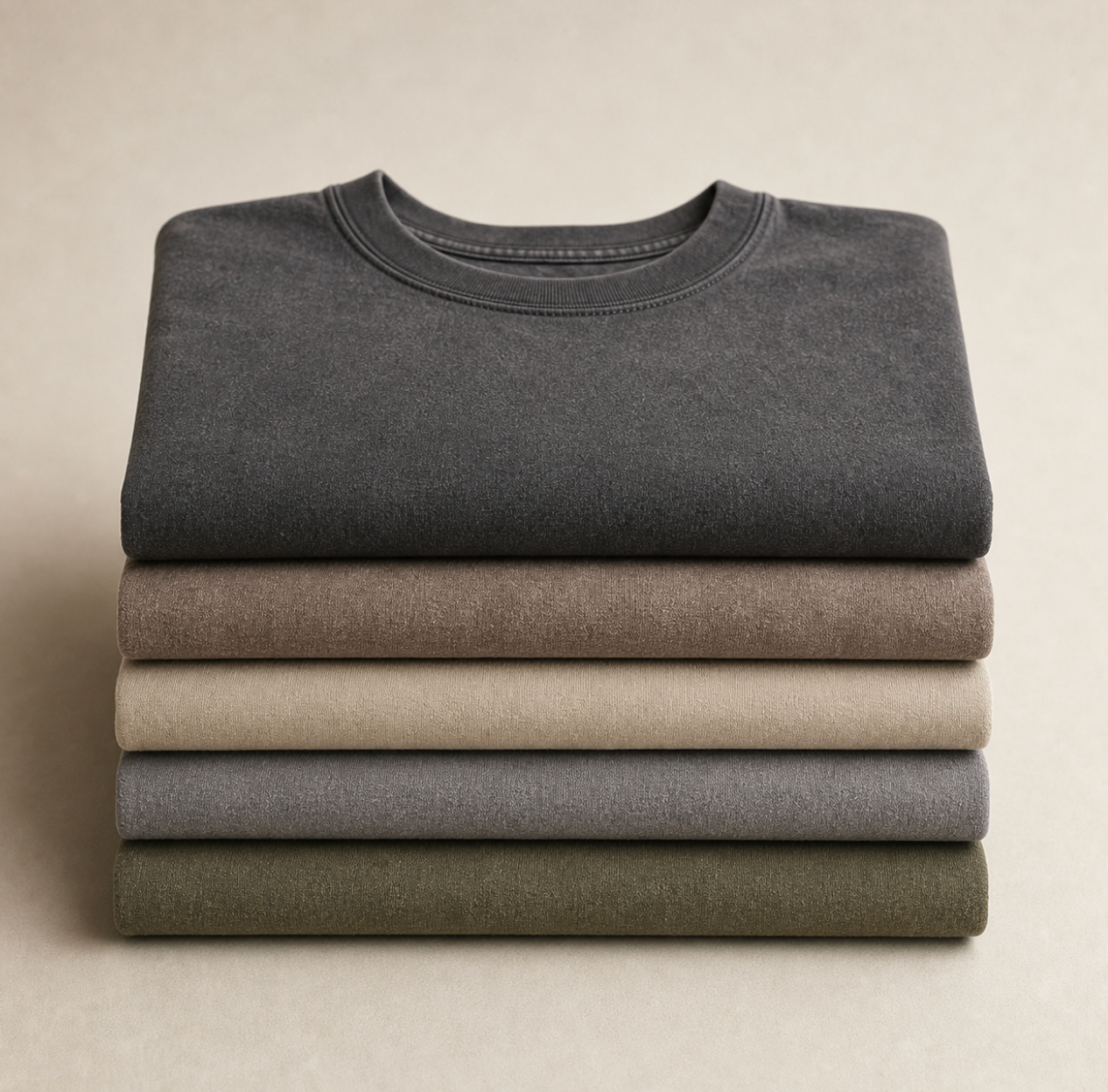
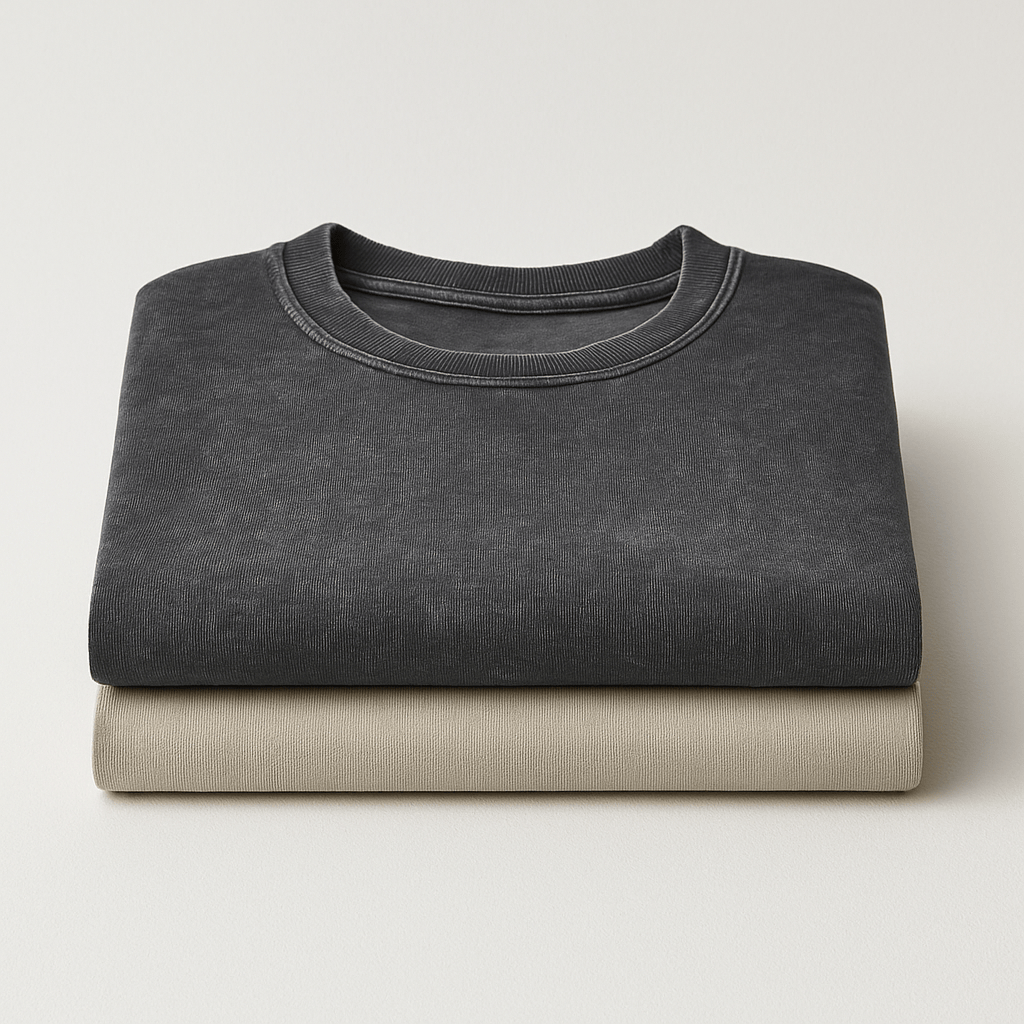
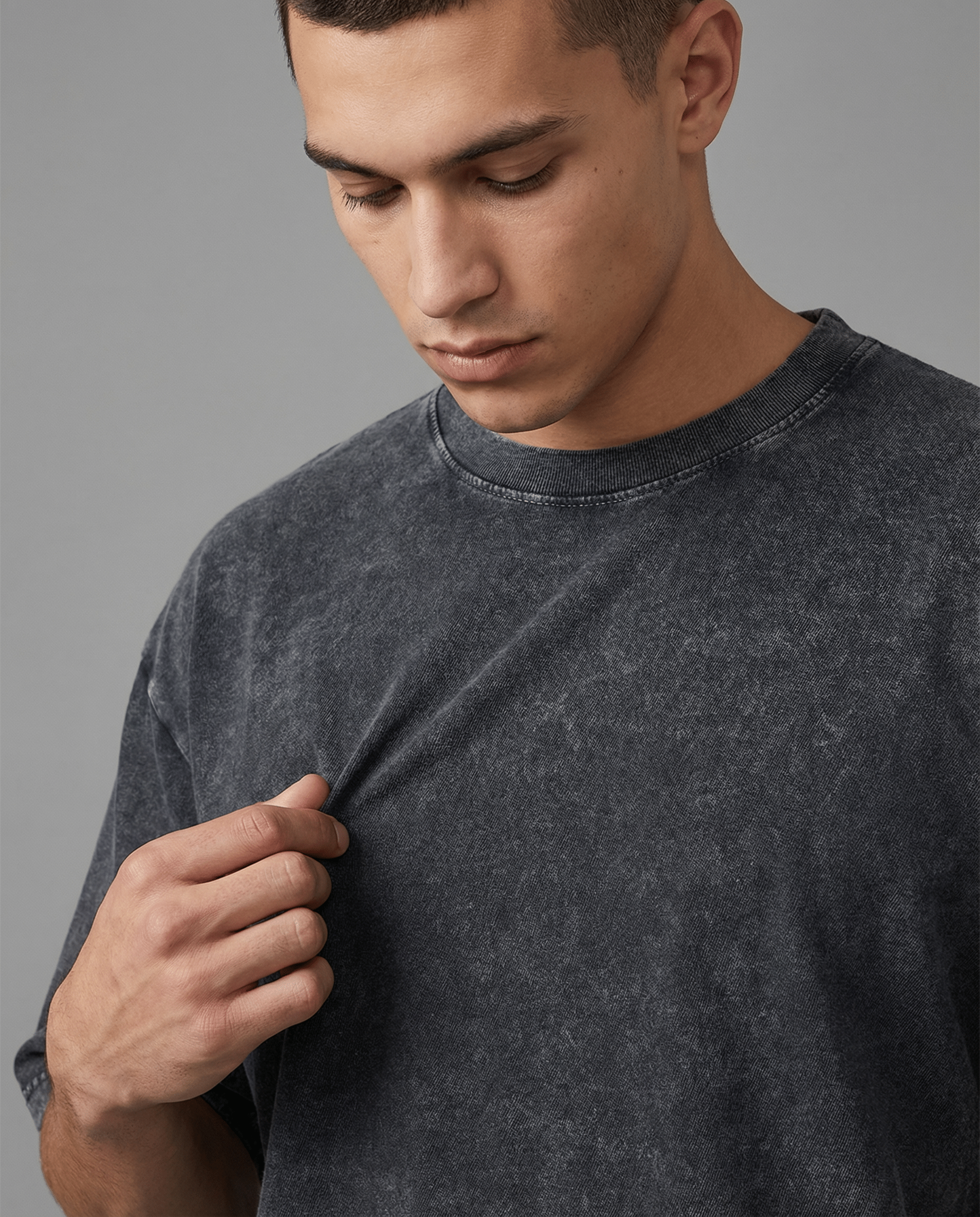
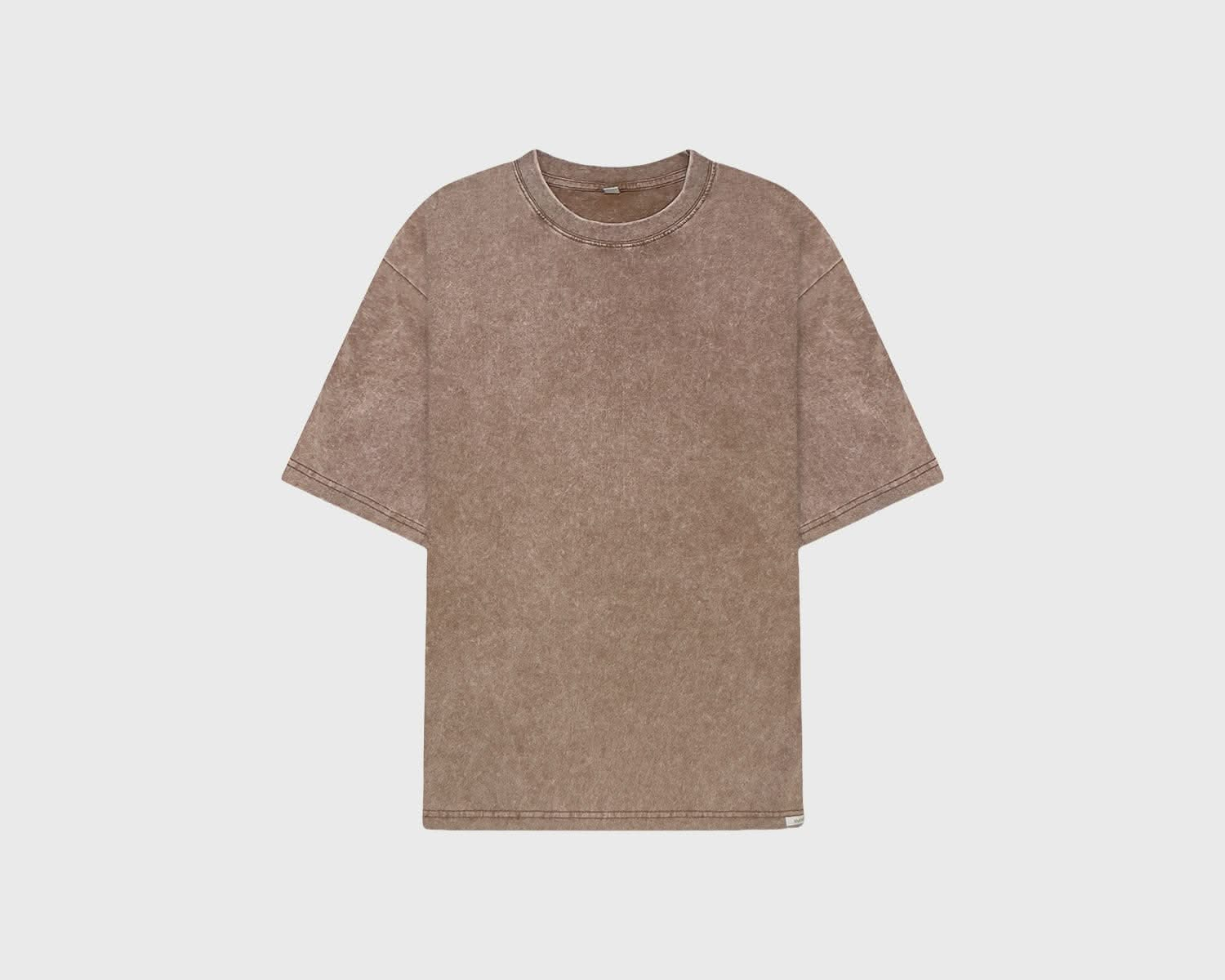
Organic cotton appeals to shoppers who care about lower-impact materials and want a natural hand feel. Stonewashed cotton creates a softer, already-worn-in surface, which many people love because it skips the stiff break-in stage. If you're trying to understand why cotton quality matters in basics more broadly, this guide on premium cotton T-shirts and preshrunk breathable cotton gives useful context that carries over to sweatshirts too.
Fleece and French terry serve different jobs
People often confuse fleece with French terry because both can appear in casual tops. They don't behave the same way.
Fleece usually has a brushed interior. It feels plush and warm, which makes it appealing for colder days or anyone who wants that cocooned feeling. French terry has a looped interior and tends to feel lighter, more breathable, and less insulating. It's often a better fit for indoor wear, mild weather, or layering under coats without bulk.
Consider this simple perspective:
- Choose fleece when warmth and softness matter most.
- Choose French terry when you run warm or want more year-round flexibility.
- Choose cotton-rich heavyweight fabric when you want structure and a more substantial silhouette.
Fabric weight changes the whole experience
Weight is one of the least understood parts of sweatshirt shopping. Heavier doesn't always mean better, but it often means more structure, more durability, and a more intentional drape. Lighter and mid-weight fabrics can feel easier and more fluid, especially if you like layering.
For Canadian conditions, mid-weight to heavyweight pieces often work well because they bridge cool outdoor air and heated indoor spaces. The sweet spot depends on whether you want a lounge piece, a layering piece, or a standalone top that carries an outfit on its own.
| Sweatshirt Fabric Comparison | |||
|---|---|---|---|
| Material | Feel & Texture | Key Benefit | Best For |
| Organic cotton | Soft, breathable, natural feel | Comfort against skin | Everyday wear, light layering |
| Stonewashed cotton | Lived-in, slightly textured, relaxed hand feel | Broken-in softness | Casual styling, easy weekend wear |
| Cotton-poly fleece | Smooth outside, brushed or cosy inside | Warmth with easier care | Cooler weather, practical daily use |
| French terry | Looped inner face, lighter feel | Breathability and movement | Transitional weather, indoor-outdoor dressing |
| Heavyweight cotton knit | Dense, structured, substantial | Shape retention and presence | Polished casual outfits, long-term wear |
The real choice isn't trend versus classic
The choice is between surface appeal and long-term compatibility. A very soft sweatshirt can feel wonderful in the moment but lose shape quickly. A firmer, denser one may feel less immediately cosy but age more gracefully.
That's why I always suggest asking one question before buying: what role do you want this sweatshirt to play? Sleepy Sunday layer. Commute staple. Office casual piece. Travel companion. Your answer usually points to the right material faster than any trend label will.
How to Find Your Ideal Sweatshirt Fit
You order a sweatshirt in your usual size, pull it on, and something feels off. The shoulders sit too low under your coat, the hem lands at the widest part of your hips, or the sleeves shrink back the moment you bend your arms. None of that means your body is hard to fit. It usually means the brand gave you a size label, but not enough information about shape, ease, and fabric behaviour.

Start with your real measurements, then compare the garment
A good fit starts with body measurements, but it does not end there. Your body tells you what size range to begin with. The garment measurements tell you how the sweatshirt will live on you.
Measure these first:
- Bust. Measure around the fullest part, with the tape level.
- Waist. Measure at your natural waist, not where your trousers sit.
- Sleeve length. Start at the shoulder point and measure to where you want the cuff to finish.
- Torso length preference. This matters if you like coverage over leggings, wear high-rise trousers, or have a longer rise.
Then compare those numbers with the brand's finished garment measurements. That second step is what many shoppers skip. If you need help translating numbered and letter sizing, this Canada clothing size chart gives a useful reference point.
Learn what fit words actually mean
Fit labels can sound clear until you try the sweatshirt on.
Classic fit usually gives you enough room to move without adding much volume. It is often the easiest choice if you want one sweatshirt to work on its own and under jackets.
Relaxed fit adds space through the body, shoulders, or sleeves. That extra ease helps with layering and often suits Canadian weather, where a sweatshirt may need to work over a tee indoors and under outerwear outdoors.
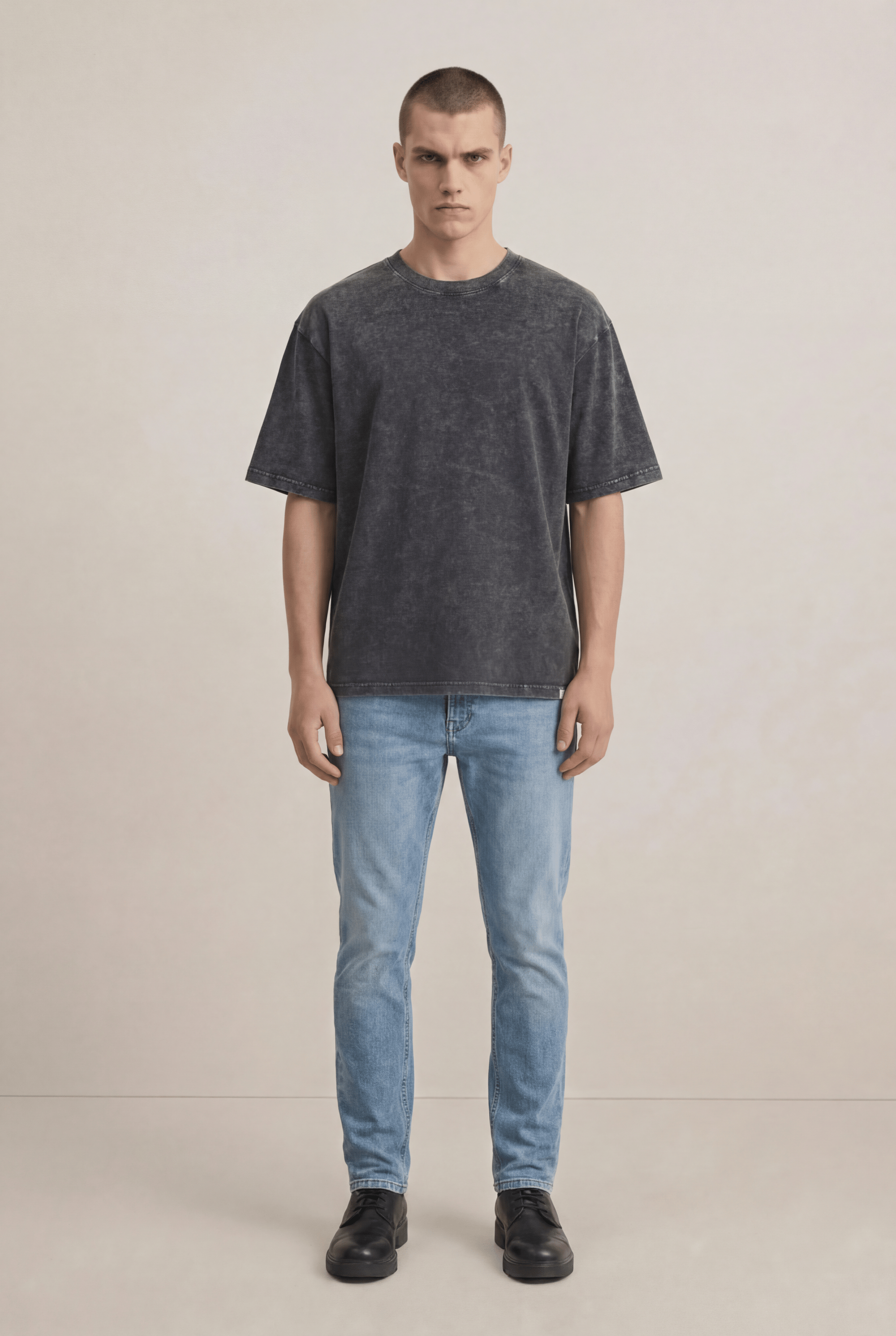
Oversized fit is a designed proportion, not a larger size. A well-cut oversized sweatshirt shifts the shoulder, sleeve width, and body length in balance. Going up one or two sizes in a standard fit often creates bulk in the wrong places instead of that intentional, easy shape.
A sweatshirt works like a house frame. The same square footage feels very different depending on where the walls and ceiling lines sit.
Fabric changes the fit you see and the fit you feel
This is the part that makes online shopping tricky. Two sweatshirts with the same chest measurement can wear very differently because fabric controls drape, structure, and bulk.
A dense heavyweight knit holds itself away from the body, so it reads cleaner and more architectural. A softer mid-weight fleece falls closer and can look more relaxed even if the numbers are similar. French terry often feels less bulky under a coat, which matters in climates where you move between cold sidewalks, transit, and overheated interiors in a single morning.
That is why I suggest choosing fit based on use, not just appearance. If this sweatshirt will be your everyday layer from October through April, leave room in the upper arm, shoulder, and chest for movement. If it will live mostly indoors or under a fitted wool coat, too much body volume can make the whole outfit feel heavy.
Check the pressure points first
You can spot a poor fit fast if you know where to look.
- Fuller bust. Check for pulling across the chest or a front hem that lifts higher than the back.
- Longer arms. Look at where the cuff sits when you reach forward, not only when your arms are at your sides.
- Shorter torso. Watch overall length and shoulder drop. Too much fabric can swallow your frame.
- Fuller midsection. A relaxed straight cut often sits better than a clingy ribbed hem or a sharp crop.
If you are between sizes, decide based on your real life. A size that looks neat worn alone may feel restrictive once you add a tee underneath. A size chosen only for layering may lose the clean line you want with jeans or trousers.
Judge the whole silhouette
Comfort matters, but proportion decides whether a sweatshirt becomes a long-term favourite or a piece you keep adjusting all day.
Look at the hem with the bottoms you wear most. Check whether the neckline sits flat at the collarbone. Notice where the shoulder seam lands. Put your coat on over it. Sit down in it. Raise your arms. Good fit should support your day without asking for constant correction.
That is what makes a premium sweatshirt feel like an investment piece. It earns repeat wear in real Canadian conditions, washes well, layers well, and still feels right a year from now.
How to Style and Layer Your Crew Neck Sweatshirt
The easiest way to understand the value of a crew neck is to watch how it moves through real life. One sweatshirt can read soft, sharp, or practical depending on what you pair with it. That's why it earns space so easily in a smaller, more intentional wardrobe.

Weekend comfort that still looks put together
Start with the most obvious use, then make it better. Pair a classic or relaxed women's crew neck sweatshirt with straight-leg jeans, soft joggers, or cotton drawstring trousers. Add simple trainers, a crossbody bag, and small hoops or a baseball cap depending on your mood.
The difference between “just comfy” and “understated style” usually comes down to proportion. If the sweatshirt is roomy, keep the bottom half cleaner. If the sweatshirt is shorter and more structured, you can play with wider-leg trousers.
A few easy upgrades:
- Roll the sleeves once if the cuff is long and the fabric has some body.
- Show a hint of tee or shirt hem to break up a monochrome look.
- Choose one deliberate accessory so the outfit feels finished, not accidental.
Smart-casual polish for work or dinner
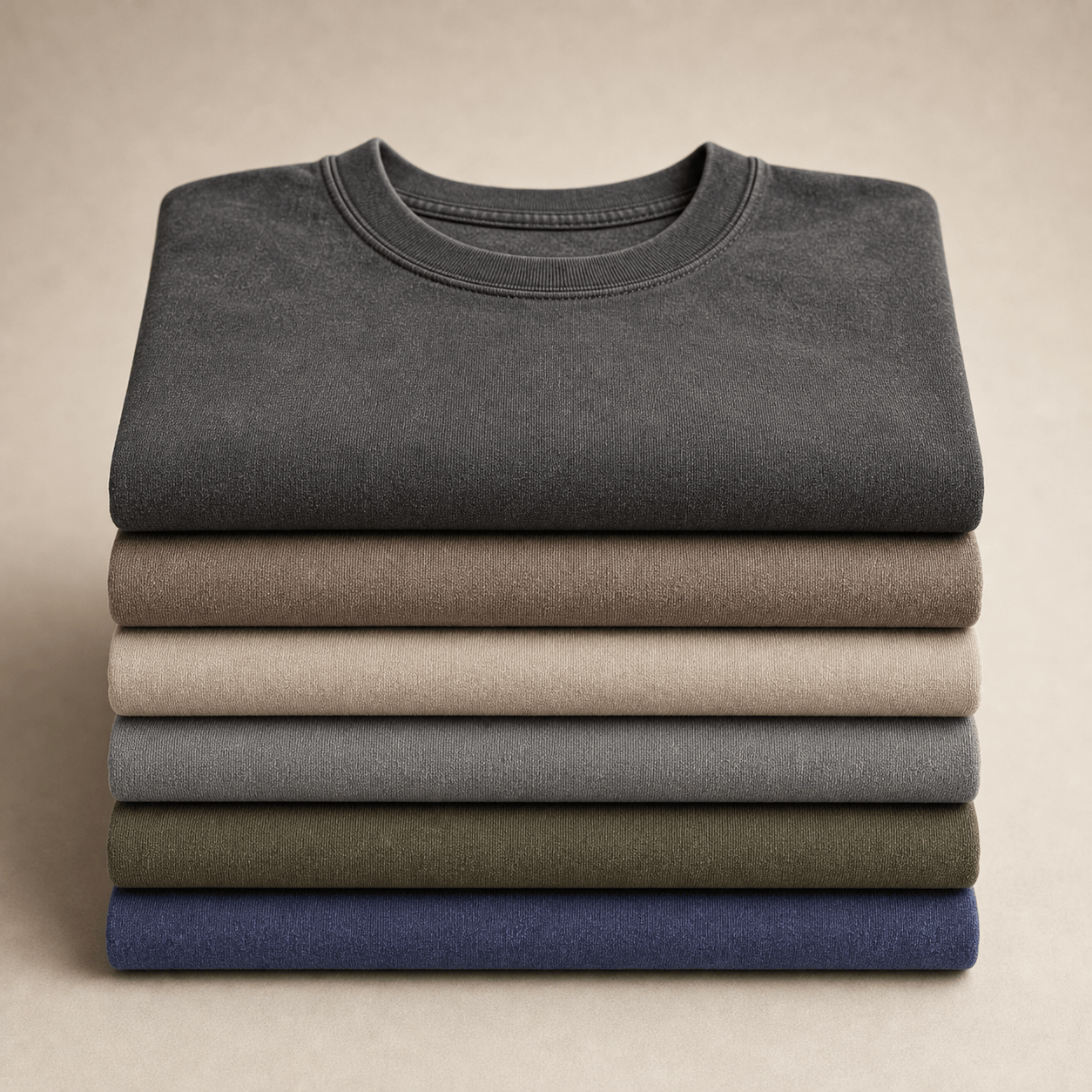
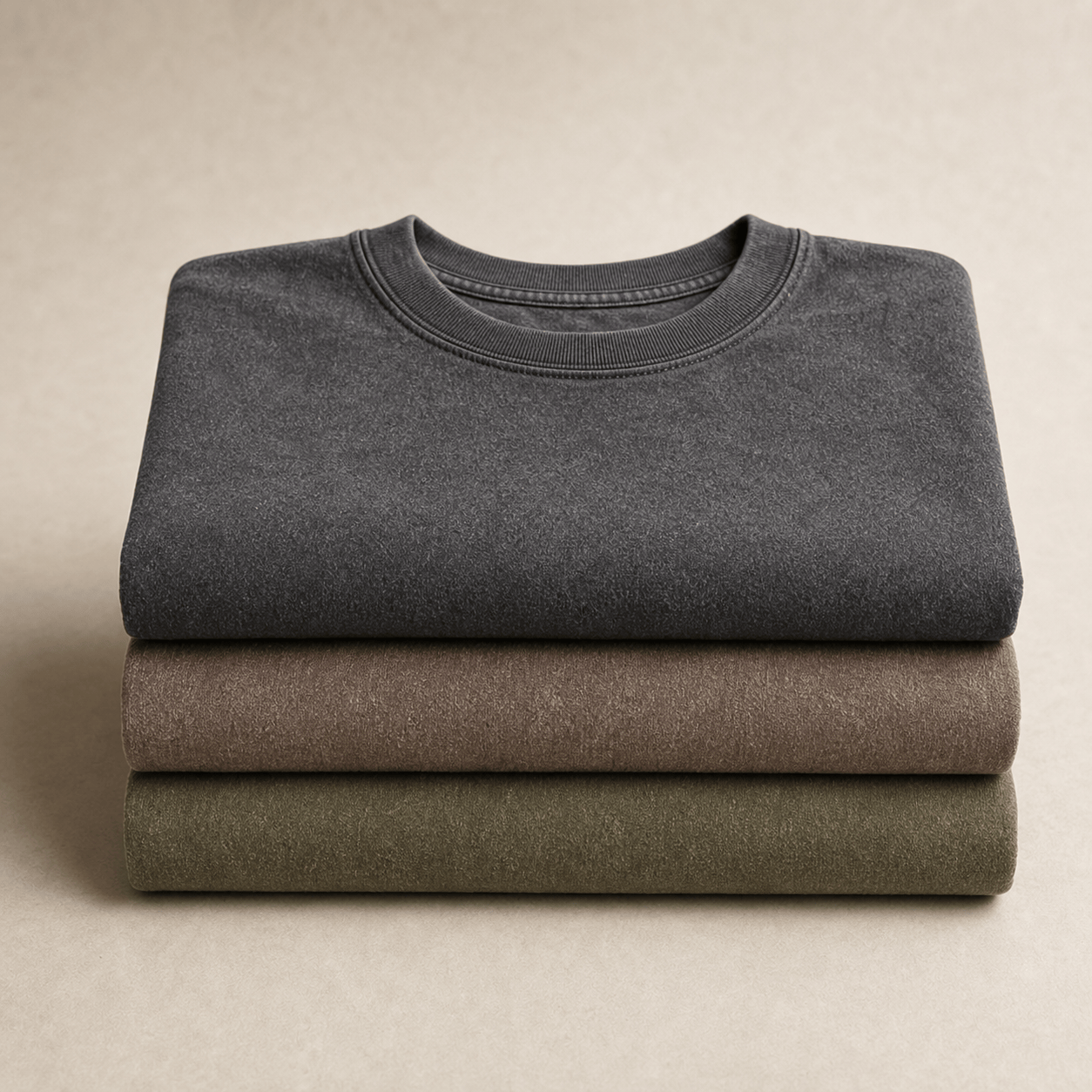
A crew neck sweatshirt can absolutely work in a more refined setting if the fabric and fit are clean. Try it with structured trousers, loafers, and a structured coat or blazer. Keep the colour palette calm. Charcoal, cream, olive, navy, black, and soft heather tones tend to look the most versatile.
A smoother, denser sweatshirt usually performs better here than a very fluffy lounge style. You want enough structure that the neckline sits neatly and the body doesn't collapse under outer layers.
The crew neck succeeds in smart-casual dressing because it removes visual clutter. No hood, no zip, no drawcords. Just a clean line.
For a quick visual on styling possibilities, this video shows several wearable outfit directions:
Layered for the outdoors and changing weather
Canadian dressing habits really come into play here. On cool mornings, a crew neck works well over a fitted tee and under a trench, wool coat, utility jacket, or quilted layer. In shoulder seasons, you can also wear it over a collared shirt, letting the collar and cuffs peek out for a more dimensional look.
When layering, watch three things:
- Neckline space. A crew neck should sit cleanly under outerwear without bunching.
- Sleeve bulk. Thick sleeves under a narrow coat arm can feel restrictive.
- Hem length. If your layers stack awkwardly at the hip, the outfit starts to feel heavy.
A hoodie can be cosy, but the hood often creates volume at the neck and back. A boatneck can feel elegant, but it's less practical in wind or colder conditions. The crew neck often lands in the middle, which is exactly why it gets worn so often.
Caring for Your Sweatshirt to Ensure Longevity
A premium sweatshirt starts aging the moment it enters your routine. What keeps it looking good is not luck. It is a set of small care habits that protect the fabric, colour, and fit over years of wear.
That matters even more in Canada, where a crew neck often moves through dry indoor heating, cold outdoor air, light layering in spring, and heavier coats in winter. Those shifts put stress on fibres and ribbing. A well-made sweatshirt can handle a lot, but care still shapes how long it stays soft, stable, and presentable.
Wash less, and wash with intention
A sweatshirt is closer to knitwear than to gym gear in the way it should be treated. Unless it picked up sweat, spills, or odour, it usually does not need a full wash after every wear. Airing it out for a few hours is often enough.
Less washing reduces friction. Friction is what roughs up the surface, causes pilling, and slowly dulls colour. If you wear your crew neck over a tee, you can often extend the time between washes without any compromise in freshness.
When it is time to clean it, a gentler routine helps the garment hold its shape:
- Turn it inside out so the outer surface rubs less in the wash.
- Use cool or lukewarm water unless the care label directs otherwise.
- Choose a mild detergent and use only the amount you need.
- Wash with similar fabrics. Towels, denim, and garments with exposed zippers can abrade the face of a sweatshirt.
- Skip fabric softener if the fabric already has a soft brushed finish. It can leave buildup and affect breathability.
If your wardrobe includes natural fibres, the logic is similar to these merino wool washing instructions. Different fibre, same goal. Lower heat, less agitation, better long-term wear.
Drying does more damage than washing
Many sweatshirts lose their shape in the dryer, not the washing machine. High heat can shrink cotton, tighten blended fibres unevenly, and make ribbed cuffs or waistbands feel twisted or stiff.
Air-drying is usually the safer option. Reshape the sweatshirt while it is still damp. Smooth the side seams, straighten the hem, and check that the sleeves are lying naturally. For heavier fleece or French terry, flat drying often works better than hanging because it prevents the shoulders from stretching.
One minute of reshaping can save months of annoyance.
Storage affects fit more than people expect
A crew neck that spends months on a hanger can develop shoulder points or a stretched neckline, especially if the fabric has some weight to it. Folding is usually the better choice for long-term storage. Keep it clean before putting it away for the season, since old marks are harder to remove once they set.
Pilling can show up even on high-quality sweatshirts. That is normal in high-friction areas such as under crossbody straps, near side seams, or at the cuffs. Pills are a surface issue, not always a sign that the fabric itself is failing. Remove them gently with a fabric comb or depiller instead of pulling at them by hand, which can disturb the knit.
Good care changes the full lifecycle of a sweatshirt. You buy better once, wear it across more seasons, and replace it less often. That is what makes a premium crew neck feel like an investment piece rather than a basic you expect to cycle through every year.
The IdyllVie Crew Neck A Conscious Choice
You pull on a sweatshirt for a cold Canadian morning, wear it through a heated office, then keep it on for the walk home after sunset. That kind of day tests more than colour or trend. It tests whether a sweatshirt was made to live with you for years, or only to look good on a product page.
A conscious crew neck starts with that reality. The best versions are built for repeat wear, changing temperatures, and the small stresses that reveal quality over time. Material choice matters because it affects warmth, breathability, and how the garment ages. Fit matters because a sweatshirt that works under a wool coat in January and over a T-shirt in May will earn its place in a Canadian wardrobe.
Crew neck versus hoodie versus boatneck
Each neckline solves a different problem.
A hoodie adds coverage and comfort, but the hood can bunch under parkas, trench coats, or quilted jackets. That extra volume often feels fine outdoors and awkward indoors. A boatneck creates a softer, more open line, but in cooler weather it can leave the collarbone and upper chest more exposed than many people want for everyday wear.
The crew neck sits in the most useful middle position. It keeps warmth close to the body, layers neatly, and looks clean enough to move between casual and more polished settings.
| Style | Strong point | Limitation | Best use |
|---|---|---|---|
| Crew neck sweatshirt | Clean, versatile, easy to layer | Less dramatic as a fashion statement | Daily wear across settings |
| Hoodie | Casual comfort and added coverage | Bulk at neck and under outerwear | Lounging, errands, outdoor casual wear |
| Boatneck top or sweatshirt | Elegant neckline | Less practical in wind and cold | Softer dress-casual styling |
What a conscious option looks like
A premium sweatshirt works a bit like a well-made winter boot. You notice the purchase once. You notice the value every time it still fits well, feels comfortable, and looks right after many wears.
That is the idea behind IdyllVie's approach. The brand focuses on heavyweight organic and stonewashed cotton apparel, careful tailoring, and lower-waste packaging, including compostable and recycled shipping materials. It also offers customer-friendly policies such as free shipping on orders over $150 CAD, 30-day returns, and flexible payment options. None of that guarantees a perfect match for every person, but it does show care across the full lifecycle of the purchase, from material selection to delivery to the confidence to return if the fit is off.
That lifecycle view matters. A sweatshirt worn often should not be judged only by how it feels on day one. It should be judged by how it holds shape through washing, how easily it layers in Canadian weather, and whether you still want to wear it next year.
That is what makes a conscious crew neck feel less like a disposable basic and more like a wardrobe investment.
Frequently Asked Questions
Is a women's crew neck sweatshirt warm enough for Canadian weather
Often, yes. It depends on fabric, weight, and how you layer it. A cotton-rich or fleece-backed crew neck can work well in cool weather, especially under a coat or jacket. In milder seasons, a breathable cotton option may be more comfortable than a heavier winter piece.
What's better for daily wear, fleece or French terry
It depends on your routine. Fleece feels warmer and cosier, so many people prefer it in colder conditions. French terry tends to feel lighter and more breathable, which can make it easier for indoor wear or transitional weather.
Should I size up for layering
Not automatically. First look at the cut and the fabric weight. A relaxed fit may already allow enough room for a tee underneath. If the sweatshirt is heavily structured or you plan to wear thicker layers under it, sizing up can help, but only if the shoulders and sleeve length still stay balanced.
Why does one sweatshirt pill more than another
Pilling usually comes from friction, fibre type, yarn construction, and care habits. Bag straps, rough fabrics in the wash, and machine drying can all make pilling appear faster. A sweatshirt can still be high quality and develop some pills in high-friction areas.
How many sweatshirts do I actually need
For most wardrobes, fewer better ones work harder than a large pile of average ones. If you have one casual option, one cleaner structured option, and one heavier seasonal option, that often covers most real-life needs.
What colour is the most versatile
That depends on your wardrobe, but neutrals are usually easiest. Heather grey, cream, navy, charcoal, olive, and black tend to layer well and pair easily with denim, trousers, and coats.
If you're looking for a women's crew neck sweatshirt that feels considered from fabric to fit to long-term care, explore IdyllVie for thoughtfully made essentials designed for everyday wear and a longer life in your wardrobe.












0 comments