

Choose your size with less guesswork
Canadian clothing labels are not a universal fit chart. Start with your measurements, check whether the product chart describes your body or the finished garment, and compare like with like.
- For a body chart, measure around your bust or chest, waist and hips.
- For a garment chart, measure a similar piece that fits you well using the same method.
- For a layer, allow for the clothing you plan to wear underneath.
Find your fit in the pieces you will wear
Start with a style, then compare its own size guide. Body measurements and garment measurements are different; a familiar letter size alone is not a fit guarantee.
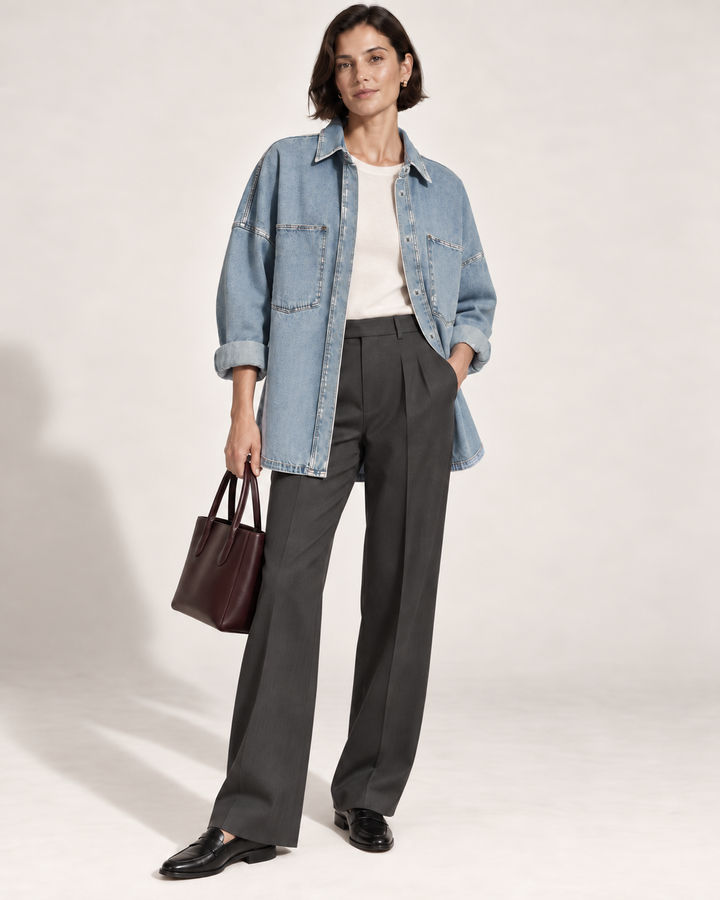
IdyllVie Washed Snap Button Denim Shacket
Room for your everyday layers. Compare the finished-garment measurements with an overshirt you already enjoy wearing.
See sizes & details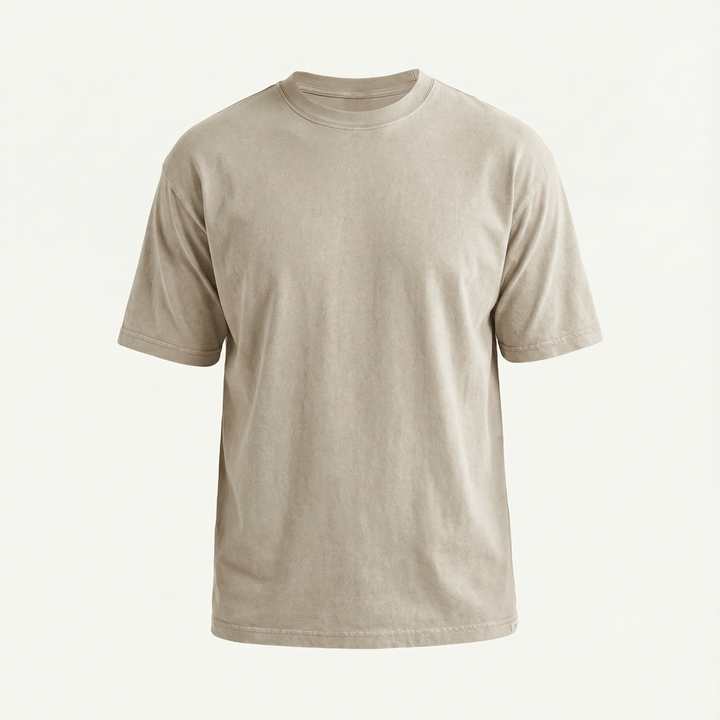
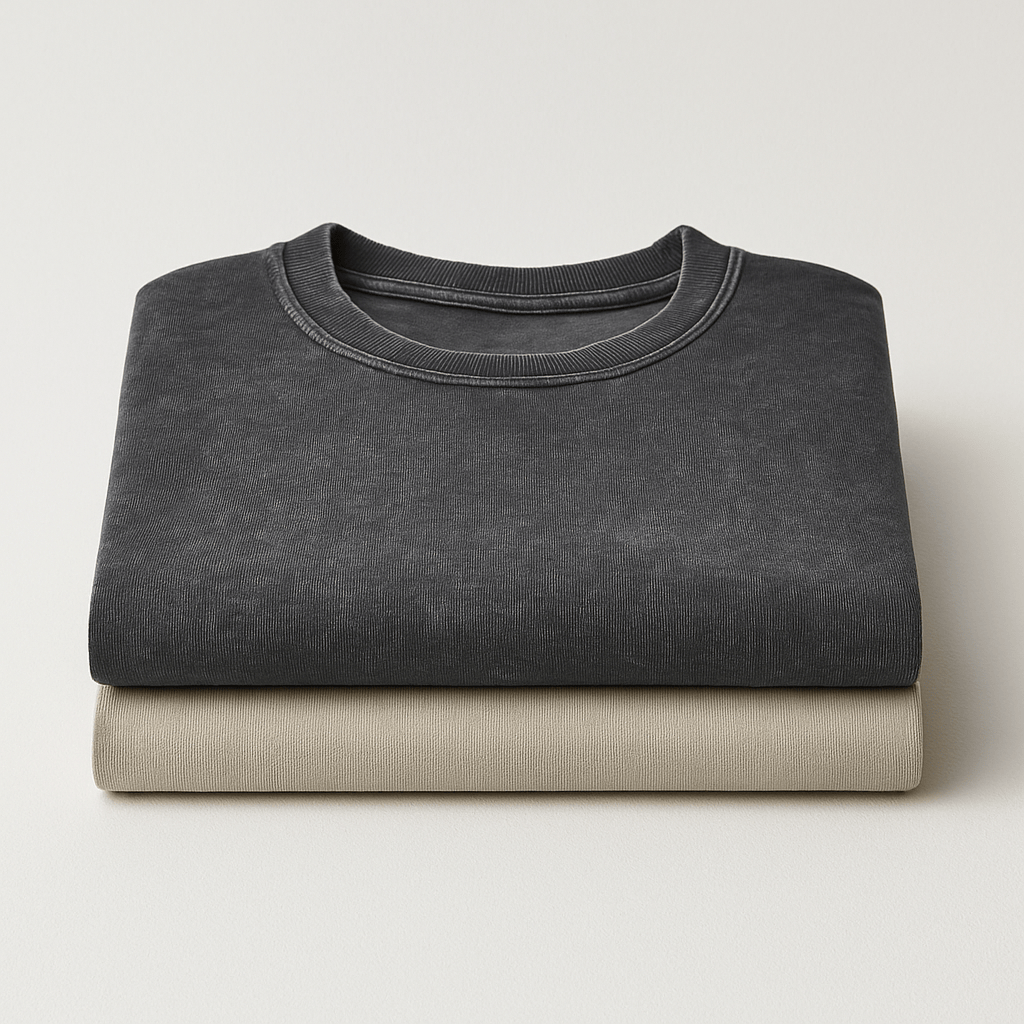
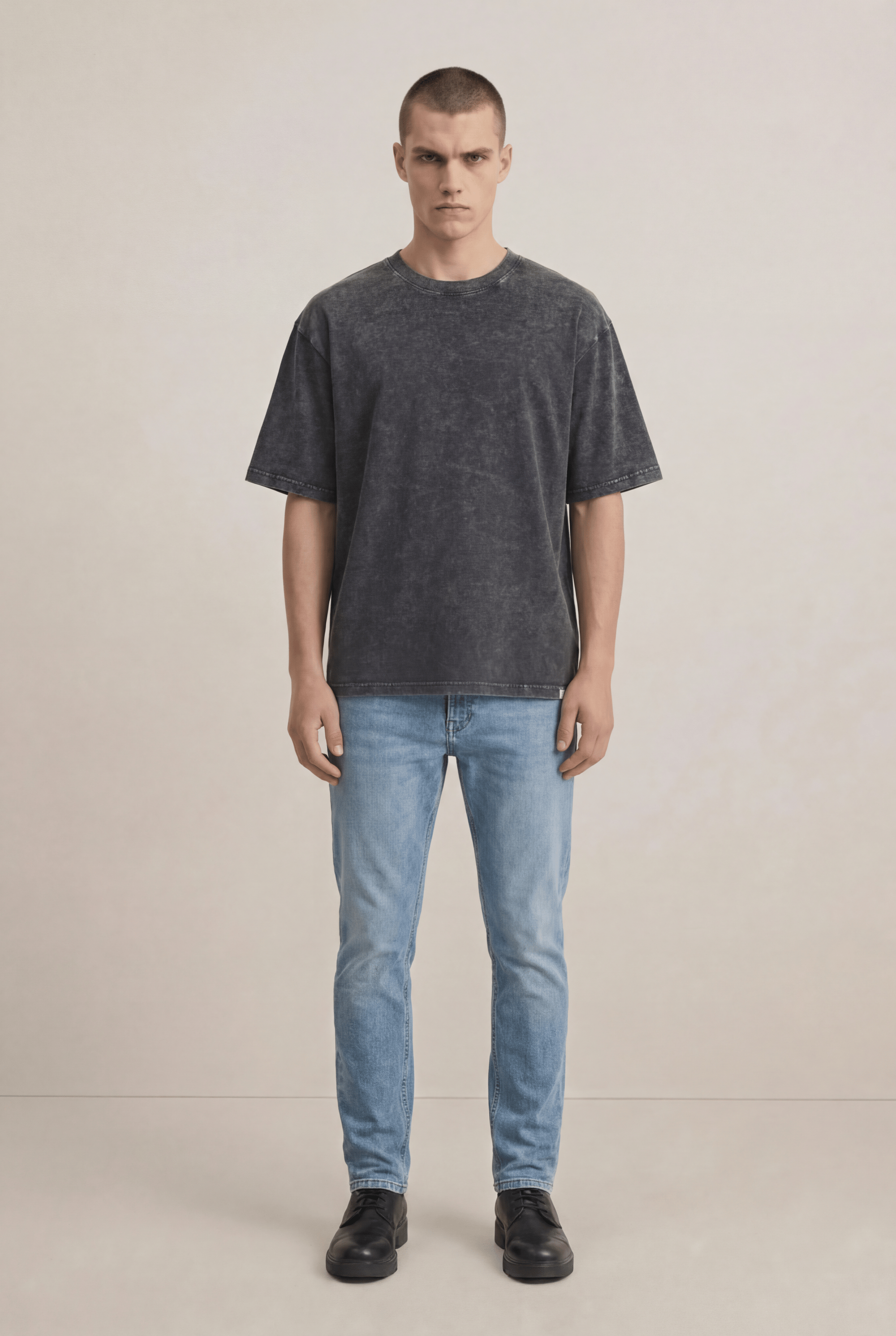
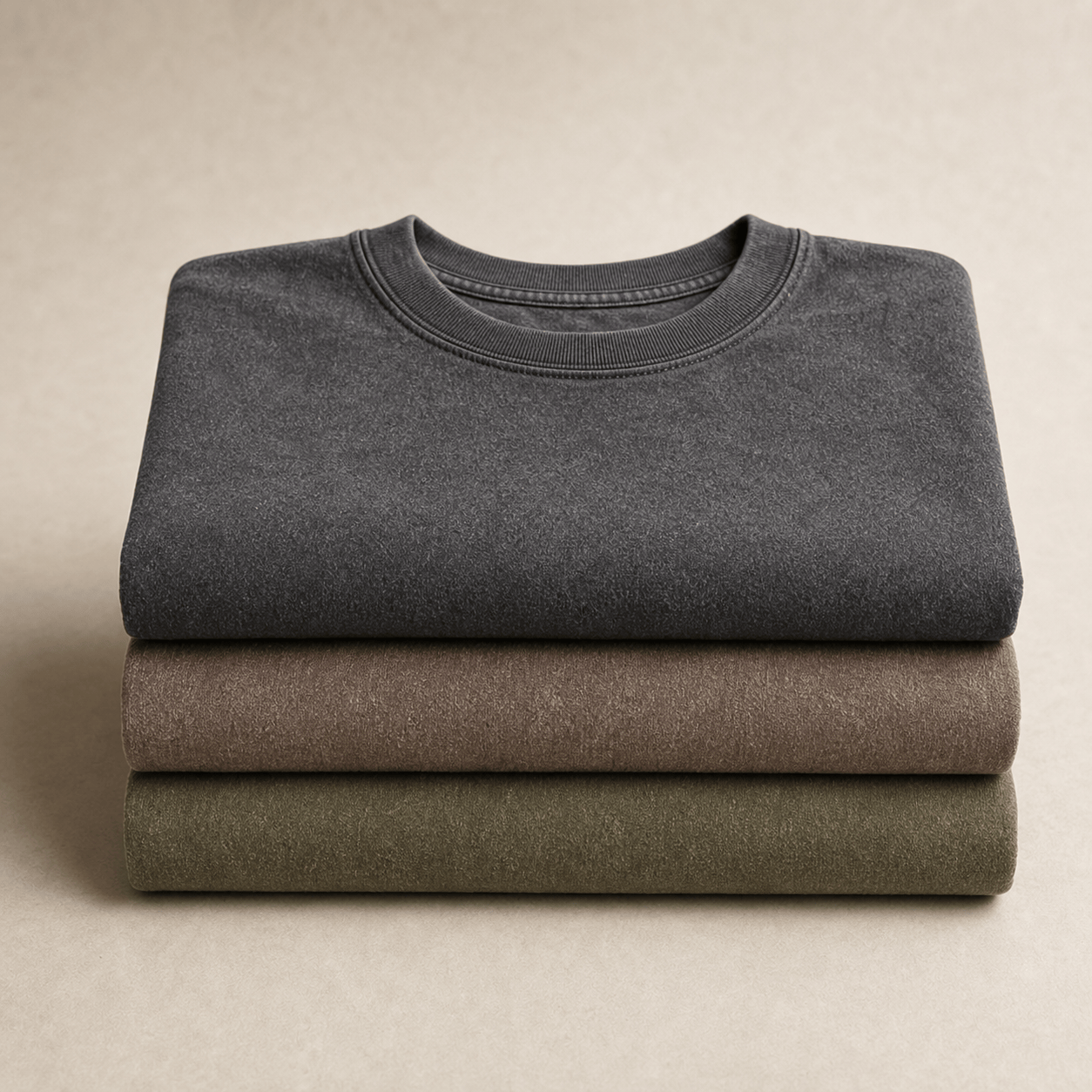
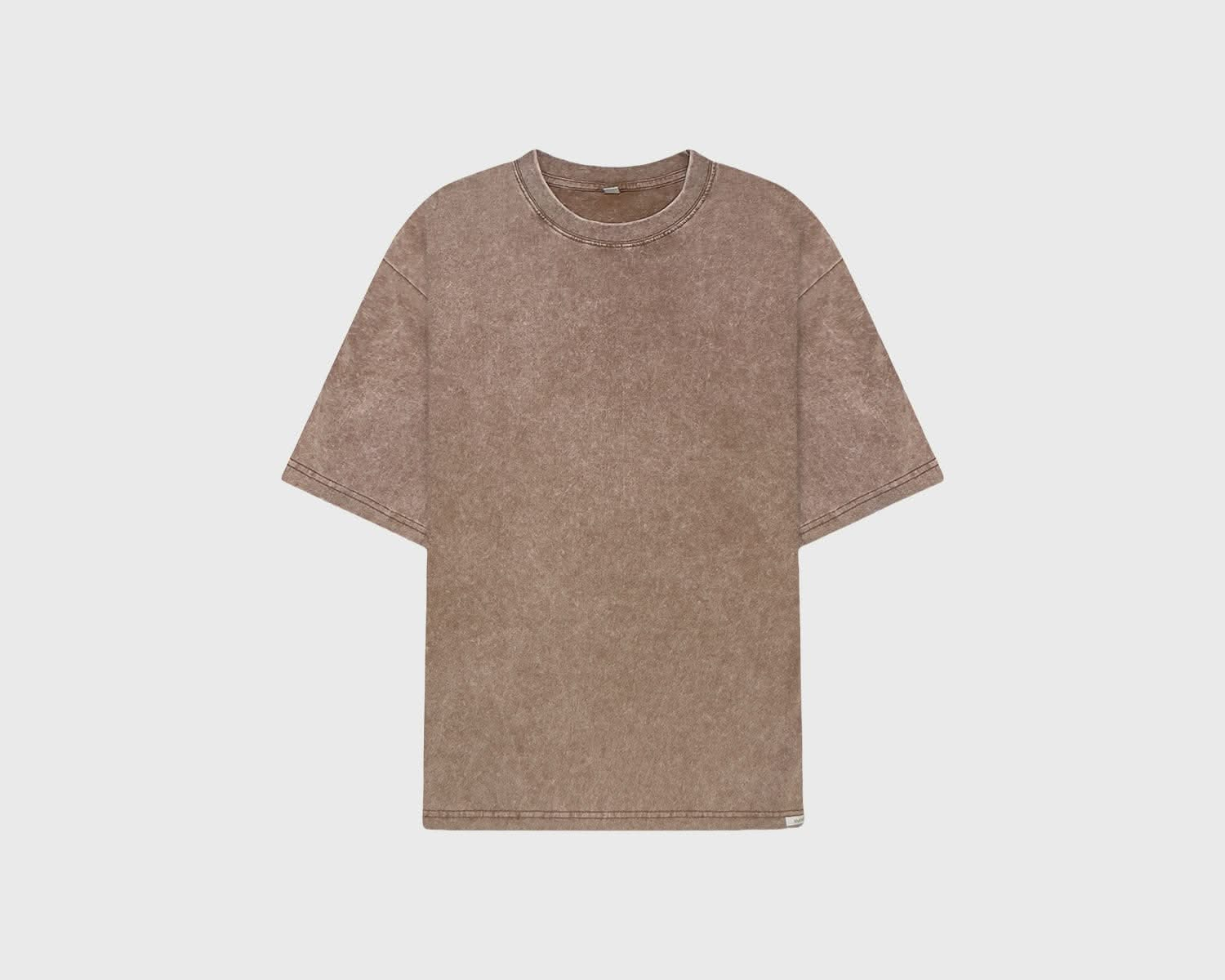
Classic Fit Stonewashed Crew Neck Cotton T-Shirt
A classic-fit everyday tee. Check the product chart against a T-shirt you like the fit of before choosing your size.
See sizes & details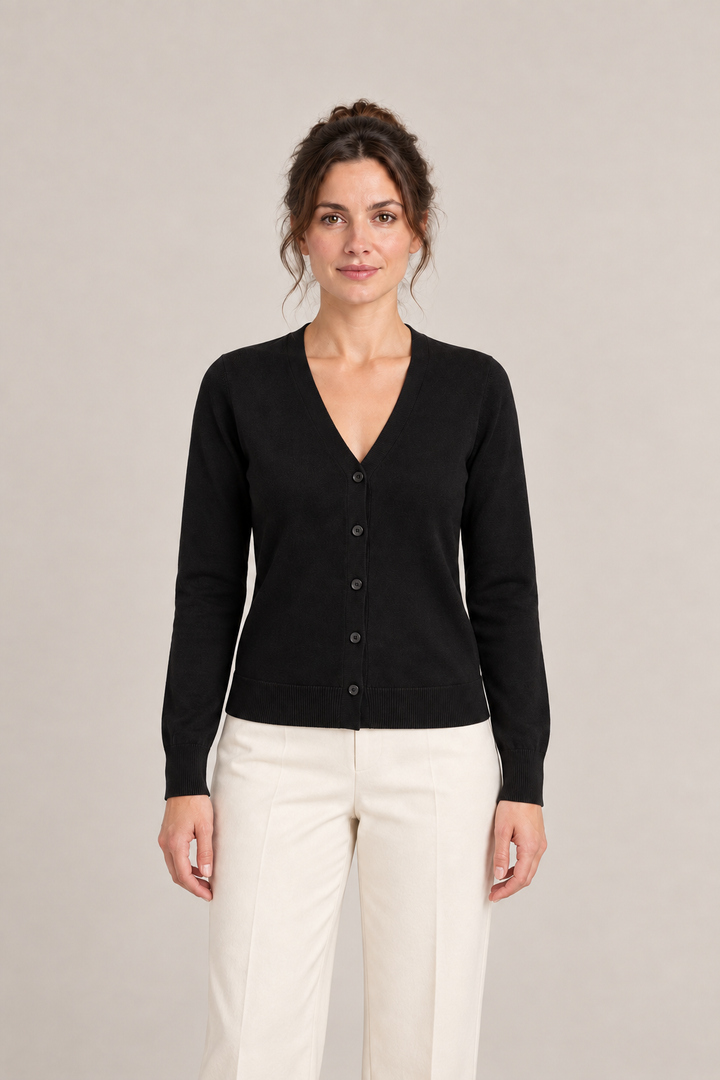
Women’s Cotton V-Neck Cardigan
Prefer a shorter layer? Regular and Petite have different charts. Compare length and shoulders rather than assuming their size labels match.
See sizes & details
You’ve found a piece you love online. The fabric sounds beautiful. The cut looks polished. Then the doubt arrives: what size should I buy?
That question sits at the centre of almost every thoughtful wardrobe decision. A canada clothing size chart can help, but only if you know how to read it properly. The label alone rarely tells the full story. Fabric matters. Cut matters. Your proportions matter. Even the difference between body measurements and garment measurements matters.
A better approach is fit intelligence. That means using a size chart as a starting point, then interpreting it through the lens of fabric behaviour, garment shape, and how you want the piece to feel on your body. For conscious shoppers, that matters twice. A well-chosen size gets worn more, returned less, and stays in your wardrobe longer.
Beyond the Label Your Guide to a Perfect Fit
Most sizing frustration comes from one assumption: that a letter or number should mean the same thing everywhere.
It does not.
A canada clothing size chart is useful only when you pair it with a few other clues. You need your own current measurements. You need to know whether the garment is structured or forgiving. You need to know whether the chart refers to your body or to the finished garment. Without that context, even a detailed chart can still leave you guessing.

Bodies and brand size systems vary. Use current measurements and the exact product chart instead of assuming a national average describes your fit.
Why labels fall short
A label compresses a lot of information into a tiny space. It does not tell you:
- How the fabric behaves when worn for a full day
- Whether the cut is intended to skim or drape
- How much room is built in for movement or layering
- Whether the garment was graded evenly across sizes
That is why two tops in the same labelled size can feel completely different.
What fit intelligence looks like
Think of fit as a three-part decision.
| What you check | What it tells you | Why it matters |
|---|---|---|
| Your body measurements | Your true baseline | Prevents guessing from your “usual size” |
| Fabric type | Stretch, structure, recovery | Changes how close a garment can sit |
| Garment purpose | Layering, drape, silhouette | Helps you choose fitted or relaxed |
If you care about building a lower-impact wardrobe, fit is not a small detail. It shapes how often you wear a piece, whether you alter it, and whether it earns a lasting place in your closet. That same mindset sits behind thoughtful shopping choices more broadly, including how shoppers evaluate materials and production in sustainable clothing in Canada.
Key takeaway: The most useful canada clothing size chart is not the one with the most rows. It is the one you can interpret with confidence.
How to Measure Yourself Accurately at Home
Good fit starts before you click “add to cart”. It starts with a soft tape measure, a mirror, and a few calm minutes.

You do not need professional tools. You do need consistency. Wear light clothing or measure over fitted undergarments. Stand naturally. Do not pull the tape so tight that it presses into your skin, and do not let it hang loose.
Bust or chest, waist and hips are useful starting measurements for many body charts. Finished-garment measurements describe the clothing itself. The extra room needed varies with the cut, fabric and intended fit; there is no single allowance to apply to every piece.
The four measurements worth taking
Most clothing decisions get easier when you know these four numbers.
-
Bust or chest
Wrap the tape around the fullest part. Keep it level across your back. If you are measuring over a bra, wear the one you would most often pair with that type of top or dress. -
Waist
Find the narrowest part of your torso. For many people, this is slightly above the belly button. Bend gently to one side if you are unsure. The crease usually marks your natural waist. -
Hips
Measure around the fullest part of your hips and seat. Keep your feet together for a more accurate result. -
Inseam
This is helpful for trousers and some relaxed bottoms. Measure from the top of the inner thigh down to the point where you want the hem to fall.
Small mistakes that change the result
A tape measure can mislead you in very ordinary ways.
- Twisted tape changes the reading without you noticing.
- Raised shoulders can alter your bust measurement.
- Holding your breath often shrinks the waist number.
- Measuring over bulky clothing adds false volume.
If possible, take each measurement twice. If the numbers differ, measure a third time and use the most consistent result.
Body measurements versus garment measurements
Readers often get confused by this distinction.
A body measurement describes you. A garment measurement describes the finished item after it has been cut and sewn. A comfortable woven shirt cannot be cut to exactly the same circumference as your bust and still allow movement. It needs extra room. That extra room is called ease.
Consider this simple breakdown:
| Term | Meaning | Example |
|---|---|---|
| Body measurement | Your actual circumference | Your bust measures around your body |
| Garment measurement | The finished item’s circumference | The shirt measures larger than your bust |
| Ease | The difference between the two | Allows breathing, movement, and style shape |
Some garments use more ease for a relaxed silhouette. Some use less for a neat, close fit.
A visual walkthrough can make the measuring process feel much easier:
A practical home routine
If you want the most reliable numbers, use this method:
- Measure at the same time of day if you plan to recheck later
- Write the numbers down immediately
- Record both inches and centimetres if the chart offers both
- Re-measure every so often because bodies change and old numbers linger in memory
Tip: If one area places you in a larger size than the others, fit the largest relevant area first. Tailoring in is easier than inventing extra room where the garment has none.
Compare the Chart with Your Measurements
Each product has its own cut and size chart. Start on the page for the piece you want, then check the units and what is being measured.
Body measurements
Measure around the fullest part of your bust or chest, your waist and your hips, keeping the tape level without pulling it tight. Match those measurements to a chart explicitly labelled for the body.
Finished-garment measurements
Compare these with a similar garment you already wear comfortably. If a chart gives flat width, compare a flat width; if it gives circumference, compare circumference. Do not double a measurement unless the chart identifies it as a flat width.
Allowing room to move
The difference between garment circumference and body circumference is called ease. For example, a 38-inch garment around a 34-inch bust has 4 inches of room. That calculation helps you compare options; how it feels also depends on fabric, shoulders and the layers underneath.
For the washed denim shacket, use the finished-garment chart on its product page and compare it with an overshirt or jacket you enjoy wearing.
Canadian, US, UK and European Sizes
Canadian and US labels often use similar conventions, while UK and European labels may use different numbers. There is no single letter-size conversion that fits every brand and garment.
- Find your measurements in centimetres or inches.
- Open the size chart for the exact product and check whether it describes the body or garment.
- Choose the label associated with those measurements, then consider the intended fit and layering room.
To convert inches to centimetres, multiply by 2.54; to convert centimetres to inches, divide by 2.54. For example, 34 inches is 86.36 cm. Changing the unit does not change whether the measurement describes a body or a garment.
How IdyllVie Fabrics Influence Fit and Feel
Two garments can share the same size chart and still wear very differently.
That difference usually starts with the fabric. Fibre content, knit or woven construction, weight, and finishing all influence how a piece sits on the body. Many generic size guides stop too soon here. They tell you the measurement range, but they do not help you predict the lived experience of the garment.

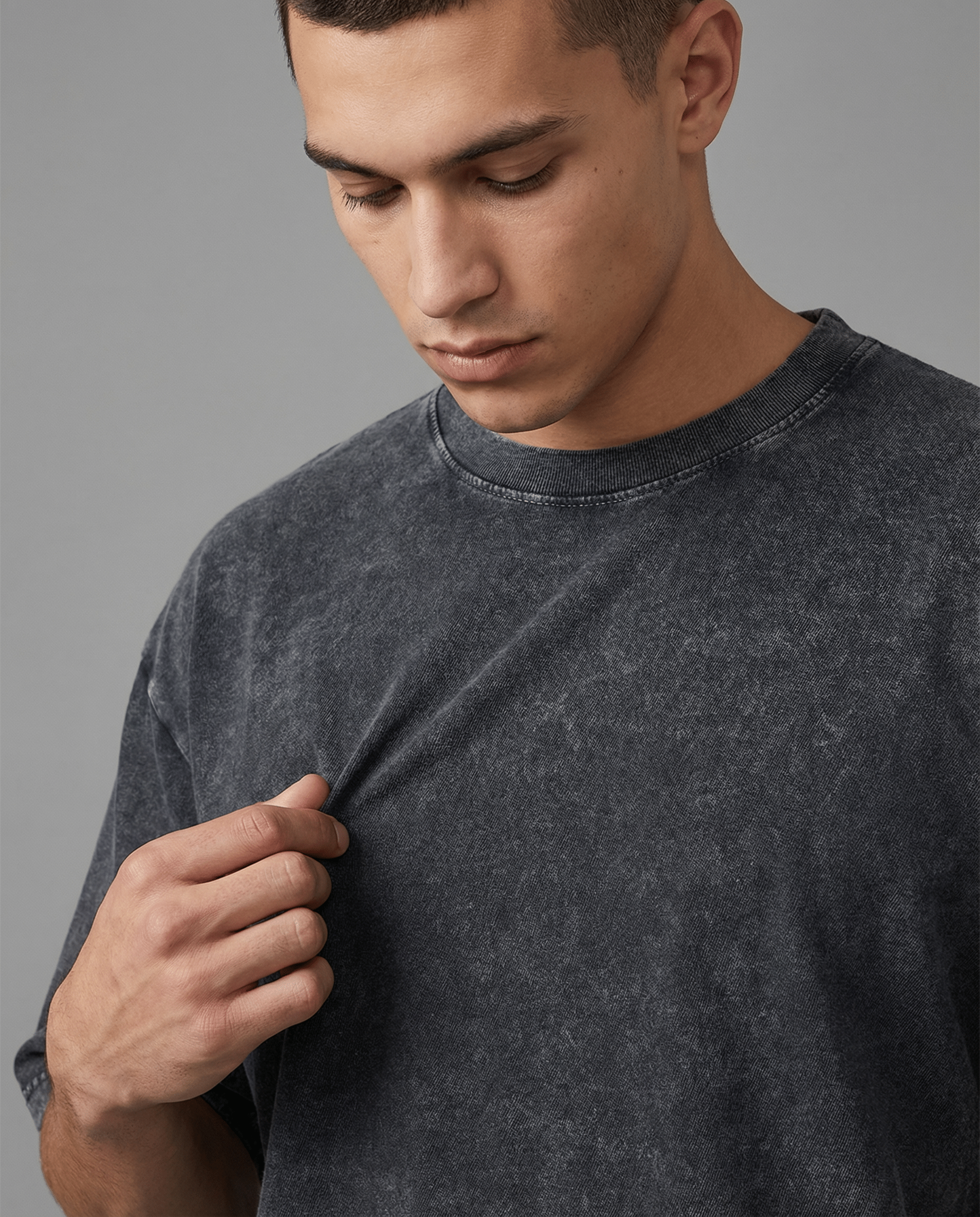
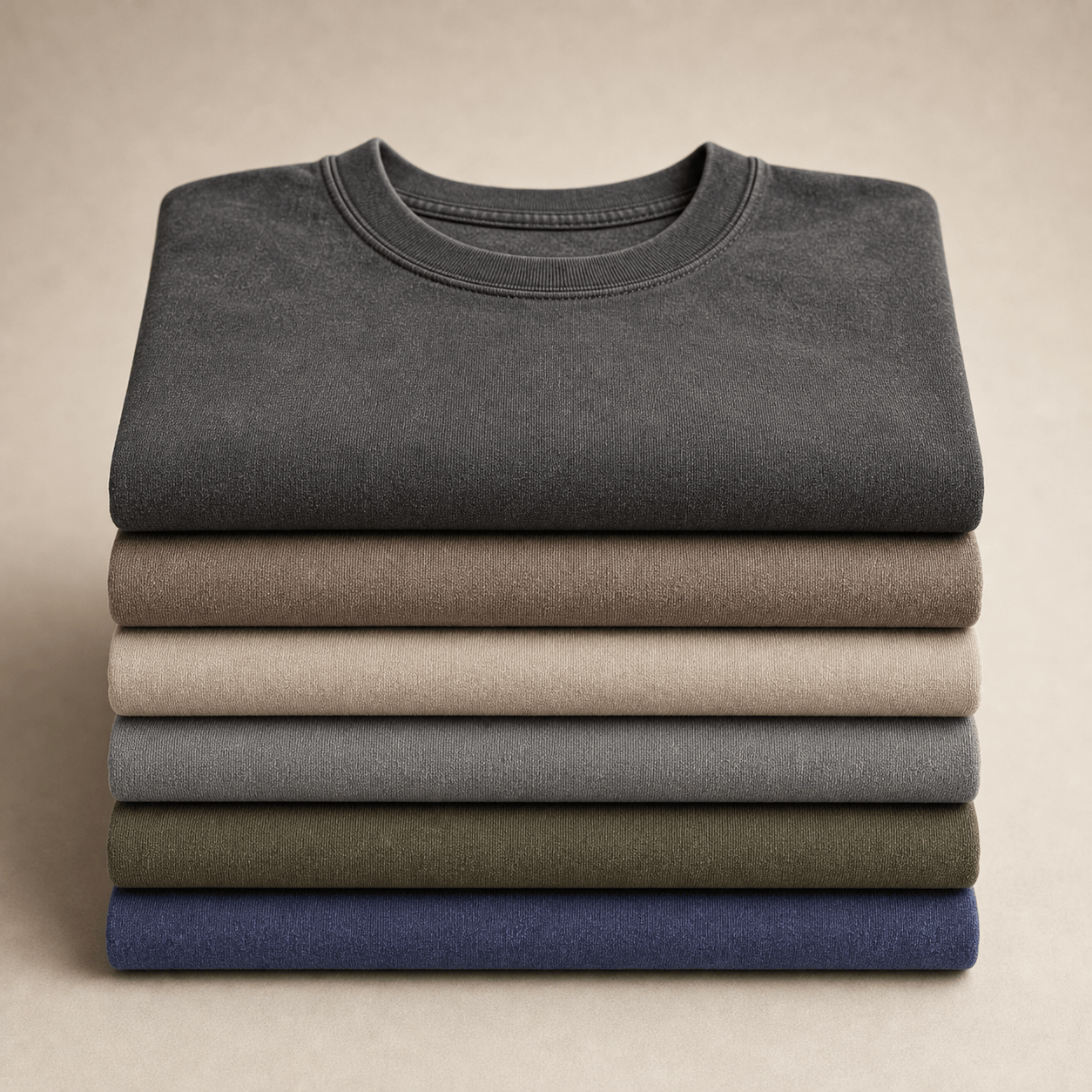
Heavyweight organic cotton
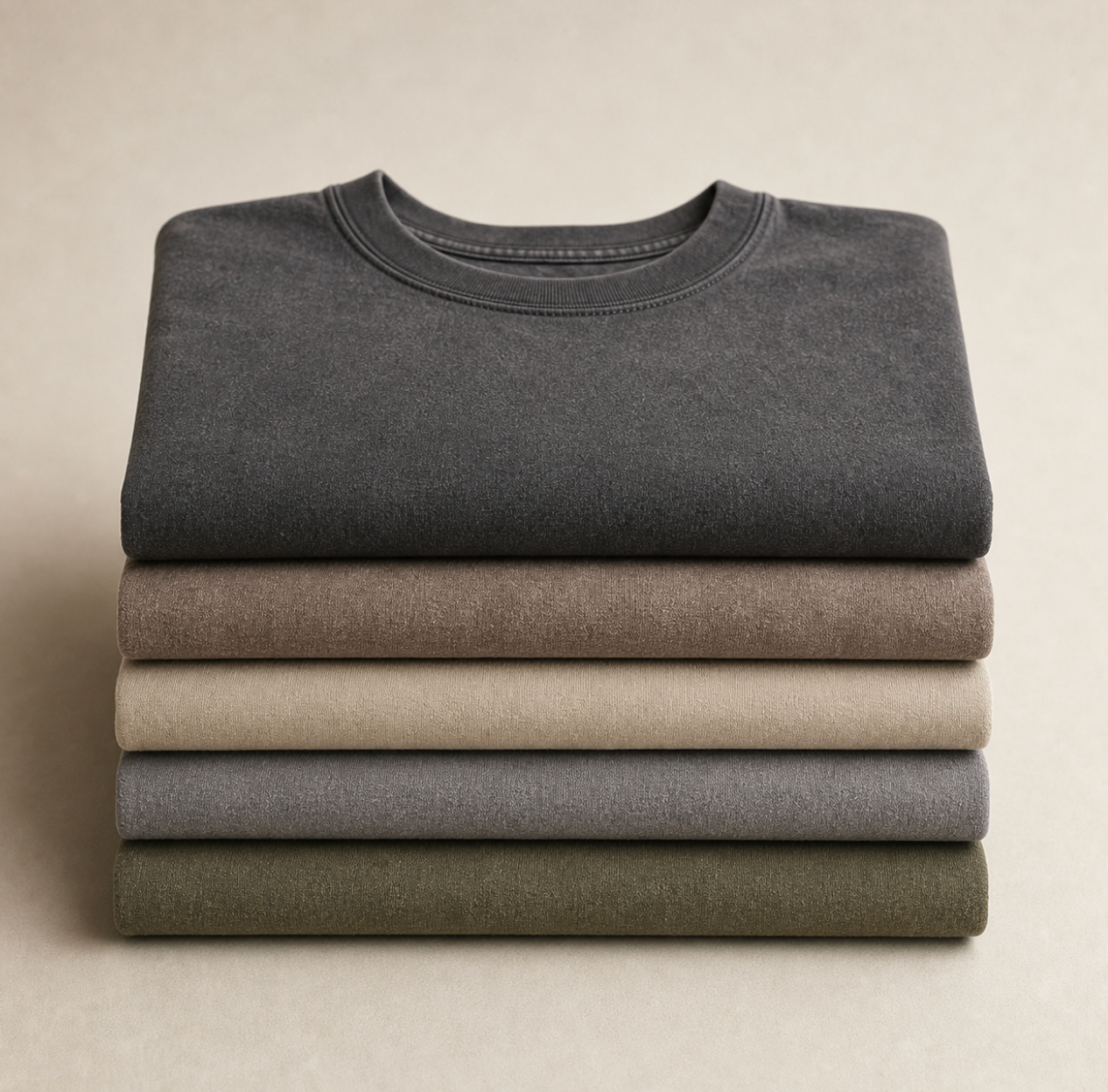
Heavyweight organic cotton tends to feel more structured than a light jersey. It usually offers a cleaner line, a bit more body, and less natural stretch than highly elastic fabrics.
That means your chart match matters more. If you want a classic fit in a substantial cotton tee, stay close to your actual measurement range. If you prefer a looser silhouette, go up a size intentionally rather than expecting the fabric to relax dramatically.
Shoppers comparing material qualities in everyday basics often find it helpful to read more about premium cotton T-shirts and why preshrunk breathable cotton matters.
Knitwear and natural give
Knitwear behaves differently. Whether you are looking at a fine knit or a chunkier sweater, the structure allows more flexibility than a firm woven top.
That does not mean all knits fit loosely. It means they often adapt more gently to the body. A knit can follow curves, drape with a softer line, and feel comfortable across a slightly wider range of measurements.
If you are between sizes in knitwear, your choice can depend on silhouette preference:
- Closer fit often points toward the smaller size
- Relaxed drape may favour the larger size
- Layering use can justify extra room through body and sleeves
Outerwear and layering room
Coats and jackets need to work with what goes underneath. A well-designed outer layer usually includes positive ease so it can sit over a knit, tee, or light mid-layer without pulling.
At this point, shoppers sometimes size up unnecessarily. If the outerwear is already cut for layering, your regular chart-based size may be correct. Sizing up again can create dropped shoulders, excess sleeve length, or too much volume through the body.
Fabric changes the decision, not the chart
The chart is still your baseline. Fabric tells you how strictly to follow it.
| Fabric type | Typical behaviour | Shopping implication |
|---|---|---|
| Heavyweight organic cotton | Structured, limited stretch | Match chart closely for clean fit |
| Knitwear | More give, softer drape | More flexibility between sizes |
| Outerwear | Built for layering | Check if added room already exists |
Key takeaway: Fit is not only about what size you are. It is also about how the fabric responds once the garment is on your body.
Troubleshooting Common Fit and Sizing Issues
Even careful shoppers run into awkward fit moments. The chart makes sense, your measurements are accurate, and something still feels off.
That usually means the issue is not size alone. It is proportion, garment shape, or fabric response.
If you are between sizes
Start with the garment type.
For a structured top or woven layer, going up can preserve comfort across the fullest area. For a knit with natural flexibility, the smaller size may still work if you want a neater silhouette.
Ask one question first: where can this garment not afford to pull?
That point should guide the size choice.
If tops fit your bust but not your waist
This often happens with straighter cuts or with bodies that do not align neatly to one chart row.
Try these options:
- Choose by bust first if the garment closes or sits close at the chest
- Look for drape rather than compression in fabrics with softer movement
- Consider simple tailoring if the garment fits well in the shoulders and bust
If trousers fit your hips but gape at the waist
This is one of the most common frustrations in women’s and men’s bottoms.
The cleanest approach is usually to fit the hips first, then adjust the waist if needed. A waistband can often be altered more easily than a seat or thigh can be expanded.
If your usual size changes across Canadian retailers
This may not be your imagination.
Different retailers use different size systems and garment cuts. Compare your measurements with the specific product chart instead of assuming the same letter or number fits identically across brands.
A simple troubleshooting grid
| Problem | Most likely cause | Better approach |
|---|---|---|
| Pulling across bust or chest | Size too small in key area | Size by fullest point |
| Waist feels loose but hips fit | Shape mismatch | Fit hips first, alter waist if needed |
| Sleeves or body feel too long | Vertical proportion issue | Check cut, not just width |
| Coat feels bulky when sized up | Layering ease already built in | Try true size first |
Tip: Keep a short personal fit note in your phone. Example: “Need room in hips, narrow shoulders, prefer relaxed cotton tees.” That memory is more useful than relying on your “usual size.”
A good return policy offers peace of mind, but the greater benefit is learning the pattern of your own fit needs so your choices become easier over time.
Your Confident Fit and Frequently Asked Questions
A canada clothing size chart works best when you treat it as part of a fuller decision. Your measurements give you the base. Fabric tells you how the garment will behave. Cut tells you where precision matters most. That combination is what turns online shopping from trial and error into a calmer, more conscious process.
Fit intelligence also changes how you feel when something does not work. It stops the spiral of blaming your body for a garment that was never cut for your proportions in the first place.
Frequently asked questions
What if I’m between sizes?
For structured items such as heavyweight tees, size up if you want a more relaxed fit or expect to layer. For knitwear with natural give, the smaller size can work for a closer silhouette.
Will my organic cotton tee shrink?
Preshrunk cotton is designed to minimise shrinkage. Cold washing and low-heat drying help preserve both size and fabric integrity.
How is outerwear sized?
Outerwear is often cut with positive ease so it can sit comfortably over other layers. In many cases, your regular size is the best place to start.
Why does one chart size still fit differently across garments?
Because fibre, construction, and silhouette all change the way a garment sits on the body. A chart gives the baseline, not the full wearing experience.
A confident purchase starts with better information, not more guesswork. Explore IdyllVie if you want thoughtfully made apparel and home essentials with a focus on natural materials, clean design, and practical details that support long-term wear.












0 comments