
You know the moment. It's 7:30 on a cold Toronto morning, your coffee is getting cooler by the minute, and you're standing in front of the wardrobe weighing three bad options. One sweater feels bulky indoors. One looks good for about an hour, then sags at the cuffs. The other is soft enough, but somehow traps heat on the subway and leaves you clammy by lunch.
That small frustration is why the cotton crew neck sweater matters more than people give it credit for. It isn't flashy. It doesn't rely on trend language. But when it's made well, it becomes the layer you reach for without thinking. It works under a coat, over a shirt, with denim, with wool trousers, on a flight, at the office, and on the sofa after dinner.
The difference between an average sweater and one you keep for years usually comes down to quiet details. Fibre quality. Knit density. Finishing. How the neckline is built. Whether the fabric has been treated to hold its shape through washing and wear. In Canadian weather, those details stop being technical trivia and start affecting your day in very practical ways.
The Search for a Timeless Wardrobe Hero
Rarely does anyone start by saying, "I need a better knit structure." They start with a feeling. They want one sweater that doesn't ask much of them. It should look polished enough for a meeting, relaxed enough for a Saturday, and comfortable enough that you don't peel it off the second you get inside.
The cotton crew neck sweater became that kind of staple for good reason. It has history behind it, but more significantly, it has usability. The shape is clean. The neckline is familiar. It layers without fuss. If your wardrobe feels overcomplicated, this is often the piece that calms it down.
A lot of readers get stuck on one question. Why cotton, especially in Canada, where people often assume warmth must come from heavier wool or synthetic fleece? The answer is balance. Cotton doesn't always give you the highest-insulation option, but it often gives you the most wearable one. That's a different standard, and for everyday life, it's often the better one.
What people usually want, but don't always name
A good sweater tends to solve several problems at once:
- Reliable comfort that doesn't feel scratchy by midday
- Easy layering under jackets, coats, and overshirts
- A clean shape that still looks good after repeated wear
- Enough breathability for indoor heating, transit, and changing temperatures
A wardrobe hero isn't the loudest item you own. It's the one that keeps earning its place.
That helps explain why the crew neck has stayed relevant for so long. It doesn't need reinvention. It needs thoughtful execution. When fabric, fit, and finishing all work together, a simple sweater starts to feel luxurious.
What separates good from great
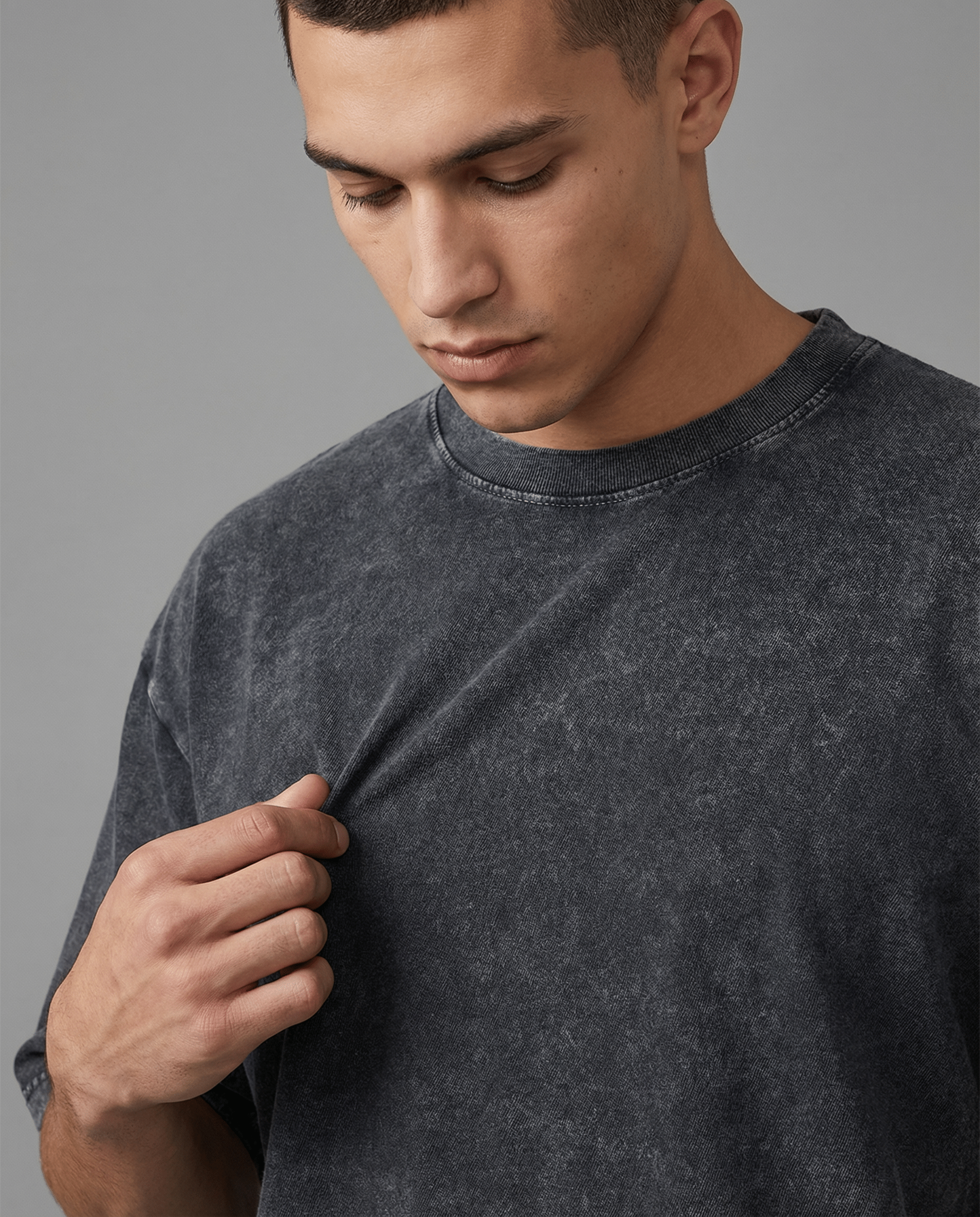
The best cotton crew neck sweater isn't necessarily the one with the most dramatic styling. It's the one that keeps its structure, feels good against the skin, and still looks intentional after many wears. A premium version should feel reassuring in the hand. Not stiff, not flimsy. Substantial without becoming cumbersome.
That's where craftsmanship shows up. You notice it in a collar that lies flat instead of warping. In ribbing that recovers instead of flaring out. In a knit that drapes rather than droops. Those are small distinctions. They also decide whether a sweater becomes a favourite or a disappointment.
The Anatomy of a Great Cotton Sweater
A premium cotton crew neck sweater starts long before colour or styling. It begins with the fibre itself, then moves through knit structure, garment finishing, and construction details. If you learn to read those choices, product descriptions become much easier to decode.

Start with the fibre
Cotton sounds simple, but not all cotton behaves the same way. A standard cotton sweater can still be good. A consciously made one often feels better because the raw material and finishing process have been handled with more care.
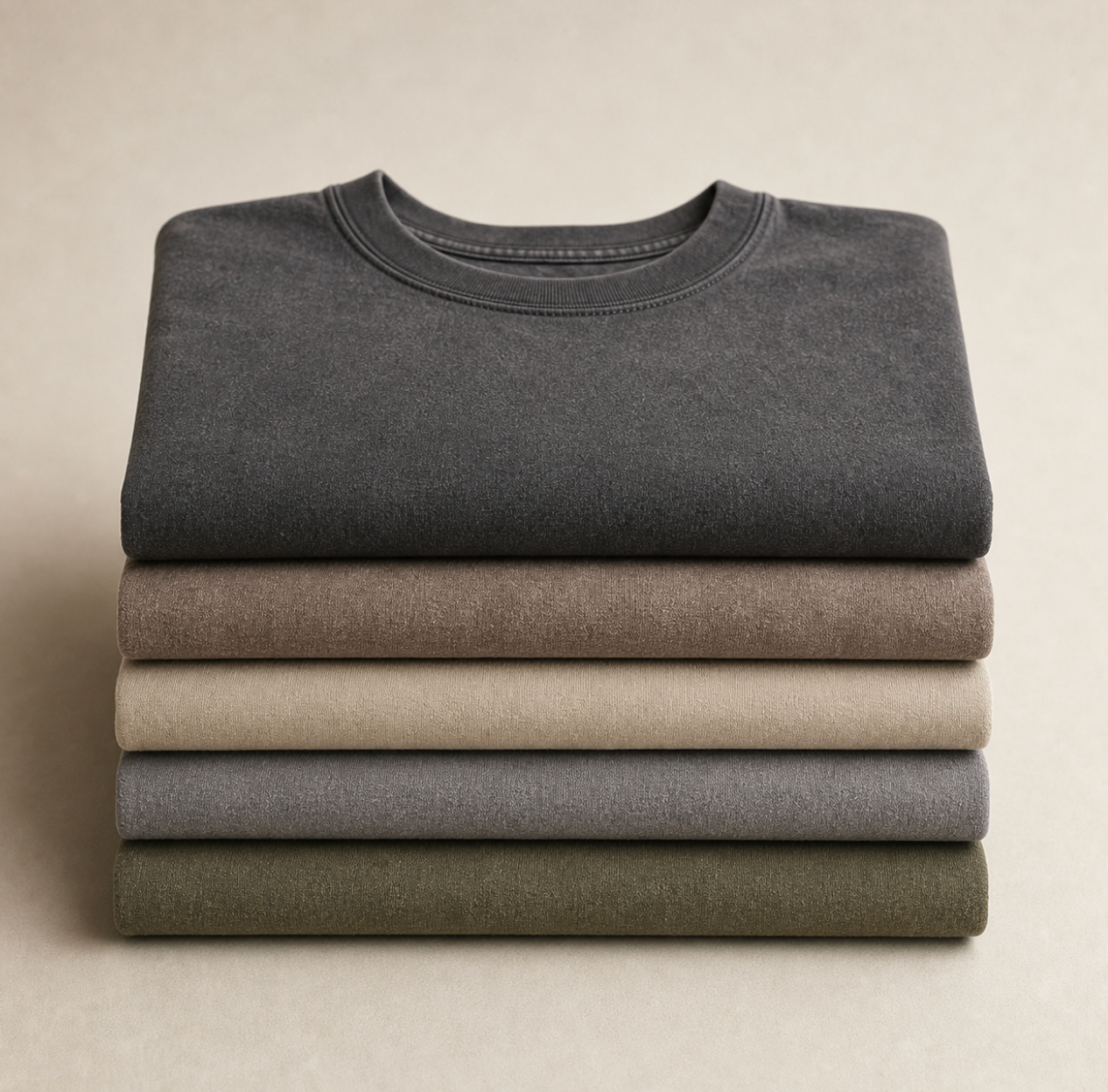
GOTS-certified organic cotton is one of the clearest quality markers to look for. Shoppers sometimes think "organic" only refers to farming methods. It does matter there, but it also affects the final fabric experience. Cleaner processing and stronger fibre quality often translate into a sweater that feels smoother and holds up better over time.
Consider this straightforward perspective:
| Feature | Standard cotton sweater | Premium consciously made sweater |
|---|---|---|
| Fibre origin | Can vary widely | Often traceable and certified |
| Hand feel | Sometimes dry or inconsistent | Usually smoother and more even |
| Shape retention | Depends heavily on finishing | More likely to recover well |
| Long-term wear | Can pill or distort sooner | Built with durability in mind |
Why stonewashing matters
Some finishes are cosmetic. Stonewashing isn't only about looks.
Modern enzyme stonewashing can reduce water usage by up to 40% compared to conventional dyeing, while also pre-shrinking the garment and helping it reach 98% dimensional stability, according to Natural Resources Canada's textile efficiency reporting. That's especially useful in places with hard water, including much of Ontario, where laundering can be tough on fibres.
A good analogy is cast iron seasoning. You're not just changing the surface. You're preparing the material to perform better in daily use. In a sweater, that can mean a softer hand, more controlled shrinkage, and better resistance to surface fuzz.
Practical rule: If a sweater is described as stonewashed and pre-shrunk, that isn't marketing fluff. It often signals less post-wash surprise and a longer-looking lifespan.
Knit, weight, and finishing details
Readers often confuse weight with warmth. They're related, but not identical. A heavyweight cotton crew neck sweater often feels more structured and durable. A midweight one may layer more neatly under tailoring or outerwear. Neither is automatically better. The right one depends on how you dress and where you live.
A few details tell you a lot:
- Gauge and density affect how compact or airy the sweater feels.
- Ribbed cuffs and hem help the sweater return to shape after wear.
- A well-built crew neckline should feel snug enough to sit neatly, but not tight.
- Clean seam finishing reduces twisting and distortion over time.
If you're reading a product page, don't stop at colour and fit photos. Scan for fibre certification, finishing method, and fabric weight. Those are the clues that tell you whether the sweater was built for one season or for years.
Finding Your Perfect Fit and Silhouette
Even the best fabric won't rescue a poor fit. A cotton crew neck sweater should feel easy, not sloppy. The challenge is that "relaxed," "classic," and "oversized" mean different things from one brand to another, so the smartest approach is to use your own measurements and visual checks rather than relying on size names alone.

The three silhouettes that matter
A classic fit sits close enough to look tidy, with room for a tee or light shirt underneath. This is the easiest option for work wardrobes and clean layering under coats.
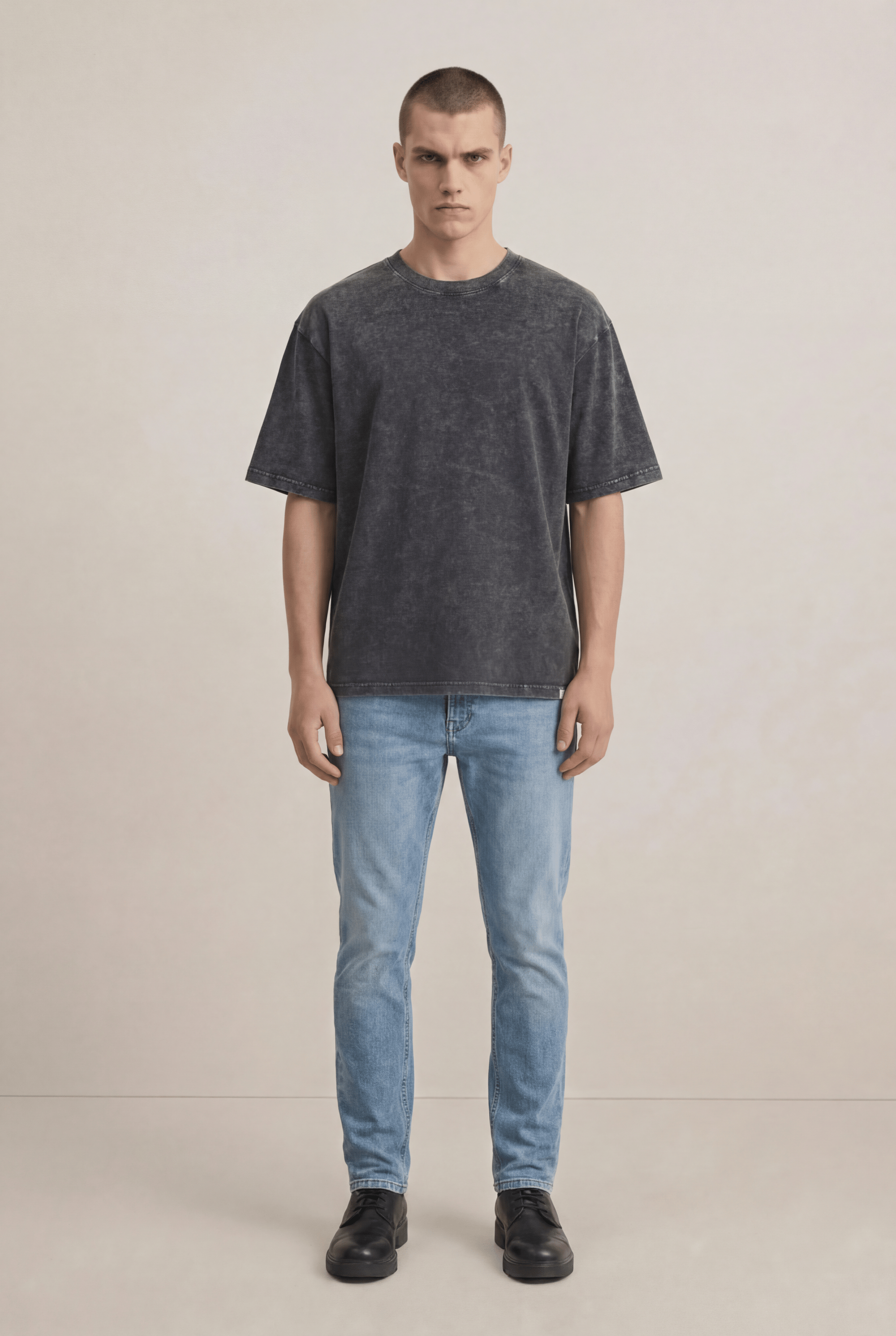
A relaxed fit gives more room through the chest, sleeve, and body without swallowing your frame. For many people, this is the sweet spot. It reads modern, but still refined.
An oversized fit drops the shoulder and adds volume intentionally. It can look excellent, but only when the proportions are deliberate. If the body is long, the shoulder is broad, and the sleeve is extra full all at once, the sweater may stop looking intentional and start looking too big.
How to measure without overthinking it
You only need a soft tape measure and a sweater you already like.
- Chest. Measure around the fullest part of your chest, keeping the tape level.
- Shoulder. Check where your natural shoulder bone ends. On a set-in sleeve sweater, that's where the seam should land.
- Sleeve length. Measure from shoulder point to wrist. If you prefer a slightly pooled sleeve, allow extra length.
- Body length. Measure from the high shoulder to where you want the hem to fall.
If size charts confuse you, compare your numbers to a trusted guide like this Canada clothing size chart. It helps translate body measurements into a more realistic starting point.
Construction details that affect comfort
Two sweaters can have the same listed size and feel completely different. That's usually because of sleeve construction and rib finishing.
- Raglan sleeves suit people who want easier movement through the shoulder. They're excellent for commuting, driving, and layering.
- Set-in sleeves create a more defined silhouette and often look sharper under a blazer or coat.
- Firm rib at cuffs and hem helps the sweater hold its outline instead of stretching outward.
- A stable neckline keeps the crew neck from gaping after repeated wear.
If the shoulder seam creeps too far down your arm on a classic fit, the sweater will often feel less polished than you expected.
A good fit should let you move naturally, lift your arms, and sit comfortably without the hem riding up dramatically. That's the test worth trusting, more than any marketing label.
How to Style a Crew Neck for Any Canadian Season
The beauty of a cotton crew neck sweater is that it doesn't need a complicated outfit around it. It acts like a stabiliser. It softens structured pieces, sharpens casual ones, and handles weather changes better than many people expect.

One reason it works so well in Canada is comfort during fluctuating conditions. 100% organic cotton is highly hygroscopic and can absorb up to 27 times its weight in water, wicking moisture away from the skin 20 to 30% faster than polyester, according to Canadian General Standards Board guidance. In plain terms, that means less clammy fabric when the weather shifts or indoor heating catches you off guard.
Spring and early autumn
A Vancouver morning can feel cool and damp, then soften by midday. In that kind of weather, a midweight cotton crew neck sweater over a crisp shirt works beautifully. Let the collar peek out slightly. Add straight-leg denim or pleated trousers and loafers or simple trainers.
For women, a crew neck over a slip skirt or dress creates an easy transition outfit. It takes something delicate and makes it practical. For men, the equivalent might be an Oxford shirt under the sweater with chinos and a light field jacket.
The point isn't to look layered for the sake of it. It's to build an outfit that can move between outdoors, transit, and indoor heat without feeling overdone.
High summer evenings and cottage weather
Cotton earns its place in summer too, especially once the sun drops. A crew neck worn loosely over shorts, linen trousers, or a relaxed skirt gives you just enough warmth for a patio, lakeside evening, or breezy walk.
A few combinations work again and again:
- With shorts and clean trainers for a simple transitional look
- Over a striped tee for weekend layering without bulk
- With wide-leg trousers when you want comfort that still looks put together
- Tied over the shoulders for daytime, then worn properly after sunset
This styling walkthrough shows the effect in motion.
Winter layering that doesn't feel bulky
A cotton crew neck sweater won't replace a deep-winter outer layer, but it can become one of your most useful foundations. Under a wool coat, chore coat, or insulated parka, it provides breathable structure. Over a fine merino base layer, it becomes much more seasonally flexible.
The best winter outfit isn't always the warmest possible one. It's the one you can wear indoors for hours without wanting to escape it.
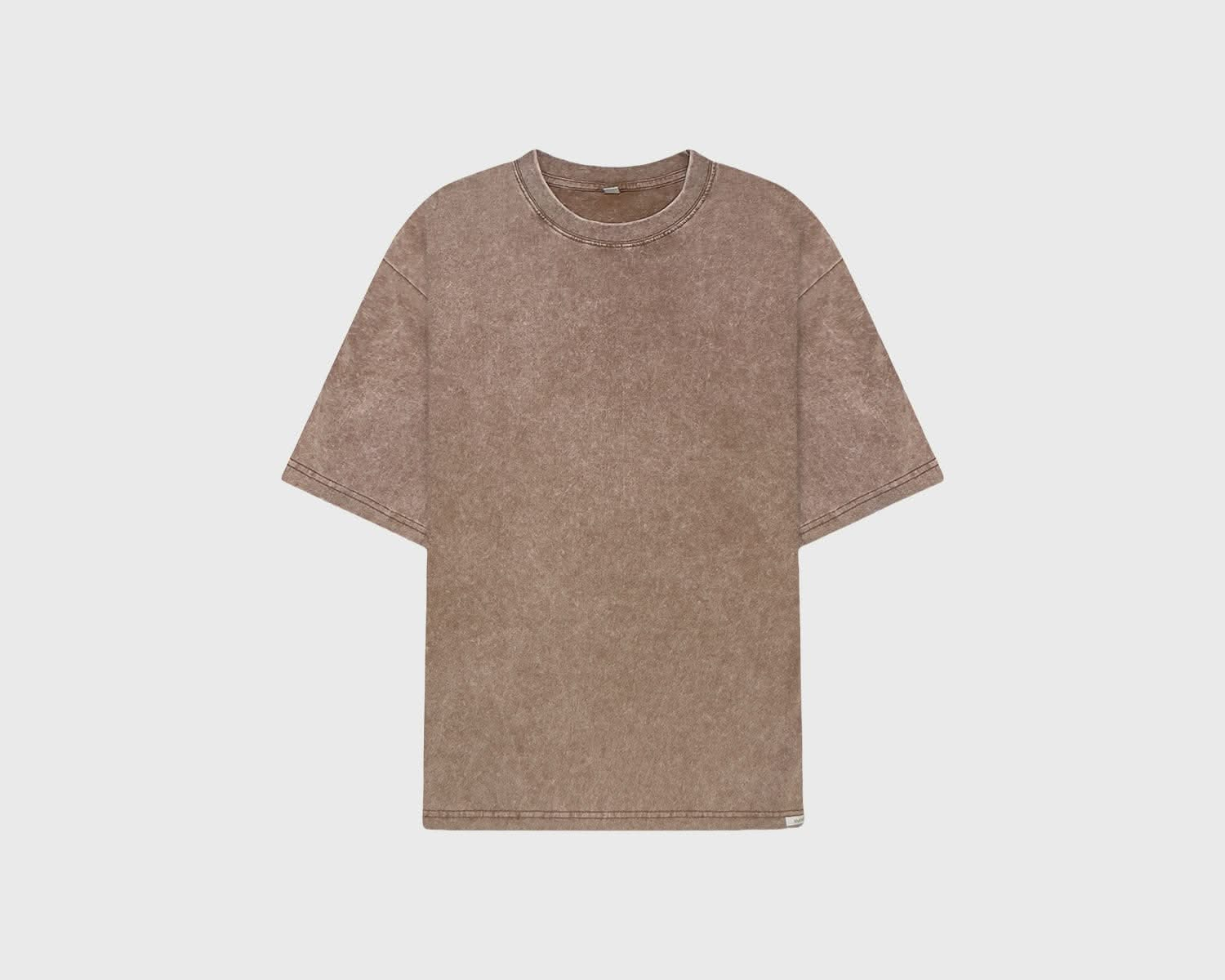
For milder winter days in Toronto or coastal cities, try a charcoal or olive crew neck with dark denim, leather boots, and a long coat. For indoor-heavy days, wear it over a thin tee and let the sweater do the visual work. The result is cleaner than a hoodie, softer than a blazer, and easier to live in than either.
Care and Longevity to Make Your Sweater Last
People often accept sweater decline too quickly. They expect stretched shoulders, fuzzy sleeves, and a collar that won't sit right after a season or two. A well-made cotton crew neck sweater doesn't have to age that way. Most of its lifespan depends on very ordinary habits.

If the sweater is made from quality organic cotton, the fabric already has an advantage. GOTS-certified organic cotton retains 95% of its shape integrity after 50 wash cycles at 40°C, which is 15% better performance than conventional cotton, based on textile research benchmarks from TRCC. That's encouraging, but it isn't permission to treat the garment carelessly. Good fabric rewards good care.
The non-negotiables
If you do only four things right, make them these:
- Wash gently. Use cool or cold water and a mild detergent. A harsh cycle creates friction that ages the surface of the knit.
- Skip the hanger after washing. Wet knitwear is heavy. Hanging pulls the shoulders out of shape.
- Lay flat to dry. Smooth the sweater back into shape with your hands before it dries fully.
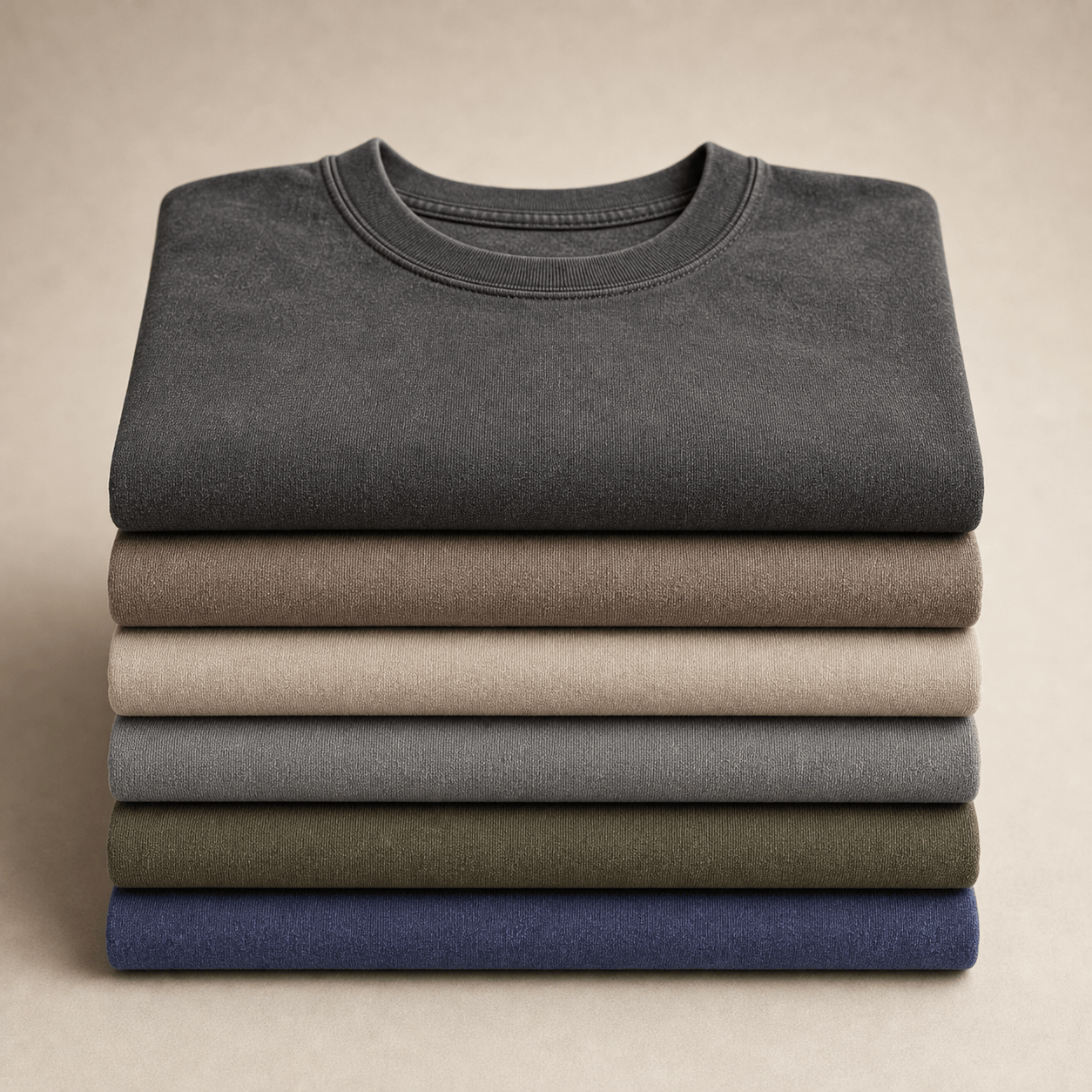
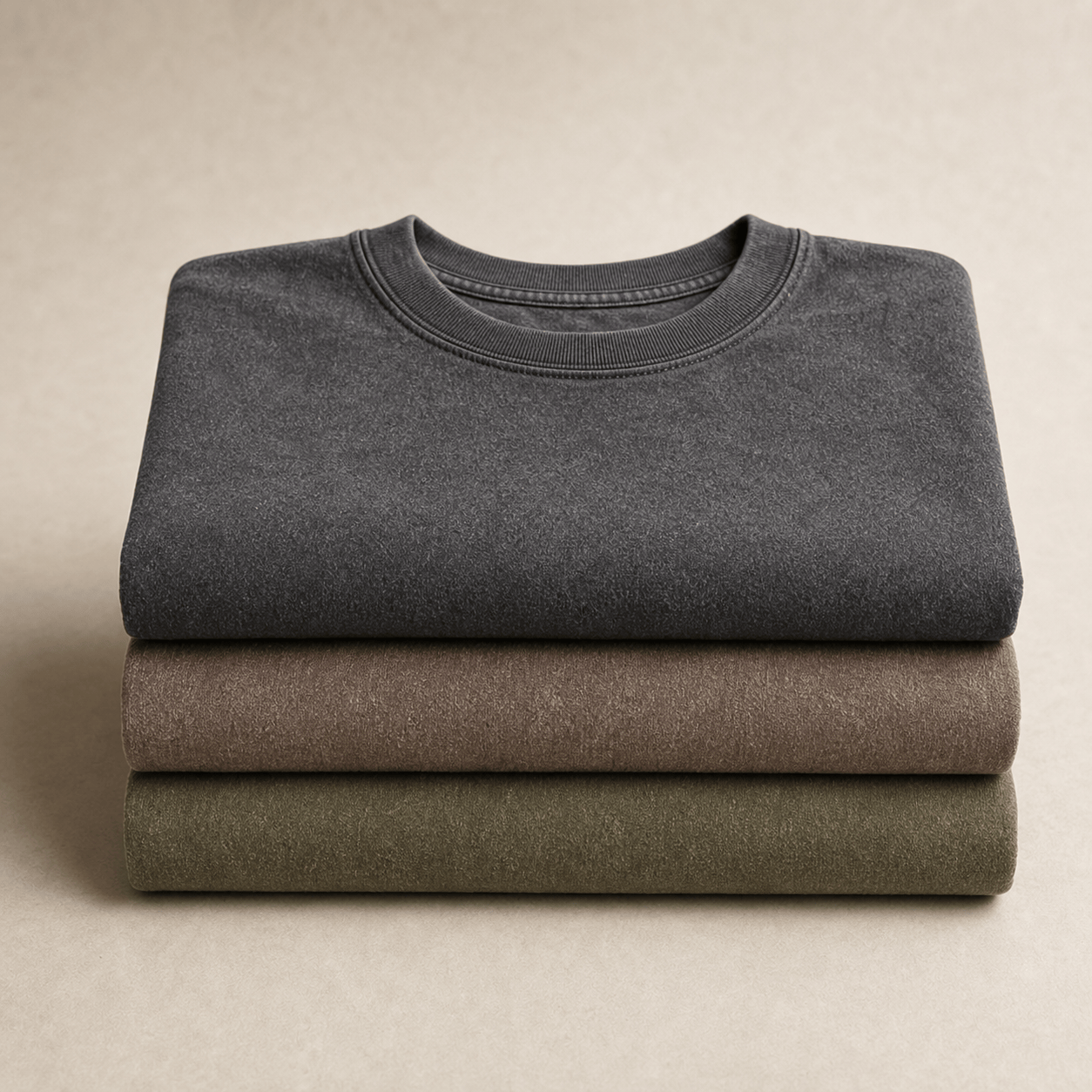
- Store folded, not hung. Long-term hanging stretches the neckline and shoulder line, especially with heavier knits.
For readers comparing fibres, this guide to 100 cotton sweaters is useful for understanding how pure cotton behaves in daily wear.
Why small habits matter
Care advice can sound fussy until you connect it to cost and wear. If you toss a heavyweight cotton sweater on a hanger every week, the shoulder bumps aren't bad luck. They're a direct result of gravity and moisture. If you wash it with rougher garments, surface abrasion builds quickly.
Think of care as maintenance, not preciousness. You don't need a ritual worthy of a museum archive. You just need to reduce stress on the parts that fail first. Collar, cuffs, hem, shoulders.
| Habit | What it protects |
|---|---|
| Gentle wash | Surface smoothness and knit structure |
| Flat drying | Body shape and shoulder line |
| Folding for storage | Neckline and upper sleeve form |
| Less frequent washing | Fibre strength and colour finish |
Worth remembering: The sweater doesn't need cleaning after every wear. Often it just needs airing out and a little rest.
A practical routine for real life
A premium sweater should fit into a normal week. Wear it. Let it rest. Spot-clean if needed. Wash when it needs washing, not automatically. Fold it once it's dry and keep heavier knits stacked rather than suspended.
That small amount of discipline changes the whole economics of getting dressed. Instead of buying replacements for pieces that lost their shape too soon, you keep wearing the one that still looks right.
The Sustainable Choice Through Conscious Design
A sustainable sweater isn't defined by one label alone. It comes from a chain of decisions. Fibre choice. Processing. Durability. Packaging. How often you'll realistically wear it. Whether you'll still want it in a few years.
That's why conscious design matters. It doesn't treat sustainability as a finish applied at the end. It builds responsibility into the garment from the beginning.
What certifications actually tell you
Many shoppers recognise GOTS but aren't always sure what it means in practical terms. At a useful level, it signals that the cotton and processing have been held to a higher standard than generic claims like "natural" or "eco-friendly." That matters because the same sweater can look similar online while being made in very different ways behind the scenes.
Certifications also help with traceability. If you're trying to compare a premium cotton crew neck sweater with a cheaper alternative, a recognised standard gives you something firmer than branding language to judge by.
Durability is part of sustainability
This is the part fashion often skips. People talk about fibres, but they don't always talk enough about lifespan. A sweater that looks worn out too quickly asks to be replaced too soon. A sweater that holds its shape, resists shrinkage, and stays relevant season after season reduces waste in a very practical way.
In Canada, that shift has become more visible. By 2024, sustainable cotton knitwear helped reduce the apparel sector's water usage by 28% compared to synthetics, and eco-certified crew necks made up 22% of those sales in key markets like British Columbia and Ontario, according to Environment and Climate Change Canada.
Those numbers matter, but the everyday implication matters more. Choosing fewer, better garments is one of the most realistic sustainability habits to maintain.
A consciously made sweater asks a simple question. Will you still want to wear this when the novelty has faded?
The quiet appeal of doing less, better
A thoughtfully made cotton crew neck sweater fits a slower wardrobe. It doesn't depend on a short trend cycle. It works with denim you already own, trousers you wear to work, coats that come out every winter. If the packaging is lower impact and the construction is built to last, the purchase feels more coherent from start to finish.
That kind of coherence is easy to underestimate. But it's often what separates mindful buying from impulse buying. You aren't just choosing a garment. You're choosing the conditions under which it was made, how long it should last, and how often it can serve you.
Investing in a Foundational Wardrobe Staple
A cotton crew neck sweater earns its place because it solves real problems elegantly. It gives you softness without fuss, structure without stiffness, and enough versatility to work through much of the Canadian year. When the fibre is better, the knit is well judged, and the finishing is carefully done, the sweater stops feeling basic in the disposable sense. It starts feeling foundational.
That long usefulness is part of the garment's legacy. The modern crew neck was created in 1926 as an all-cotton answer to itchy wool jerseys, and it became firmly rooted in Canadian wardrobes as post-war textile production grew. By 1952, cotton imports for sweaters reached 12 million pounds annually, helping cement the crew neck as an everyday staple in Canada, as noted in Statistics Canada historical context.
The lesson still holds. Buy for hand feel, shape retention, and construction. Choose a fit that supports your real life, not only a fitting-room moment. Care for it properly. Repeat. Over time, one excellent sweater can do the work of several mediocre ones.
If you're trying to simplify your closet, a crew neck is one of the smartest places to start. It fits naturally into a thoughtful system like a capsule wardrobe, where each piece has to earn its keep.
A premium cotton crew neck sweater isn't just something you wear. It's something you rely on.
If you're ready to choose one thoughtfully, explore IdyllVie for consciously designed essentials made for Canadian living, from organic cotton layers and knitwear to refined home pieces that bring the same focus on comfort, durability, and understated elegance.












0 comments