
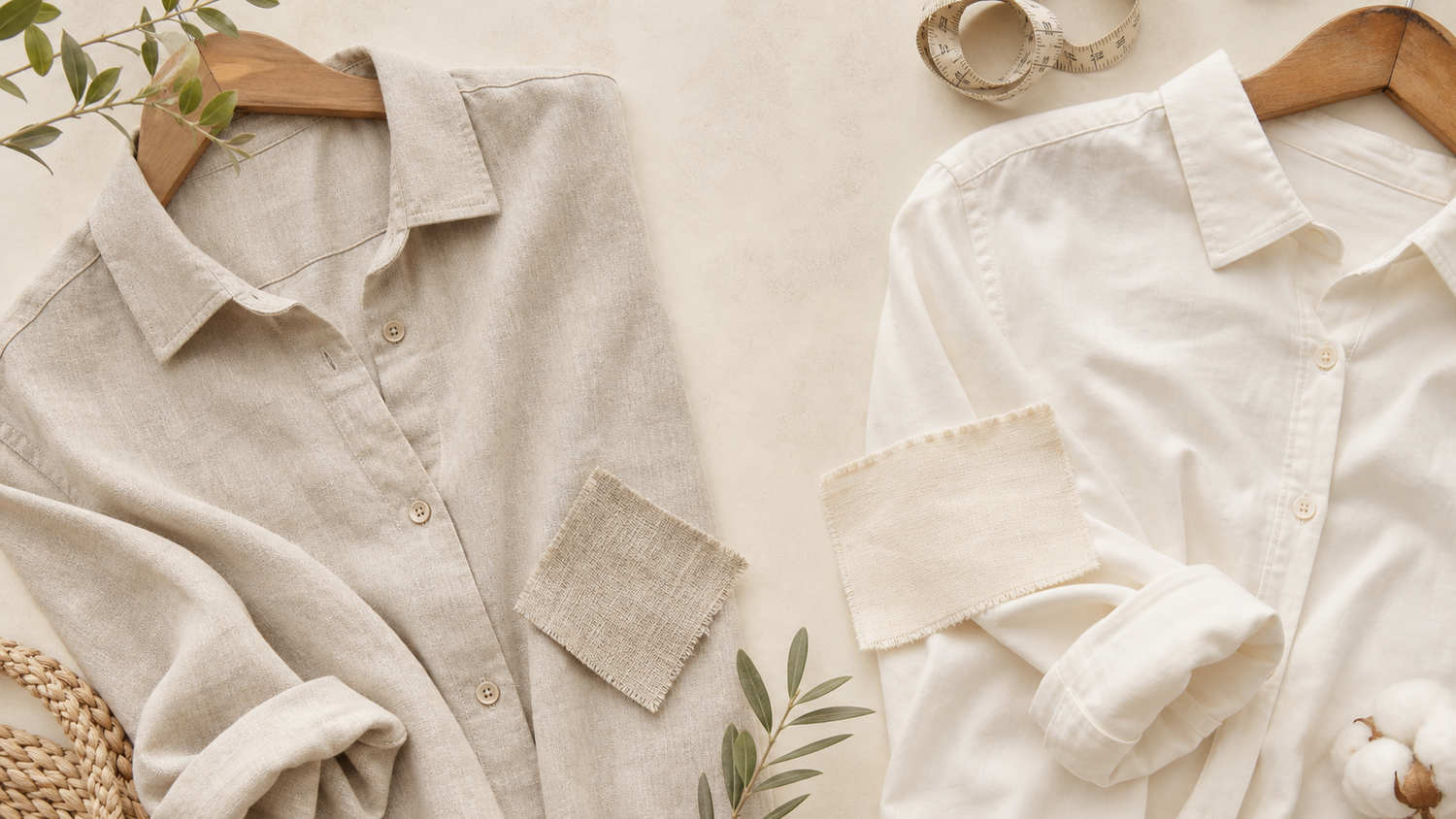
Linen, cotton or a blend?
Linen has a textured feel and a relaxed look; cotton is often smoother against the skin. Fabric weight, weave and fit matter too. These two different silhouettes let you explore cotton and a cotton-linen blend without treating them as the same garment.

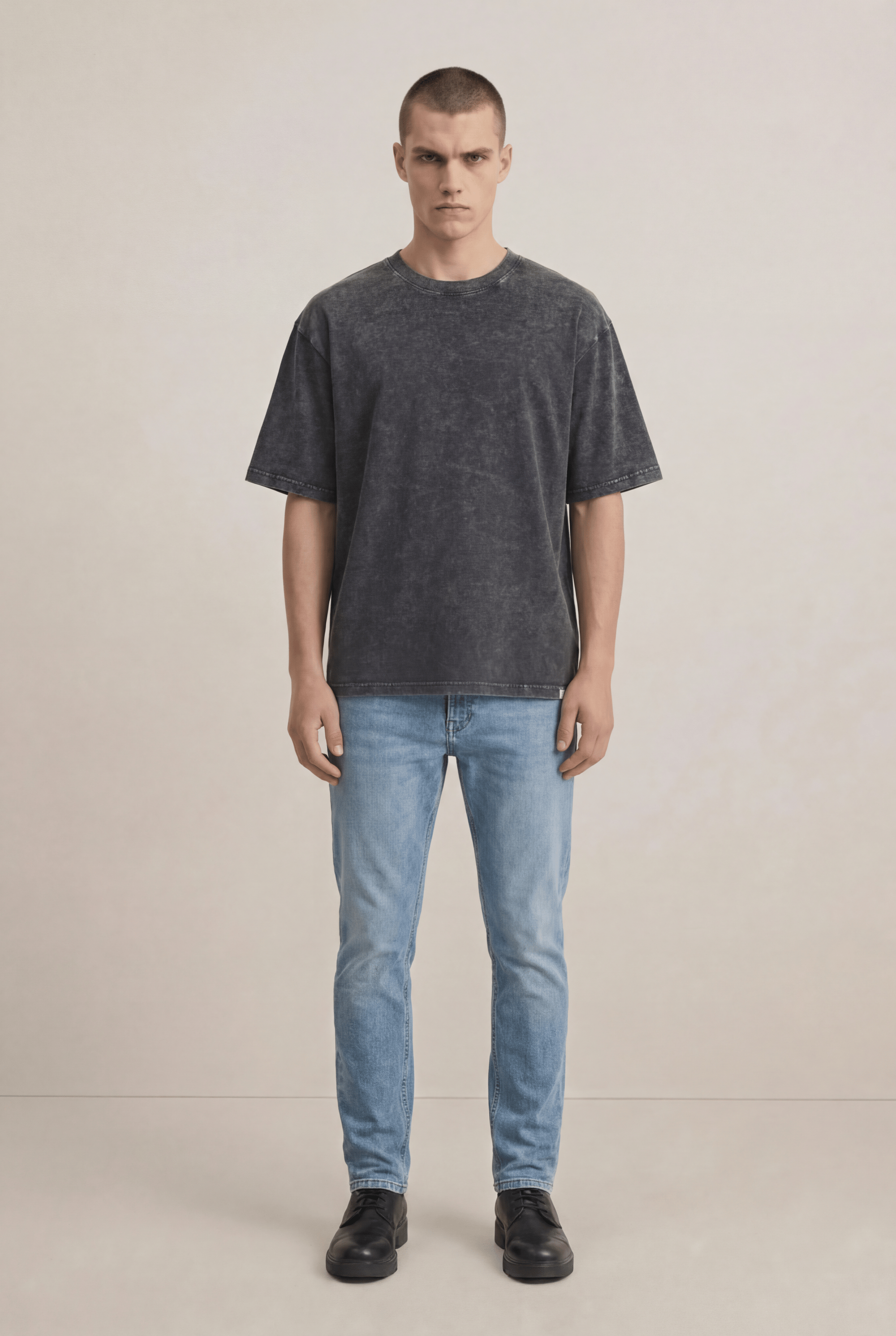
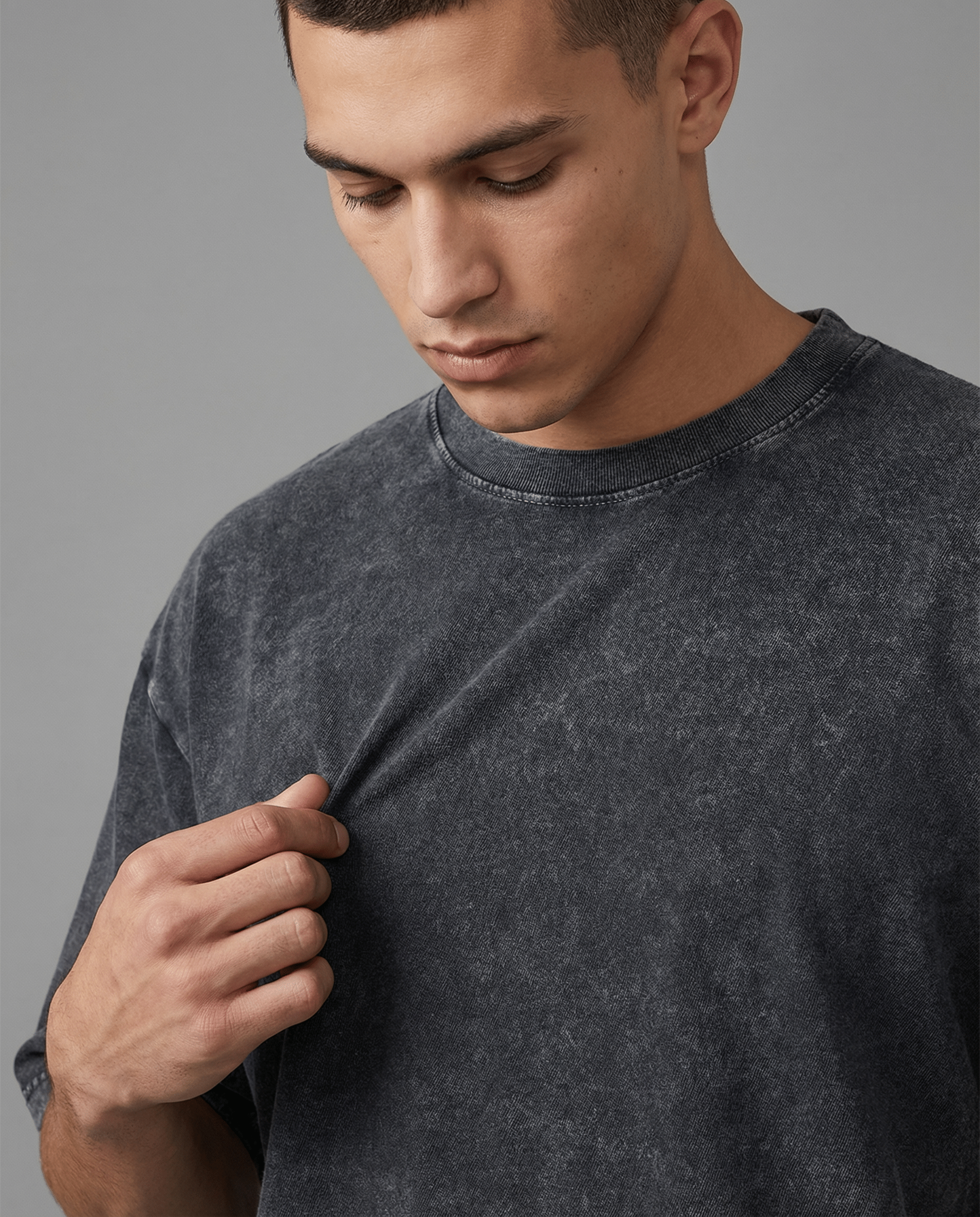
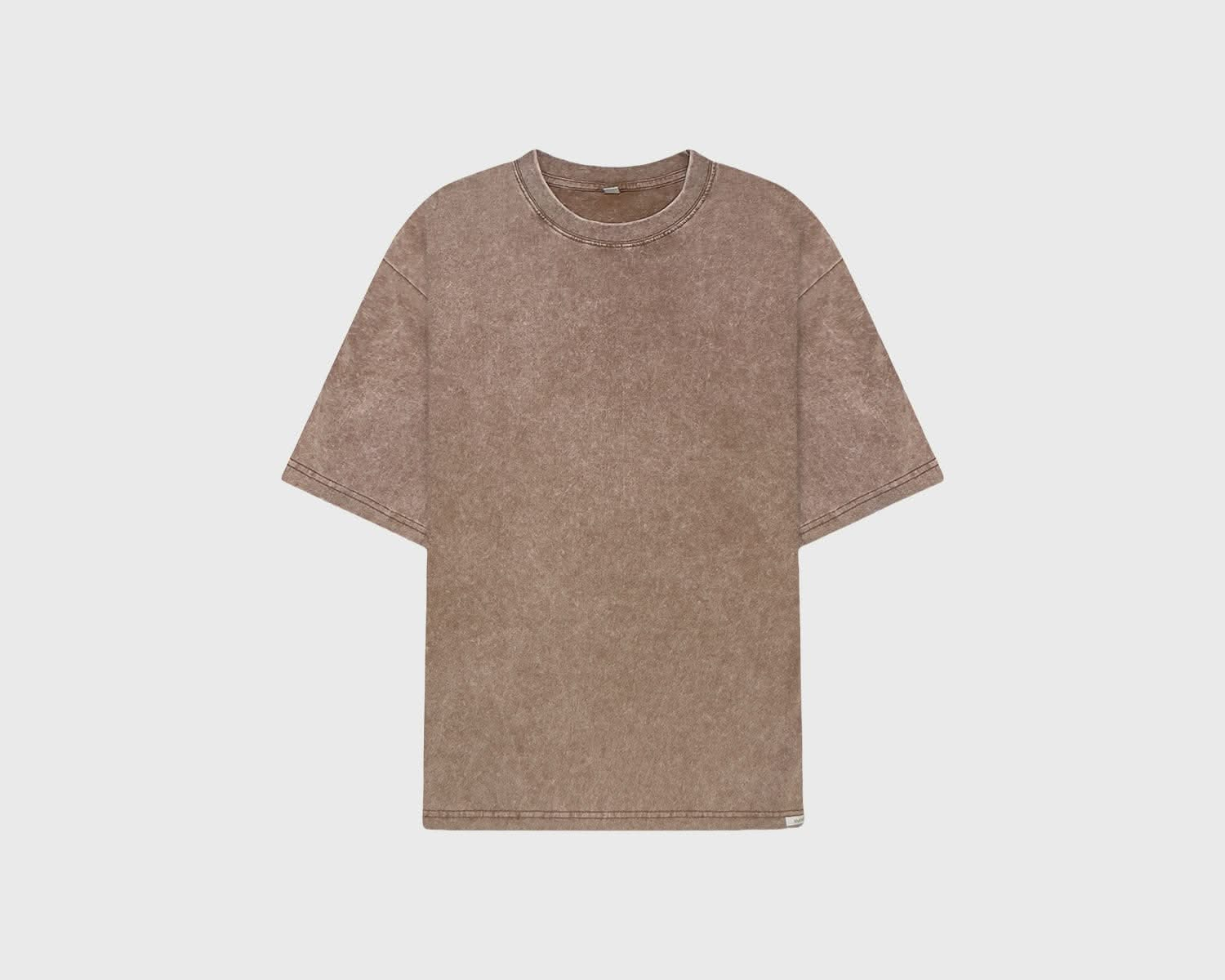
Men's cotton T-shirt
An everyday cotton tee for a simple base layer. Check the product page for the cut and size options.
Explore men's cotton t-shirt
Women's cotton-linen tank
A sleeveless cotton-linen blend with relaxed drape. Compare its shape with a tank you already enjoy wearing.
Explore women's cotton-linen tankExplore linen and linen-blend clothing · Browse cotton T-shirts
Canadian summer style rarely asks for just one thing. A shirt may need to feel easy on a humid afternoon, polished enough for a patio dinner, and comfortable again when the breeze returns at night. That is why the choice between linen and cotton matters more than it first appears.
Both fabrics have earned their place in a thoughtful wardrobe. Cotton is familiar, soft, and easy to live with. Linen feels airy, lightly structured, and relaxed in a way that suits warm weather especially well. But they do not behave the same on the body, and the better choice depends on what kind of summer day you are dressing for.
For IdyllVie, this is less about declaring one winner and more about helping you choose with intention. A good shirt should support real life: commuting, travelling, layering, washing, repeating, and wearing again next season. The best fabric is the one that matches your climate, your routine, and the amount of care you are actually willing to give it.
This guide compares linen and cotton shirts through the lens of Canadian summer. We will look at feel, airflow, wrinkle behaviour, care, styling, travel use, and what to buy first if you want fewer but better warm-weather pieces.
Why Linen and Cotton Feel So Different
Linen and cotton are both natural fibres, but their personalities are distinct.
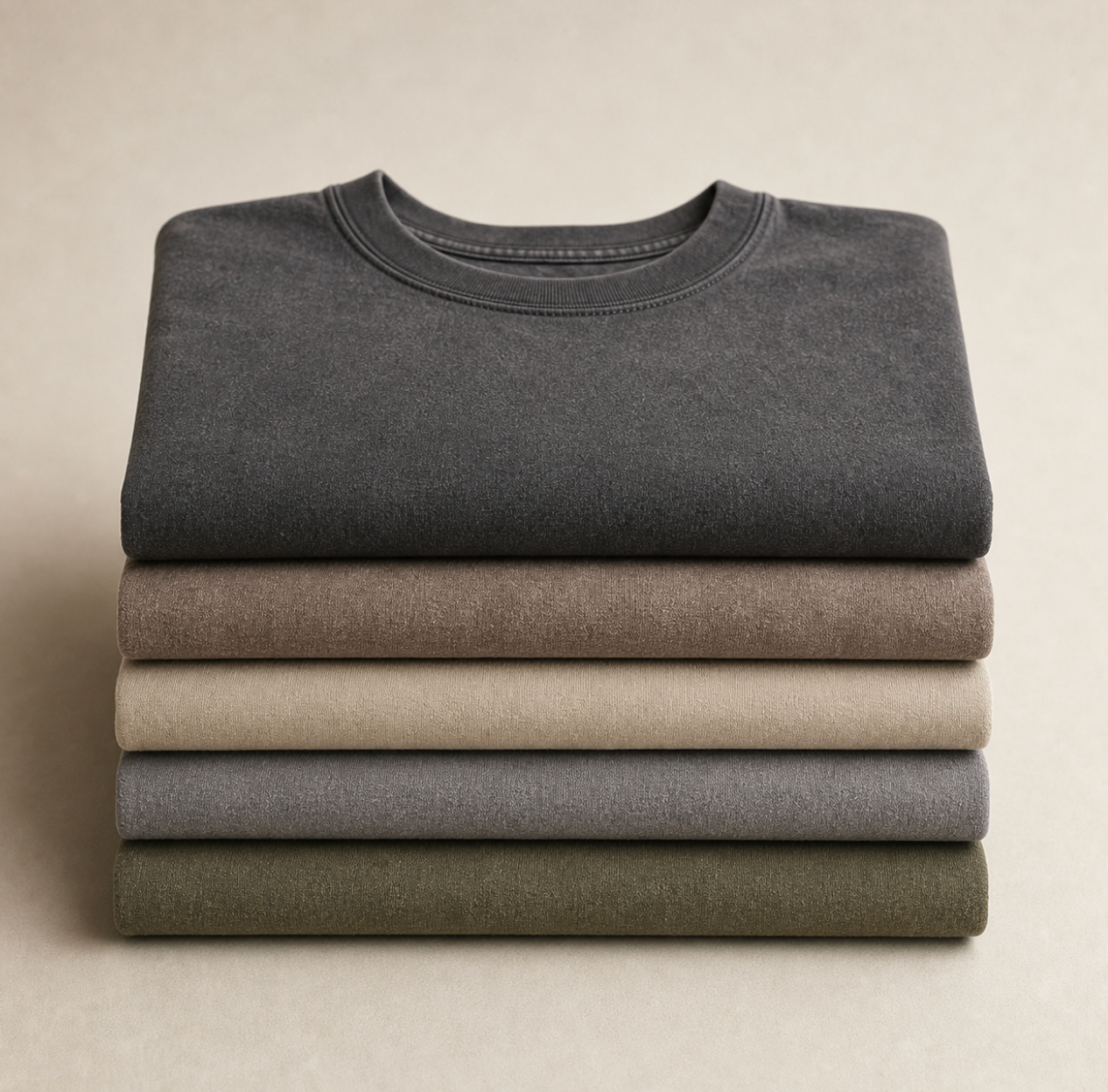
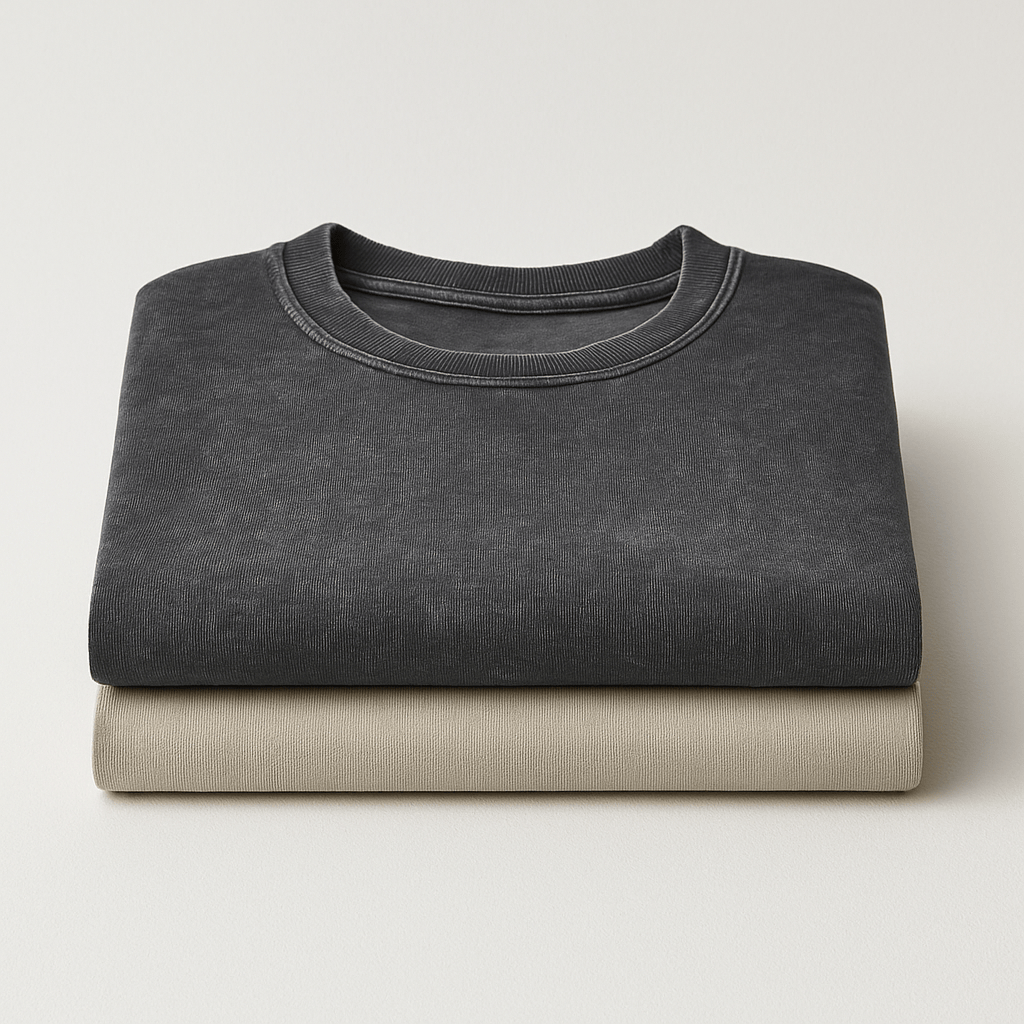
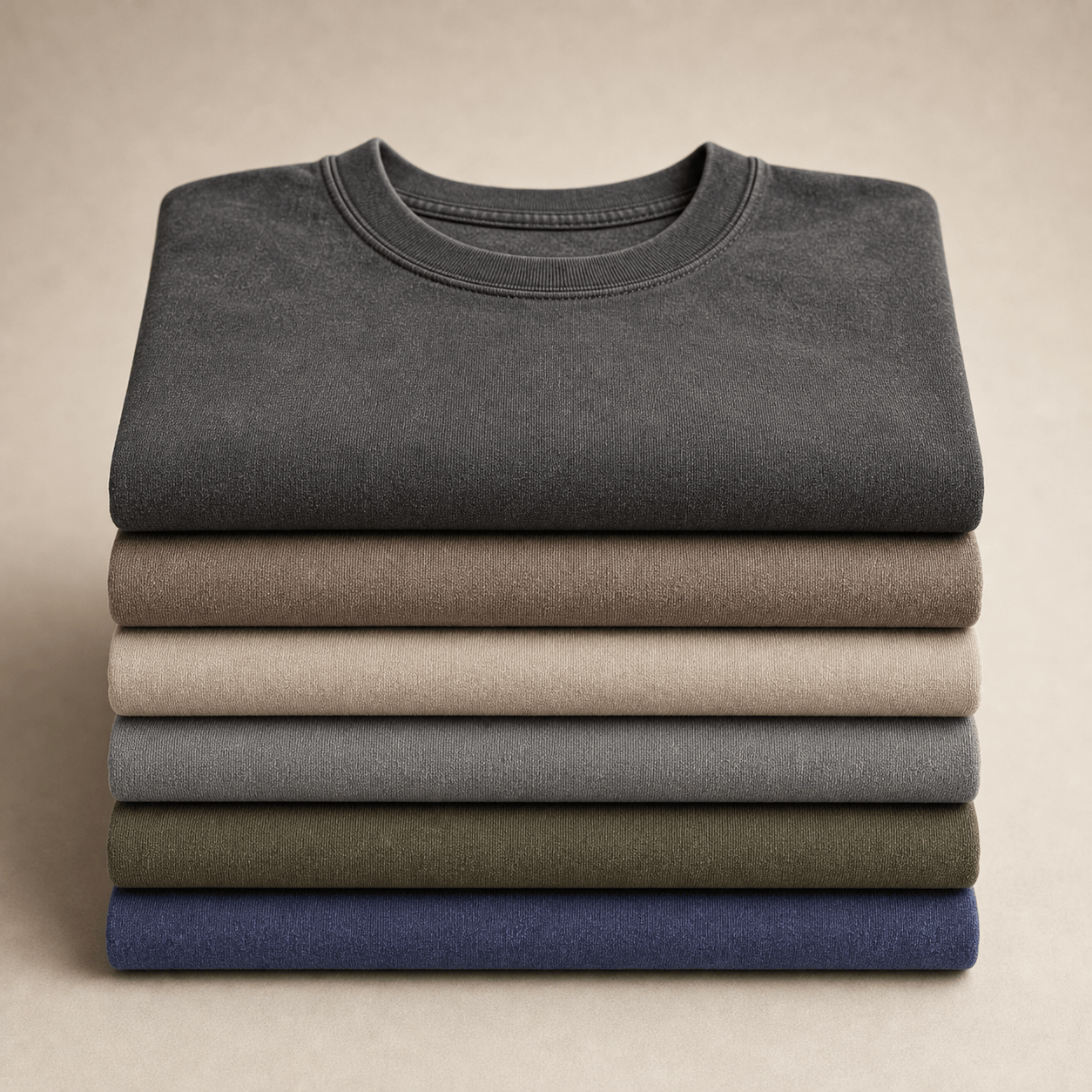
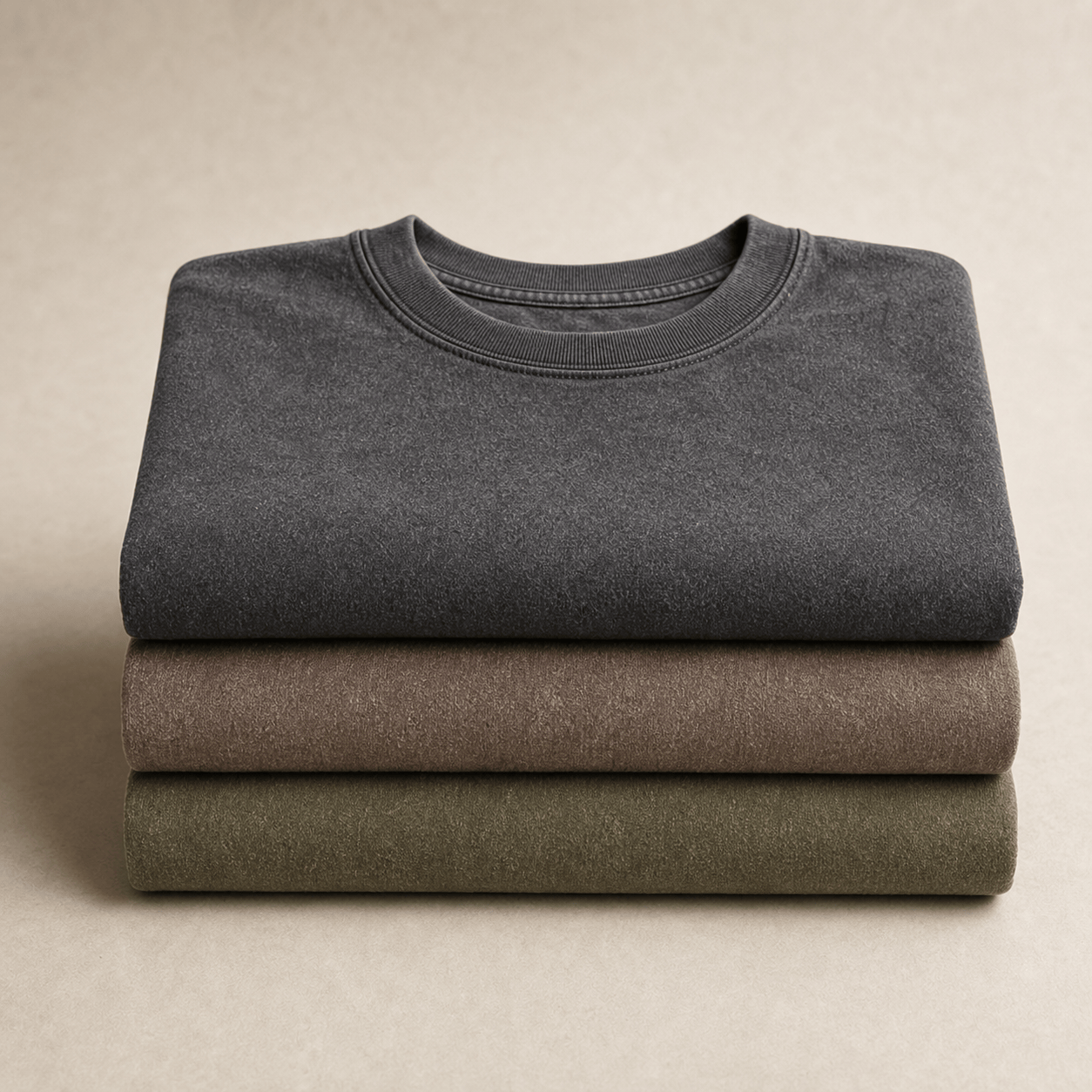
Cotton is usually chosen for softness and everyday comfort. It tends to feel smoother against the skin from the first wear, which is one reason it remains a staple for T-shirts, lightweight button-ups, and layering basics. IdyllVie’s premium cotton T-shirt line, for example, leans into that softness while adding details like pre-shrunk jersey construction and durable stitching for repeat wear.
Linen comes from flax fibre and usually feels cooler, drier, and more textured. According to Linen Lounge’s current linen guide, flax fibres are longer and stiffer than cotton fibres, which helps linen hold itself slightly away from the body and move moisture outward rather than trapping it close to the skin. That is a big reason linen shirts feel especially comfortable when the day turns hot or sticky.
Those structural differences show up in wear:
- cotton often feels softer right away
- linen often feels cooler and airier in heat
- cotton tends to look smoother and more familiar
- linen tends to look more relaxed and textural
Neither quality is automatically better. They simply solve different problems.
The Quick Answer: Which Feels Better?
If your first priority is softness, cotton usually feels better.
If your first priority is staying dry, airy, and unsticky in heat, linen usually feels better.
That is the short version. The fuller answer depends on how you define comfort. Some people want a shirt that feels smooth and broken-in from the moment they put it on. Others care more about whether the fabric clings in humidity, creases during travel, or dries quickly after washing.
In other words, “better” is not just a fabric question. It is a use-case question.
Linen vs Cotton Shirts at a Glance
| Category | Linen Shirts | Cotton Shirts |
|---|---|---|
| First-touch feel | Crisp, cool, textured | Soft, smooth, familiar |
| Hot-weather comfort | Excellent on humid or very warm days | Good, especially in lighter weights |
| Drape | Relaxed, lightly structured | Depends on weave; often softer and closer to the body |
| Wrinkles | Wrinkles easily and shows natural creasing | Can wrinkle too, but often looks neater longer |
| Drying speed | Usually dries faster and feels less clingy | Absorbent, but may stay damp longer |
| Ease of care | Simple, but benefits from gentler drying and steaming | Usually the easiest option for everyday washing |
| Travel look | Elegant if you accept texture | Better if you want a cleaner, lower-maintenance finish |
| Best for | Heat, humidity, breathable polish | Soft basics, layering, easy routine |
This is where most summer wardrobes land: linen for the hottest or most elevated warm-weather moments, cotton for the everyday foundation pieces you want to wear constantly.
When a Linen Shirt Feels Better
On Hot, Humid Days
Linen tends to win when the air feels heavy. Its airy structure and dry hand-feel help it stay more comfortable once temperatures rise and movement increases. The current IdyllVie short-sleeve linen shirt guide describes linen as a warm-weather essential precisely because it balances relaxed style with breathable comfort.
If you have ever worn a shirt that looked fine at breakfast but felt limp by lunch, you already understand linen’s advantage. It is not that cotton cannot work in heat. It can. But linen usually feels less sticky once sweat, humidity, and direct sun enter the picture.
When You Want Relaxed Polish
Linen has visual character. It catches light differently, shows texture more clearly, and carries a lived-in elegance that suits summer wardrobes especially well. A linen shirt with relaxed trousers, sandals, or denim does not need much else around it to feel intentional.
This is why linen works so well for cottage weekends, vacation dinners, city walks, and any setting where you want to look refined without looking overly styled.
For Layering Over Tanks and Tees
An open linen shirt is one of the easiest Canadian summer layers. It covers shoulders from sun, adds a little warmth at night, and still feels breathable enough for daytime wear. If you like a capsule wardrobe approach, linen earns its place quickly because it can move between shirt, overshirt, and light jacket.
When a Cotton Shirt Feels Better
When Softness Comes First
Cotton is usually the better answer if you want the fabric to feel gentle from the first wear. That matters for close-fitting shirts, travel basics, sleepwear-adjacent comfort, or days when you simply want to feel at ease rather than styled.
IdyllVie’s premium cotton T-shirt product pages emphasize pre-shrunk jersey, softness, and comfort-driven construction for good reason. A well-made cotton shirt is easy to reach for repeatedly because it asks very little of you.
When You Want a Cleaner, Lower-Maintenance Look
Linen’s wrinkles are part of its charm, but not everyone wants that look every day. Cotton is often easier if you prefer shirts that feel neat with less fuss. It can still wrinkle, especially in lightweight weaves, yet it often reads smoother and more conventional after a long day.
That makes cotton useful for commuting, casual office dressing, or frequent packing when you do not want to think about steaming or reshaping a garment after unpacking.
When Your Wardrobe Depends on Basics
Cotton is usually the first fabric to buy when building the foundation of a wardrobe. T-shirts, knit tops, classic casual shirts, and easy layering pieces often perform best in cotton because they need to wash well, layer well, and disappear into daily life.
If linen is the statement of summer ease, cotton is the quiet utility player.
Fabric Weight and Weave Matter More Than Most Shoppers Think
It is easy to compare “linen” and “cotton” as if each fabric behaves only one way. In practice, weight and weave can change the experience dramatically.
A lightweight cotton poplin shirt will feel very different from a heavyweight cotton jersey tee. A loosely woven linen shirt will feel different from a denser washed-linen button-up. That means fabric choice should not stop at the fibre label.
Before buying, ask:
- Is the shirt light enough for the season I want it for?
- Does the weave look breathable or dense?
- Will the fabric sit away from the body or collapse against it?
- Can I wear it alone, or is it mainly a layering piece?
- Does the care routine match how I actually live?
For Canadian summer, lightweight to midweight fabrics are often the sweet spot. They give you enough coverage to feel dressed, but not so much density that the shirt becomes tiring by mid-afternoon.
What About Blends?
Blends are worth considering, especially if you like linen’s look but want a softer or easier everyday experience.
Cotton-linen blends vary in composition and weave. Check the listed fibres and care instructions on the exact garment: the fabric name alone does not tell you how much it will wrinkle or how it will drape.
A cotton-linen blend often makes sense if:
- you like texture but want a gentler first touch
- you want a shirt that layers well under jackets
- you prefer less severe wrinkling than pure linen
- you want a fabric that still feels summery without becoming too crisp
For many people, a blend is the practical middle ground rather than a compromise.
Care: Which One Is Easier to Live With?
Cotton is usually easier.
That does not mean linen is difficult. It means cotton typically fits a lower-maintenance routine better. The Canadian Conservation Institute notes that cotton is very absorbent and prone to wrinkling and shrinkage, which is why hot washing and aggressive drying are still worth avoiding. But in everyday wardrobes, cotton generally tolerates routine laundering with less anxiety than linen.
Linen also washes well, but it benefits from a gentler approach. Current care guidance from linen-focused sources and IdyllVie’s own linen and cotton-linen products consistently points toward cold or cool washing, gentle cycles, and lower-heat drying or air drying when possible. That helps preserve shape, colour, and drape.
Here is the practical version:
- choose cotton if you want the easiest repeat-care shirt
- choose linen if you are comfortable air drying, steaming, or embracing texture
- choose a blend if you want balance
Which Fabric Works Better for Travel?
This depends on the kind of travel.
For hot destinations, cabin packing, and outfits that move from daytime wandering to dinner, linen can be excellent because it feels light and breathable. It also layers well over tanks or tees. The tradeoff is appearance: once folded into a bag, linen will show that journey.
Cotton is often better if you want a shirt that looks calmer straight out of a weekender. It may not feel quite as breezy in peak humidity, but it is easier to fold, easier to rewear in casual settings, and easier to pair with the rest of a practical travel capsule.
If you want only one answer for travel, bring both:
- a cotton shirt or tee for transit, layering, and easy repeat wear
- a linen shirt for the hottest hours and the outfits where texture adds something
A Simple Decision Checklist
Choose a linen shirt first if:
- you run hot in summer
- you want an airy layer for patios, cottages, or holidays
- you like natural texture and relaxed elegance
- you do not mind visible creasing
Choose a cotton shirt first if:
- softness is your top priority
- you want easy washing and easy repeat wear
- your wardrobe relies on polished basics
- you prefer a smoother, more conventional finish
Choose a cotton-linen blend if:
- you want some airflow and some softness
- you like a summer look without full linen crispness
- you need versatility more than purity
FAQ
Is linen cooler than cotton in summer?
Usually, yes. Linen generally feels cooler and drier in hot weather because its fibre structure helps it sit away from the body and move moisture outward more quickly.
Is cotton more comfortable than linen?
It can be, especially if you define comfort as softness. Cotton often feels smoother and gentler from the first wear, while linen can feel crisper at first and soften over time.
Do linen shirts always wrinkle more than cotton shirts?
Yes, in most everyday situations linen shows creasing more clearly. That is normal and part of the fabric’s visual character.
Are cotton shirts better for everyday use?
For many wardrobes, yes. Cotton shirts are often easier to wash, easier to layer, and easier to wear repeatedly without extra care.
Is a linen-cotton blend a good compromise?
Often, yes. A blend can combine some of linen’s breathability and texture with some of cotton’s softness and ease.
Which shirt is better for travel in Canada?
For easy packing and repeat wear, cotton is usually simpler. For hot afternoons and relaxed summer styling, linen can feel better. A two-shirt mix works best for many travellers.
What should I buy first if I only want one warm-weather shirt?
If you already own plenty of soft basics, buy linen first. If you are still building your wardrobe foundation, buy cotton first.
The Better Summer Shirt Is the One You Will Actually Wear
Linen and cotton are not rivals so much as specialists. Linen shines when you want coolness, lightness, and that unmistakable summer texture. Cotton shines when you want softness, routine ease, and a shirt that settles quietly into everyday life.
For most Canadian wardrobes, the smartest answer is not choosing one forever. It is knowing which one belongs where. Reach for cotton when comfort and simplicity are the priority. Reach for linen when heat, airflow, and relaxed polish matter more. And if you want the bridge between them, explore a thoughtful blend.
That is the IdyllVie way of building a better wardrobe: fewer guesses, better materials, and pieces that make sense in real weather, not just ideal photos.












0 comments