
You’re probably standing in front of a full closet that still feels oddly empty. Hangers are crowded, drawers won’t close, and yet getting dressed takes longer than it should. The problem usually isn’t that you need more clothes. It’s that too many pieces don’t work together, don’t suit your life, or don’t hold up through a Canadian year.
That’s where a capsule wardrobe earns its keep. Not as a strict fashion challenge, and not as a personality-free uniform, but as a practical system. You keep fewer pieces, choose them better, and wear them harder. You stop buying for a fantasy life and start dressing for your real one.
That shift is bigger than one tidy wardrobe. The global capsule wardrobe market was valued at USD 1.3 billion in 2023 and is projected to reach USD 2.6 billion by 2030, growing at a CAGR of 10.5%. In Canada, the movement is amplified by a strong minimalism culture, with 65% of young consumers aiming to adopt sustainable practices to help counter 500,000 tonnes of annual apparel waste. That tells you something important. People are tired of disposable clothing and the mental clutter that comes with it.
The most successful wardrobes I’ve seen all follow the same principle. Buy fewer, better things. Choose fabric with substance. Choose silhouettes you’ll still want in a year. Choose layers that can move from damp spring mornings to bitter winter afternoons without feeling flimsy or fussy.
The End of a Cluttered Closet
A cluttered closet creates two kinds of waste. One is obvious. Unworn clothing, duplicate basics, trend pieces with a short shelf life. The other is quieter. Time lost every morning, money spent replacing poor quality staples, and the low-grade frustration of never feeling properly dressed.
A capsule wardrobe fixes that by narrowing your choices to the pieces that serve you. Good trousers, reliable knitwear, substantial tees, one or two outer layers that pull everything together. When every item earns its place, the closet starts working like a well-edited toolkit instead of a storage unit.
A capsule wardrobe should feel lighter, not stricter. If it feels punishing, the edit has gone too far or the pieces are wrong.
In Canada, this approach makes particular sense. We dress across real seasonal extremes, and fast fashion rarely survives them gracefully. Thin fabrics lose shape, cheap knits pill, and impulse buys get exposed quickly once weather demands function. A better wardrobe starts with accepting that durability matters as much as style.
What changes when you edit properly
A strong capsule wardrobe gives you:
- Clarity in the morning because most pieces coordinate without effort
- Better outfit repeatability because fit, fabric, and colour are working together
- Less shopping noise because you can spot a genuine gap instead of chasing novelty
- A lower-waste wardrobe because you’re wearing what you own, not storing it
This is also why the IdyllVie philosophy resonates with capsule dressers. The point isn’t deprivation. It’s restraint with taste. Heavyweight cotton, merino, linen, and well-made outerwear aren’t exciting in the flashy sense. They’re exciting because they keep proving useful.
Define Your Personal Style and Needs
Before you pull one jumper off a hanger, define the life your wardrobe needs to support. Most capsule mistakes happen here. People edit clothes before they’ve edited their expectations.

Start with your real week
Write down the settings you dress for. Work from home. Office. School runs. Client meetings. Weekends outside. Dinner out. Travel. Then note what each setting asks of your clothing.
If your days are mostly casual, your wardrobe doesn’t need five polished blouses and heels that never leave the shelf. If your job requires structure, soft lounge pieces can’t dominate your rail. This sounds obvious, but many wardrobes are built around occasional selves.
Use prompts that force honesty:
- What do you wear most often when you feel put together
- Which shoes do you reach for first
- What fabrics do you avoid because they itch, cling, wrinkle, or overheat
- Which outfits do you repeat without thinking
- What weather problems do your clothes need to solve
Build a palette that behaves
Colour cohesion is where a capsule wardrobe starts to look intentional. It also prevents expensive mistakes. Simulations show that capsules limited to 5 neutral colours and 2 accent shades achieve 95% mix-and-match success, and poor colour cohesion leads to a 49% purchase regret rate.
That doesn’t mean your wardrobe has to be beige and silent. It means your colours need to relate to one another.
A practical formula looks like this:
| Palette role | What to choose |
|---|---|
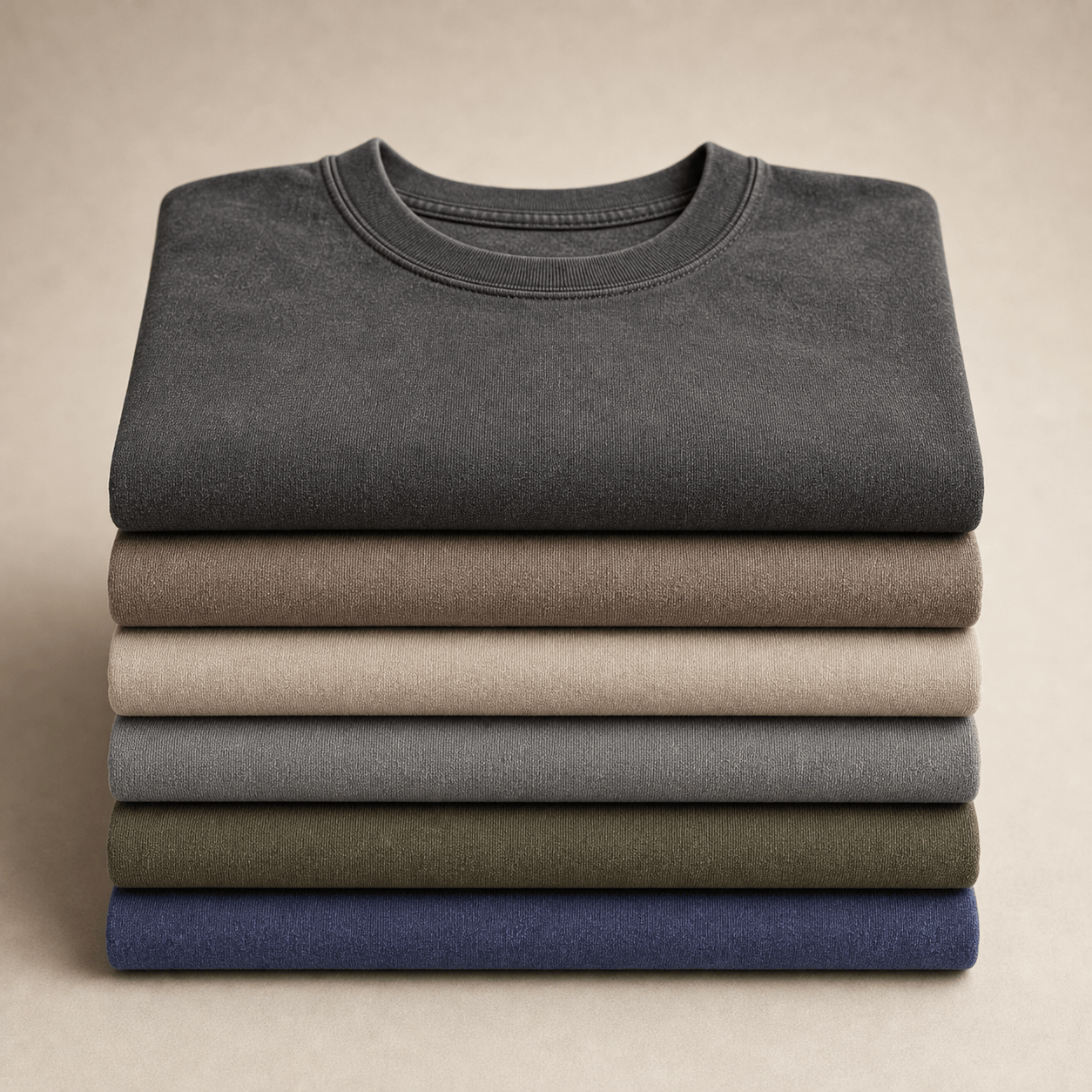
| Core neutrals | black, cream, navy, charcoal, taupe |
| Secondary neutral | olive, camel, soft denim blue |
| Accent shades | rust, forest green, burgundy, muted blue |
If you already own favourites you wear constantly, use them as evidence. Your wardrobe is telling you what belongs in it.
Practical rule: If a new piece only works with one other item you own, it’s probably not a capsule piece.
Write a short style blueprint
Keep it plain. Three lines is enough.
For example:
- Silhouette soft structure, straight lines, relaxed but polished
- Colours navy, cream, charcoal, olive, with muted rust accents
- Priorities washable, layerable, works for city errands, work calls, and winter transit
That blueprint should guide every later decision, from closet editing to shopping. If you want a thoughtful mindset for that process, IdyllVie’s guide to mindful living and sustainable style is useful reading before you start buying anything.
Conduct a Ruthless Closet Audit
The audit is where the fantasy wardrobe meets reality. It needs a bit of firmness. Sentimental maybes are what keep closets crowded.

Household surveys show Canadians own over 150 garments on average but wear only 20% regularly. A successful audit can purge 40-60% of a closet, and participants in studies who did so showed an 85% adherence rate to their new capsule after six months. That should reassure you that a serious edit isn’t extreme. It’s often the first realistic step.
Use three piles, not ten
Keep the system simple:
- Love it. Fits now, feels good, suits your blueprint, and you reach for it often.
- Maybe. Useful, but not clearly right. Store these out of sight for a trial period.
- Donate or sell. Wrong fit, wrong fabric, wrong life stage, too damaged, or too awkward to style.
The key is speed. If you debate every item, you’ll protect clutter instead of exposing it.
Judge each piece by function
Ask sharp questions, not emotional ones.
- Fit. Does it sit properly on your shoulders, waist, and hips, or do you spend the day adjusting it?
- Comfort. Can you wear it for hours, or are you counting the minutes until you change?
- Condition. Is it stretched, pilled, faded, or tired-looking?
- Versatility. Can it work with several pieces already in your likely capsule?
- Relevance. Does it belong to your current life, or only to an old routine?
A common trap is keeping “almost right” clothes. Almost flattering. Almost practical. Almost your colour. Those are exactly the items that create decision fatigue.
For a visual reset, this walkthrough is a useful companion while you sort:
What usually stays and what usually goes
In most successful audits, the keep pile has substance. Good denim. Dense cotton tees. A knit that still holds shape. One coat that always works. Sensible shoes with a clean line.
The exit pile tends to include:
- Impulse trend buys that only made sense on a product page
- Poor fabrics that twist, cling, or wear out quickly
- Occasion-only pieces masquerading as everyday clothes
- Duplicates bought in panic because the first version was useful
If you haven’t worn something because it needs “the right mood”, “the right weather”, and “the right shoes”, it usually isn’t pulling its weight.
Don’t try to perfect the capsule in one afternoon. Edit hard, then live with the results. The missing pieces become obvious once the noise is gone.
Choose Your Core Versatile Pieces
A capsule wardrobe gets easier when you stop thinking in terms of endless options and start thinking in modules. A small set of tops, bottoms, layers, and shoes should combine cleanly. If the pieces are right, outfits multiply without effort.
One formula I return to is simple: 3 tops, 2 bottoms, 1 outer layer, 1 pair of shoes. That’s enough to build multiple combinations while keeping the wardrobe focused. Expand from there only when a clear need appears.
Start with fabrics that can handle real wear
If you want a capsule wardrobe that lasts, fabric selection matters more than trend awareness. Lightweight, flimsy materials often look tired before a season is over.
Prioritise:
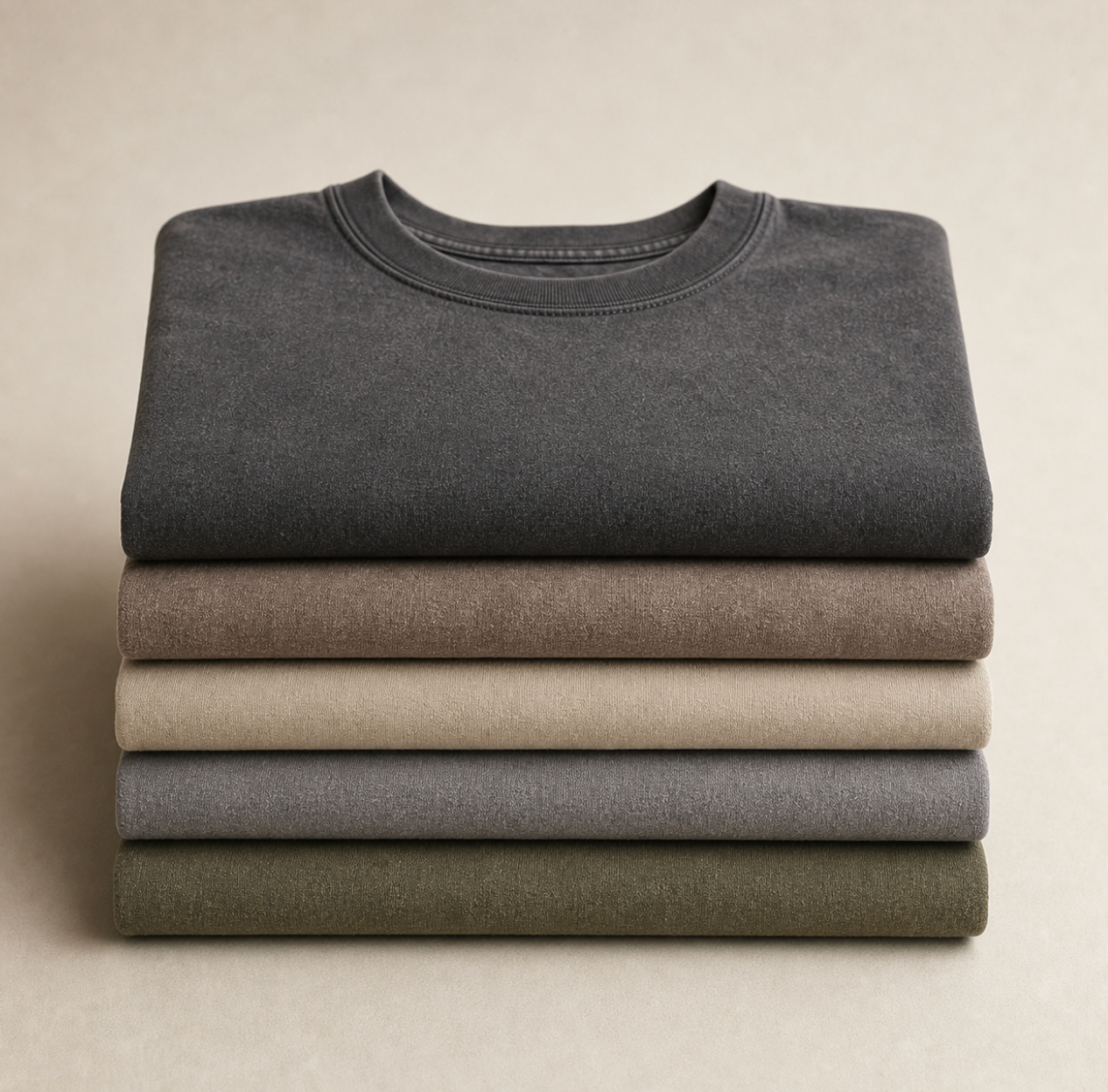
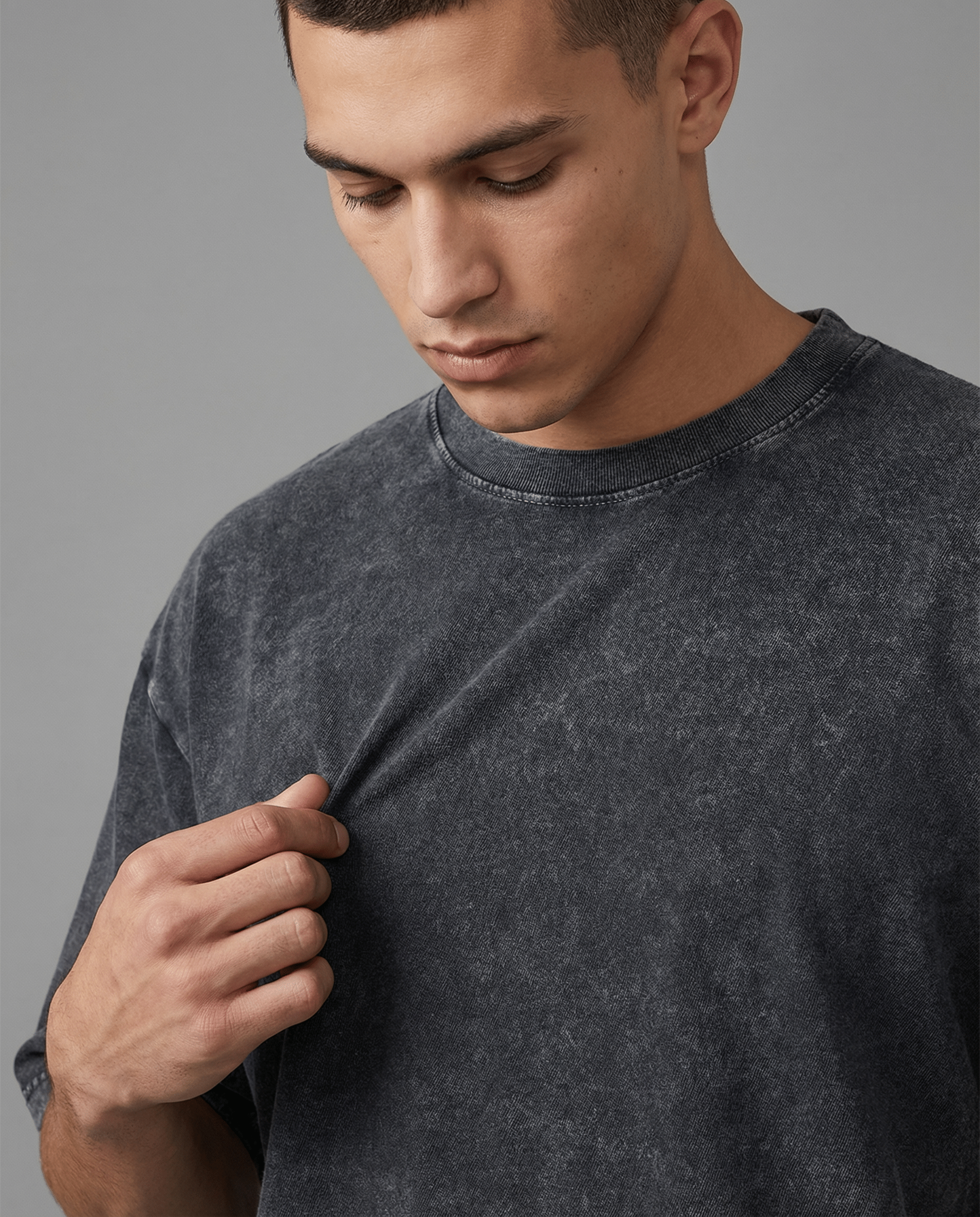
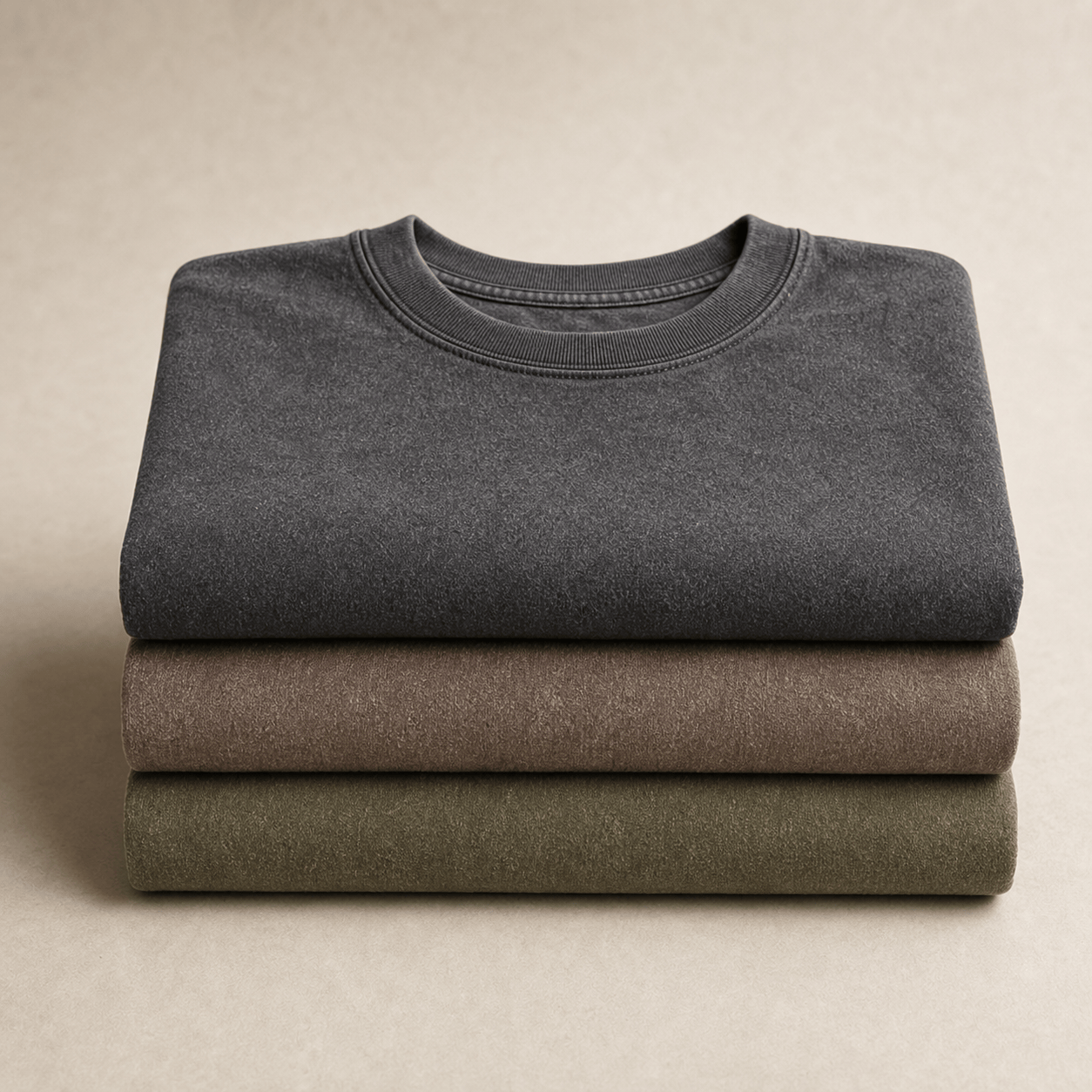
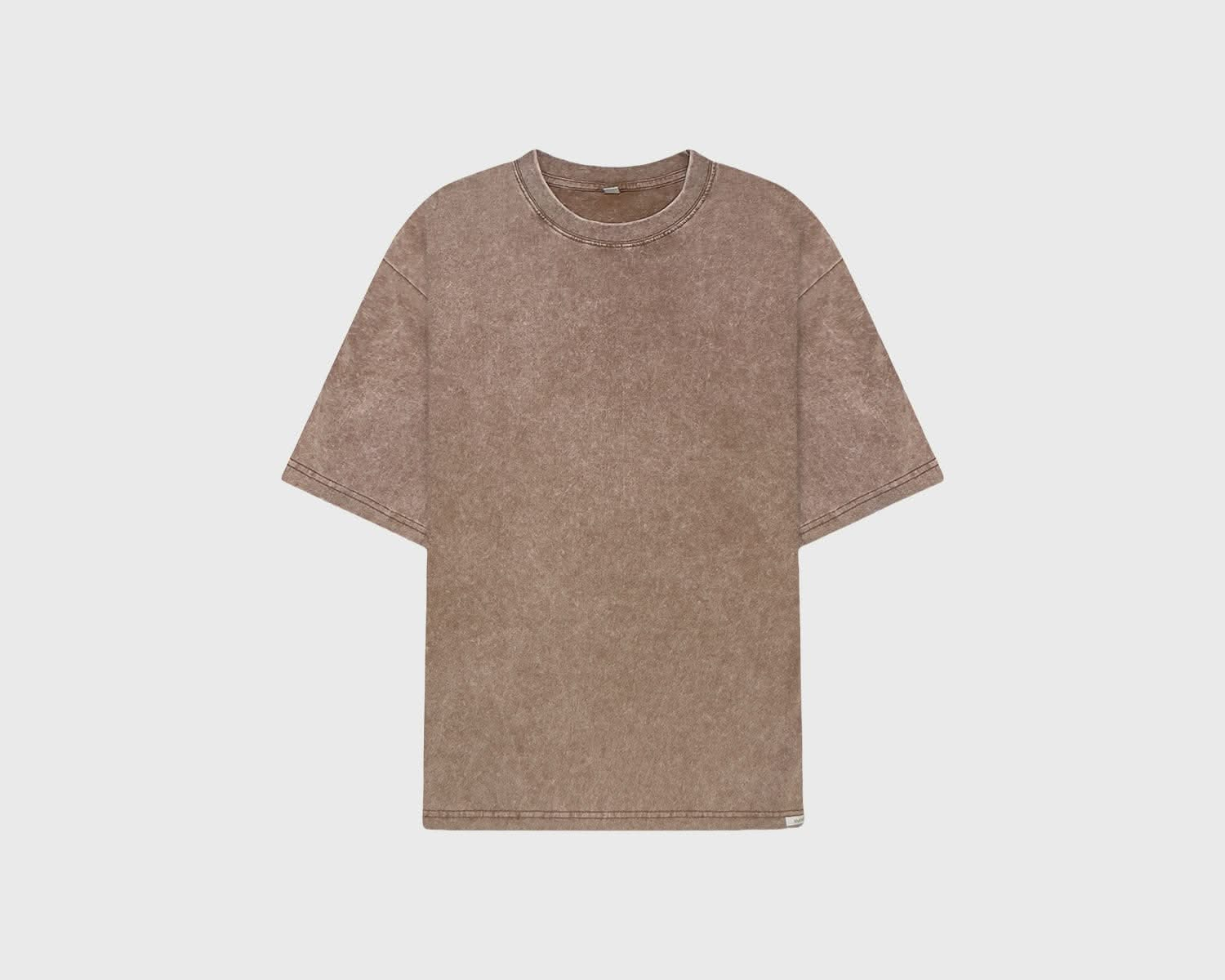
- Heavyweight organic cotton for tees and long-sleeves that hold shape
- Merino wool for knitwear and base layers because it regulates temperature well
- Linen for warm-weather shirts and trousers that breathe properly
- Structured cotton twill or wool blends for outer layers that can handle repeat wear
These fabrics support repetition. That’s the whole point. A capsule only works when you’re happy to wear the same pieces often.
Build from the ground up
Instead of shopping by category in the abstract, build around the pieces that anchor outfits.
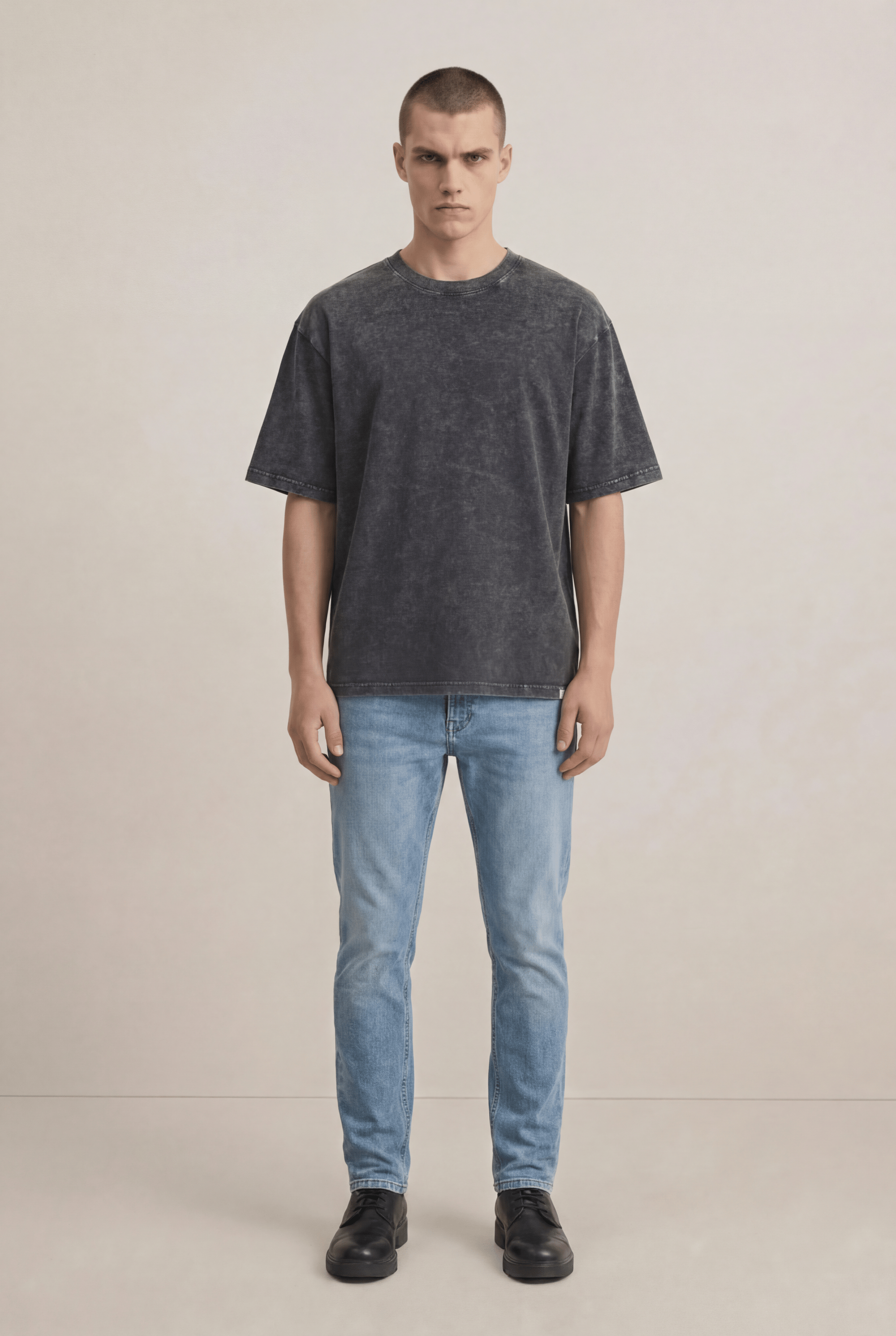
Bottoms first Choose the trousers or jeans you’d wear three times a week without complaint. Straight-leg denim, well-fitting trousers, or relaxed wool trousers do more work than fussy statement bottoms.
Then tops
Add tees, button-downs, or knit layers that all work with those bottoms. If a top needs one specific trouser and one specific shoe, it doesn’t belong in the core capsule.
Outerwear after that
You need fewer layers than you think, but they need range. A refined jacket, a coat with room for knitwear underneath, or a clean overshirt can carry a remarkable amount of the wardrobe.
Shoes last
Shoes should close the loop. They don’t need to be numerous. They need to make sense with most outfits.
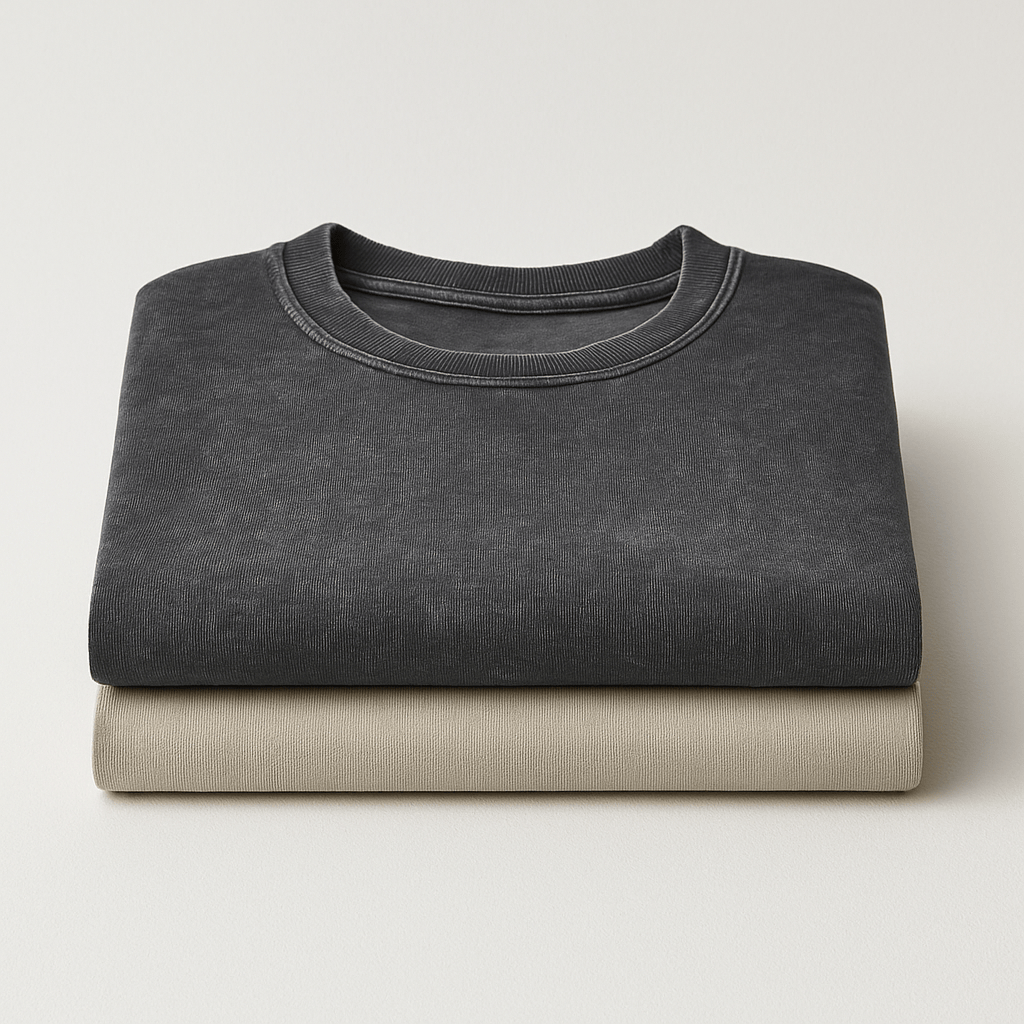
One practical example of a staple in this category is a black crew neck sweater in a classic shape. It works because it can layer over shirting, sit cleanly with denim or wool trousers, and stay relevant across seasons.
Sample 33-Piece All-Season Capsule Wardrobe Checklist
| Category | Item | Quantity |
|---|---|---|
| Tops | Heavyweight tees | 4 |
| Tops | Button-down shirts | 2 |
| Tops | Fine knit or merino pullovers | 3 |
| Tops | Tanks or layering tops | 2 |
| Bottoms | Jeans | 2 |
| Bottoms | Tailored trousers | 2 |
| Bottoms | Casual trousers or relaxed pants | 2 |
| Bottoms | Seasonal skirt or shorts | 2 |
| Layers | Cardigan or knit jacket | 2 |
| Layers | Lightweight jacket or overshirt | 1 |
| Outerwear | Wool coat or insulated coat | 1 |
| Outerwear | Waterproof shell or trench | 1 |
| Dresses or one-piece options | Dress or jumpsuit | 2 |
| Shoes | Everyday trainers | 1 |
| Shoes | Boots | 1 |
| Shoes | Loafers, flats, or sandals | 2 |
| Accessories | Belt | 1 |
| Accessories | Scarf | 1 |
| Accessories | Everyday bag | 1 |
| Accessories | Hat or gloves set | 1 |
That list isn’t a rulebook. It’s a working draft. A teacher in Halifax, a designer in Toronto, and someone working mostly from home in Calgary won’t all need the same balance.
What works and what doesn’t
| Choice | Usually works | Usually fails |
|---|---|---|
| Colour | cohesive neutrals with a couple of accents | random prints and isolated statement shades |
| Fit | comfortable structure you can wear often | pieces that only work on “good body days” |
| Fabric | substantial fibres that improve with wear | thin synthetics that lose shape fast |
| Shopping logic | filling real gaps after testing your wardrobe | buying “capsule staples” because a list told you to |
A good capsule wardrobe doesn’t ask every piece to be exciting. It asks every piece to be useful, flattering, and durable.
Master Seasonal Rotations and Layering for Canada
Rigid capsule rules fall apart quickly in Canada. A wardrobe that works in one static climate won’t carry you from slush season to a humid July and then into a hard January. That’s why I don’t recommend a single frozen set of clothes all year.
I recommend a core capsule plus climate kits.

A 2025 Statistics Canada report shows Canadians allocate 12% more to seasonal apparel than the U.S. average, yet 68% report clutter from poor seasonal transitions. The same analysis notes that a modular climate-kit approach with layerable pieces addresses this gap. That rings true. Most wardrobe clutter isn’t caused by lack of discipline. It’s caused by poor transitions between seasons.
Keep a stable core
Your core should stay in play most of the year:
- Neutral tees and long-sleeves
- Reliable trousers and denim
- A couple of knit layers
- Shoes that work across more than one season
- A bag and accessories that don’t feel seasonal
These are your constants. They create continuity, so you don’t feel like a different person every three months.
Rotate small seasonal kits
Then add a limited set of weather-specific pieces.
Spring kit
Light knitwear, a water-resistant layer, footwear that can handle wet pavements, and transitional scarves.
Summer kit
Linen shirts, breathable trousers or shorts, lighter dresses if you wear them, and open footwear where your lifestyle allows.
Autumn kit
Heavier knits, structured jackets, weather-ready boots, and denser trousers.
Winter kit
Thermal layers, substantial wool, insulated outerwear, gloves, hats, and footwear with real grip.
The smartest Canadian wardrobes don’t own everything all at once in active rotation. They store well, rotate cleanly, and keep only the current season visible.
Store with intention
When the season changes, don’t shove things into bins at random. Clean pieces before storing them. Fold knits instead of hanging them. Keep off-season shoes stuffed and protected. Label boxes by category, not vague terms like “winter stuff”.
A capsule wardrobe is only calm when retrieval is easy. If your autumn layers vanish into a garage abyss, you’ll buy duplicates.
Why layering beats strict numbers
A fixed item count can be useful at the beginning, but layering is what makes a wardrobe resilient. A merino base under a cotton shirt and a wool coat can take one outfit far further than three separate “winter-only” outfits ever will. That’s why climate kits outperform strict minimalist challenges in real Canadian life. They respect weather, not ideology.
Adopt a Mindful Shopping and Care Strategy
A capsule wardrobe doesn’t stay strong by accident. It stays strong because you buy carefully and care for what you own as if it matters.
That starts with shopping less often. Not never. Just less reactively.
Shop from a list, not a mood
Keep an ongoing wishlist on your phone or in a notes app. When you spot a gap, write it down instead of buying immediately. Over time, patterns emerge. You might notice you don’t need another jumper at all. You need a better rain layer, or trousers in a fabric that works for transit and office days.
Use a short filter before any purchase:
- Does it solve a real wardrobe problem
- Can it work with several existing pieces
- Will I wear it in the next few weeks
- Is the fabric and construction good enough for repeat wear
- Am I replacing something, or just chasing novelty
One helpful resource for evaluating fibres and lower-impact production is IdyllVie’s article on sustainable clothing in Canada.
Think in cost per wear
Cheap clothing often becomes expensive when it warps, pills, or loses shape early. A more durable piece can justify a higher upfront price because it gets worn repeatedly and still looks good.
That’s the logic behind “buy fewer, better things”. Not luxury for its own sake. Utility with staying power.
Care is part of the capsule
If you want your wardrobe to last, maintenance can’t be an afterthought.
| Garment type | Better habit |
|---|---|
| Knitwear | fold instead of hang, wash gently, de-pill when needed |
| Cotton tees | wash cool, avoid over-drying, reshape while damp |
| Outerwear | air out between wears, spot clean first, store with structure |
| Shoes | rotate them, dry fully, and maintain soles before they’re worn through |
Good clothes last longer when you give them rest. Repeating pieces is smart. Grinding them into the floor isn’t.
Learn basic repairs. Sew a button. Fix a loose hem. Use a fabric shaver on knitwear. These small habits extend the life of a wardrobe more than is often acknowledged.
A capsule wardrobe should mature well. It should look lived-in, not used up.
Your Capsule Wardrobe Questions Answered
What about special occasion clothes
Keep a small separate category for true occasion wear. One dressier outfit, one formal option if your life requires it, and event shoes you can tolerate for more than an hour are usually enough. Occasion pieces don’t need to sit in your daily capsule if they serve a distinct purpose.
How often should I review my capsule
Review it at seasonal changeovers and after major life shifts. New work patterns, a move, parenting changes, or a different commute can all alter what earns space. Small edits done regularly work better than one dramatic annual overhaul.
Won’t I get bored
Not if the capsule is built around clothes you enjoy wearing. Boredom usually comes from one of two problems. The wardrobe is too restrictive, or the pieces were chosen because they seemed “capsule appropriate” rather than personally right. Add interest through texture, accessories, layering, and silhouette instead of random purchases.
Do I need to start from scratch
No. It is rarely the best approach. Start with your strongest existing pieces, remove what clearly doesn't serve you, and identify only the actual gaps. Building slowly leads to better judgement.
How do I know a piece deserves a place
It should meet most of these tests:
- You reach for it without hesitation
- It works with multiple outfits
- It feels good for hours
- It suits your current life
- It still looks right after repeat wear
A good capsule wardrobe doesn’t make you feel like you own less. It makes you feel like more of what you own is right.
IdyllVie makes this approach easier with thoughtfully made staples, refined layers, and home essentials built around the same principle: buy fewer, better things. If you’re ready to build a wardrobe with real staying power, explore IdyllVie.












0 comentarios