
Une courtepointe grand format est bien plus qu'une simple couche supplémentaire sur votre lit : c'est le cœur de la pièce, une pièce qui allie fonctionnalité, confort et style personnel. C'est la touche finale qui offre chaleur, texture et un sentiment d'héritage à votre espace le plus intime.
Ce guide va au-delà des définitions simples pour explorer ce qui fait d'une courtepointe la véritable pièce maîtresse d'une chambre bien conçue. Nous aborderons tout, depuis les dimensions parfaites jusqu'au choix de matériaux de première qualité, en passant par le style de votre lit et la prise d'une décision durable dont vous pourrez être fier pendant des années.
Considérez une courtepointe comme un investissement dans l'ambiance de votre maison et votre propre bien-être. La bonne courtepointe peut transformer complètement une pièce, en liant tous vos éléments de design tout en créant un sanctuaire douillet où vous retirer en fin de journée.
Plus qu'une simple couverture
Une courtepointe raconte une histoire. Vous pouvez la sentir dans la texture, la voir dans la couleur et l'apprécier dans l'artisanat. Qu'il s'agisse de la douceur aérienne du coton délavé ou du poids réconfortant d'un motif densément piqué, son caractère donne le ton de toute une chambre.
Contrairement à une couette, qui est rangée à l'intérieur d'une housse, une courtepointe est conçue pour être vue, sentie et vécue.
Ce guide vous aidera à comprendre :
- L'ajustement parfait : Comment choisir les bonnes dimensions pour un drapé idéal sur votre matelas grand format.
- Pourquoi les matériaux sont importants : Pourquoi les fibres naturelles comme le coton biologique offrent un confort et une durabilité inégalés.
- Faire un choix conscient : Ce qu'il faut rechercher dans une courtepointe écologique qui correspond à vos valeurs.
Nous sommes là pour dissiper le bruit et démystifier les détails. Notre objectif est de vous aider à trouver une pièce qui offre un style intemporel, une qualité durable et un design durable, afin que vous puissiez faire un choix que vous chérirez. Les bonnes courtepointes grand format ne sont pas seulement une question de confort, il s'agit d'investir dans une maison plus réfléchie et durable.
Comprendre les dimensions des courtepointes grand format
Choisir une courtepointe grand format semble assez simple, n'est-ce pas ? Mais vous avez probablement remarqué que l'étiquette "grand format" ne garantit pas toujours un ajustement parfait. Considérez-le moins comme une mesure fixe et plus comme une catégorie de taille – les dimensions réelles peuvent varier considérablement d'un fabricant à l'autre.
Un matelas grand format canadien standard mesure 60 pouces de large sur 80 pouces de long. Les courtepointes, cependant, sont fabriquées plus grandes pour créer ce qu'on appelle la « retombée » — le tissu qui pend sur les côtés et au pied de votre lit. C'est là que la magie opère. Une courtepointe pourrait être de 88" x 92", tandis qu'une plus généreuse pourrait être de 98" x 106".
La quantité de retombée que vous choisissez modifie complètement le look. Une retombée plus courte qui ne couvre que les côtés du matelas crée un profil net et moderne. Une retombée plus longue qui cascade vers le sol vous donne une sensation plus traditionnelle et luxueuse. Tout dépend du style personnel.
Comment trouver votre ajustement parfait
Pour obtenir le look que vous souhaitez, vous devez commencer par votre propre lit. Une mesure rapide est l'étape la plus importante que vous puissiez prendre pour éviter les approximations et trouver une courtepointe que vous aimerez. La vraie variable ici est l'épaisseur de votre matelas. Un matelas profond à plateau-coussin a besoin d'une courtepointe beaucoup plus grande qu'un matelas mince et à profil bas pour obtenir le même drapé.
Voici un moyen simple de déterminer la taille idéale de votre courtepointe :
- Mesurez la largeur de votre matelas : Cela devrait être de 60 pouces pour une reine standard.
- Mesurez la hauteur de votre matelas : Commencez à la surface supérieure de votre matelas et mesurez jusqu'où vous voulez que la courtepointe se termine (par exemple, le bas du sommier ou le sol). Utilisons 22 pouces comme exemple.
- Calculez la largeur idéale : Prenez votre mesure de hauteur, doublez-la et ajoutez-la à la largeur. Donc, 22" x 2 = 44". Ajoutez cela à la largeur du matelas : 60" + 44" = 104 pouces.
- Calculez la longueur idéale : Prenez votre mesure de hauteur et ajoutez-la à la longueur du matelas : 80" + 22" = 102 pouces.
Dans cet exemple, une courtepointe d'environ 104" x 102" vous donnerait ce beau drapé jusqu'au sol. Ce calcul simple vous donne le contrôle, vous assurant de savoir exactement quelle taille rechercher.
Pour rendre les choses encore plus faciles, voici un guide de référence rapide montrant comment les tailles de courtepointes grand format courantes s'adaptent à un matelas grand format standard de 60" x 80".
Guide d'ajustement des courtepointes grand format
Ce tableau vous aide à visualiser comment les différentes dimensions de courtepointes grand format s'adaptent à un matelas grand format canadien standard (60" x 80"). La « retombée » indique la quantité de tissu qui pend de chaque côté.
| Dimensions de la courtepointe (pouces) | Retombée latérale sur un lit grand format standard (pouces) | Idéal pour |
|---|---|---|
| 88" x 90" | 14" | Couvrir un matelas et un sommier standard ; un look propre et ajusté. |
| 92" x 96" | 16" | Les matelas plus épais ou pour un drapé plus substantiel sur les lits standard. |
| 98" x 106" | 19" | Les matelas à plateau-coussin épais ou pour un look généreux, presque jusqu'au sol. |
N'oubliez pas que la retombée n'est que la moitié de la largeur supplémentaire. Une courtepointe de 88 pouces de large vous donne une retombée de 14 pouces de chaque côté d'un matelas de 60 pouces.
Un clin d'œil à l'héritage canadien
Cette préférence pour les tailles généreuses n'est pas seulement une tendance moderne ; elle a des racines profondes dans l'histoire canadienne. Dans des endroits comme l'Ontario et les Prairies, le matelassage était essentiel à la vie des pionniers. Les premiers colons fabriquaient des courtepointes grand format surdimensionnées — souvent d'environ 86 par 93 pouces — pour garder les grandes familles au chaud pendant les hivers rigoureux.
Cette tradition de literie fonctionnelle et douillette façonne encore nos goûts aujourd'hui, de nombreux Canadiens préférant une courtepointe qui semble substantielle et invitante.
Les meilleures courtepointes d'aujourd'hui honorent cet héritage en mélangeant style, héritage et pur confort.

Choisir la bonne taille est la première étape pour réunir tous ces éléments dans votre propre chambre à coucher.
Point clé à retenir : Ne vous fiez pas uniquement à l'étiquette « queen ». Mesurez toujours la hauteur de votre matelas et comparez-la aux dimensions réelles de la courtepointe pour vous assurer d'obtenir le magnifique drapé fonctionnel que vous imaginez pour votre espace.
Choisir le matériau et la construction de votre courtepointe

Les matériaux et la construction d'une courtepointe révèlent sa véritable personnalité. Cela va au-delà de la simple couleur et du motif – il s'agit des qualités tangibles qui définissent son toucher, la chaleur qu'elle procure et sa résistance après des années d'utilisation quotidienne.
Apprendre à connaître ces composants vous aide à choisir une courtepointe pour son confort et sa durabilité, pas seulement son apparence. C'est la différence entre une courtepointe qui a fière allure sur le lit et une qui devient une partie indispensable de votre maison.
Le toucher du tissu
Les couches extérieures de la courtepointe, son dessus et son envers, sont ce que vous toucherez et sentirez chaque jour. Ce tissu définit la texture, la respirabilité et le caractère général de la courtepointe. Pour nous, les fibres naturelles sont la norme d'or pour la performance et le confort pur.
-
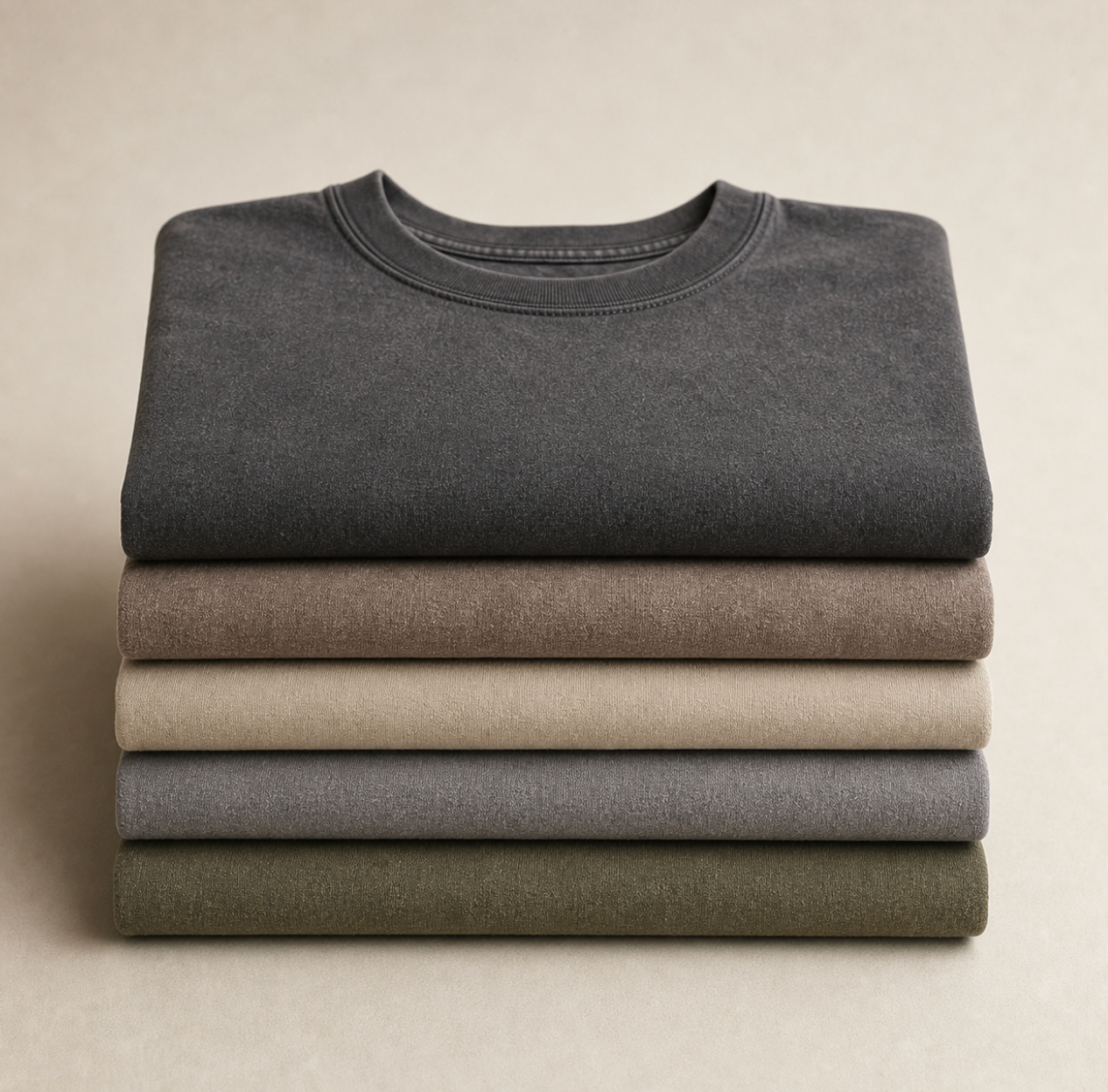
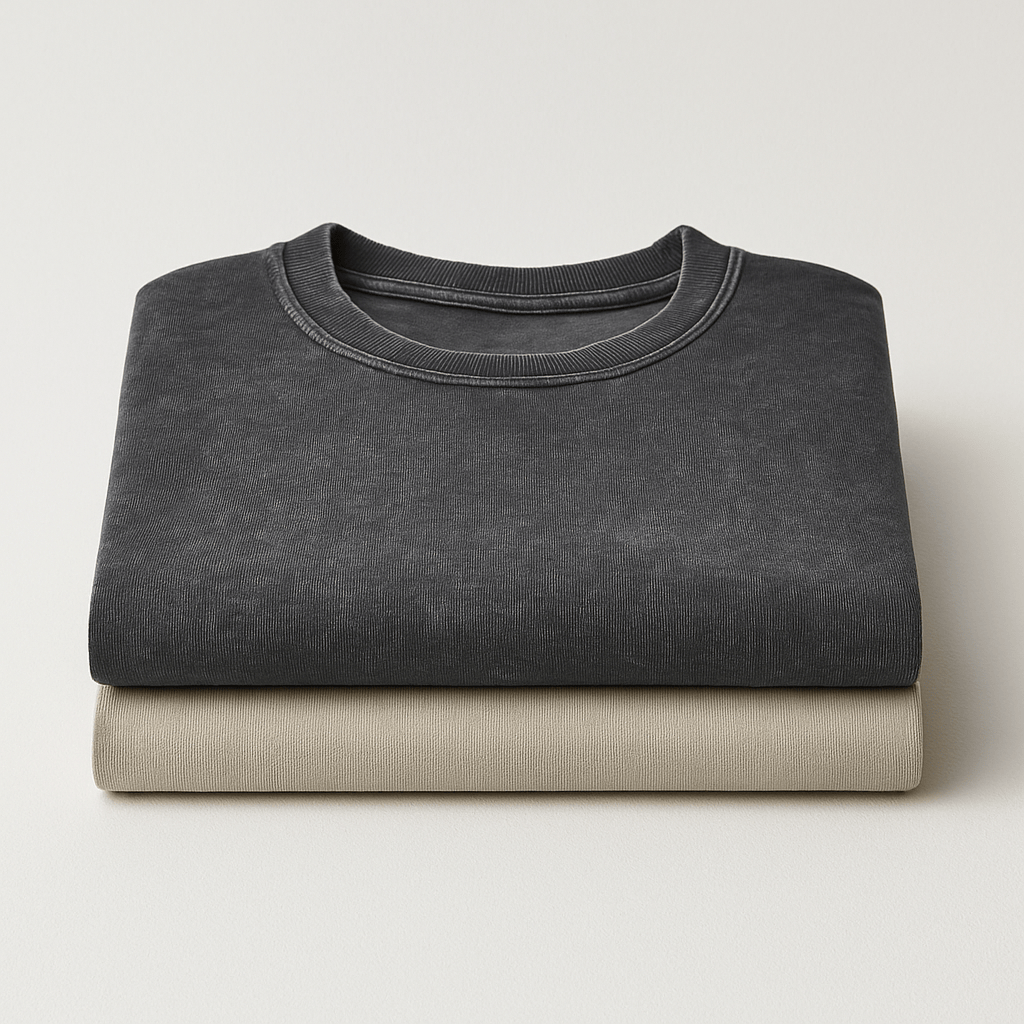
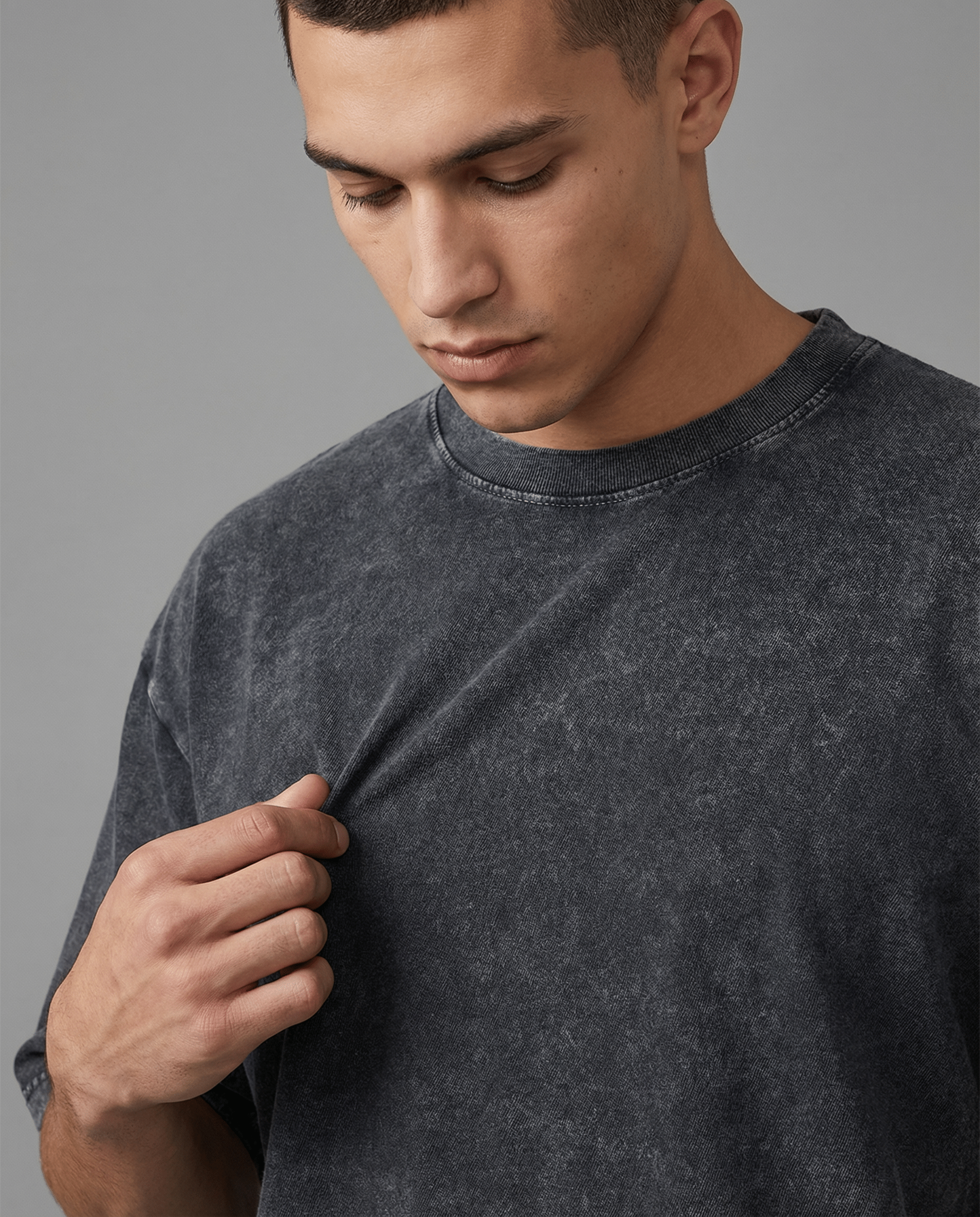
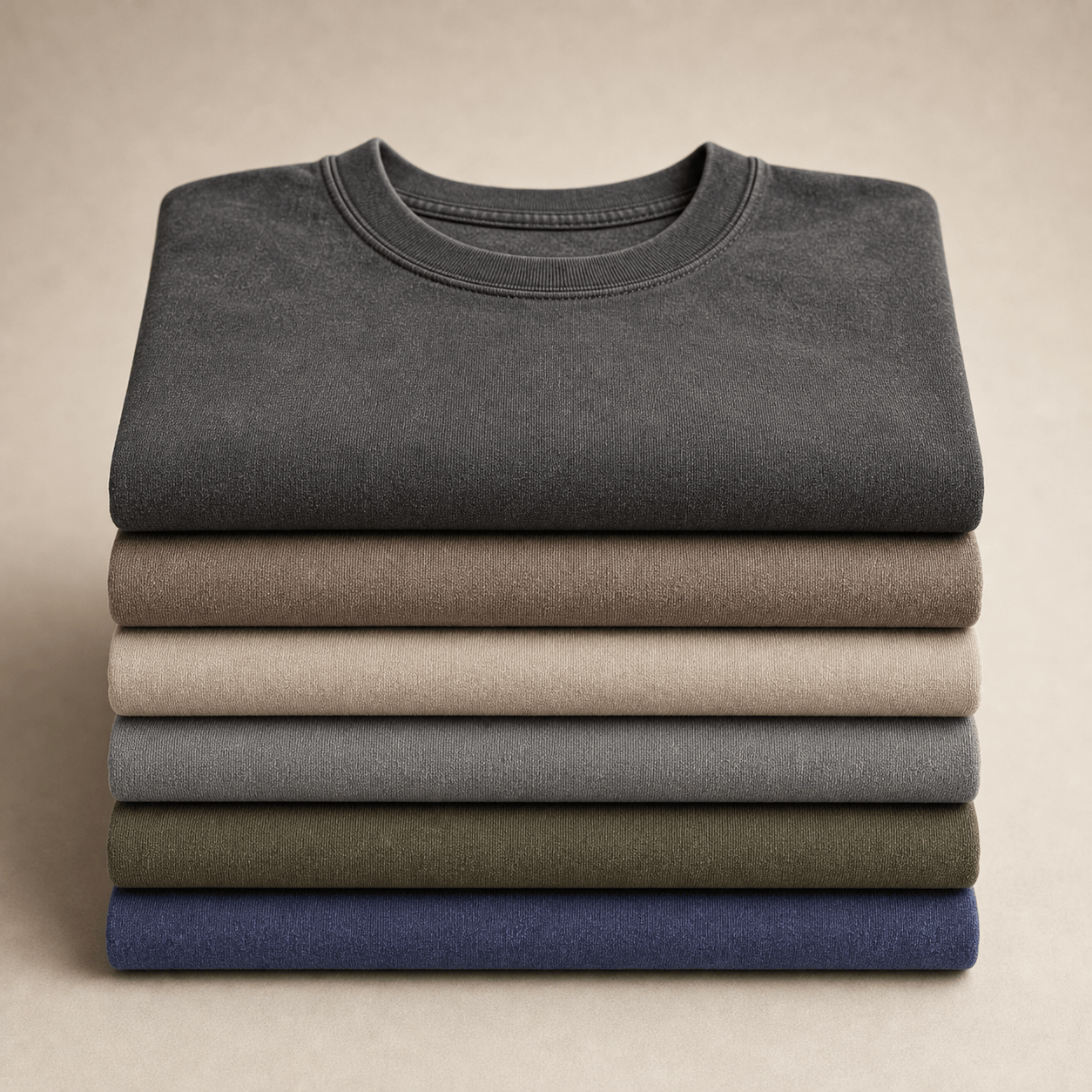
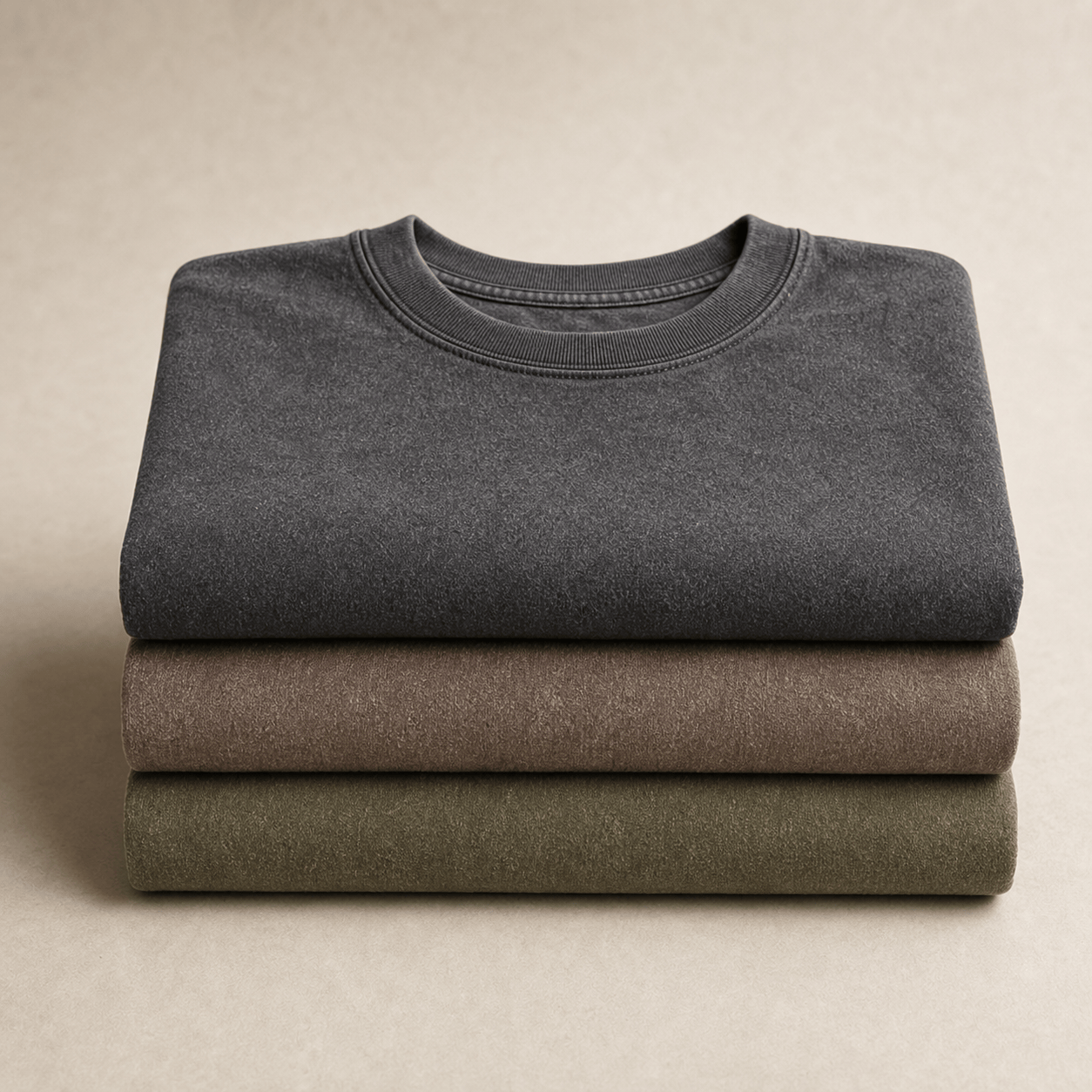
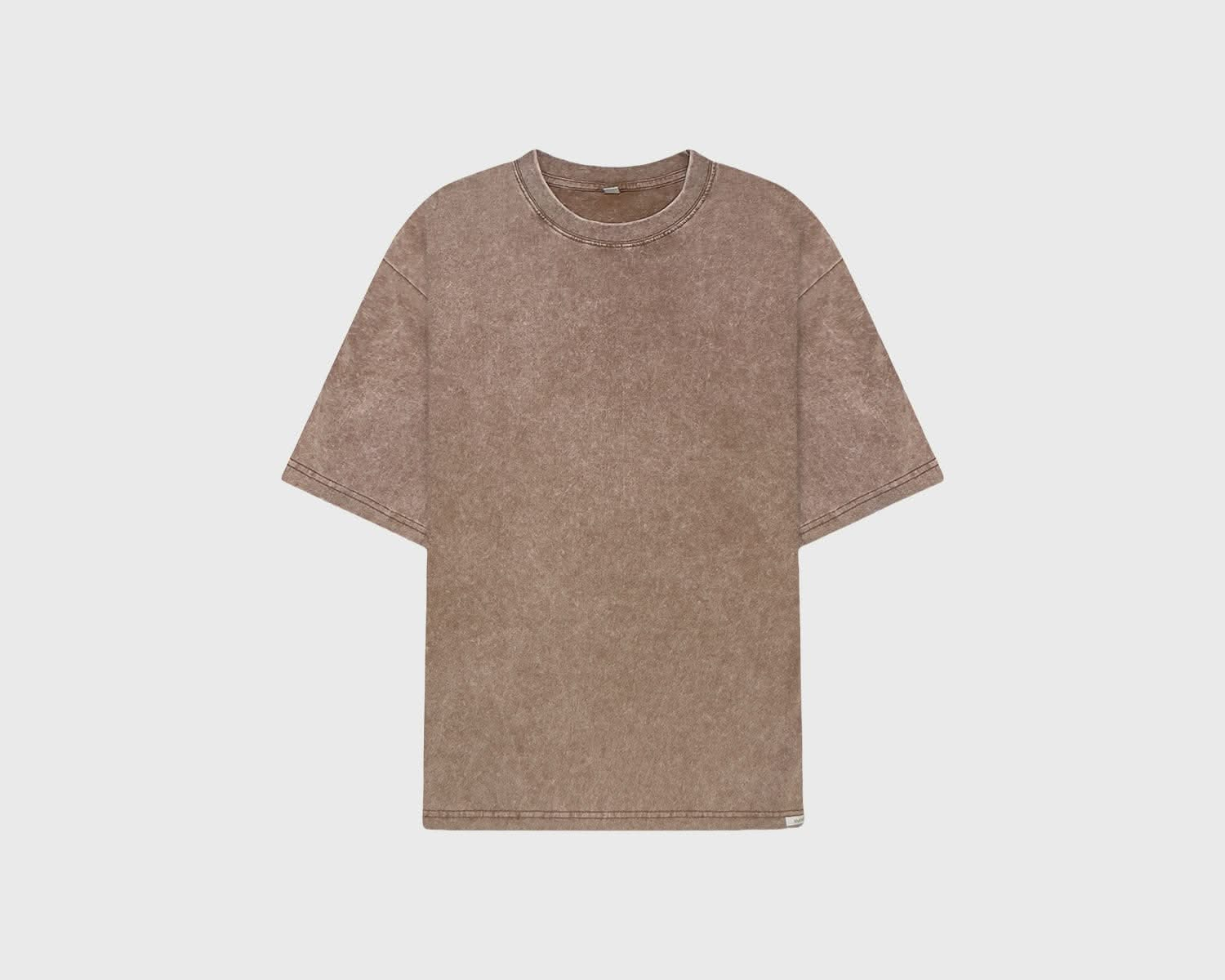
Coton délavé : Pensez à votre t-shirt préféré, parfaitement vieilli. C'est la sensation que procure le coton délavé dès le déballage. Il est incroyablement doux, respirant et a un fini mat et décontracté qui est à la fois décontracté et sophistiqué. Vous pouvez en apprendre davantage sur les raisons pour lesquelles nous aimons les tissus naturels dans notre guide sur le confort douillet d'un jeté de couverture en coton.
-
Lin : Célèbre pour son toucher frais et net et sa belle texture, le lin est un maître de la régulation de la température. Il est également incroyablement solide et a la qualité unique de devenir encore plus doux à chaque lavage, développant une belle patine vécue au fil du temps.
-
Percal de coton : Si vous adorez le toucher frais et lisse des draps d'hôtel haut de gamme, le percal de coton est fait pour vous. Son tissage serré et plat est net et frais au toucher, ce qui en fait un rêve pour les personnes qui ont chaud ou pour une utilisation pendant l'été.
En fin de compte, le choix d'un tissu est une décision personnelle. Il s'agit de l'expérience tactile que vous trouvez la plus réconfortante et invitante.
Comprendre les rouages internes
Le cœur de la chaleur d'une courtepointe est le rembourrage, la couche d'isolation prise en sandwich entre les tissus supérieur et de doublure. Le matériau et l'épaisseur du rembourrage — souvent appelés « gonflant » — déterminent directement le poids et la chaleur de la courtepointe.
Une courtepointe est une harmonie à trois parties : le dessus décoratif, le rembourrage isolant et la doublure douce. La façon dont ces trois couches sont cousues ensemble est ce qui donne à une courtepointe sa texture unique, sa durabilité et son caractère.
Différents matériaux de rembourrage créent une sensation différente :
- Rembourrage en coton : Il donne une courtepointe plus plate et plus traditionnelle avec un beau drapé doux. Il est respirant et offre une chaleur modérée sans être volumineux, ce qui en fait un excellent passe-partout pour la plupart des climats canadiens.
- Rembourrage en laine : Si vous avez besoin d'une chaleur sérieuse sans le poids, la laine est un isolant naturel incroyable. Elle évacue l'humidité et régule la température, vous gardant au chaud les nuits froides tout en étant respirante.
- Mélanges coton/polyester (80/20) : Ce mélange courant vous offre le meilleur des deux mondes. Vous obtenez la douceur et la respirabilité du coton, ainsi que le gonflant, la durabilité et la rétention de forme supplémentaires du polyester.
Comment la couture définit la courtepointe
Enfin, la couture est ce qui maintient les trois couches ensemble et crée ces motifs texturés distinctifs que nous aimons tous. C'est plus qu'une simple décoration ; la couture est cruciale pour empêcher le rembourrage de se déplacer ou de s'agglomérer, assurant une chaleur uniforme et une durabilité à long terme.
Une couture plus dense, avec des lignes rapprochées, produit une courtepointe plus plate et plus durable avec une texture subtile et raffinée. En revanche, une couture moins dense permet au rembourrage de gonfler, créant une sensation plus moelleuse et plus douce. Le motif lui-même — qu'il s'agisse d'une simple grille, de losanges classiques ou d'un design complexe — est la touche artistique finale sur les courtepointes grand format de haute qualité.
Comment styliser et superposer votre courtepointe grand format
 Une courtepointe grand format est l'un des outils de style les plus polyvalents que vous puissiez posséder. C'est bien plus qu'une simple couche supérieure statique ; c'est un élément adaptable qui peut être plié, drapé et superposé pour changer complètement l'ambiance de votre chambre. Maîtriser quelques techniques simples vous permet d'exprimer votre style personnel, que vous visiez un calme minimaliste ou une abondance douillette.
Pensez à votre courtepointe non seulement comme une couverture, mais comme un élément central de votre design. La façon dont vous la présentez peut rendre votre pièce plus spacieuse, invitante ou raffinée. Passons en revue trois façons distinctes de styliser votre courtepointe.
Le style moderne minimaliste
Ce look est axé sur les lignes épurées et une esthétique nette et dégagée. C'est le moyen idéal de mettre en valeur le motif et la texture d'une courtepointe sans surcharger l'espace. L'objectif est une finition soignée, digne d'un hôtel, qui soit à la fois moderne et sereine.
Pour obtenir ce style :
- Étalez-la : Posez votre courtepointe à plat sur vos draps, en veillant à ce qu'elle soit lisse et uniforme de tous les côtés.
- Rentrez-la avec précision : Rentrez soigneusement les côtés et le pied de la courtepointe sous le matelas. Pour une finition extra nette, créez des « coins d'hôpital » au pied du lit.
- Finissez proprement : Disposez vos oreillers, puis repliez le bord supérieur de la courtepointe sur eux pour un look poli et cohérent.
Cette méthode fonctionne particulièrement bien avec les courtepointes grand format qui ont une texture subtile ou un simple motif de point géométrique. Le pliage net met l'accent sur le savoir-faire sans ajouter de bruit visuel, créant une sensation tranquille et ordonnée.
Le look douillet et superposé
Pour ceux qui aiment un lit moelleux et invitant dans lequel on a hâte de s'enfoncer, le superposé est la solution. Cette approche transforme la courtepointe en une riche pièce d'accent, ajoutant une couche bienvenue de couleur et de texture sur une couette. C'est aussi un style incroyablement pratique pour les saisons changeantes du Canada, vous permettant d'ajouter ou d'enlever de la chaleur au besoin.
Cette méthode vise à créer de la profondeur et de la dimension. En pliant une courtepointe au pied du lit, vous introduisez une nouvelle texture et une touche de couleur qui rompt la grande surface de la couette, rendant tout le lit plus soigné et accueillant.
Voici comment créer le look :
- Commencez par une couette moelleuse de couleur neutre ou complémentaire.
- Pliez votre courtepointe queen en tiers dans le sens de la longueur.
- Drapez la courtepointe pliée sur la moitié ou le tiers inférieur de votre lit.
- Complétez le style avec un assortiment de coussins et peut-être un de nos jetés et couvertures douillets artistiquement jetés par-dessus pour la touche finale.
C'est une excellente occasion de jouer avec des textures contrastées — une couette en coton lisse associée à une courtepointe en lin délavé, par exemple — pour créer un lit à la fois visuellement intéressant et profondément confortable.
Élégance classique avec un rentré d'oreiller
Ce style intemporel permet à la courtepointe d'être la vedette. C'est une approche plus traditionnelle qui crée un look de couvre-lit complet et élégant, parfait pour mettre en valeur une courtepointe particulièrement belle ou de qualité héritage. La manœuvre signature ici est le « rentré d'oreiller ».
Au lieu de placer les oreillers sur la courtepointe, vous les rentrez en dessous. Tout d'abord, étalez la courtepointe à plat sur tout le lit, en la tirant jusqu'à la tête de lit. Ensuite, placez vos oreillers de couchage sur le dessus et repliez les 12 à 18 pouces supérieurs de la courtepointe sur eux, créant une bande nette et couverte. Terminez en arrangeant vos taies décoratives contre la tête de lit pour une apparence magnifiquement intégrée et classique.
La popularité durable de ces styles témoigne de la signification culturelle de la courtepointe. Les courtepointes grand format représentent une force majeure dans le secteur canadien des textiles de maison, évalué à 1,2 milliard de dollars canadiens, les tailles grand format représentant 55 % de toutes les ventes de courtepointes. C'est un héritage enraciné dans l'histoire ; pendant la Grande Dépression, les femmes des Prairies en Saskatchewan fabriquaient 1,2 million de blocs de courtepointes par an pour subvenir aux besoins de leurs familles, un témoignage du rôle fondamental de la courtepointe dans le patrimoine canadien. Vous pouvez en savoir plus sur l'histoire fascinante et la résurgence moderne du matelassage sur DiscoverConcordMA.com.
Entretenir votre courtepointe pour une beauté durable
Une courtepointe grand format bien faite est un investissement dans votre confort, conçue pour durer des années, parfois même des décennies. La clé pour préserver sa douceur, sa couleur et sa structure est un entretien approprié. Considérez-le moins comme une corvée et plus comme un simple rituel qui protège une pièce que vous aimez.
Avec les fibres naturelles comme le coton délavé et le lin, une touche douce est essentielle. La bonne nouvelle est que l'entretien de ces matériaux est étonnamment simple. Il s'agit d'une approche consciente du lavage, du séchage et du rangement.
Laver votre courtepointe correctement
La première question est toujours celle du lavage. Pour la plupart des courtepointes grand format modernes en coton ou en lin, votre machine est parfaitement adaptée, à condition de respecter quelques règles d'or. L'objectif est toujours d'être le plus doux possible pour protéger les fibres et les coutures.
- Choisissez le bon cycle : Sélectionnez toujours le cycle doux ou délicat. Cette simple étape minimise le stress sur les coutures et empêche le rembourrage interne de s'agglomérer.
- Utilisez de l'eau froide : L'eau froide est la meilleure amie de votre courtepointe. Elle aide à empêcher le tissu de rétrécir et maintient les couleurs riches et vraies, préservant ainsi cette belle texture dont vous êtes tombé amoureux.
- Choisissez un détergent doux : Tenez-vous-en à un détergent liquide doux et à pH neutre. Les produits chimiques agressifs ou les détergents en poudre qui ne se dissolvent pas correctement peuvent laisser des résidus et décomposer les fibres naturelles au fil du temps.
Si vous prenez soin d'une courtepointe délicate héritée ou antique, le lavage à la main est la voie la plus sûre. Remplissez simplement une baignoire propre d'eau froide et d'une petite quantité de détergent doux, plongez la courtepointe et laissez-la tremper pendant environ 30 minutes. Pressez doucement l'eau sans la tordre.
Un insert ou une courtepointe de haute qualité peut durer plus de 20 ans avec les bons soins. En traitant votre courtepointe avec douceur, vous ne la nettoyez pas seulement, vous investissez dans sa longévité afin qu'elle puisse rester une source de confort pendant très longtemps.
La meilleure façon de sécher votre courtepointe
La façon dont vous séchez votre courtepointe est tout aussi importante que la façon dont vous la lavez. Votre principal ennemi ici est la chaleur élevée, qui est la cause numéro un du rétrécissement et des dommages au rembourrage et aux coutures de la courtepointe.
Le meilleur mantra est lent et bas. Séchez votre courtepointe au sèche-linge à la température la plus basse possible. Cela peut prendre un peu plus de temps, mais cette approche douce protège les fibres. Lancer quelques boules de séchage en laine peut aider à tout gonfler, à réduire le temps de séchage et à empêcher la courtepointe de s'emmêler.
Si vous avez de la place, le séchage à l'air libre est la norme d'or. Vous pouvez l'étendre sur une corde à linge solide à l'extérieur (mais à l'abri du soleil direct et intense) ou la disposer sur quelques chaises à l'intérieur. Une excellente astuce consiste à la sécher en machine jusqu'à ce qu'elle soit légèrement humide, puis à la laisser sécher à l'air libre pour une finition parfaitement fraîche.
Traitement des taches et rangement saisonnier
Pour les petites taches, un traitement rapide des taches est généralement tout ce dont vous avez besoin. Tamponnez doucement la zone avec un chiffon propre et humide et une petite goutte de détergent doux. La clé est de tamponner, et non de frotter, ce qui peut faire pénétrer la tache plus profondément dans le tissu.
Quand vient le temps de ranger votre courtepointe pour la saison, pensez à la respirabilité.
- Assurez-vous que la courtepointe est complètement propre et sèche avant de la ranger.
- Pliez-la lâchement pour éviter de créer des plis profonds.
- Place it inside a breathable cotton storage bag or simply wrap it in a clean cotton sheet.
Steer clear of plastic bags or sealed containers. Plastic traps moisture, which is a recipe for mildew and musty smells, and can even cause the fabric to discolour over time. A cool, dark, and dry closet is the perfect place for your quilt to rest until you need it again.
Making a Sustainable and Conscious Choice
For many of us, a purchase is a statement. When you choose a quilt, you’re not just picking a colour or texture; you're deciding on a piece that should reflect your values for a healthier home and planet. This means looking past the marketing buzz and getting real about what makes a quilt truly sustainable.
It's about investing in something built to last, choosing materials with a lighter footprint, and backing companies that are transparent about how their products are made. This approach brings a beautiful, high-quality quilt into your bedroom, but it also makes your home a place that feels good in every sense of the word.
Decoding Sustainability Labels
When you start looking for an eco-friendly quilt, you'll run into a few important certifications. These labels are your best guide, cutting through the noise of vague "green" claims to give you real assurance about what you're buying. Think of them as a transparent ingredient list for your bedding.
Two of the most important ones to know are:
-
GOTS (Global Organic Textile Standard): This is the gold standard for organic fibres. A GOTS label is your confirmation that the textile—like the cotton in your quilt—was grown without synthetic pesticides or fertilizers. It also guarantees the entire production journey, from field to factory, meets strict environmental and social criteria.
-
OEKO-TEX STANDARD 100: This label is all about human health and safety. It certifies that every single part of the product, from the fabric right down to the thread, has been tested for harmful substances. It’s your peace of mind that the quilt you're cuddling up with is free from chemicals that could be bad for you and your family.
These certifications give you the power to make an informed choice. They’re clear, verifiable proof that a quilt isn’t just made from good materials, but was also produced in a way that respects both people and the planet.
Why Natural and Renewable Fibres Matter
A truly sustainable product starts with its raw materials. Natural, renewable fibres like organic cotton and linen are the bedrock of eco-conscious bedding for some very good reasons. Unlike synthetics such as polyester, which are petroleum-based, these plant-based fibres come from the earth and can eventually return to it.
Organic cotton, for instance, is grown using methods that actually improve soil health and use far less water than conventional cotton farming. Our guide on selecting an organic cotton duvet cover dives deeper into these benefits, showing how choosing organic helps build a more responsible textile industry.
Linen, made from the hardy flax plant, is another champion of sustainability. It needs very little water and few pesticides to thrive and is incredibly durable. A linen quilt isn't something you'll need to replace in a few years—it's built to last, which is a core part of conscious consumerism.
The Bigger Picture: A Lasting Investment
Choosing a sustainable quilt really is an investment that pays you back over time. These pieces are crafted to endure, often lasting 15+ years compared to the 5-year lifespan you might get from many mass-market options. That kind of durability is great for your wallet, but it’s even better for the planet because it means less waste and fewer resources consumed.
The demand for this kind of lasting quality is growing. In Canada, queen size quilts are a significant part of the e-commerce bedding market, which is projected to exceed $450 million CAD by the end of 2026. This trend reflects a deep appreciation for both artisanal heritage and modern sustainability—a connection with deep roots in Canadian culture. You can even learn more about the rich history of quilting and its traditions on Wikipedia.
Ultimately, a sustainable quilt connects your home to a bigger story of thoughtful craftsmanship. It’s a piece that offers comfort not just through its softness and warmth, but through the knowledge that it was created with care for the world we all share.
A Few Common Questions About Queen Size Quilts
Choosing the right bedding can bring up a few questions. To help you feel completely confident in your choice, we’ve gathered answers to some of the most common queries we get about our queen size quilts.
Will a Queen Size Quilt Fit My Double Bed?
Yes, absolutely. A queen size quilt is actually an excellent choice for a standard double (or full) bed, which usually measures 54 x 75 inches here in Canada. It offers a much more generous and luxurious drape over the sides than a standard double quilt would.
That extra fabric doesn’t just create a plush, inviting look—it also makes sure you and your partner stay comfortably covered all night long. We just suggest measuring your bed's height from the top of the mattress to the floor to ensure the quilt hangs beautifully without pooling.
What Is the Difference Between a Quilt and a Duvet?
The main difference comes down to their construction and how they’re used. It helps to think of a quilt as a single, finished piece of bedding, while a duvet is an insert that needs a separate cover.
-
A quilt is a single piece made of three distinct layers stitched together: a decorative top, a thin middle layer of batting for warmth, and a solid bottom layer. It provides texture and a layered look, and can work as your main covering or as a stylish accent piece.
-
A duvet is simply a soft fabric bag filled with down, feathers, or synthetic fibres. It’s designed to go inside a separate, washable duvet cover, which protects the insert and lets you change the style of your bed in minutes.
Quilts offer structured character and are perfect for layering, whereas duvets provide that lofty, cloud-like warmth. Many people use both, layering a folded quilt over a duvet for a rich, textured bed.
Key Insight: A quilt delivers integrated style and texture in a single piece, perfect for layering or standalone use. A duvet provides lofty warmth but requires a separate cover, making it easy to change your bedroom's look.
How Do I Choose a Quilt for All-Season Use in Canada?
For all-season comfort that can handle Canada's varied climate, the secret is breathability. You'll want to look for a quilt made from high-quality natural fibres like organic cotton or linen. These materials are brilliant at regulating temperature.
They work by trapping a thin layer of air to keep you warm in the cooler months, but they remain breathable enough to prevent overheating on warm summer nights. A quilt with a mid-weight cotton or cotton-blend batting is usually the most versatile choice for year-round use. For those colder winter snaps, you can always add a wool throw for extra coziness.
Are High-Quality Quilts Pre-Shrunk?
That’s a really important question. Many premium quilts, especially those made from natural materials like our stonewashed cotton or linen, are pre-washed as part of the manufacturing process. This step is crucial—it not only gives them their signature softness right out of the package but also minimizes any future shrinkage.
You should always check the specific care instructions, of course. But following the guidelines—usually a cold, gentle wash and a low-heat dry—will ensure your quilt keeps its size and quality for years. It's all about investing in a beautiful piece that’s designed for real, everyday life.
At IdyllVie, we believe true comfort comes from quality you can both feel and trust. Explore our collection of thoughtfully crafted home essentials to find the perfect piece for your sanctuary. Discover timeless style and sustainable design at https://idyllvie.com.













0 commentaire