
You're probably looking at your wardrobe and wanting one piece that solves several problems at once. You want something cool enough for a humid afternoon, polished enough for dinner, easy enough for weekends, and substantial enough that it doesn't feel disposable after a few washes.
That's where a cotton maxi skirt earns its place. It has ease, movement, and coverage without feeling fussy. When the fabric and construction are chosen well, it can be one of the hardest-working pieces in a conscious wardrobe.
The Enduring Appeal of the Cotton Maxi Skirt
Some clothes ask a lot from you. They wrinkle if you sit down, cling when the weather turns damp, or only work with one specific shoe. A cotton maxi skirt tends to do the opposite. It gives you room to move, it feels grounded rather than precious, and it can shift from casual to refined with a simple change of top and footwear.

That sense of ease isn't accidental. The long skirt has deep roots in fashion history, but the modern maxi became especially meaningful after dramatic changes in hemline culture. As CBS News' history of skirts notes, wartime rationing in the early 20th century shortened skirts, Christian Dior's 1947 “New Look” brought back fuller silhouettes, and Mary Quant's 1964 miniskirt helped make later floor-grazing styles feel intentional, expressive, and tied to comfort and freedom rather than necessity.
Why it still feels current
That history helps explain why a cotton maxi skirt still feels relevant now. It isn't only “romantic” or “bohemian”. It can be minimalist, architectural, practical, or softly feminine depending on the fabric.
In real life, that matters more than trend language. A crisp white cotton maxi skirt with a knit tank reads very differently from a soft gathered skirt worn with a sweatshirt and trainers. Same length. Completely different mood.
Long skirts stayed relevant because they offer both coverage and movement, which is rare in everyday clothing.
Why cotton makes the silhouette easier to wear
Cotton gives this shape a useful kind of honesty. It can feel airy, but it doesn't usually have the slippery unpredictability of synthetics. It breathes well, layers well, and often looks better when it's allowed to crease a little naturally.
That balance is why so many people keep returning to it. A cotton maxi skirt doesn't need to be reserved for a holiday or a perfect summer day. Chosen well, it becomes the piece you reach for when you want to feel comfortable and composed at the same time.
Choosing Your Cotton Fabric and Finish
Not all cotton skirts behave the same way. “100% cotton” tells you the fibre, but it doesn't tell you how the skirt will hang, how much air it lets through, or whether it will feel floaty or firm. Those differences come from weight, weave, and finish.
Start with drape
If fabric language feels abstract, think about motion. Some skirts move like a curtain in a breeze. Others hold their outline more like folded paper.
According to Zelouf Fabrics' fabric guide for maxi skirts, lightweight cottons such as voile are breathable and have strong drape, which makes them well suited to warm-weather, flowy shapes. Heavier cotton creates a more structured silhouette. The same guidance notes that for a fuller skirt, fabric width often needs to be about 1.5 to 2.0 times the waist or hip measurement to preserve volume.
That one detail helps clear up a common confusion. People sometimes think a skirt looks limp because the cotton is “bad”. Often the issue is shape and cut. A full silhouette needs enough fabric to fall properly.
How common cotton types feel
Here's a simple comparison you can use while shopping.
| Cotton Fabric Comparison | Primary Characteristic | Best For |
|---|---|---|
| Voile | Light, airy, fluid drape | Hot weather, soft movement, relaxed volume |
| Poplin | Crisp hand, clearer structure | A-line skirts, cleaner lines, polished outfits |
| Heavier cotton | More body and support | Skirts that hold shape and feel less sheer |
Finish matters too
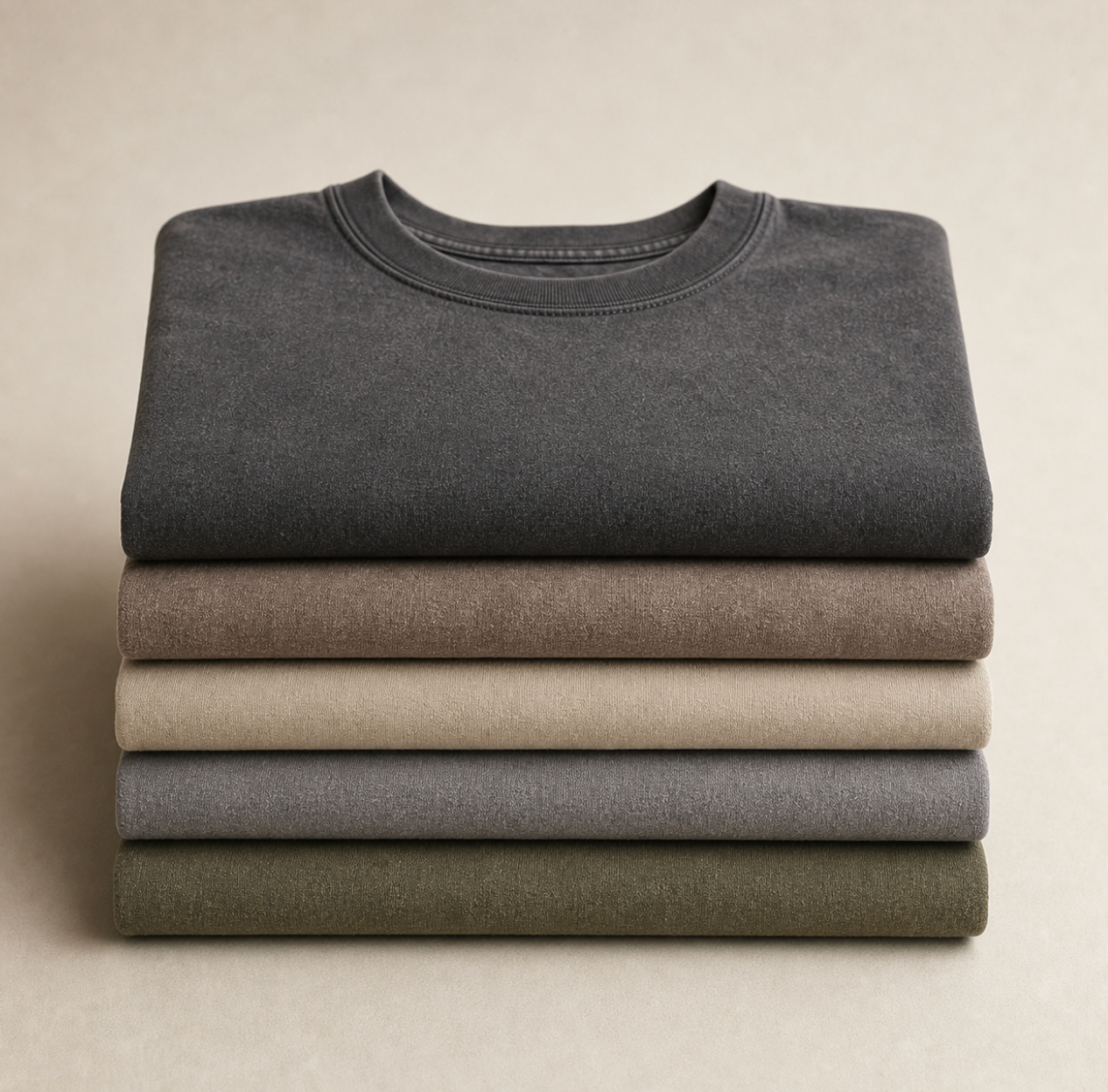
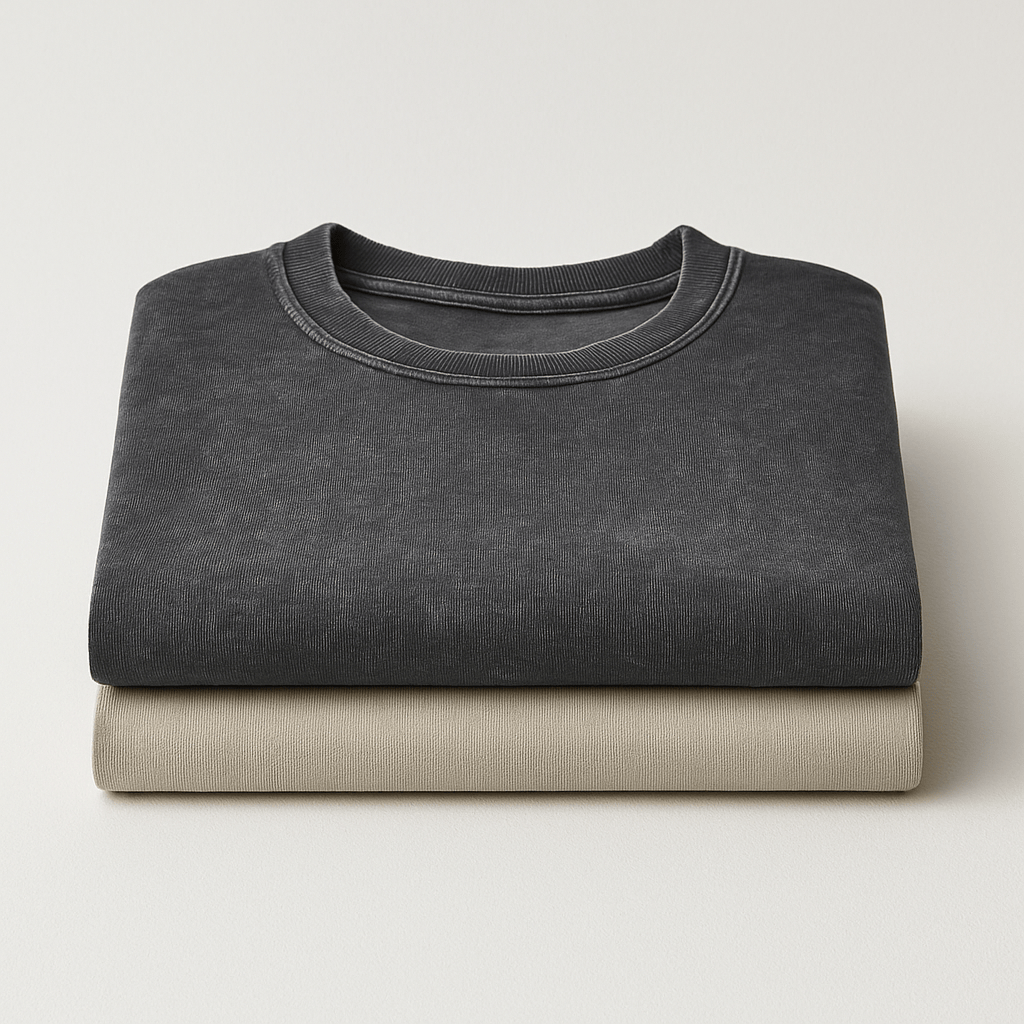
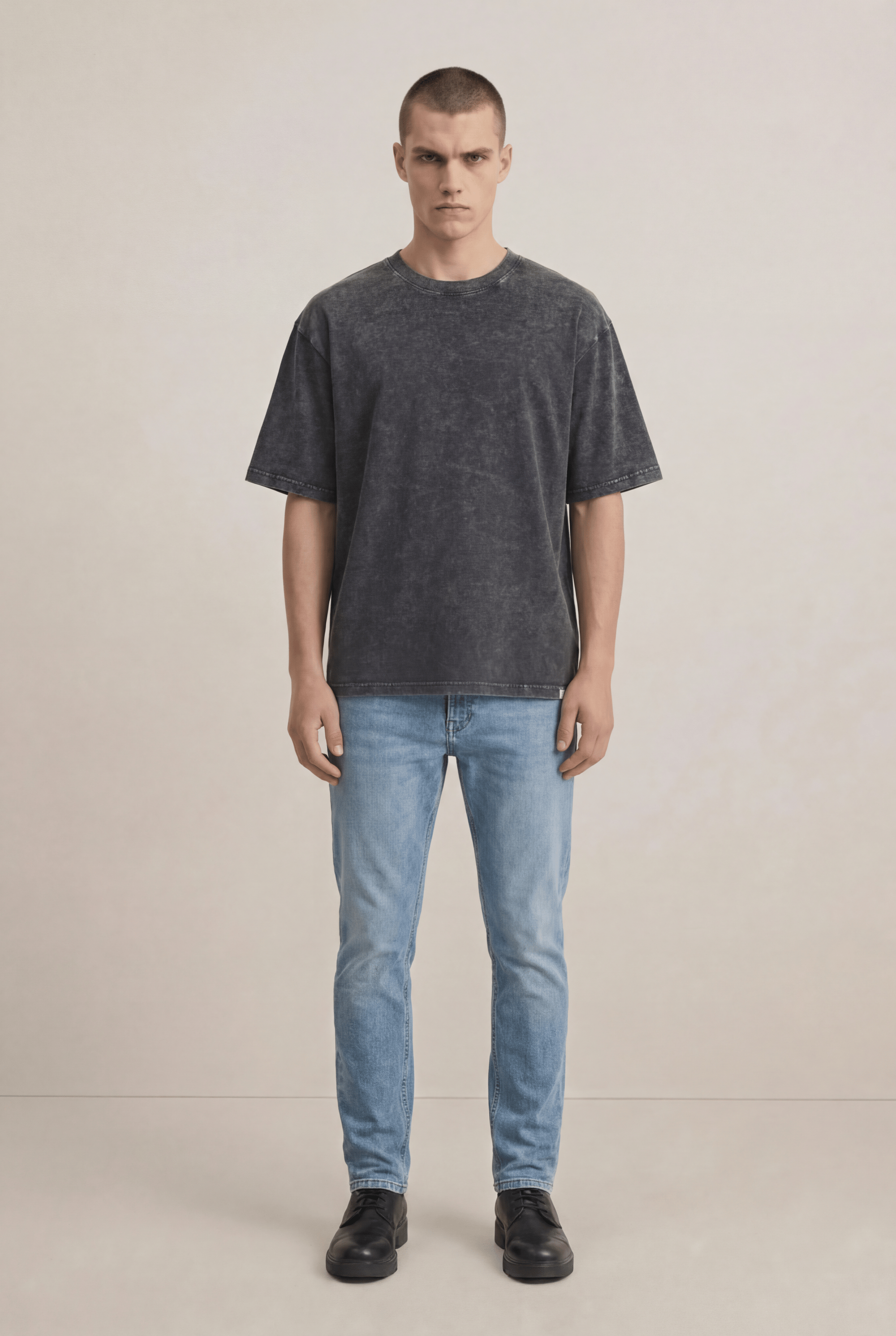
The finish changes the mood of the garment almost as much as the weave. A crisp finish can make a skirt feel structured. A washed finish can make the same silhouette feel lived-in and relaxed.
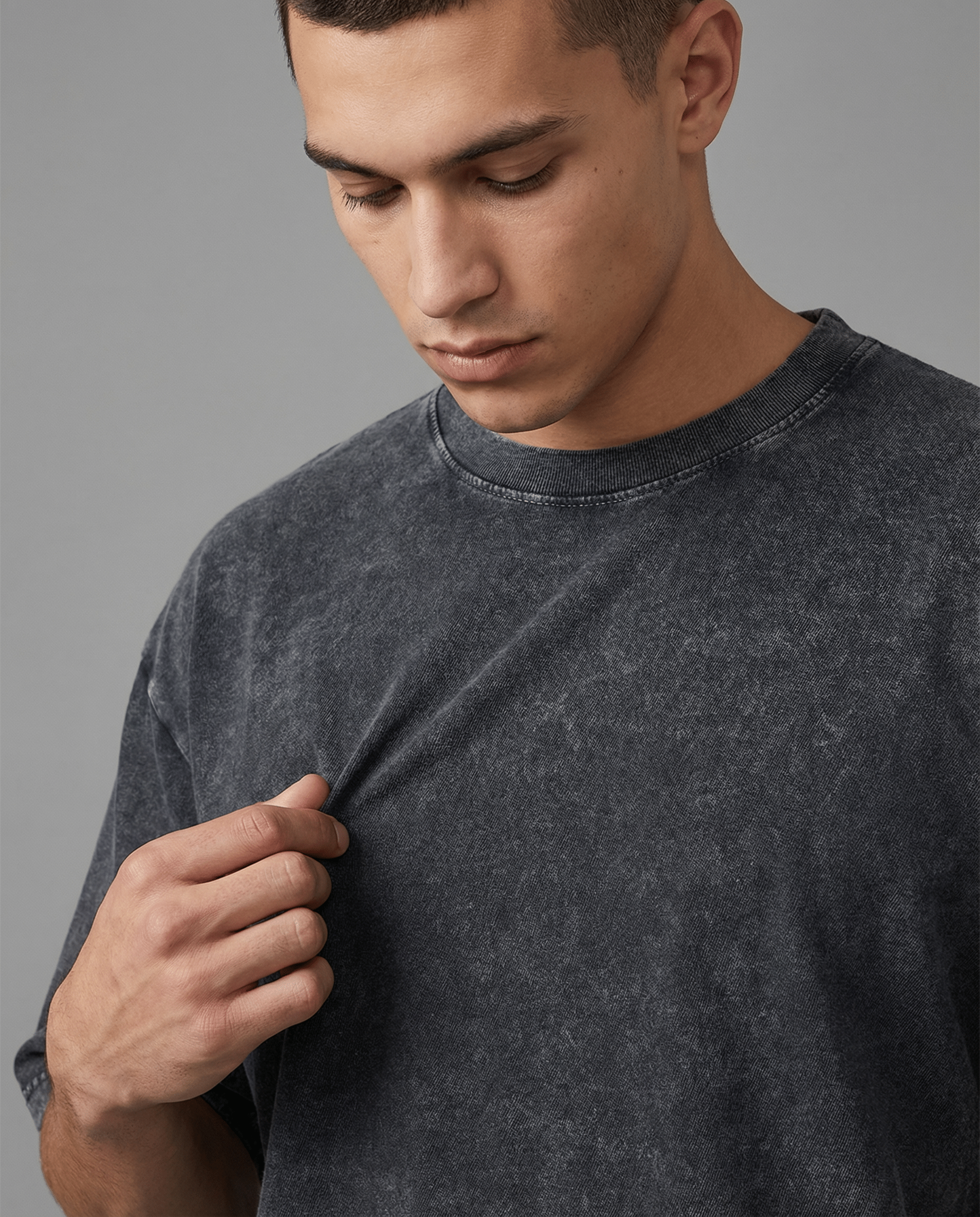
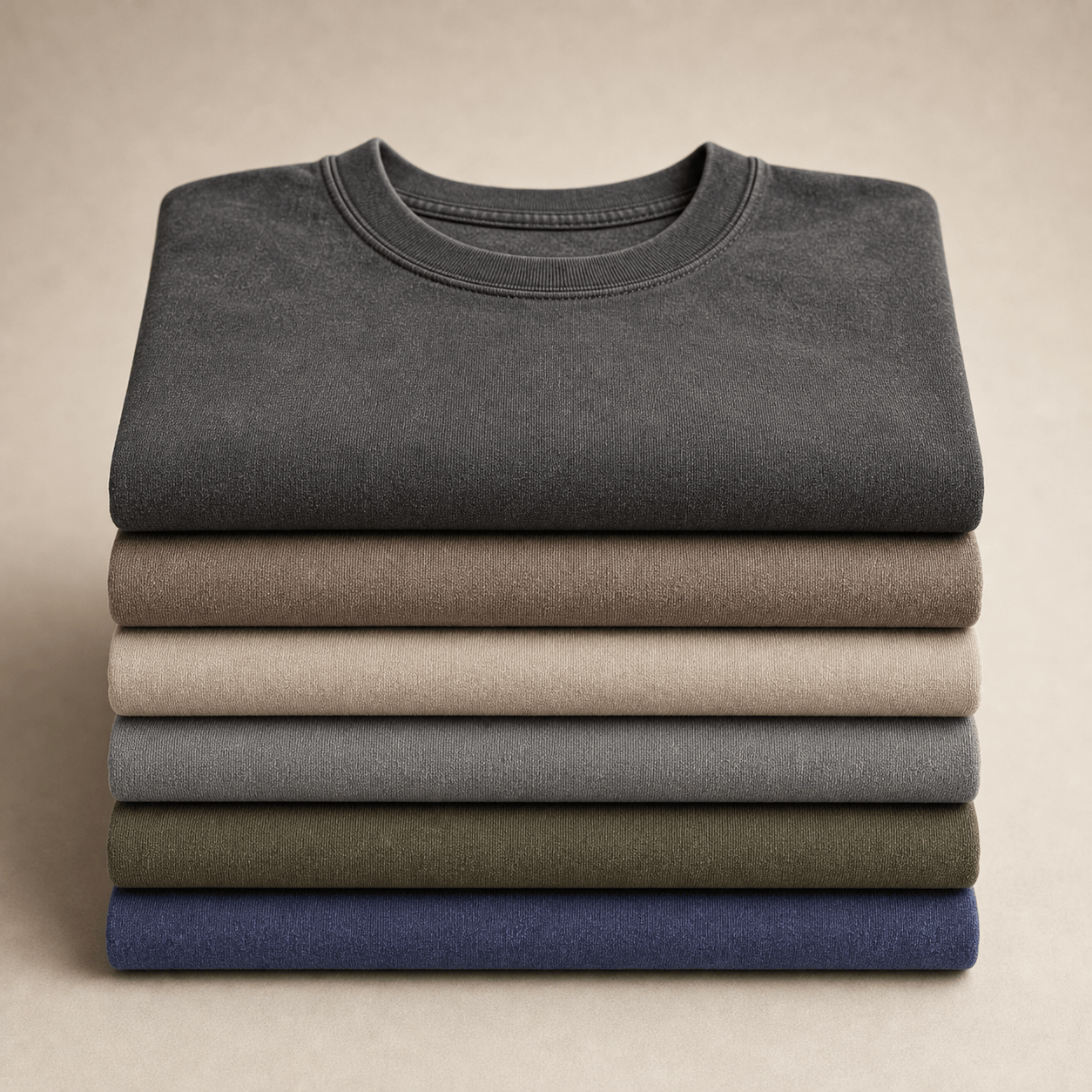
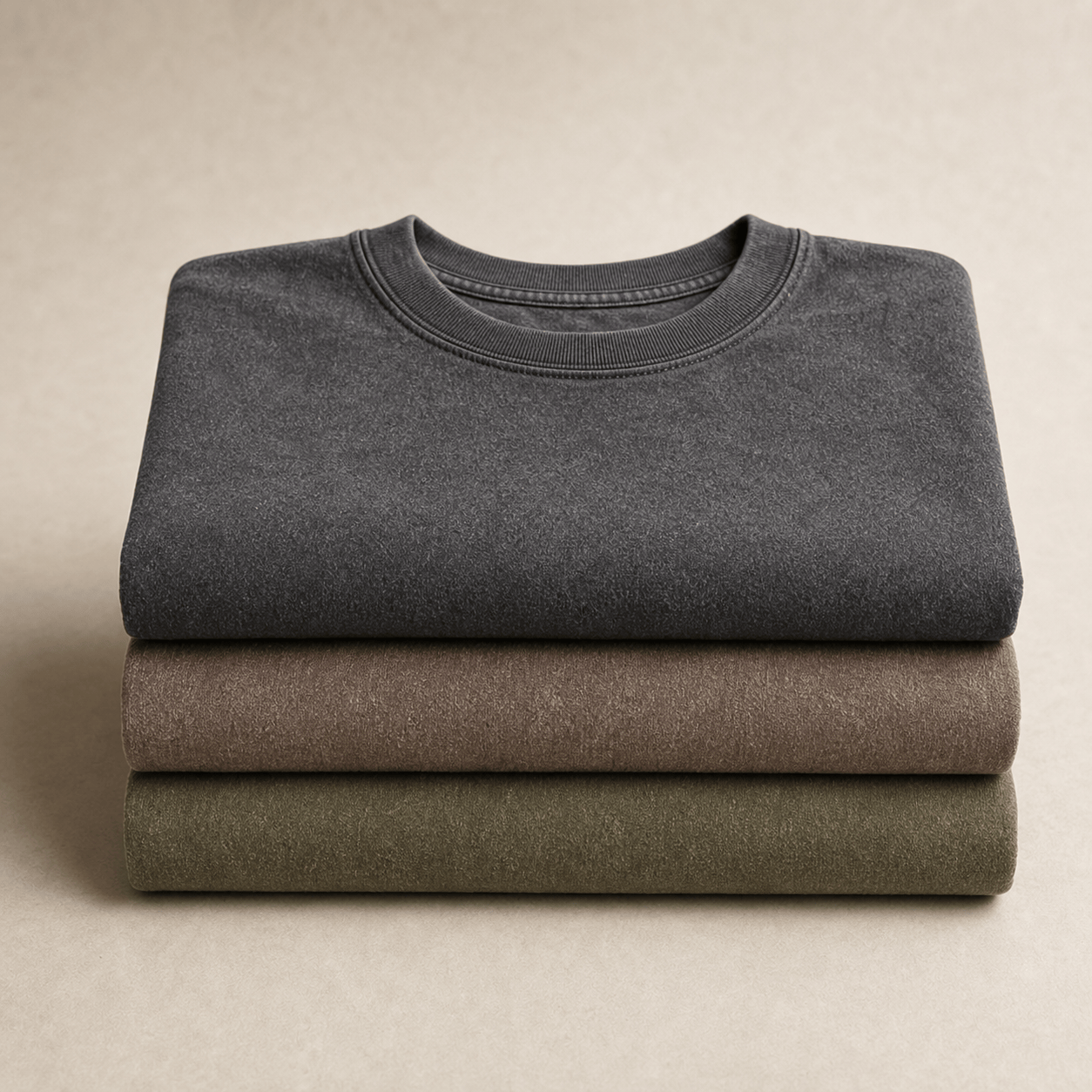
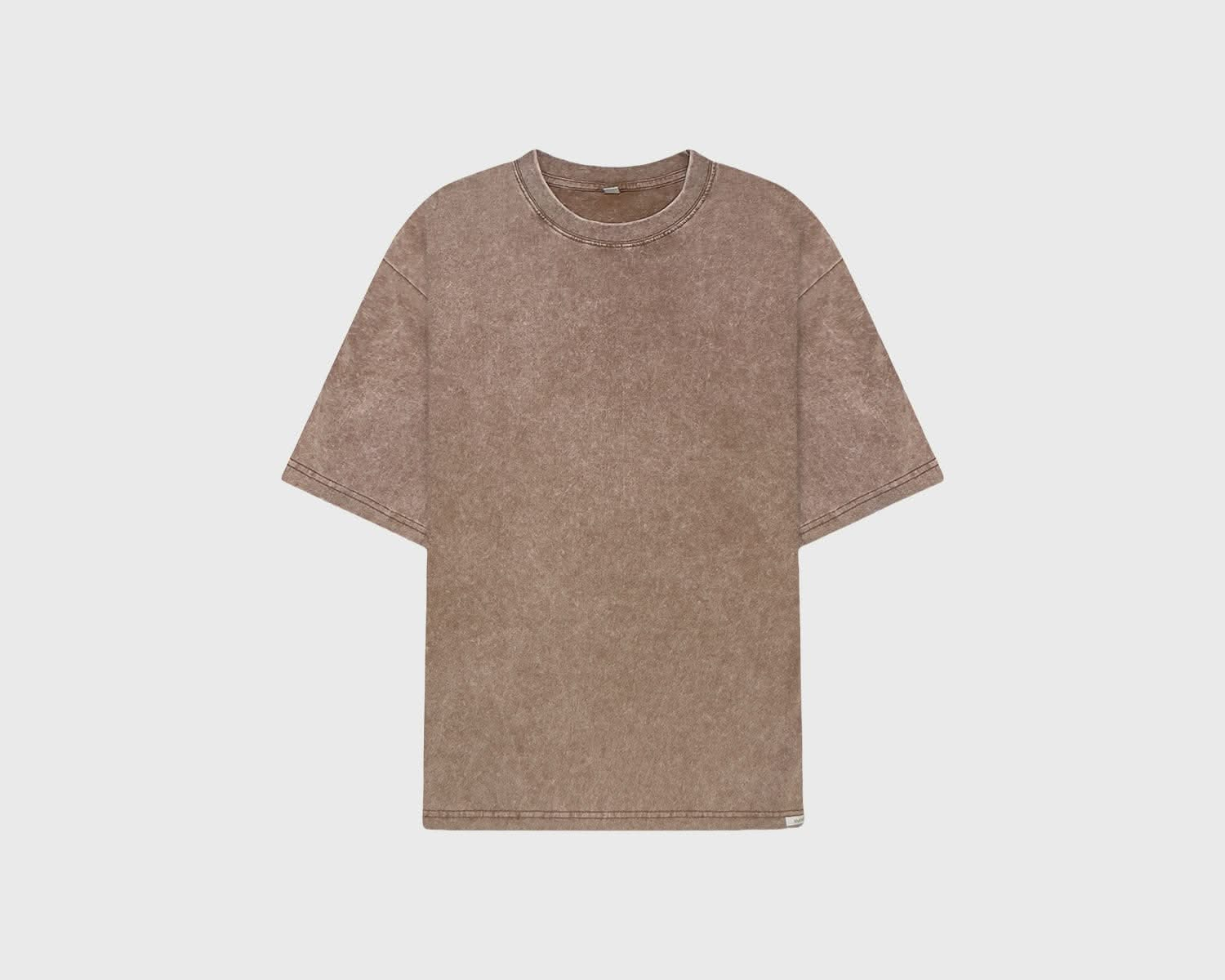
If you're curious about how finishing affects handfeel and responsibility, IdyllVie's sustainable stonewash approach is a useful example of how brands can rethink a vintage look for a more responsible wardrobe.
What to check before you buy
When you're reading a product page, pause on these details:
- Fabric weight matters because lighter cotton feels breezier, while heavier cotton gives shape.
- Opacity matters because some airy cottons need lining or careful underlayers.
- Gather and fullness matter because a maxi skirt needs enough fabric to move rather than cling.
- Finish matters because washed cotton feels softer, while crisp cotton often looks more architectural.
Practical rule: If you want your cotton maxi skirt to feel floaty, choose a lighter weave. If you want it to look clean and sculpted, choose a denser cotton.
How to Choose a Truly Sustainable Skirt
A cotton maxi skirt isn't sustainable just because the label says “natural”. That's the first filter, not the final answer. Conscious buying starts when you ask what the garment will be like after wear, washing, storage, and time.

A skirt that twists after laundering, turns transparent in daylight, pills where your tote rubs, or frays at the hem isn't a good long-term choice, even if the fibre story sounds appealing. The better question is this: Will I still want to wear this, and will it still function well, after repeated real-life use?
Look past the fibre headline
The most helpful sustainability questions are practical ones.
- Will it shrink noticeably? Cotton can shift after washing, especially if the fabric hasn't been handled well in production.
- Will it pill or roughen? This affects not just appearance, but whether the skirt still feels good against the skin.
- Will it go sheer in daylight? Transparency is a design issue as much as a style issue.
- Will the hem hold up? Long skirts catch on shoes, stairs, and damp pavement. A weak hem won't last.
For conscious Canadian shoppers, these concerns are central. As noted in Christy Dawn's collection context around conscious clothing choices, buyers are increasingly looking beyond a simple natural-fibre message and paying attention to shrinkage, pilling, transparency, hem durability, lifecycle cost, and wash performance.
What a durable skirt usually has
Durability often hides in small construction details. A better skirt may not shout about them, but you can look for signs.
Consider this checklist:
-
Stable seams
Seams should lie flat and not pull at stress points. -
Thoughtful opacity
A light skirt may need lining, denser weaving, or enough volume to avoid looking flimsy. -
A hem with substance
Long skirts need hems that can handle contact with daily life. -
A fabric that suits its purpose
A breezy summer skirt can be light, but it still needs enough integrity to keep its shape.
Sustainability often looks quiet. It shows up in fewer disappointments, fewer replacements, and more years of wear.
A better way to think about low-impact buying
The most responsible skirt may not be the one with the loudest claim. It's the one you can wear often, repair if needed, wash without dread, and keep in rotation across seasons.
For a broader Canadian perspective on mindful apparel choices, this guide to sustainable clothing in Canada offers a useful framework for evaluating beyond marketing language.
Finding Your Perfect Fit and Length
A good cotton maxi skirt should feel easy at the waist and intentional at the hem. If either part is off, the whole garment can feel awkward. The good news is that fit is usually easier to judge than people think.
Understand the waist first
Different waist constructions create different experiences in daily wear. Some are forgiving. Some are cleaner and more structured.
A useful product benchmark comes from Banana Republic's skirt details, which highlight features such as 100% cotton poplin, a smocked waist, pull-on construction, and an A-line silhouette. Those details matter because a smocked waist gives more fit tolerance without a zip, while poplin helps the skirt keep a clearer shape. The same product context also notes that a cotton blend with nylon can create a “sleek, cool hand” and subtle shine, helping reduce the limpness plain cotton can show in humid conditions.
Here's what that means in practice:
-
Smocked waist
Comfortable, flexible, and often the easiest option for in-between sizing. -
Flat-front waistband
Cleaner look through the front. Often better if you want a neater tuck with shirts or knits. -
A-line cut in poplin
More defined shape, less collapse, and a stronger line away from the body.
Get the length right
A maxi should skim the ankle or fall close to the top of the foot, depending on the design. Too short, and it can lose the long line that makes the silhouette feel graceful. Too long, and you'll spend the day lifting it off the ground.
Use these quick checks when shopping online:
- Measure from your natural waist to where you want the skirt to end.
- Think about shoes you'll wear most often. Flat sandals and ankle boots change the effective length.
- Check rise and waistband style because a high waist and a low-slung waist can change where the hem lands.
If you need a reference point before ordering, this Canada clothing size chart can help you translate body measurements into a more confident purchase.
A cotton maxi skirt fits best when you don't have to manage it all day. You should be able to walk, sit, and climb stairs without constantly adjusting the hem or waistband.
How to Style a Cotton Maxi Skirt Year-Round
The biggest styling mistake people make with a cotton maxi skirt is treating it like a summer-only piece. In Canada, that leaves a lot of value on the rail. Fabric weight, layering, and footwear can carry the same skirt much further than many product pages suggest.

That matters because climate isn't static. A Canada-specific gap in most style advice is performance across shifting weather. As discussed in this Etsy market context on cotton A-line maxi skirts, guidance on fabric weight, weave, lining, and three-season comfort is especially important because southern Canada is warming faster than the global average and seeing more frequent heat waves.
Summer in Toronto or Montréal
On a humid day, a light cotton maxi skirt can feel easier than denim, structured trousers, or anything clingy. Choose a skirt with movement and pair it with a simple rib tank, flat sandals, and a light shoulder bag.
The goal isn't to add more. It's to keep the line clean and let the skirt do the work. If the cotton is airy, keep the top close to the body so the outfit doesn't feel too bulky.
A quick visual can help if you're building outfits by season.
Autumn in Vancouver or Halifax
The cotton maxi skirt becomes more interesting when the air turns cooler, but you don't necessarily want to move straight into heavy fabrics.
Try one with:
- A fitted merino knit tucked in lightly
- Ankle boots with enough shaft height to bridge the hem cleanly
- A denim jacket or short wool layer if the morning starts cool
The contrast works well. Soft movement below, a bit more structure above.
Prairie transitions and crisp shoulder seasons
In drier places with strong day-to-night shifts, the same skirt can carry you through changing temperatures if you build from the base outward.
A useful formula is:
-
Start with the skirt
Choose the cotton weight that feels right for the day. -
Add a close first layer
A long-sleeved tee or fine knit keeps warmth near the body. -
Finish with practical footwear
Closed shoes make the skirt feel seasonally grounded.
Mild winter days
Not every winter outfit needs to be built around trousers. On milder days, especially in cities where you're moving between indoors and outdoors, a cotton maxi skirt can still work.
Wear it over thermal leggings or close-fitting layers, then add a chunky sweater and taller boots. The skirt softens the heaviness of winter dressing and brings movement back into the outfit.
The trick isn't pretending cotton is a snowstorm fabric. It's using layering and weight to stretch its usefulness across real Canadian conditions.
Caring for Your Cotton Skirt to Ensure Longevity
A well-made cotton maxi skirt can age beautifully, but only if you care for it with some restraint. Most premature wear comes from habits that seem harmless. Overwashing, high heat, rough drying, and ignoring small repairs all shorten a garment's life.
Wash with less force
Cotton usually doesn't need aggressive treatment. If the skirt isn't visibly soiled, airing it out between wears can help reduce unnecessary washing.
When it does need cleaning, keep the process gentle:
- Use cool or cold water to help reduce shrinkage and protect colour.
- Choose a mild detergent so the fabric doesn't feel stripped or harsh.
- Wash with similar items to avoid abrasion from rougher garments.
Drying and storage
Heat is often the step that does the most damage. Air-drying is kinder to fibres and helps a skirt keep its shape more predictably.
A few habits make a real difference:
- Reshape the waistband and seams while damp so the skirt dries closer to its intended form.
- Hang or lay it carefully depending on the weight of the fabric.
- Store it with enough space so deep creases don't set unnecessarily.
Repair early
Long hems take more contact than most garments. They brush floors, catch on shoes, and sometimes snag on bike pedals or stair edges.
If you notice a loose stitch, a thinning hem edge, or strain at the waistband, deal with it early. A five-minute repair can prevent a much bigger one later.
Good garment care isn't about perfection. It's about making small, calm choices that keep a favourite piece in rotation longer.
A Timeless Staple for a Conscious Wardrobe
The best reason to own a cotton maxi skirt isn't that it's trending. It's that it solves real wardrobe needs with uncommon grace. It gives you comfort without looking underdressed, coverage without heaviness, and versatility without demanding constant styling effort.
Its staying power also makes sense historically. As The Independent's history of the maxi skirt explains, the silhouette's revival in the late 1990s, especially through autumn 1996 bohemian maxis, reinforced it as a fashion statement after long stretches of shorter hemlines. That resurgence drew from a much older tradition of floor-skimming garments, which is part of why the shape still feels familiar and adaptable rather than fleeting.
What makes one worth keeping
A thoughtful cotton maxi skirt earns its place when several things line up:
- The fabric suits your climate
- The construction supports repeated wear
- The fit lets you move naturally
- The styling works across more than one season
That last point matters for conscious dressing. Clothing becomes more sustainable when it gets used often, in different settings, over a long period of time.
A quieter way to dress well
A wardrobe built on longevity doesn't need to be severe or joyless. It can be soft, expressive, and deeply personal. A cotton maxi skirt fits that approach because it leaves room for both beauty and practicality.
Some days it will carry a simple tank and sandals. Other days it will sit under a knit and boots. In both cases, it does what the strongest wardrobe pieces do. It adapts to your life instead of forcing your life to adapt to it.
If you're building a wardrobe around lasting fabrics, easy elegance, and thoughtful design, explore IdyllVie for refined essentials made with comfort, durability, and conscious living in mind.












0 comments