
Organic Cotton for Sensitive Skin: What to Look For Before You Buy
If your skin gets irritated easily, clothing stops being a purely aesthetic choice. A tee that looks perfect on a product page can still feel wrong after an hour because the fabric traps heat, the neck seam rubs, the tag scratches, or a finish leaves the surface harsher than expected. Bedding can create the same problem. Something may feel soft at first touch, then leave you waking up warm, itchy, or generally uncomfortable.
That is why organic cotton enters the conversation so often. It is not because the phrase automatically guarantees a perfect fabric. It is because sensitive-skin shoppers usually need a calmer starting point: breathable fiber, fewer unnecessary irritants, and better transparency about how the textile was grown and processed.
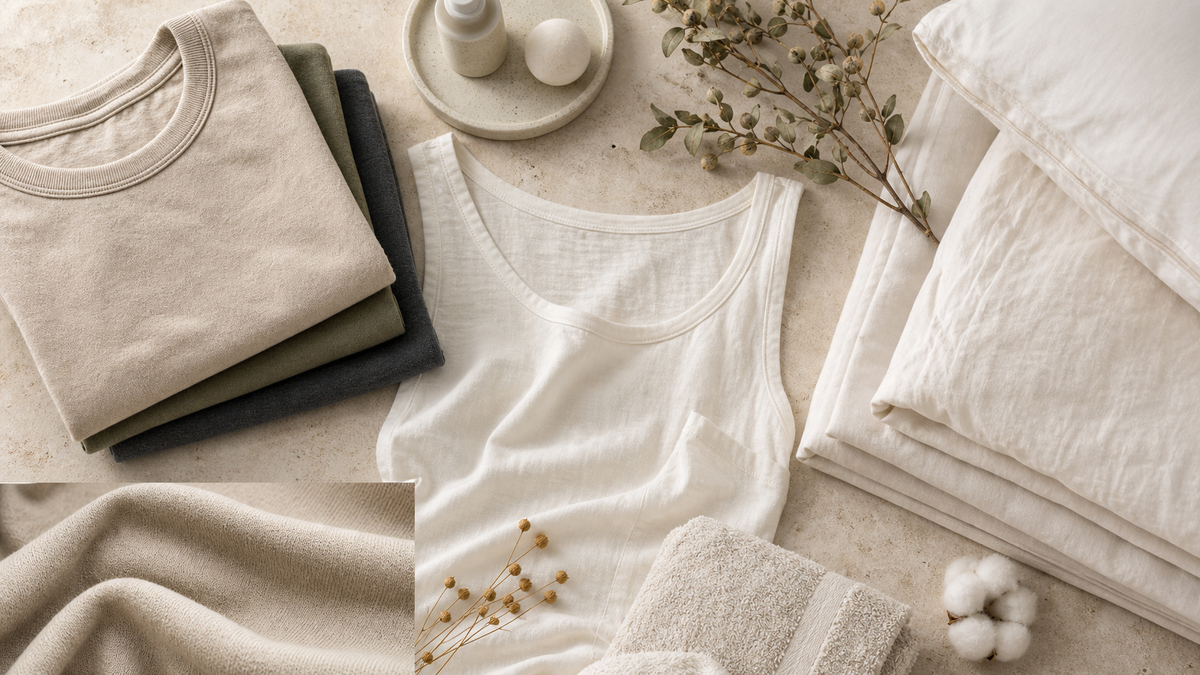
For IdyllVie, that framing makes sense. The live product mix already leans on stonewashed organic cotton tees, cotton-linen tanks, and organic-bedding education rather than performance-fabric hype. The brand language also stays close to softness, breathability, and elevated everyday comfort. This guide follows that logic, but with one important guardrail: organic cotton can help create a better baseline for sensitive skin, yet the real decision still depends on certification, finishing, construction, and care.
The Quick Answer
If you want the shortest version, look for organic cotton when you want a softer, more breathable everyday fabric and you also want better visibility into how the material was grown and processed.
But do not stop at the words "organic cotton." Check for:
- a credible certification, especially GOTS when you care about processing as well as fiber origin
- simple construction with flat or neat seams
- loose or easy fit instead of clingy friction-heavy fit
- low-fragrance laundering at home
- fewer rough trims, tags, coatings, or decorative extras against the skin
The practical goal is not to buy a miracle fabric. It is to reduce the number of things that can go wrong.
Why Sensitive Skin Shoppers Need to Look Beyond Fiber Alone
People often talk about fabric as if fiber is the whole story. It is not. For sensitive skin, irritation can come from multiple layers of the product:
- the fiber itself
- residual dyes or finishing chemicals
- rough seams or scratchy labels
- tight fit that creates more heat and friction
- detergent, softener, or dryer-sheet residue after washing
That broader view matches current dermatology guidance. The American Academy of Dermatology advises washing new clothes before wearing them because excess dyes and fabric finishers can irritate the skin, and it specifically notes that sensitive-skin laundry detergent may be beneficial while scented softeners and dryer sheets can contribute to irritation. The same guidance recommends tag-free options where possible because rubbing alone can be enough to trigger discomfort.
For shoppers with eczema-prone or reactive skin, the National Eczema Association lands in a similar place. Cotton is commonly recommended because it is soft and breathable, but the surrounding choices still matter. A rough cotton garment can still annoy the skin. A heavily fragranced laundry routine can undo the benefit of a good fabric. A beautifully made organic cotton tee that fits too tightly in humid weather may still feel worse than a looser, simpler one.
A Practical What-to-Check Table
| What to check | Why it matters for sensitive skin | Better sign |
|---|---|---|
| Fiber content | Mixed fibers can change softness, heat, and friction | 100% cotton or a mostly cotton build when softness is the priority |
| Certification | Not all "organic" claims cover the full textile process | GOTS for fiber plus chemical-processing restrictions; OCS for fiber-content tracking only |
| Dye and finish language | Extra coatings, harsh finishes, or vague claims may mean less clarity | Clear material labeling and simple finish descriptions |
| Seams and neckline | Rubbing often matters as much as fiber | Smooth seams, clean stitching, softer neck binding |
| Tags and trims | Small rough parts can cause outsized irritation | Tag-free construction or easy-to-remove soft labels |
| Fabric weight | Too thin can cling; too heavy can trap heat | Midweight breathable jersey for everyday wear |
| Care routine | Residue and high heat can make a good garment feel worse | Fragrance-free detergent, thorough rinse, lower heat |
This is where sensitive-skin shopping becomes more useful. Instead of asking, "Is organic cotton better?" ask, "Is this particular garment built and cared for in a way my skin will tolerate?"

What Organic Cotton Can Do Well
Organic cotton usually appeals to sensitive-skin shoppers for three reasons.
1. It stays close to the feel people already trust
Cotton is familiar. It tends to feel softer and less slippery than many synthetics, and it usually breathes better in everyday wear. If your skin reacts badly to fabrics that trap heat or feel plasticky, cotton is often the easiest reset point.
2. It can come with better process transparency
Textile Exchange describes organic cotton as cotton grown in systems that sustain soils, ecosystems, and people, with third-party certification required for organic claims. That does not mean every organic cotton product is automatically ideal for skin. It does mean the material story is usually more traceable than a vague generic basic with no credible standard attached.
3. The best standards also address chemical inputs
This is the most important distinction for sensitive-skin buyers. GOTS is more helpful than a generic "organic" claim because it goes beyond the farm. The GOTS Q&A explains that all chemical inputs such as dyes and process chemicals are assessed and must meet toxicity and biodegradability requirements, and it bans inputs like toxic heavy metals and formaldehyde. That does not make a GOTS item medical-grade or irritation-proof, but it does reduce the guesswork around processing.
In other words, sensitive-skin shoppers often care less about ideology and more about cleaner decision-making. Organic cotton with a strong textile standard can support that.
What Organic Cotton Cannot Promise
Organic cotton is not a cure for eczema, contact dermatitis, or unexplained rashes. If your skin is actively inflamed or your triggers are complex, fabric choice is only one lever.
The AAD's public guidance on contact dermatitis also reminds shoppers that clothing dye can be part of the problem. That means even a cotton garment may still be an issue if the dye, finish, or laundering routine is wrong for you. Sensitive skin can also react to sweat, friction, wool, fragrance, heat, and skincare ingredients. A fabric decision helps, but it is not the whole treatment plan.
That is why the most defensible claim is a simple one: organic cotton may be a better starting point for sensitive skin, especially when the product is also breathable, simply constructed, and carefully washed.
GOTS vs OCS: The Label Difference That Actually Matters
If you only remember one label lesson, make it this one.
GOTS
GOTS is the stronger signal when you care about the textile process as well as organic fiber. It covers the supply chain more broadly and places restrictions on chemical inputs and residue limits. For shoppers who want fewer unknowns around dyes, auxiliaries, and finishing, this is usually the label worth prioritizing.
OCS
The Organic Content Standard from Textile Exchange is still useful, but it answers a narrower question. OCS verifies the presence and amount of organically grown material and tracks chain of custody. It does not function as a full processing-chemicals standard in the same way GOTS does.
That means OCS can confirm organic content, while GOTS gives a stronger signal for people who are especially concerned about what happened after the fiber left the farm.
How to Shop the IdyllVie Assortment More Carefully
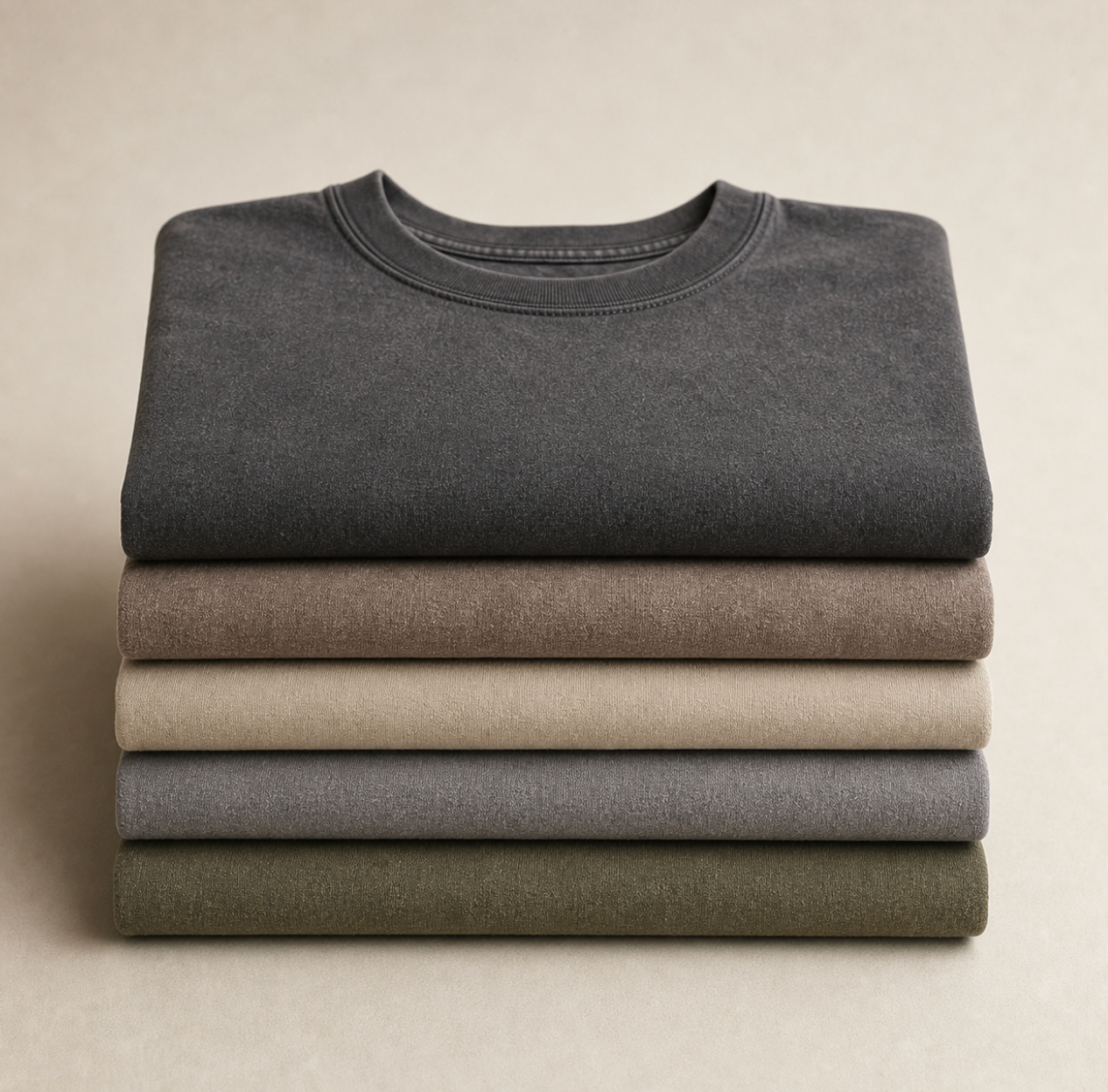
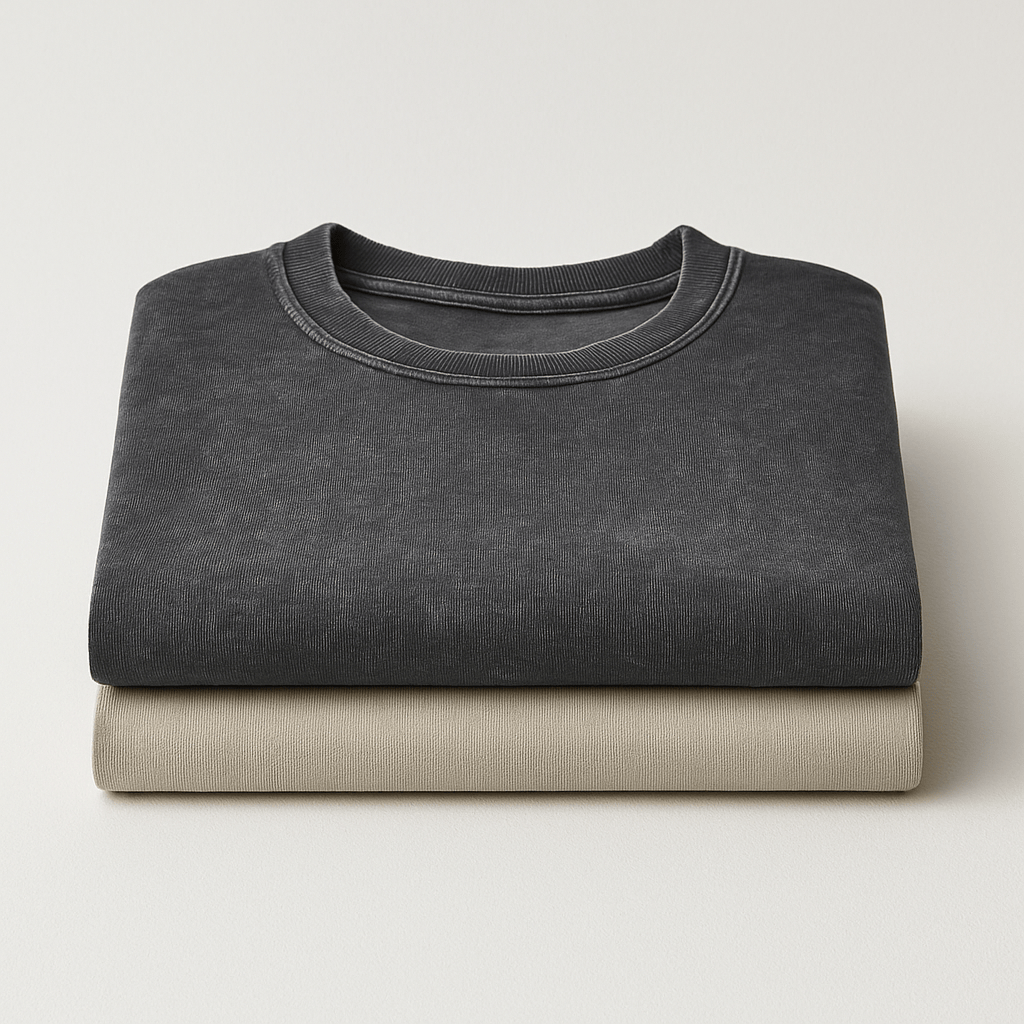
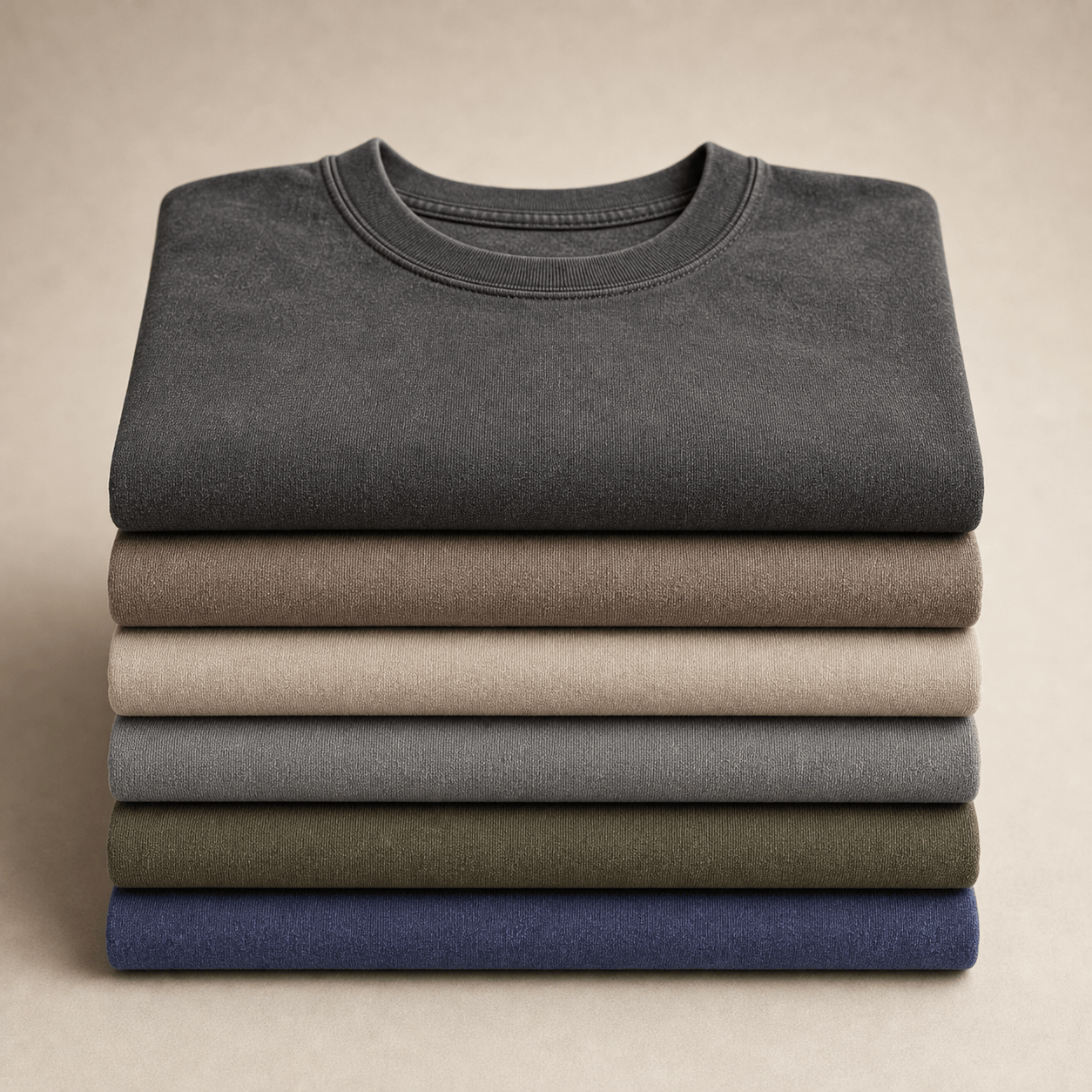
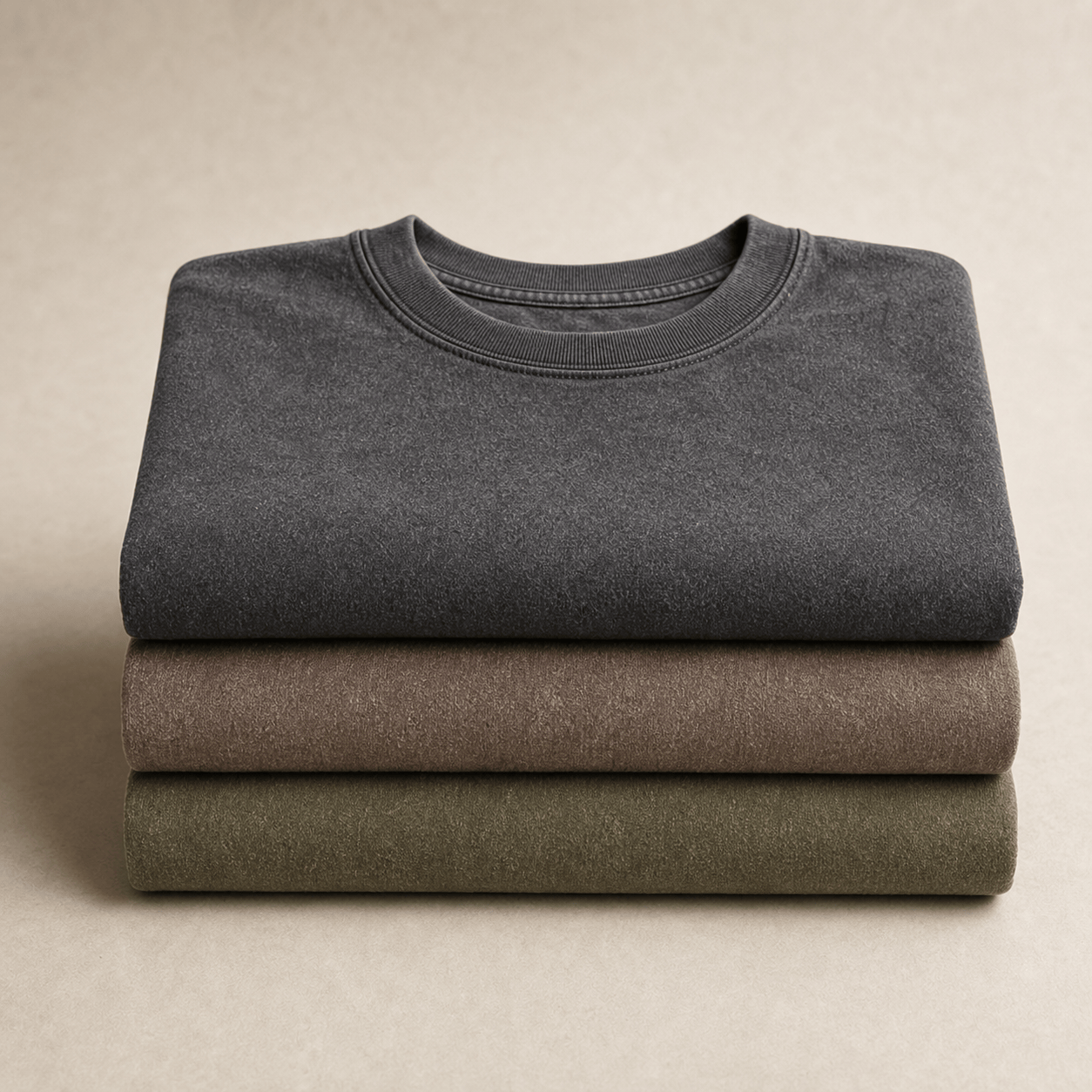
The live IdyllVie site already gives this article a natural product path. Current collection and article pages highlight men's organic cotton stonewashed tee multipacks, classic-fit cotton T-shirts, cotton-linen tank tops, and organic-bedding education. Those categories are useful because they match the three most common sensitive-skin shopping moments: the daily base layer, the warm-weather top, and the sleep environment.
For tees
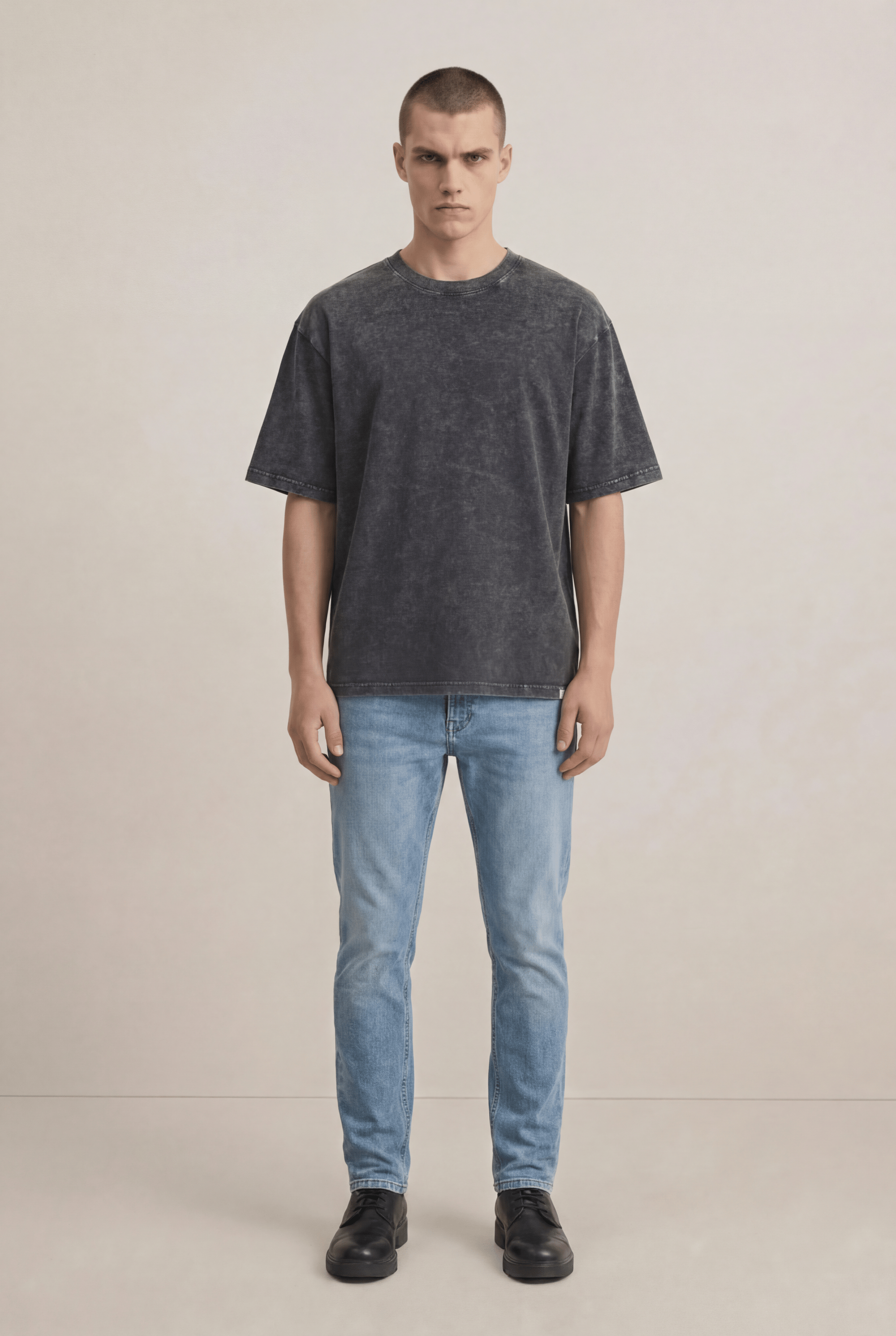
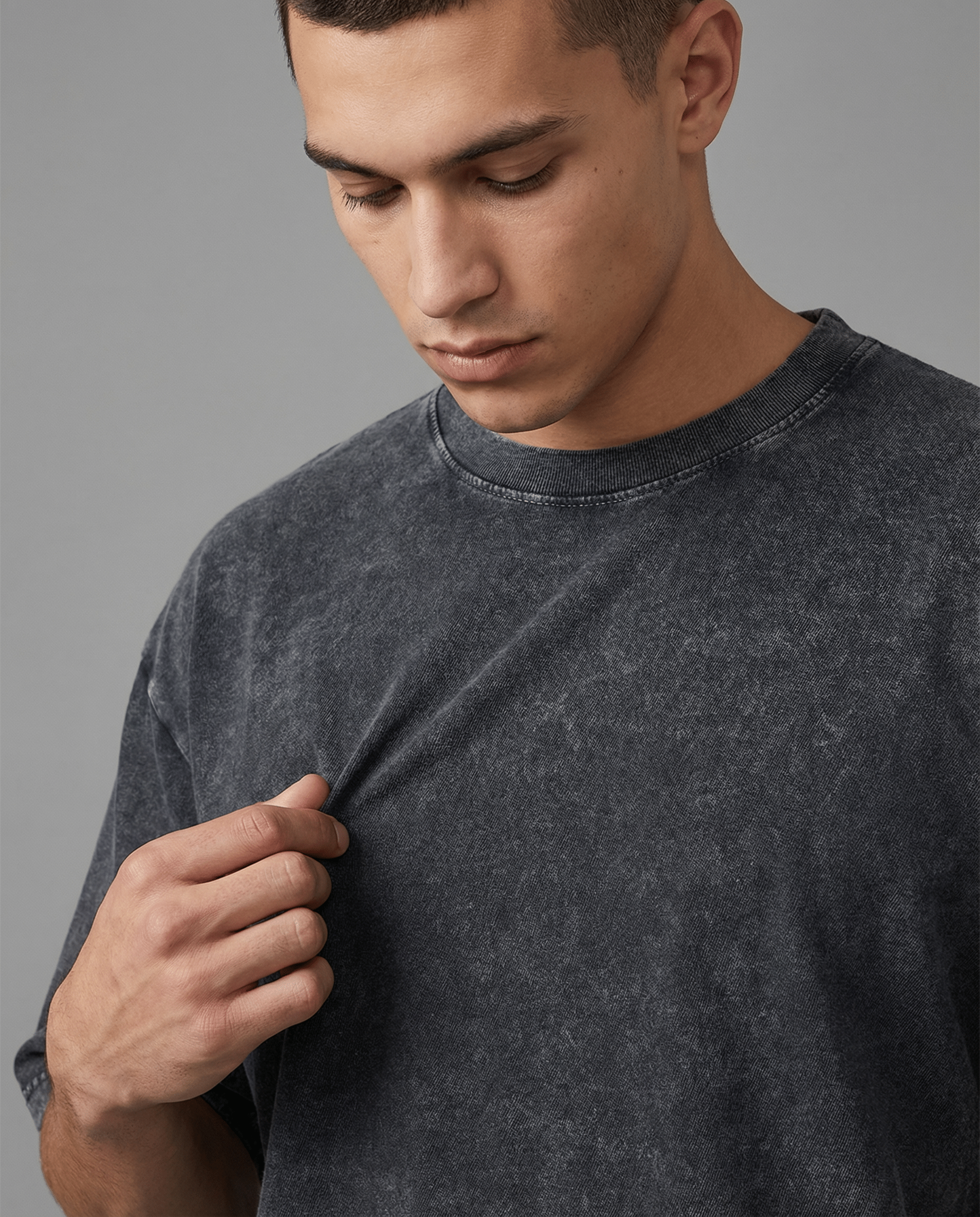
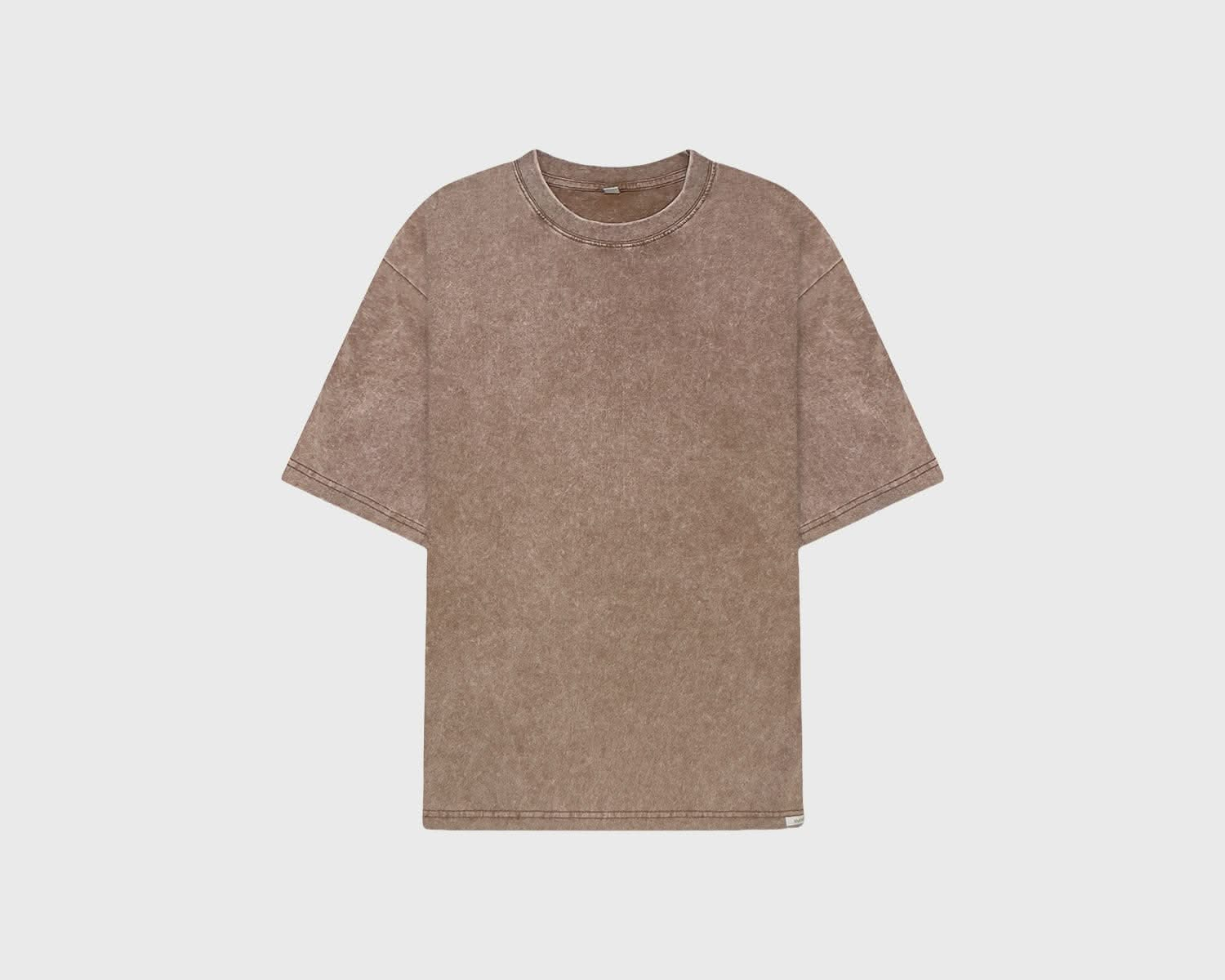
A stonewashed or preshrunk cotton tee can work well when the fabric feels soft without becoming flimsy. The main thing to check is not the marketing phrase alone but the everyday details:
- does the collar seam feel smooth
- is the weight breathable enough for your climate
- will the cut sit away from the body instead of clinging when warm
- can you wash it simply without special treatment
IdyllVie already leans into clean everyday layering language around these tees, which suits sensitive skin better than a compression or synthetic-performance story.
For tanks
Cotton-linen blends can be excellent in summer if your main issue is heat build-up. The tradeoff is that linen texture may feel drier or more textured than pure cotton. If your skin is reactive to friction more than warmth, a soft organic cotton tee may still be safer than a slubbier blend. If overheating is the bigger problem, the tank may win.
For bedding
This is where sensitive-skin shoppers often notice the biggest difference because the fabric stays against the body for hours. IdyllVie's current organic-bedding content already frames bedding as part of a healthier-feeling sleep environment. That is a reasonable use case. If your skin feels worse overnight, breathable cotton bedding and simpler laundering may matter as much as what you wear during the day.

The Best Buying Checklist for Sensitive Skin
Use this checklist before you buy:
- Start with the use case.
Is this for daily layering, hot-weather dressing, or sleep?
- Check the exact fiber content.
Do not assume the product title tells the whole story.
- Look for the strongest certification available.
Prefer GOTS when processing standards matter.
- Scan for friction points.
Neck seams, side seams, tags, lace, stiff prints, and contrast trims can all matter.
- Think about fit.
Looser often feels better than tighter when skin is irritated.
- Plan the care routine before the purchase.
If you are not going to wash it in a low-fragrance, lower-heat way, a lot of the benefit may be lost.
This is also the moment to be honest about color. If your skin is extremely reactive, starting with lighter neutrals and simpler finishes can be a practical move while you test what works for you.
Care Habits Matter Almost as Much as the Garment
The AAD guidance on eczema self-care is unusually practical here, and it maps well to clothing care:
- wash new clothes before first wear
- use a detergent made for sensitive skin if that helps you
- avoid scented softeners and dryer sheets
- use enough water for adequate rinsing
- choose tag-free items when possible
Those habits sound basic, but they are often the difference between "this fabric should work" and "this actually feels comfortable in real life." They also align with how IdyllVie already talks about buying better and keeping basics in rotation longer. A softer fabric is easier to appreciate when the wash routine is not adding new irritants back in.
The IdyllVie Way to Think About Sensitive-Skin Comfort
The most useful sensitive-skin wardrobe is usually not complicated. It is calm, breathable, and repetitive in the best way. A few reliable tees. One or two tanks for heat. Bedding that feels clean, soft, and easy to live with. Neutral colors. Fewer harsh extras. Better washing habits.
That is why organic cotton can make so much sense inside the IdyllVie universe. Not because it promises perfection, but because it fits a quieter standard of comfort: natural fibers, thoughtful construction, and pieces you can reach for often without second-guessing how they will feel by midday or overnight.
If you want the clearest takeaway, use this: buy the simplest soft thing with the strongest trustworthy label and the fewest obvious irritation points. For sensitive skin, that usually beats the trendier option.
Internal Links to Add
- IdyllVie About Us for the live brand positioning around thoughtful materials and understated comfort
- Best Organic Bedding: Top Picks & Guide 2026
- Organic Cotton vs Cotton: 2026 Comparison Guide
- How to Care for Organic Cotton T-Shirts So They Stay Soft Longer
- Premium Cotton T-Shirts: Why Preshrunk, Breathable Cotton Makes the Perfect Everyday Essential
- Tank Tops Womens Canada: Your 2026 Style Guide and Eco-Conscious Picks
FAQ
Is organic cotton always better for sensitive skin?
Not automatically. It is often a better starting point, but the result still depends on certification, dyes, seams, tags, fit, and how you wash the garment.
What label should I look for first?
If sensitive skin is the priority, GOTS is usually the most useful label because it addresses processing inputs as well as organic fiber. OCS is helpful for organic-content verification, but it does not cover processing in the same way.
Can clothing dye irritate the skin even if the fabric is cotton?
Yes. The American Academy of Dermatology notes that excess dyes and fabric finishers can irritate skin, which is why washing new clothes before wearing them is recommended.
Is organic cotton better than linen for irritated skin?
It depends on the trigger. Organic cotton is often softer and gentler at first touch, while linen is usually cooler and airier. If friction is the problem, cotton may feel better. If overheating is the problem, linen or a cotton-linen blend may help more.
What is the best way to wash clothes for sensitive skin?
Use a fragrance-free or sensitive-skin detergent, avoid dryer sheets and scented softeners, rinse thoroughly, and wash new garments before first wear.
Should I see a doctor if my skin still reacts to clothing?
Yes. If irritation is persistent, painful, widespread, or hard to explain, a dermatologist can help you sort out whether the issue is eczema, contact dermatitis, friction, detergent residue, dye sensitivity, or something else.












0 comments