
When you’re looking for organic cotton t-shirts in Canada, you’re doing more than just shopping. You're joining a movement of people who are choosing quality and conscience over the fleeting trends of fast fashion. The best organic tees bring together incredibly soft, durable fabric with ethical production, creating something far better than a conventional cotton shirt—for your skin and for the planet.
Why Choose Organic Cotton T-Shirts
So, why are so many Canadians making the switch to organic cotton? It helps to think of it like this: conventional cotton is the fast food of the fabric world. It’s quick and cheap, but it comes with hidden costs for the environment and the people who grow it. Organic cotton, on the other hand, is the farm-to-table equivalent—thoughtfully produced, better for you, and healthier for the planet. This isn't just another trend; it's a conscious choice.
This shift is already making a huge impact. In Canada, the market for sustainable fabrics, with organic cotton in a leading role, reached USD 2,619.2 million in 2024 and is expected to climb to USD 9,570.4 million by 2035. As Canadians continue to prioritize sustainability, organic fabrics are claiming the largest market share, especially when you consider that growing organic cotton uses up to 91% less water than conventional methods.
To give you a clearer picture, here’s a quick comparison of the two.
Organic Cotton vs Conventional Cotton At a Glance
This table breaks down the fundamental differences between how organic and conventional cotton are grown and what that means for the final product and the planet.
| Feature | Organic Cotton | Conventional Cotton |
|---|---|---|
| Pesticide Use | No synthetic pesticides or fertilizers; uses natural methods. | Heavy use of synthetic pesticides and chemical fertilizers. |
| Water Consumption | Primarily rain-fed, using significantly less irrigated water. | Requires extensive irrigation, straining local water sources. |
| Soil Health | Builds healthy, fertile soil through crop rotation and composting. | Degrades soil quality and leads to erosion over time. |
| Fibre Quality | Fibres are longer, stronger, and softer as they aren't damaged by chemicals. | Fibres can be weakened and damaged by harsh chemical processing. |
| Human Health | Safer for farmers and wearers; no harmful chemical residues. | Exposes farmers to toxic chemicals; residues can remain in the fabric. |
As you can see, the benefits of choosing organic go far beyond just a label. It’s a completely different approach to agriculture and textile production from the ground up.
The Environmental Advantage
The most powerful reason to choose organic is its dramatically smaller environmental footprint. Conventional cotton farming is notoriously demanding and is often called one of the "dirtiest crops" because of its heavy dependence on synthetic pesticides and fertilizers. These chemicals don't just disappear; they seep into our waterways and soil, disrupting entire ecosystems.
Organic farming, in contrast, builds a healthier system right from the start. It works by:
- Eliminating Toxic Pesticides: Farmers rely on natural methods like crop rotation and introducing beneficial insects to manage pests, which protects water quality and local biodiversity.
- Conserving Water: Since most organic cotton is rain-fed, it drastically reduces the strain on rivers, lakes, and underground aquifers.
- Improving Soil Health: By avoiding harsh chemicals, organic methods create rich, fertile soil that is naturally more resilient to both drought and erosion.
A Difference You Can Feel
Beyond the clear environmental wins, the quality of an organic cotton t-shirt is something you can actually feel. Because the cotton fibres aren't broken down by harsh chemical treatments, they stay longer, stronger, and much softer.
The result is a t-shirt that not only feels exceptionally soft against your skin but is also more durable. It holds its shape better wash after wash, resists pilling, and will last significantly longer than its conventional counterpart.
This focus on quality is a cornerstone for Canadian brands like IdyllVie, proving that style and sustainability can and should go hand-in-hand. By choosing a thoughtfully made garment, you're investing in a piece designed to last. To see how this philosophy is put into practice, you can read our deep dive into using organic cotton clothes in Canada. It's a choice that feels good, looks good, and does good.
How to Read Sustainable Clothing Labels
Stepping into the world of sustainable fashion can feel overwhelming, especially with all the different labels and claims on a simple organic cotton t-shirt. It’s easy to get lost. But think of these labels less as jargon and more as your only real tool against "greenwashing"—when brands make big claims with little to back them up.
A proper certification is like a passport for your t-shirt. It proves the garment passed specific, rigorous checks on its journey from a cotton field to your closet. Without that stamp, a vague term like "eco-friendly" is just marketing. Learning to spot the right logos is what empowers you to buy with genuine confidence.
This decision tree gets to the heart of the matter. If you want a better tee, the path leads straight to organic.

It shows that making a conscious choice points directly to organic cotton, solidifying its place as the superior option for anyone looking for quality and sustainability.
Decoding the Most Important Certifications
While plenty of eco-labels are out there, you really only need to know two to cut through the noise. Focusing on these will help you quickly identify high-quality, ethically made apparel in Canada.
-
GOTS (Global Organic Textile Standard): This is the gold standard, and for good reason. A GOTS logo doesn’t just mean the cotton was grown organically. It guarantees every single step of the production process—from dyeing and weaving to the final stitching—met strict environmental and social criteria. This covers everything from a complete ban on toxic chemicals to fair labour practices.
-
Oeko-Tex Standard 100: This one is all about human health and safety. If a t-shirt has this certification, it means every component, right down to the thread and buttons, has been tested for over 100 harmful substances. It’s your assurance that the final product is completely safe for your skin.
Think of it this way: GOTS certifies the entire organic and ethical process, while Oeko-Tex confirms the final product is safe to wear. The very best organic cotton t-shirts will often carry both.
This shift toward certified goods is no accident. Canadian shoppers are increasingly prioritizing traceable, sustainable materials over disposable fashion. It's a conscious move away from quantity and toward quality. And it makes sense—organic cotton requires 62% less energy to produce than its conventional counterpart. This consumer-led trend is reshaping the market, pushing brands to be more transparent.
By understanding these key labels, you can confidently filter your choices and find pieces that are genuinely better. To go a step further, check out our complete guide on building a wardrobe with sustainable clothing in Canada.
Finding Your Perfect T-Shirt Fit And Feel

Finding an organic cotton t-shirt you’ll reach for day after day comes down to the details. Beyond the certifications and cotton type, the tangible qualities of the fabric are what make a tee feel just right. This is where fabric weight and special finishes transform a simple garment into a true wardrobe staple.
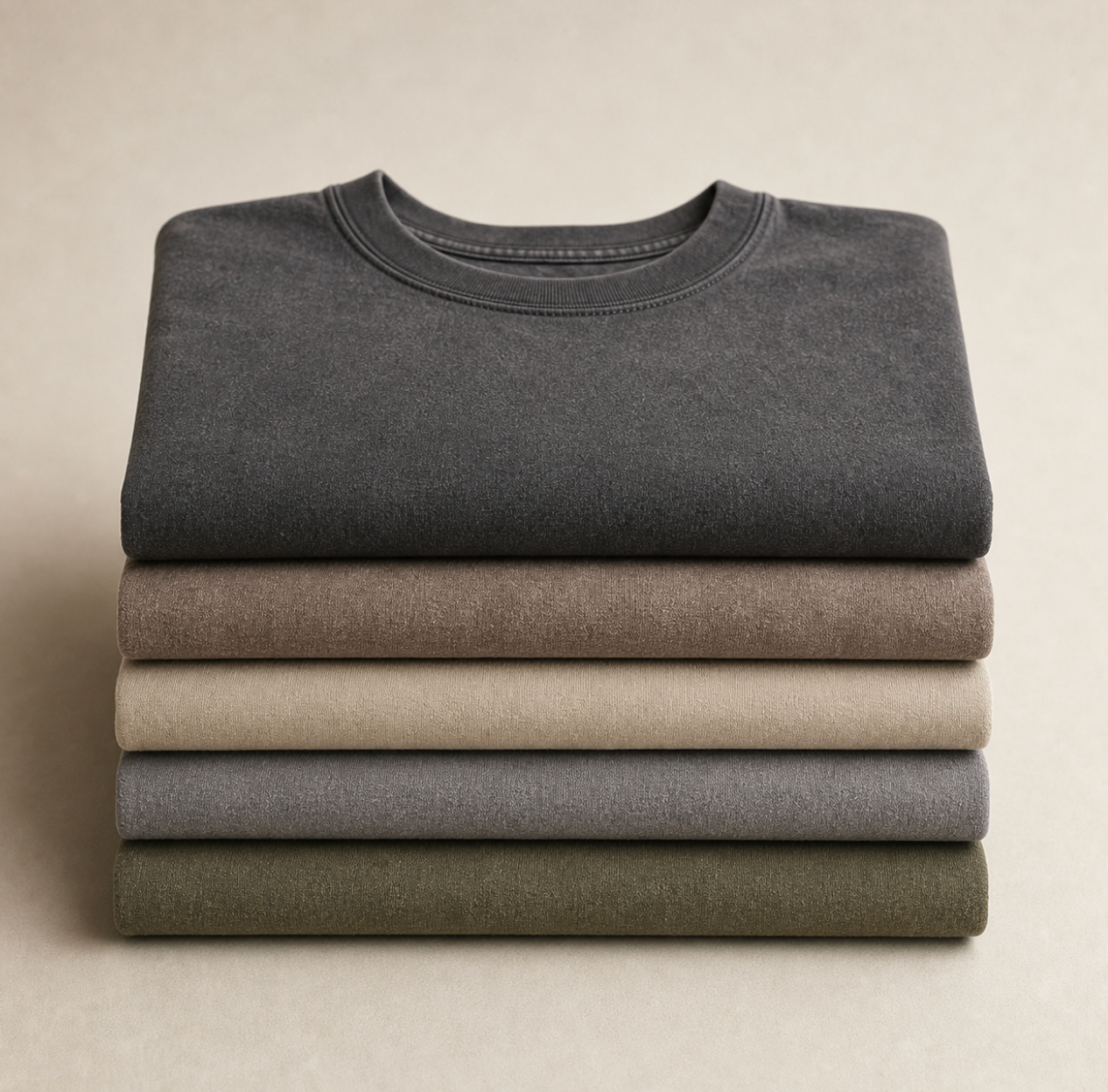
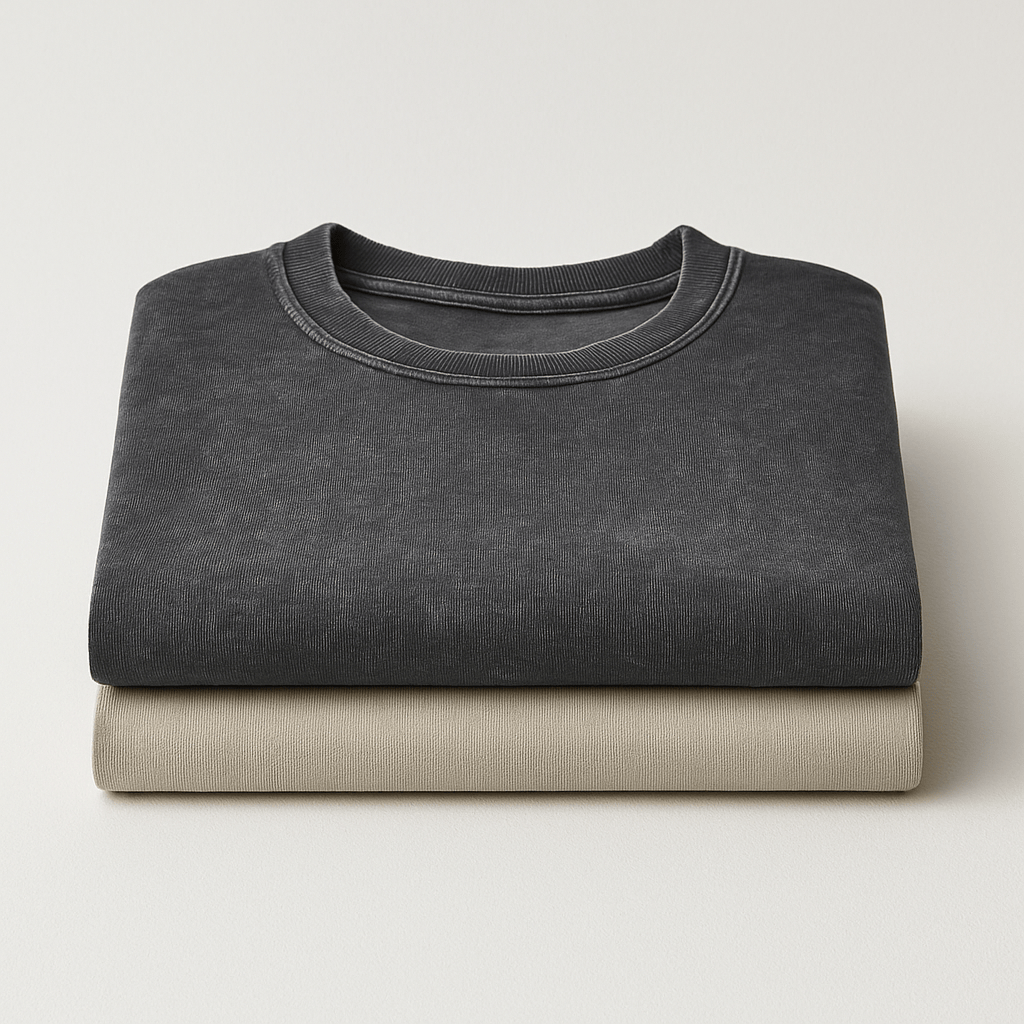
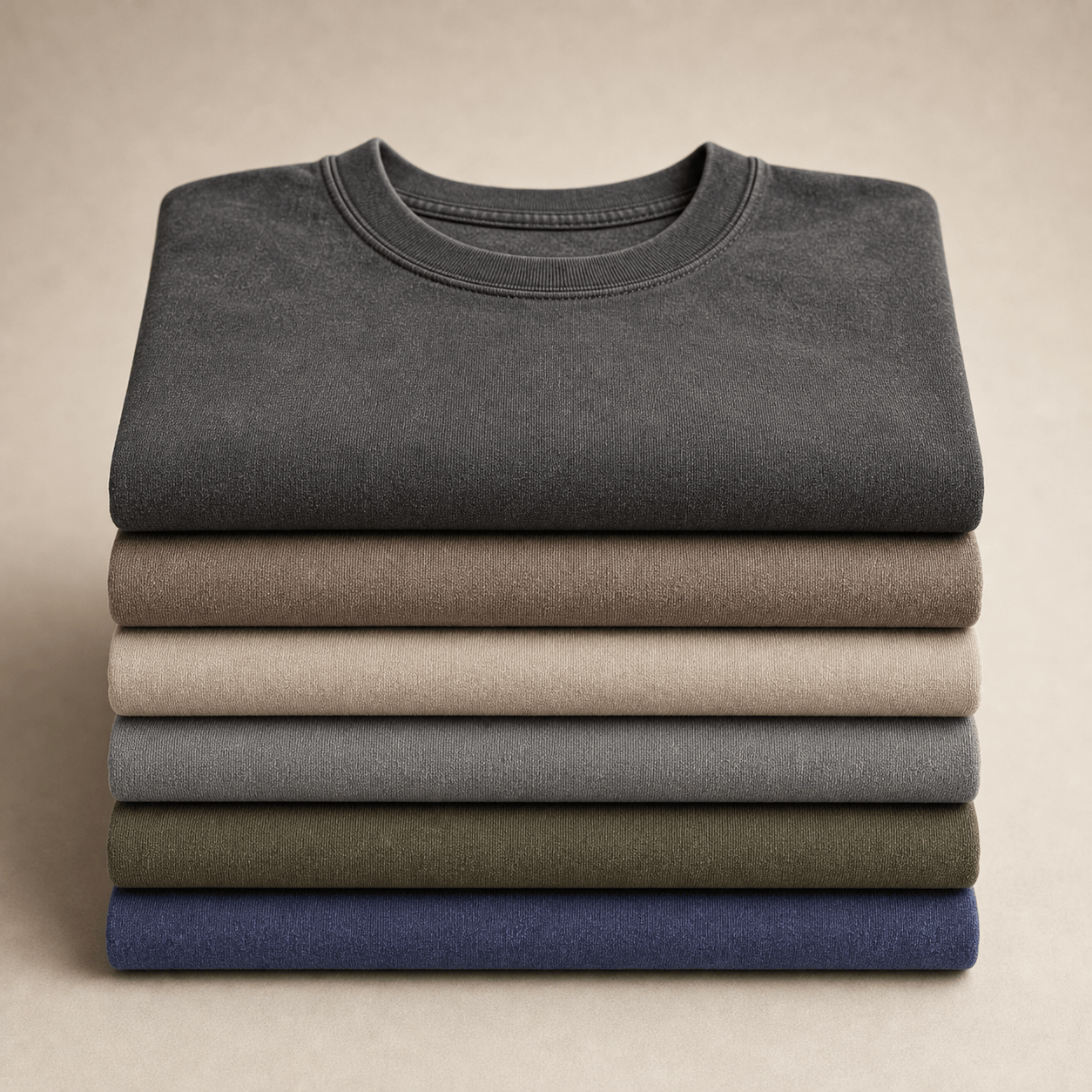
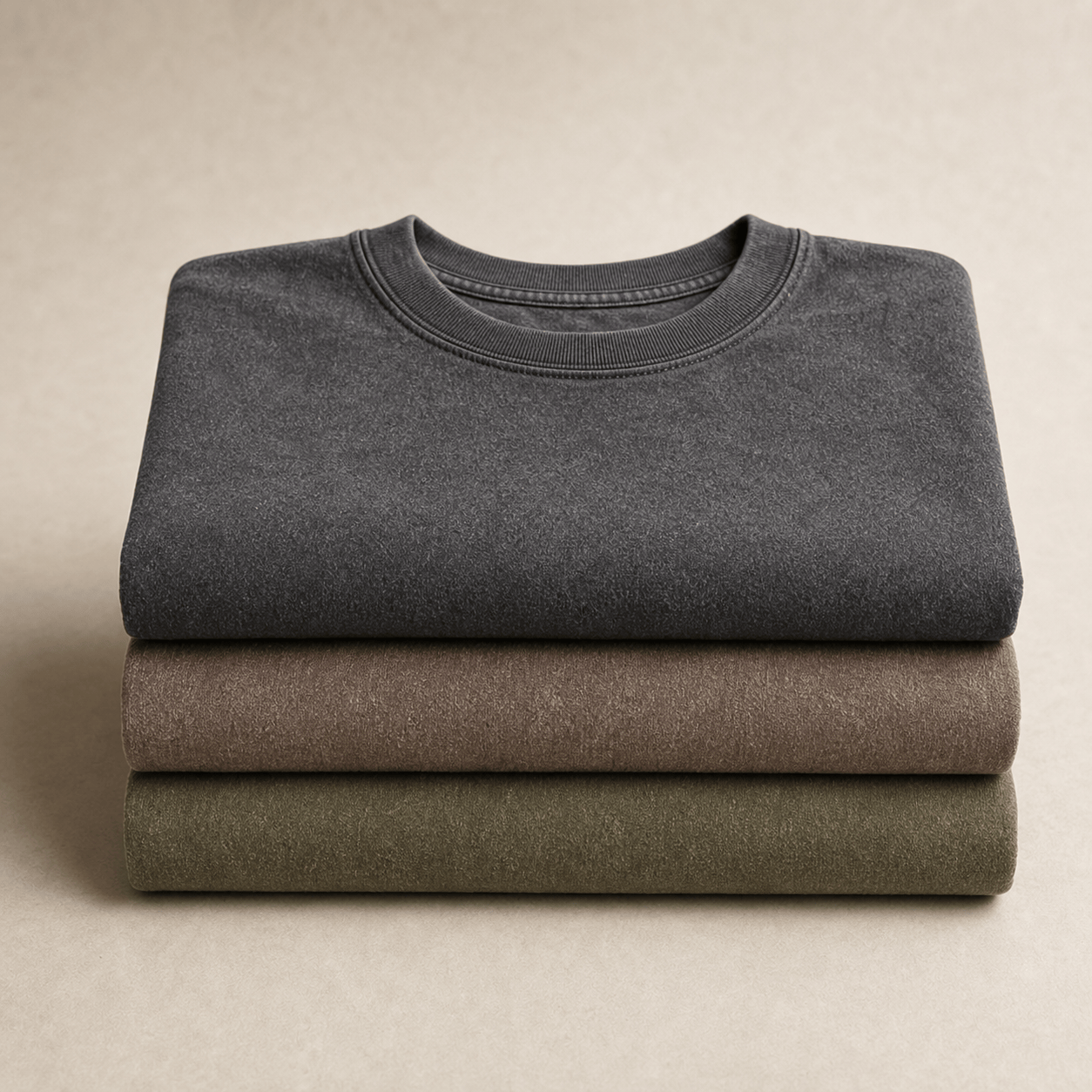
Think of a heavyweight tee as a reliable, structured layer. Its dense fabric gives it a premium feel and a clean drape, making it perfect for cooler Canadian evenings or as a standalone piece that holds its shape. This isn't about being bulky; it's about a substantial, durable feel that signals quality from the first wear.
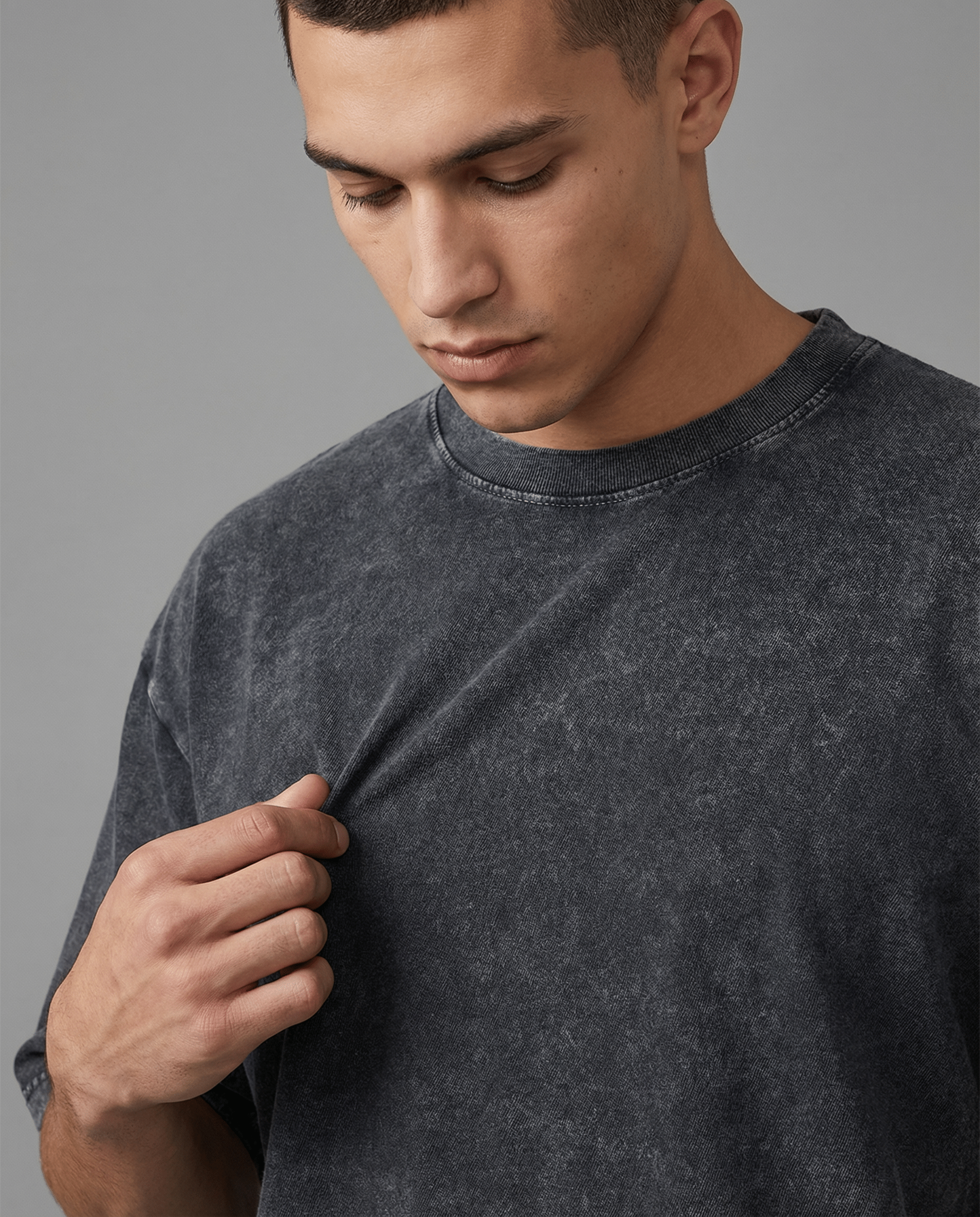
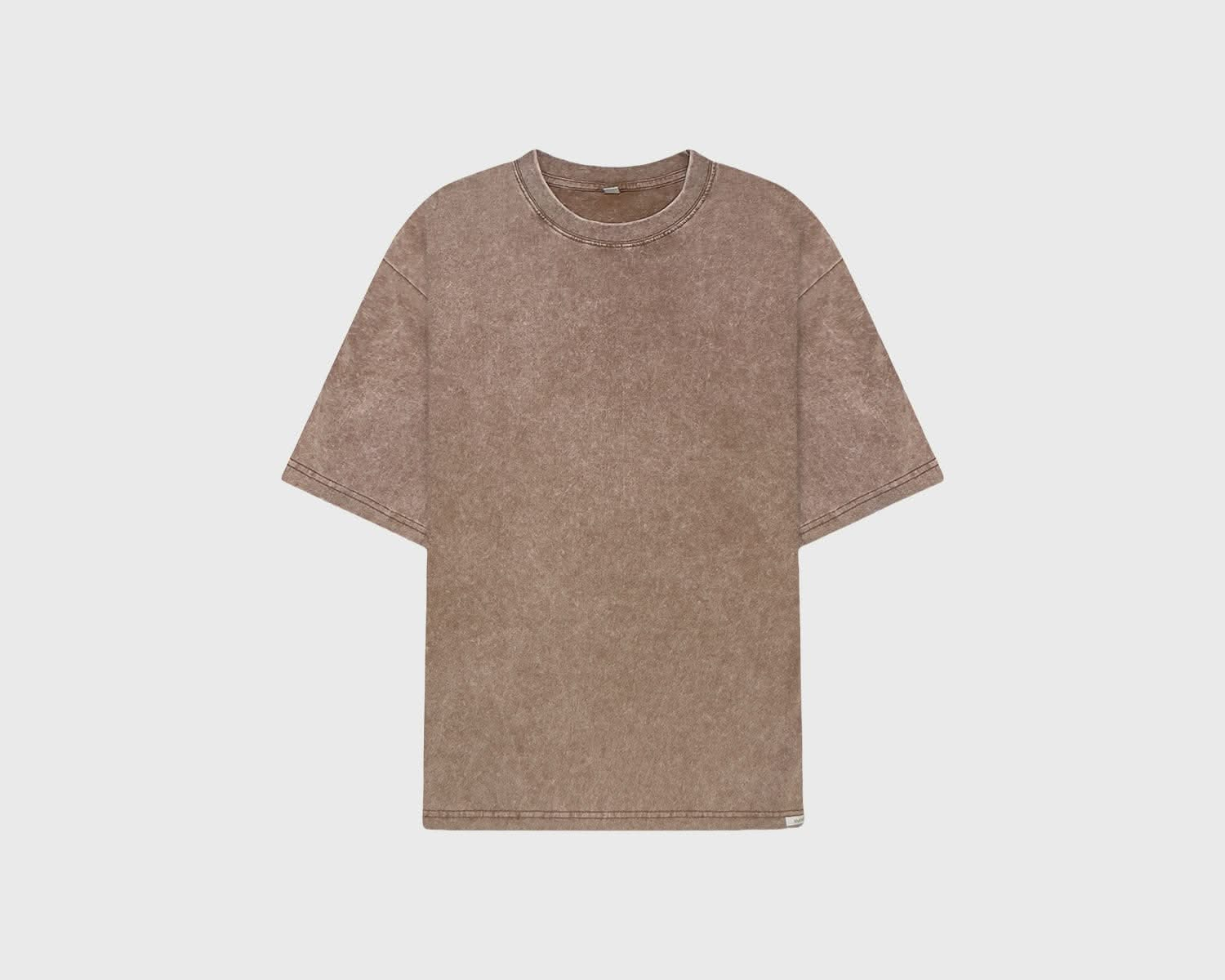
A stonewashed finish, on the other hand, delivers that perfectly broken-in softness you’d expect from a shirt you’ve loved for years—but right out of the box. This process gives the fabric an incredible hand-feel and a slightly faded, lived-in look that’s effortlessly stylish. It’s the secret to achieving that comfortable, favourite-tee feeling instantly.
Understanding Fabric Weight or GSM
To really get a sense of your next t-shirt’s feel before you buy, it helps to understand GSM (Grams per Square Metre). This number is simply the metric weight of the fabric, and it's the best indicator of how heavy or light a garment will feel against your skin.
- Lightweight (150-180 GSM): Think of a classic summer tee. It’s breathable and light, ideal for hot days or as a base layer under a sweater.
- Midweight (190-220 GSM): This is the versatile all-rounder. It’s substantial enough to avoid being sheer but remains comfortable for year-round wear. Most standard t-shirts fall into this category.
- Heavyweight (230-320+ GSM): Here is where you find premium, durable tees with a more structured silhouette. Brands like IdyllVie use heavyweight organic cotton for a luxurious feel that holds its shape and is built to last.
Choosing the right GSM comes down to personal preference and how you intend to wear the shirt. A heavyweight tee offers a more defined look, while a lightweight one provides a more relaxed, casual drape.
For the varied Canadian seasons, a mix of midweight and heavyweight organic cotton tees is a smart move. It gives you options for layering and adapting to temperature changes with ease, from a cool spring morning to a crisp autumn afternoon.
Styling Different Fits And Finishes
The beauty of a high-quality t-shirt lies in its versatility. The way you style it depends almost entirely on the fit and finish you choose.
For instance, a structured heavyweight tee pairs perfectly with tailored trousers or a sharp jacket for a refined smart-casual look. Its clean lines and substantial fabric elevate the entire outfit, proving a t-shirt can be sophisticated.
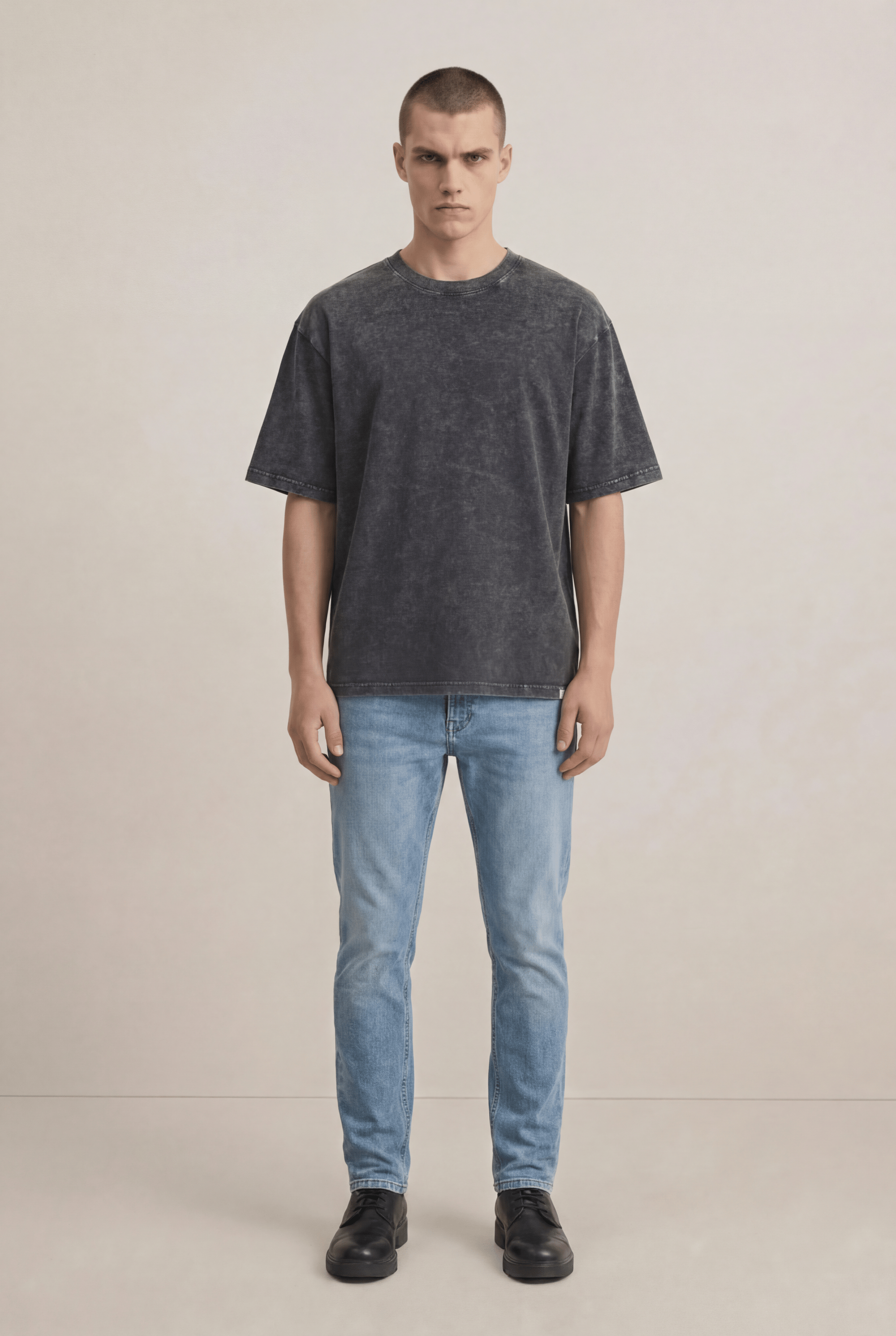
A stonewashed tee, with its relaxed and softened texture, is a natural fit for more casual, laid-back styles. Pair it with your favourite jeans or a pair of shorts for an everyday look that feels authentic and comfortable. The subtle texture from the wash adds a touch of visual interest that a standard flat-finish tee might lack.
Ultimately, finding the perfect organic cotton t-shirts in Canada is about matching the fabric's character to your own. Whether you prefer the robust structure of a heavyweight fabric or the instant comfort of a stonewashed finish, understanding these details helps you choose a t-shirt that not only looks great but feels incredible to wear.
How to Make Your Organic T-Shirts Last Longer
Choosing a high-quality organic cotton t-shirt is the right start. Protecting that investment is what comes next. With a few simple care habits, you can dramatically extend the life of your favourite tees, making sure they keep their softness, colour, and shape for years.
This goes beyond just reading the laundry tag; it’s about understanding the fabric itself. The "buy less, buy better" philosophy really comes to life when you learn how to make the beautiful clothes you already own last.
The Rules of Washing
The most important moments in your t-shirt’s life happen in the laundry room. Getting this part right preserves the natural integrity of the organic cotton fibres.
-
Wash in Cold Water: Hot water is the enemy of natural fibres. It can cause cotton to shrink and will fade colours over time. Cold water is gentler on the fabric and saves energy—a win for both your t-shirt and the environment.
-
Turn It Inside Out: Before every wash, turn your t-shirts inside out. This simple move protects the outer surface from friction and pilling, which is especially important for shirts with prints or special finishes.
-
Use a Gentle Detergent: Harsh detergents can strip the natural softness from organic cotton. Opt for a mild, eco-friendly detergent that cleans effectively without damaging the fibres.
Drying and Stain Removal
How you dry your organic cotton tees is just as important as how you wash them. The intense heat of a machine dryer is one of the biggest culprits behind fabric damage and shrinkage.
Air-drying is your t-shirt's best friend. Laying your tees flat or hanging them to dry naturally is the single best way to maintain their original shape and size. It prevents the stress that tumbling in a hot dryer puts on the seams and fabric.
When spills and stains inevitably happen, act quickly but gently. Dab the spot with a clean cloth using a mix of mild soap and cold water. Try to avoid harsh chemical stain removers, as they can weaken or discolour the fabric. For tougher stains, a simple paste of baking soda and water often does the trick without damaging the material.
Following these simple steps keeps your shirts looking and feeling great. This level of care is especially rewarding for garments with unique textures. For example, knowing the process behind a sustainable stonewash finish helps you appreciate exactly why gentle care is so essential to its longevity.
Your Checklist for Shopping Sustainable Tees in Canada

You’ve got the knowledge—now it’s time to put it to work. This checklist is built for Canadian shoppers ready to invest in high-quality organic cotton t-shirts in Canada. It’s about moving past the noise, finding real value, and choosing brands that earn their place in your wardrobe.
A smart purchase goes beyond the price tag. It’s about understanding the true, long-term worth of a well-made garment.
The True Value of a Premium Tee
It’s easy to look at a $15 fast-fashion shirt next to a $60 organic cotton tee and see only the upfront cost. The real metric, though, isn’t the price—it’s the cost-per-wear.
A cheaply made tee might survive a single season before it stretches out, pills, or fades into something unrecognizable. In contrast, a durable, heavyweight organic cotton shirt is engineered to last for years, becoming a reliable staple you reach for without a second thought. Its superior fibres, ethical production, and timeless design make it a smarter long-term investment.
Think of it this way: one high-quality, ethically made t-shirt is far more economical and sustainable than buying and discarding several disposable ones. It's a mindset shift that more and more Canadian consumers are making as they recognize the lasting benefit of durable goods.
Finding Canadian-Friendly Brands
When you’re shopping for organic cotton t-shirts in Canada, finding brands that make the entire experience feel effortless is just as important as the product itself. This is where a Toronto-based brand like IdyllVie stands out, pairing quality garments with a customer-first approach.
Here’s what to look for when choosing where to buy:
- Transparent Shipping Policies: Unexpectedly high shipping costs can kill a purchase. Look for brands offering reasonable rates or, even better, a free shipping threshold. For example, IdyllVie offers free shipping on Canadian orders over $150, making it easier to stock up on a few quality pieces at once.
- Hassle-Free Returns: A good return policy shows a brand's confidence in its product. A 30-day window, like the one from IdyllVie, gives you plenty of time to make sure the fit, feel, and style are exactly what you wanted.
- Flexible Payment Options: Services that let you "Shop Now, Pay Later" make premium items more accessible by letting you split the cost over time, often without interest.
This preference for quality isn't just a feeling; it's backed by data. While the global organic cotton market is set to hit USD 50.78 billion by 2034, much of North America's growth is driven by a new awareness around ethical sourcing. Organic cotton also saves an incredible 71% more water than conventional cotton—a critical detail as Canada looks toward greener textile solutions. You can explore more on the organic cotton market on fortunebusinessinsights.com.
By choosing brands that deliver an exceptional product and a seamless customer experience, your shift to a sustainable wardrobe becomes both rewarding and enjoyable. Investing in a brand like IdyllVie means you're not just buying a t-shirt; you're supporting a Canadian business committed to quality, transparency, and a better way of making clothes.
Common Questions About Organic Cotton T-Shirts
To round things out, let's tackle some of the most common questions people have when switching to organic cotton. These quick, clear answers should clear up any final doubts and give you the confidence to choose better. We'll cover everything from price and value to decoding labels, making sure you’re ready to start building a more sustainable wardrobe.
Are Organic Cotton T-Shirts Really Worth the Price?
Yes, absolutely. The higher upfront cost of a quality organic cotton t-shirt translates directly to better long-term value, especially for shoppers in Canada who value durability. The secret is in the fibres.
Because organic cotton isn't weakened by harsh chemical processing, its fibres stay longer and stronger. This means your t-shirt will last significantly longer, hold its shape better, and resist the frustrating pilling that plagues cheaper garments.
When you factor in the positive environmental impact and the assurance of ethical manufacturing, the price reflects a smart investment in a garment you’ll wear for years, not just a single season. It's about cost-per-wear, not just the initial ticket price.
What Is the Difference Between GOTS and 100 Percent Organic Cotton?
This is a critical distinction that separates a simple material claim from a truly sustainable product. Think of it this way: the label "100% organic cotton" only describes the raw material. It tells you how the cotton was grown, but nothing more.
GOTS (Global Organic Textile Standard) certification, on the other hand, covers the entire journey of the garment. It’s a holistic standard that guarantees the cotton was grown organically and that every step after—dyeing, weaving, and sewing—met strict environmental and social criteria.
This includes:
- A Ban on Toxic Chemicals: Ensures no harmful dyes or finishes are used.
- Fair Labour Practices: Protects workers with safe conditions and fair wages.
- Water Treatment: Requires all wastewater to be treated before it’s discharged.
A GOTS label is your ultimate guarantee of a truly ethical and sustainable product, from the farm all the way to your closet. It's the gold standard for organic cotton t-shirts in Canada.
How Can I Spot Greenwashing from a Genuinely Sustainable Brand?
The best way to spot greenwashing is to look for transparency and proof over vague, feel-good language. A genuinely sustainable brand won’t just use buzzwords like "eco-friendly" or "natural." They will back up their claims with concrete details and certifications.
Here are a few things to look for:
- Specific Certifications: A brand committed to sustainability will proudly display labels like GOTS or Oeko-Tex.
- Material and Factory Information: They will be open about where their materials come from and where their garments are made.
- Holistic Commitments: Look for other signs of a deeper philosophy. Do they use compostable packaging, like IdyllVie does? Do they focus on timeless designs over fleeting trends?
Authenticity is in the details and a comprehensive commitment to better practices, not just clever marketing. A trustworthy brand gives you the information you need to feel confident in your purchase.
Ready to experience the difference a truly premium organic cotton t-shirt can make? Explore the thoughtfully designed collection at IdyllVie and find timeless staples crafted with integrity. Shop the collection now.
Drafted with the Outrank app












0 comments