
A lot of sweater decisions happen in a rushed moment. You step outside with coffee in hand, feel a cool breeze, and reach for the knit that seems safe. By lunch, you're too warm indoors. By evening, the air turns damp, and the same sweater feels different on your skin.
That daily push and pull is why 100 cotton sweaters deserve a closer look. Cotton can be soft, breathable, easy to wear, and beautifully understated. It can also disappoint when the knit is flimsy, the yarn is rough, or the weather turns wet and cold.
People often treat “100% cotton” as if it tells you everything. It doesn't. Fibre quality, yarn preparation, knit structure, finishing, and care all shape how a sweater feels after one wear, one wash, and one year. If you live in Canada, climate adds another layer. A cotton sweater that feels ideal in a bright Toronto spring can behave very differently in coastal rain or indoor winter heat.
The Search for the Perfect Layer
The go-to sweater usually isn't the flashiest one in the wardrobe. It's the one that feels easy. It slips over a tee without clinging, breathes on the commute, and still looks composed after a long day.
For many people, that piece is a cotton knit. You might want something softer than wool, less slippery than silk, and more polished than a sweatshirt. Cotton often sits in that middle ground. It feels familiar, but a well-made sweater in this fibre can also feel refined.
The challenge is that two garments with the same fibre label can perform nothing alike. One may feel dense and smooth, with a clean neckline and cuffs that recover after wear. Another may sag at the elbows, twist after washing, or lose its shape by the end of the season.
That difference matters more when you shop mindfully. If you want fewer clothes and better ones, material knowledge stops being abstract. It becomes practical. You start asking better questions in the fitting room, and you make choices that suit your climate, your routine, and your standards.
A sweater becomes valuable when you trust it. Not when it only looks good on the day you buy it.
The Anatomy of a 100 Percent Cotton Sweater
“100% cotton” sounds straightforward. In reality, it describes only the fibre content. It doesn't tell you how the cotton was grown, how the yarn was prepared, how the fabric was knitted, or how the finished garment will behave over time.

Start with the fibre
Cotton is a cellulose fibre, which means it comes from a plant rather than an animal. That matters because plant fibres tend to feel dry, clean, and breathable against the skin.
But cotton itself isn't one uniform material. Fibre length, smoothness, and cleanliness all influence the final sweater. To illustrate, take wood in furniture: Oak, walnut, and pine are all wood, yet they don't wear or feel the same. Cotton works similarly.
A better fibre usually leads to a smoother yarn. A smoother yarn usually leads to a neater, more resilient sweater.
One useful reality check is weight. A standard 100% cotton sweater weighs about 441 grams on average, and producing that garment requires roughly 219 grams of cotton-fibre equivalence after production waste. In Canada, the system around that garment also depends heavily on imported inputs. The country brought in over 100,000 metric tons of raw cotton and yarns in 2023 to support brands working with natural fibres, according to this cotton sweater and textile trade analysis.
Then look at the yarn
Once cotton is harvested, it has to be spun into yarn. This stage changes the handfeel more than many shoppers realise.
Two broad categories help explain what you're touching:
- Carded yarn tends to feel fuzzier and more casual. It can be lovely in relaxed knits, but it often has a slightly less clean surface.
- Combed yarn is more refined. Shorter stray fibres are removed, so the yarn usually feels smoother and looks more even.
If a cotton sweater feels polished rather than hairy, the yarn is often doing the work. That smoothness also affects pilling, drape, and the way light moves across the surface.
The knit structure shapes the garment
A sweater isn't woven like a shirting fabric. It's knitted. Loops interlock, and those loops determine stretch, texture, and body.
A few common structures are worth knowing:
| Knit structure | What it feels like | What it does well |
|---|---|---|
| Jersey | Smooth and flat | Light layering, easy drape |
| Rib | Springy and elastic | Cuffs, hems, close fit |
| Cable | Textured and dimensional | Visual depth, cosy structure |
| Slub knit | Subtle irregular texture | Relaxed surface, casual character |
The same cotton fibre can feel crisp, airy, dense, or plush depending on the knit. That's why a cotton crewneck can feel office-ready while another reads more like weekend loungewear.
Construction is part of the anatomy too
The sweater doesn't end at the fibre and knit. Its finishing details matter just as much.
Check the neckline. Look at the join where sleeve meets body. Notice whether the hem lies flat or rolls awkwardly. Good construction often looks quiet. Nothing shouts for attention because nothing is fighting the garment's shape.
What the label can't tell you: Fibre content explains what a sweater is made from. It doesn't tell you whether it was made well.
When you understand the anatomy of cotton knitwear this way, “100% cotton” stops being a marketing phrase. It becomes a starting point.
The Feel and Function of Cotton A Breath of Fresh Air
Cotton earns its place in a wardrobe because it feels easy to live in. For many people, especially those who dislike the itch of animal fibres, that comfort is immediate.
Why cotton feels good on skin
Cotton is breathable, soft, and familiar. It doesn't trap heat in the same way many synthetic knits can, and it often layers well over a tee or under a coat without feeling slippery.
That makes it especially useful for indoor-outdoor dressing. In a heated office, a cotton sweater can feel calm and balanced instead of stifling. On a mild day, it often gives enough coverage without the heavy insulation of wool.
If you already like the feel of substantial cotton basics, the same logic applies in knitwear. The balance of softness and airflow is part of why preshrunk, breathable cotton works so well in everyday essentials.
Where people get confused
Many shoppers assume “natural fibre” automatically means “warm.” That's where cotton gets misunderstood.
Cotton is comfortable. It isn't always insulating in the way people expect.
According to this fibre science explanation of cotton warmth, cotton's smooth fibre structure absorbs 8 to 10% of its weight in moisture, and that moisture stays close to the skin. Water conducts heat away 25 times faster than air, which can reduce the perceived warmth of a damp cotton sweater by 20 to 30% when temperatures drop below 5°C.
Real Canadian conditions matter
In this context, climate becomes practical, not theoretical.
In a dry, bright spring in Calgary or a cool September day in Toronto, a cotton sweater often feels excellent. It breathes, layers neatly, and doesn't overwhelm indoor spaces.
In cold, wet conditions, the picture changes. A damp cotton knit in coastal rain can start drawing warmth away from the body instead of holding it close. That's why cotton often shines as a transitional layer, not a deep-winter outer layer in wet weather.
Here are the easiest ways to understand it:
- For spring and early autumn: cotton is often ideal on its own or over a light base.
- For indoor winter wear: it works well when homes and offices are heated.
- For wet, near-freezing days: pair it with protective outerwear, or consider a fibre with stronger insulation when damp.
- For travel: cotton is useful when you need one piece that can move between warmer interiors and cooler outdoor air.
A cotton sweater isn't failing when it feels cool in the rain. It's behaving exactly like cotton.
What comfort really means
The best use of cotton is not pretending it does everything. It's choosing it for what it does well.
A well-made cotton sweater offers clean comfort, breathable structure, and all-day wearability. If you respect its limits in damp cold, it becomes one of the most useful layers in a thoughtful wardrobe.
How to Identify a High Quality Cotton Knit
A high-quality cotton sweater usually reveals itself before you ever check the brand tag. Your hands notice it first. The fabric feels settled rather than limp, and the shape looks deliberate rather than vaguely sweater-shaped.

What to check in the first thirty seconds
Start with the surface. Hold the sweater up and look for consistency.
A strong cotton knit usually has an even texture. The stitches shouldn't look loose in one area and tight in another. You also don't want a fabric that looks shiny from strain or fuzzy before it's even been worn.
Then try this short inspection:
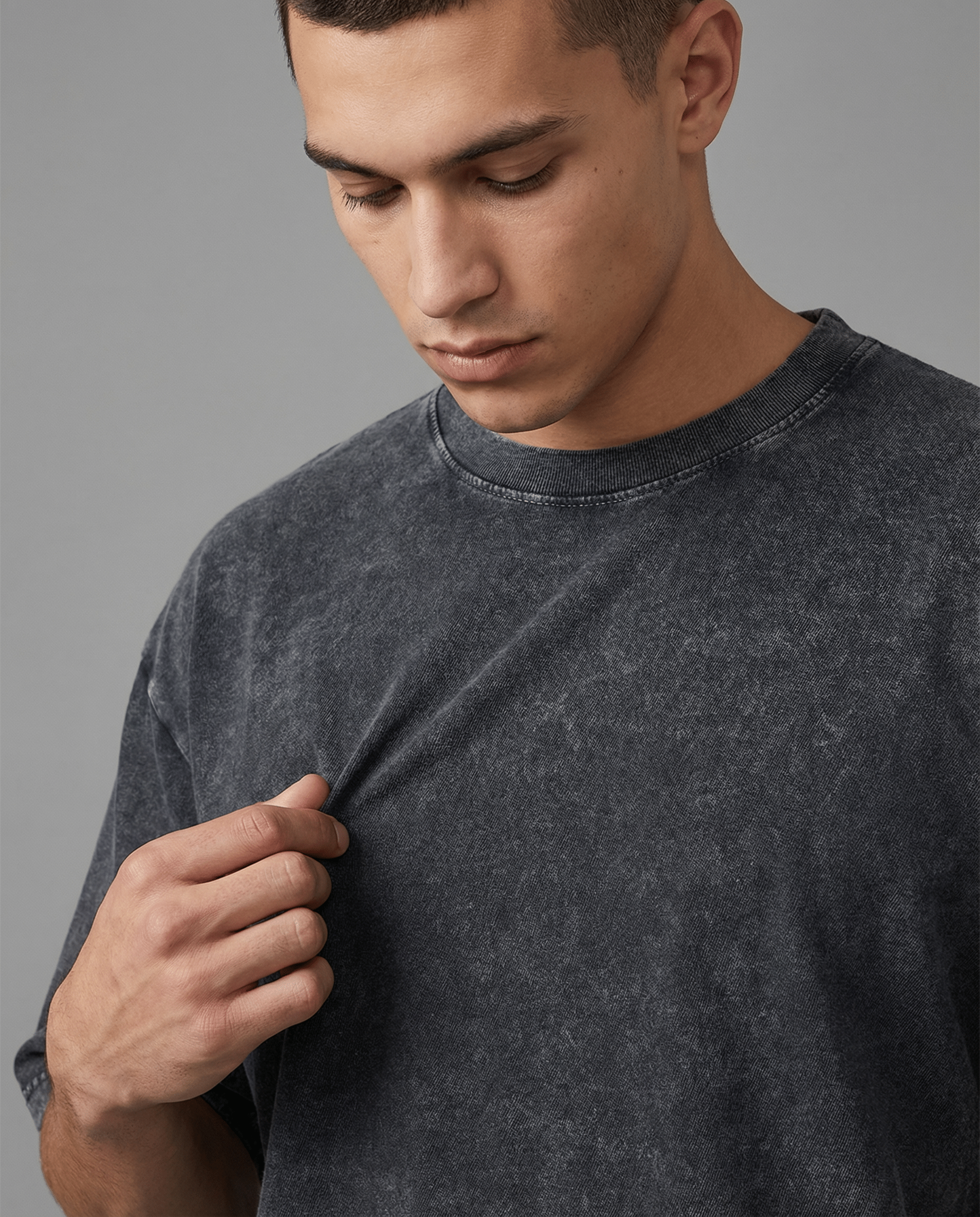
- Run your palm over the body: It should feel smooth or intentionally textured, not scratchy, papery, or weak.
- Lift the hem: A better knit has some body. It doesn't collapse like a thin dishcloth.
- Check the cuffs and waistband: These areas should feel springy and return to shape after a light stretch.
Stretch matters more than people think
Many shoppers associate stretch with synthetics, but knit structure alone can create meaningful flexibility in cotton.
According to technical guidance on 100% cotton slub sweater knit, high-quality cotton sweater knits can show 75% horizontal stretch and 40% vertical stretch. That mechanical stretch helps a sweater recover after wear.
Without enough inherent recovery, sweaters can develop up to 5% torque distortion after laundering, which often shows up as twisted side seams, wavy hems, and stretched-out shapes.
That may sound technical, but the visible result is simple. The sweater stops hanging straight.
Store test: Gently stretch the body with both hands, then release. A better knit settles back. A weaker one stays rumpled or grows longer in your hands.
Look closely at the finishing
Quality often hides in the quiet details.
A neat neckline should sit flat without buckling. Shoulder seams should look clean and balanced. If the sweater has rib trim, the rib should feel supportive rather than decorative.
Good finishing also affects longevity. If one side seam twists or the hem flares before washing, the garment is already showing you its future.
For readers who like seeing knit construction in motion, this short demonstration is useful:
A fitting room checklist
When you're deciding between two cotton sweaters, use your senses more than the sales copy.
| What to inspect | Good sign | Warning sign |
|---|---|---|
| Knit density | Even and stable | Patchy or overly open |
| Recovery | Springs back after stretch | Stays bagged out |
| Hem and cuffs | Flat and tidy | Rippling or rolling |
| Seams | Smooth and aligned | Twisted or bulky |
| Handfeel | Soft with substance | Thin, rough, or limp |
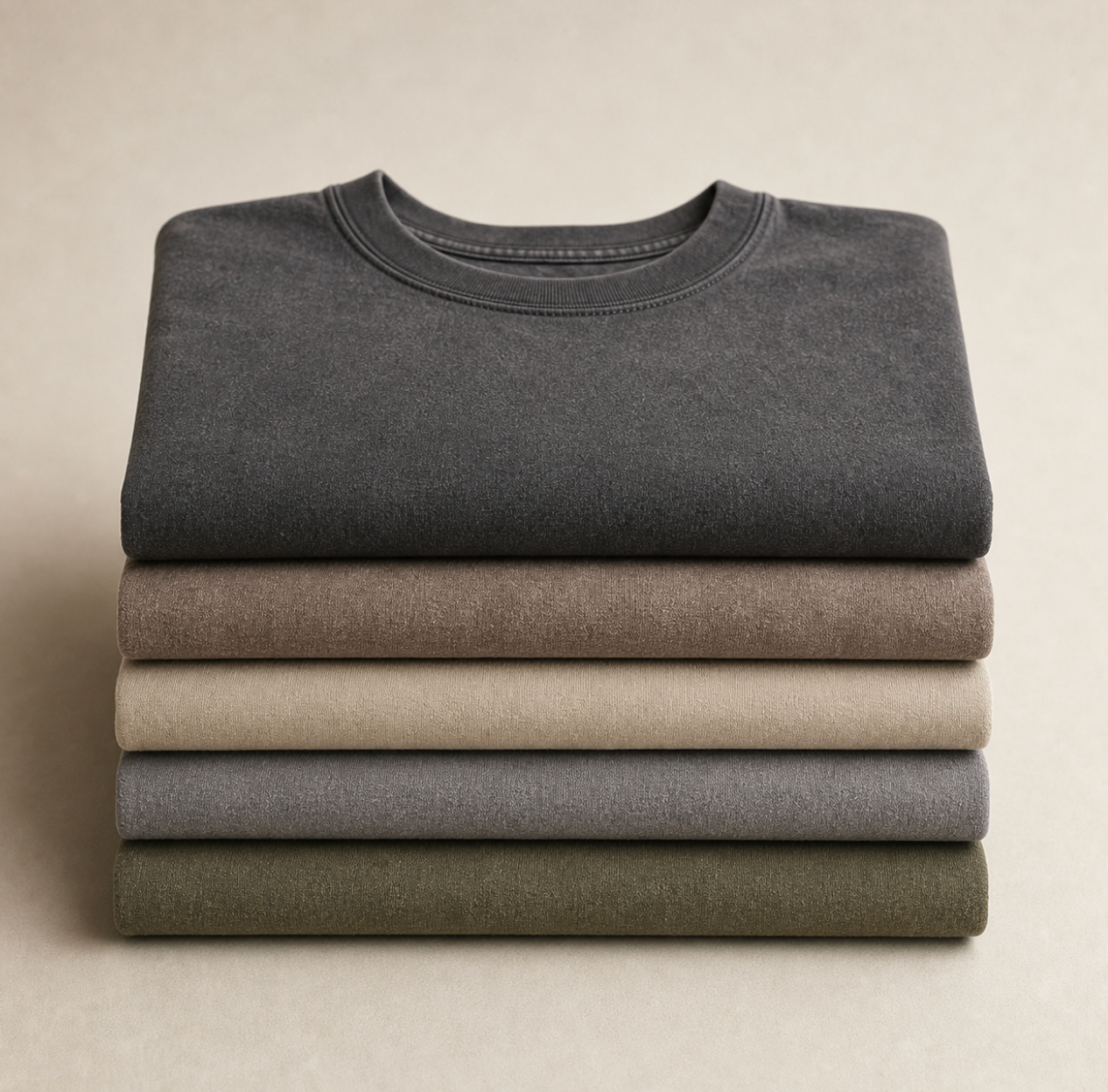
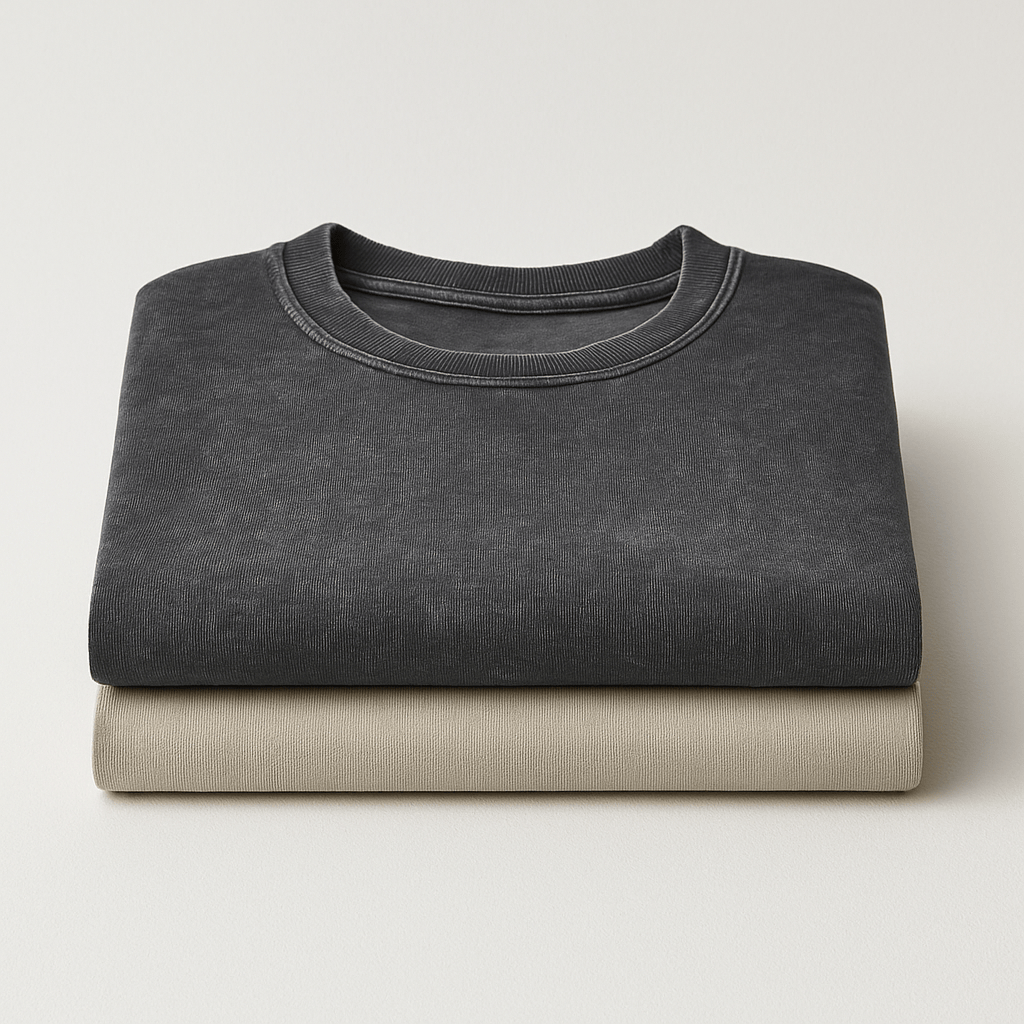
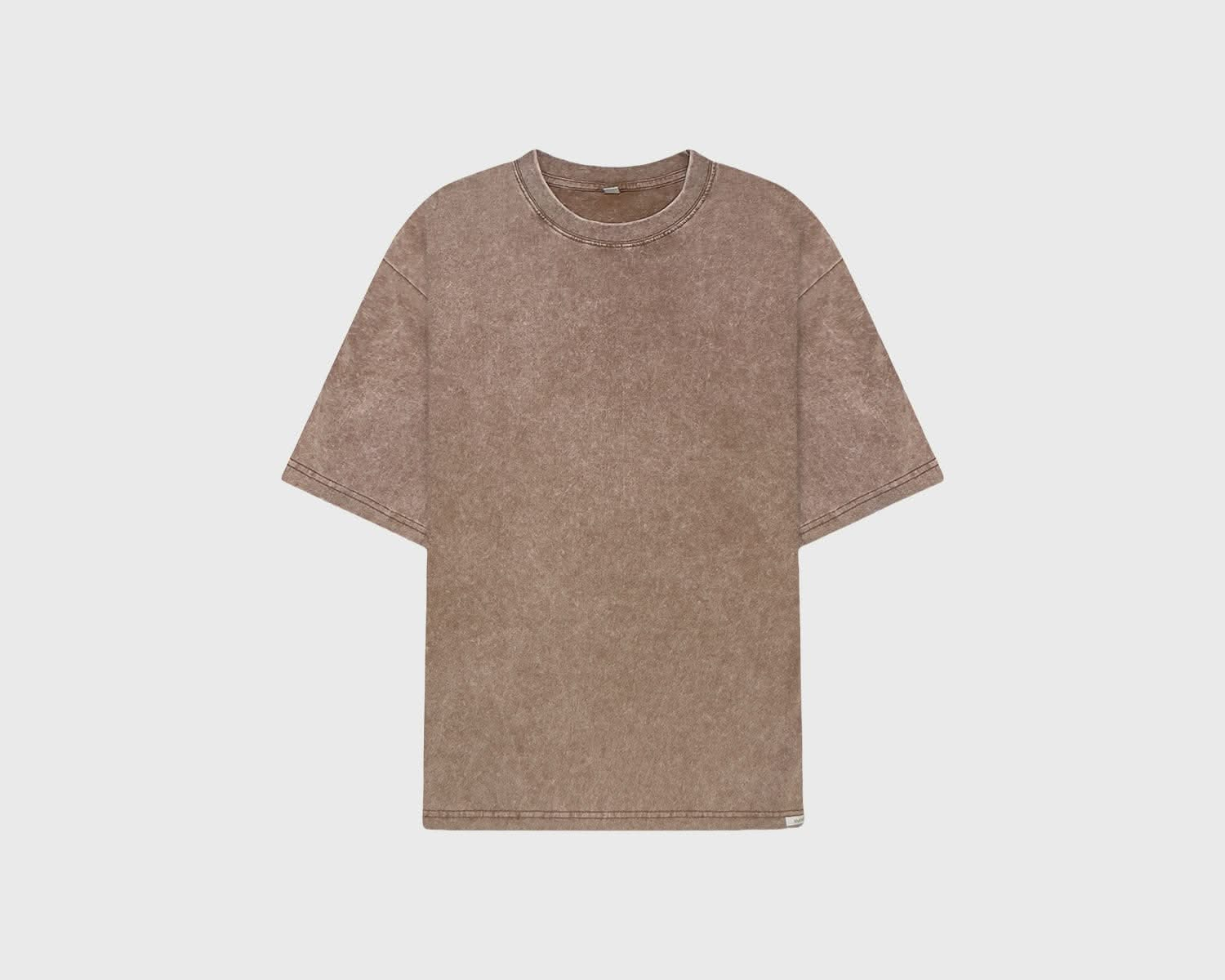
One factual example fits here. IdyllVie offers a black crew neck sweater made from 100% organic cotton. In practical terms, that places it in the category of sweaters people often seek for softness, breathability, and everyday wear, but the same inspection rules still apply. You still want density, recovery, and clean finishing.
Small signs often predict long wear
You don't need a lab to judge a sweater well. You need patience.
Turn it inside out. Tug the cuff. Look at how the side seam hangs. Touch the fabric twice, not once. The goal isn't to become suspicious of every garment. It's to recognise that quality in cotton knitwear is usually tangible.
Cotton vs Other Natural Fibres When to Choose What
No fibre does every job well. The smartest wardrobe choices happen when you match the material to the moment.

The quick comparison
Cotton often wins on everyday comfort and ease. Wool usually performs better in cold and damp conditions. Alpaca tends to feel cosier and more insulating for quiet, indoor warmth.
Here is a practical side-by-side view:
Natural Fibre Comparison Cotton vs. Wool vs. Alpaca
| Fibre | Warmth | Breathability | Moisture Handling | Best For |
|---|---|---|---|---|
| Cotton | Moderate | High | Absorbs moisture and can feel cool when damp | Mild weather, indoor wear, sensitive skin |
| Wool | High | High | Handles moisture well while maintaining warmth | Cold weather, outdoor use, active layering |
| Alpaca | High | Moderate to high | Better warmth retention than cotton | Stationary warmth, elevated comfort, cosy layers |
Cotton for everyday balance
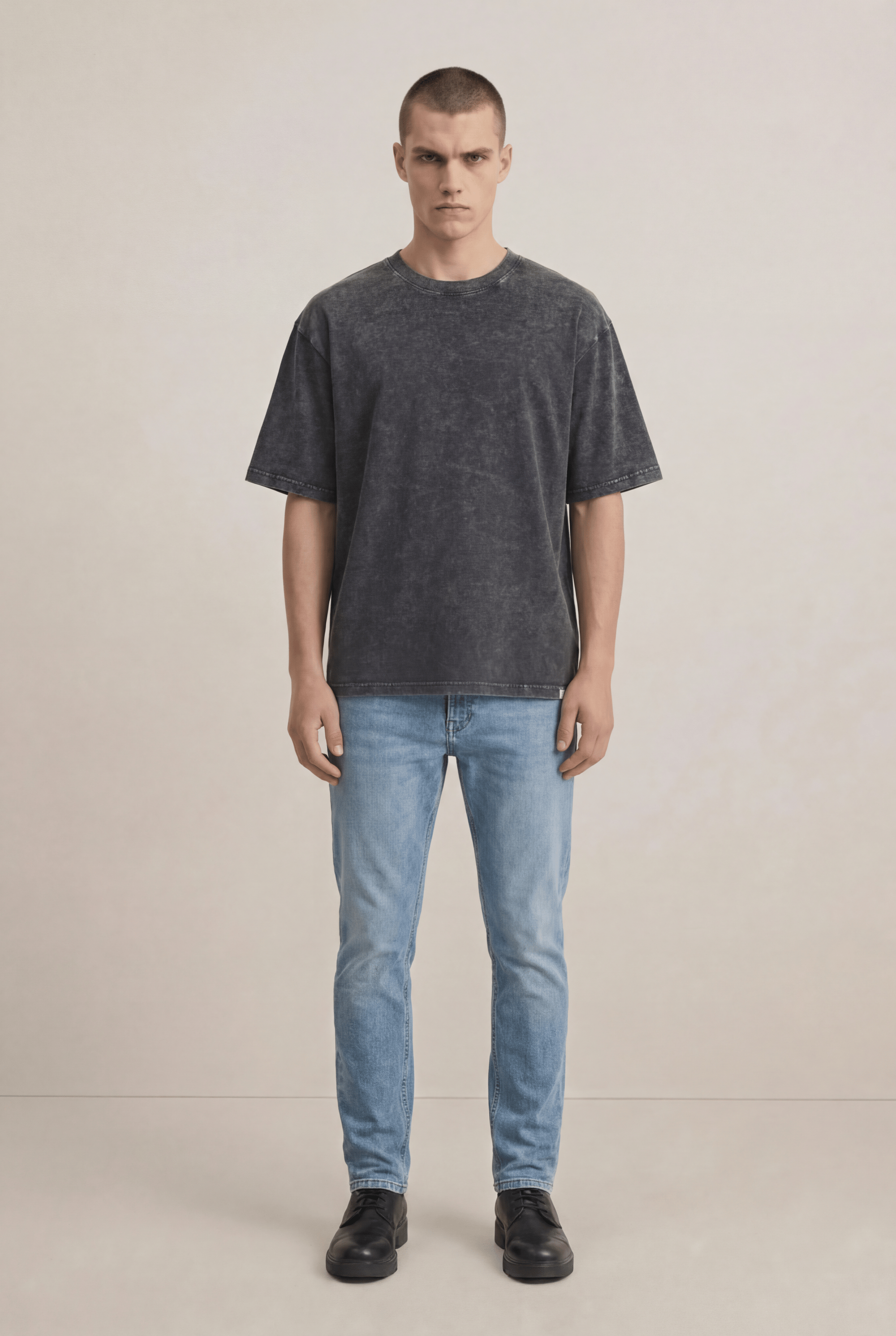
Cotton is the fibre many people reach for when they want simplicity. It tends to feel grounded, breathable, and easy to pair with denim, trousers, or structured outerwear.
Choose cotton when your day includes heated interiors, errands, office wear, or a milder forecast. It's also a sensible option if you find wool irritating or too warm.
Cotton sweaters often look especially good in clean silhouettes. Crewnecks, half-zips, and softly structured cardigans all benefit from cotton's relaxed but tidy drape.
Wool when weather is part of the plan
If you're dressing for a windy walk, a cottage weekend, or a colder shoulder season, wool usually makes more sense. It holds warmth differently and tends to cope better when air is cold and moisture is present.
Merino is often the easiest entry point because it feels finer and less bulky than traditional wool. For home layers and throws, many people also appreciate how merino wool brings warmth, breathability, and softness to luxury essentials.
Alpaca for soft, quiet warmth
Alpaca occupies a different lane. It often feels loftier and more insulating, with a gentle halo that reads more lounge than crisp city knit.
It's lovely for still moments. Reading by a window, working from home, sitting outdoors under a blanket in early autumn. If you want a sharply structured office sweater, cotton may serve you better. If you want warmth that feels enveloping, alpaca often excels.
The question isn't which fibre is best. The question is what you need your sweater to do today.
A simple way to decide
If you're stuck between fibres, use this filter:
- Choose cotton when you want breathability, ease of care, and a polished everyday layer.
- Choose wool when weather protection matters more than a cool handfeel.
- Choose alpaca when comfort and warmth are the priority, especially in relaxed settings.
Linen and silk also deserve mention. Linen feels airy and dry, often best for warm weather or casual summer layering. Silk offers fluidity and a refined finish, but it plays a different role from a workhorse sweater fibre.
A mindful wardrobe usually includes more than one knit fibre. The value comes from using each one with intention.
The Sustainable Choice Organic Cotton and Conscious Production
A sweater's environmental story doesn't begin in your wardrobe. It starts long before the garment is knitted, dyed, packed, and shipped.
That doesn't mean every shopper needs to become a supply-chain analyst. It does mean fibre choice has weight, and cotton is worth examining carefully.
Why sourcing matters
Cotton is a natural fibre, but “natural” doesn't automatically mean low impact. Farming method, water use, chemical inputs, spinning efficiency, dyeing, and finishing all affect the final footprint.
That's why organic cotton matters in a different way than a standard fibre-content label. It points to a farming approach that aims to work with soil health and more careful input choices rather than relying on conventional systems alone.
For shoppers who want a useful starting point, organic cotton clothing in Canada is worth understanding through both fibre sourcing and the production choices brands make after harvest.
The numbers behind one sweater
Cotton knitwear may feel simple, but the resource chain behind it is not.
According to U.S. raw-fibre equivalent documentation used in North American textile analysis, producing one kilogram of finished cotton sweater requires 545 grams of raw cotton, accounting for a 21% waste factor. The same source notes a 28.64 kg CO₂e carbon footprint for an average sweater, with raw material cultivation contributing over 50% of total emissions. It also states that the organic cotton sweater market in Canada is projected to grow at a CAGR of over 8% through 2026.
Those figures don't tell you to avoid cotton. They tell you to choose cotton carefully, wear it often, and keep it in use for as long as possible.
Conscious production goes beyond fibre
A responsible sweater isn't defined by cotton alone. Dyeing and finishing matter. So does fabric stability.
A beautifully made cotton knit that holds its shape, washes well, and remains wearable year after year is often a better long-term choice than a cheaper garment that loses its form quickly. Longevity reduces replacement cycles. Design restraint helps too. A sweater you still want to wear in several years is usually a more sustainable object than one tied to a brief trend.
A lower-impact garment isn't only about how it's made. It's also about whether you'll keep choosing it.
What a thoughtful purchase looks like
A strong sustainable choice usually combines several signals:
- Better fibre decisions: organic or more responsibly sourced cotton
- Sound construction: shape retention and durable finishing
- Versatile design: easy to wear across seasons and settings
- Care worth taking: a garment that justifies maintenance rather than disposal
That is the deeper promise of good cotton knitwear. Not perfection. Durability, transparency, and a reason to keep the piece in your life.
Care and Longevity How to Love Your Sweater for Years
The most sustainable sweater is usually the one you continue wearing. Cotton helps here because it's approachable. You don't need complicated rituals. You do need consistency.

Wash less, wash gentler
Cotton sweaters often don't need laundering after every wear. If the garment isn't stained and still smells fresh, airing it out can be enough.
When it is time to wash, keep the process calm:
- Turn it inside out to reduce surface abrasion.
- Use cool or lukewarm water rather than hot water.
- Choose a gentle detergent and a delicate cycle, or hand wash if the knit is especially refined.
- Skip heavy loads that rub the sweater against rougher garments like jeans or towels.
Hard water changes the result
This is one of the most overlooked issues in Canadian homes. If your cotton sweaters seem to fade, pill, or stiffen even when you're washing carefully, your water may be part of the problem.
According to this report on care challenges for sustainable sweaters, in hard water regions like much of Ontario, with an average of 150 ppm calcium, 42% of households report premature fading and pilling in cotton knits. The same source notes that proper care can extend lifespan by 30%, and that a vinegar rinse can help prevent mineral buildup linked to a 15% shrinkage risk.
That matters for organic cotton in particular, because softer natural fibres can show neglect quickly.
A simple care routine that works
You don't need to overcorrect. A few habits usually make the biggest difference:
- Add a vinegar rinse occasionally: It can help reduce mineral residue in hard water.
- Reshape while damp: Smooth the hem, sleeves, and neckline back into place with your hands.
- Dry flat: Hanging a wet sweater can stretch it out.
- Keep it out of high dryer heat: Heat can stress fibres and encourage shrinkage.
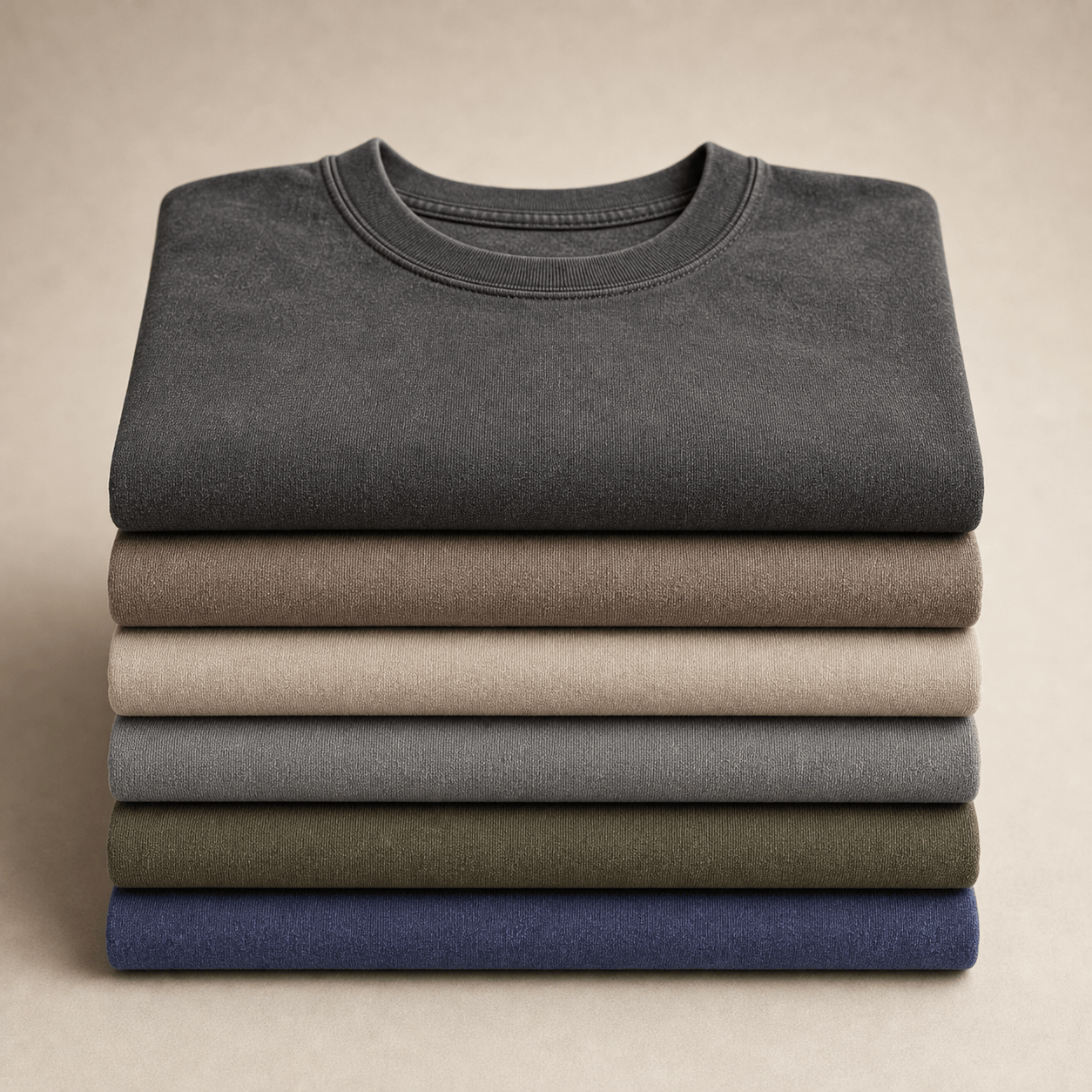
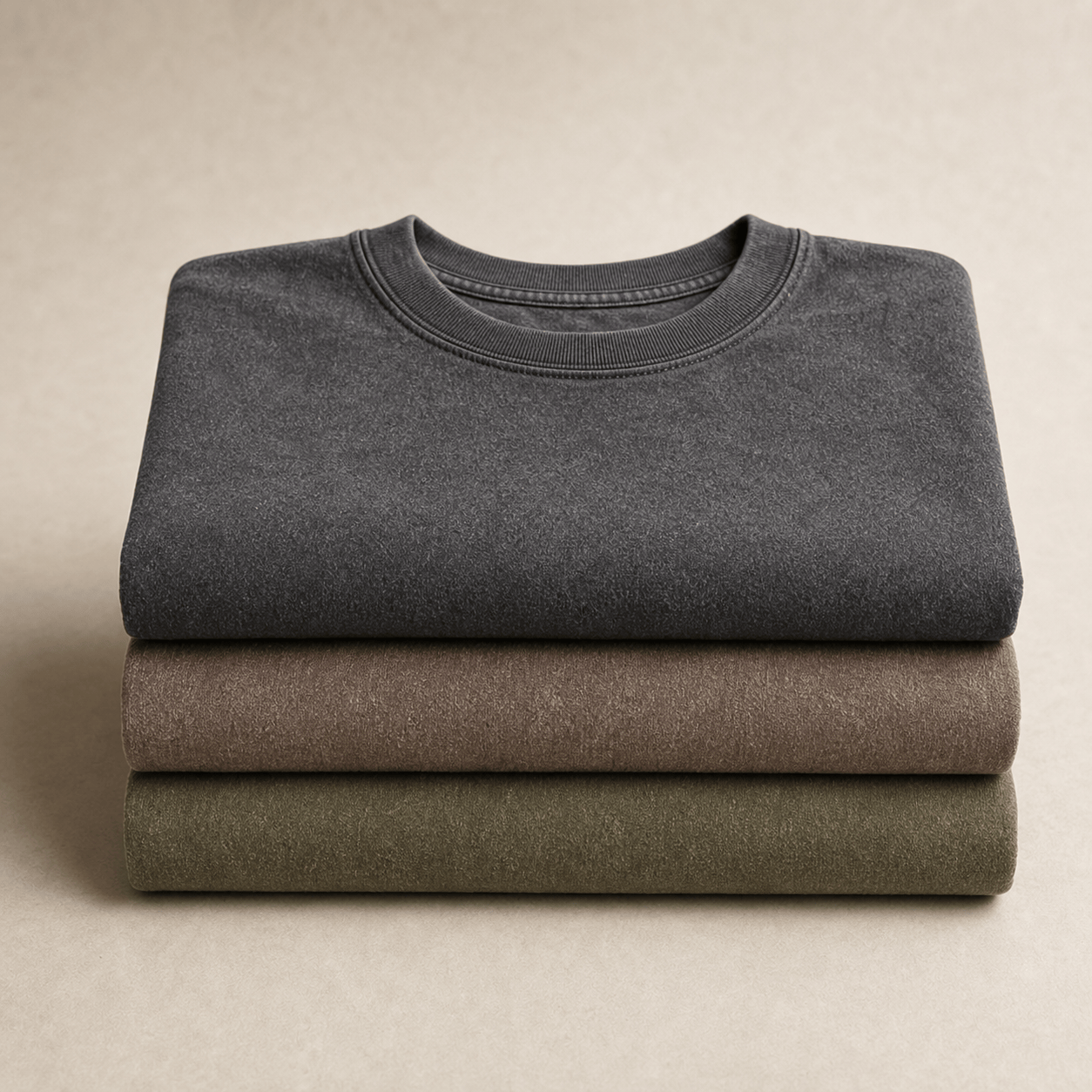
Fold knitwear for storage. Hangers can pull the shoulders out of shape over time.
Storage matters too
Once the season shifts, don't just stuff cotton sweaters into a crowded shelf.
Fold them clean and dry. Keep heavier knits at the bottom of the stack. If the neckline is wide or the knit is soft, avoid hanging storage altogether. Cotton doesn't need the same moth precautions as wool, but it still benefits from breathable, orderly storage.
A well-cared-for sweater usually ages gracefully. The cotton softens, the fit becomes more familiar, and the garment starts to feel personal rather than new. That's the kind of longevity worth aiming for.
The Cotton Sweater in a Mindful Wardrobe
A good cotton sweater earns its place slowly. You notice that it works on a cool morning, settles comfortably indoors, and layers without drama. Over time, that reliability becomes part of your style.
That's why 100 cotton sweaters belong in a mindful wardrobe. They aren't meant to solve every weather problem or replace every other natural fibre. Their role is more grounded than that. They offer breathable comfort, visual ease, and a kind of everyday polish that doesn't ask for attention.
When you understand the anatomy of the knit, the way cotton handles moisture, the signs of real construction quality, and the care it needs at home, you buy differently. You stop chasing fibre labels alone. You start choosing garments with a longer life in mind.
That shift is subtle, but it changes a wardrobe. Fewer impulse purchases. More useful layers. Better care. Better wear.
A cotton sweater, chosen well, becomes more than a basic. It becomes one of the pieces you trust most.
If you're refining your wardrobe with intention, IdyllVie offers thoughtfully designed layers, knitwear, and home essentials made with a focus on natural materials, durability, and everyday ease. It's a practical place to explore cotton, merino, alpaca, and other timeless fibres through a Canadian lens.
Shop cotton layers from IdyllVie
Use the product details and care instructions to compare each layer with your wardrobe.












0 comments