
Some mornings in Toronto start with a cold breeze, a damp pavement, and the kind of sky that can’t decide whether it’s finished raining. By lunchtime, the air softens. By late afternoon, you’re carrying the layer you needed at breakfast. That’s exactly where the short trench coat earns its place.
It isn’t just a lighter version of a classic. It’s a smarter one for real life. When the forecast sits in that awkward in-between zone, a short trench gives you weather protection, movement, and polish without the weight and sweep of a full-length coat. It works on the school run, on the streetcar, over tailoring, and over denim. What's more, it does all of that without feeling overdone.
The best versions also fit a more thoughtful wardrobe. If you buy one well, choose a fabric that suits your climate, and care for it properly, a short trench coat becomes the layer you reach for year after year instead of the trend piece you replace next season. That matters in a Canadian wardrobe, where outerwear isn’t an afterthought. It’s often the first thing people see.
The Modern All-Weather Essential
You leave home in Toronto under low cloud and a cool wind, then head back on a milder, brighter afternoon. Outerwear has to cope with both parts of the day. A short trench coat does that job better than many heavier spring and fall options because it covers enough, vents more easily than a long coat, and still gives an outfit definition.
That balance suits the Canadian climate. Environment and Climate Change Canada’s Toronto climate normals show why spring and fall dressing is rarely about one stable condition. Temperatures, wind, and light rain can all shift within the same day, especially in the shoulder seasons, so a coat that works across conditions earns its place quickly.
Why shorter often works better
A short trench, usually cut from the hip to mid-thigh, gives more freedom through the leg and less bulk through the body. That matters on transit, in the car, on wet sidewalks, and anywhere you are moving between indoors and outdoors all day. The shorter length also sits more naturally over denim, tailoring, knit dresses, and wider trousers, which makes it easier to wear often rather than save for a specific occasion.
There is a trade-off. A full-length trench protects more of the body in steady rain and strong wind. A short trench gives up some coverage in exchange for mobility, lighter weight, and a cleaner fit for daily city use. For many Canadian wardrobes, that is the more useful compromise.
I look for a coat that can handle a damp commute at 8 a.m. and still feel comfortable by lunch.
What it adds to a mindful wardrobe
A well-made short trench supports a smaller, harder-working wardrobe. It extends the wear of lighter clothes in cool weather, sharpens simple outfits, and reduces the need for multiple trendy jackets that each solve only one problem. That matters if you are buying with longevity in mind, both financially and environmentally.
The sustainable choice is rarely the coat with the loudest claim on the hangtag. It is the one with a durable shell, sound construction, repairable details, and a shape you will still want to wear in five years. In practice, that often means restrained design, reliable hardware, and a fabric weight that suits real Canadian spring and fall weather rather than a brief styling moment.
A practical short trench should do four things well:
- Handle light weather shifts without holding excess heat
- Layer cleanly over shirting, fine knits, and light tailoring
- Keep its shape through frequent wear and commuting
- Wear in well so age adds character rather than making the coat look tired
The best ones rely on proportion, fabric, and finishing. That restraint keeps the coat relevant, and it makes sustainable buying easier because timeless pieces are the ones people keep.
Anatomy of a Short Trench Coat
The short trench coat only looks simple. In reality, its best details come from function, not decoration. Once you understand why those details exist, it becomes much easier to spot the difference between a well-designed coat and a costume version.
Historically, the form comes from military utility. The short trench coat emerged as a practical evolution from the full-length military trench coat during World War II, and by 1943 Canadian forces adapted shorter field jackets for enhanced mobility, with post-raid analyses showing the shorter length reduced snagging by 40% in wire entanglements, as noted in the historical trench coat record. That origin explains why the silhouette still feels purposeful.

The details that matter
Not every short trench includes every traditional feature, and that’s fine. What matters is whether the remaining details serve the coat.
- Storm flap. This extra layer across the chest or back helps deflect rain and wind. It also gives the upper body a bit more architectural shape.
- Belted waist. A self-belt lets you control silhouette. Tied loosely, it keeps the coat relaxed. Buckled, it creates a sharper waistline and a more classic trench profile.
- Epaulets. These shoulder tabs come from military dress. On modern coats, they’re mostly aesthetic, but they still add structure and visual balance at the shoulder.
- Cuffs with tabs or straps. Adjustable cuffs are useful in drizzle and wind because they help seal the sleeve opening and refine the fit over knitwear.
- Deep pockets. This sounds obvious, but poor pocket placement ruins many short trenches. The best pockets sit naturally at hand level and don’t distort the front panel when used.
What to simplify and what to keep
Some features can be reduced without losing the identity of the garment. Others are worth preserving.
| Detail | Keep it when you want | Skip it when you want |
|---|---|---|
| Double-breasted front | A classic, tailored look | A lighter, less formal feel |
| Self-belt | Waist definition and styling options | A cleaner, minimal silhouette |
| Shoulder tabs | Heritage character | A softer, more modern line |
| Storm flap | Extra weather function | A pared-back appearance |
Practical rule: If a detail doesn’t improve fit, weather performance, or proportion, it should at least improve balance. If it does neither, it’s clutter.
Proportion is the hidden design element
Length decides whether a short trench feels sharp or awkward. Too cropped, and it loses the protective ease that makes the style useful. Too long, and it starts behaving like a standard trench without giving you the same visual sweep.
The sweet spot is a hem that covers enough of the body to feel protective but leaves the leg line visible. That’s what keeps the style agile. You still get the trench’s heritage and polish, but with far less drag in day-to-day wear.
Finding Your Fabric and Finish
You feel fabric before you judge design. On a wet Toronto morning or a windy Vancouver afternoon, that matters more than any heritage detail.
A short trench coat earns its place through cloth, finish, and how both behave across shifting Canadian weather. The right fabric keeps the coat useful from early autumn through spring. The wrong one looks good on a hanger and frustrating in real life.
For most wardrobes, two fabric families do the work well. Dense cotton twill handles mild rain, daily commuting, and wide temperature swings with less fuss. Wool blends make more sense when the air stays cool and you want a sharper, warmer coat without stepping into full winter outerwear.
Cotton twill for movement and mild rain
Dense cotton twill remains the strongest all-round choice for a short trench. It has enough body to hold the shape of the lapel and front panel, but it still moves easily through a busy day. In design terms, that balance is hard to beat.
A tightly woven cotton surface also tends to age with more grace than heavily coated synthetics. It creases, but usually in a way that feels lived-in rather than shabby. For a conscious wardrobe, that matters. Fabrics that develop character instead of looking tired too quickly are worn longer and replaced less often.
A small amount of stretch can improve comfort, especially through the upper back and sleeve. I look for restraint here. Too much stretch can make a trench lose its crisp outline over time, while a little can make driving, cycling, and layering over knitwear much easier.
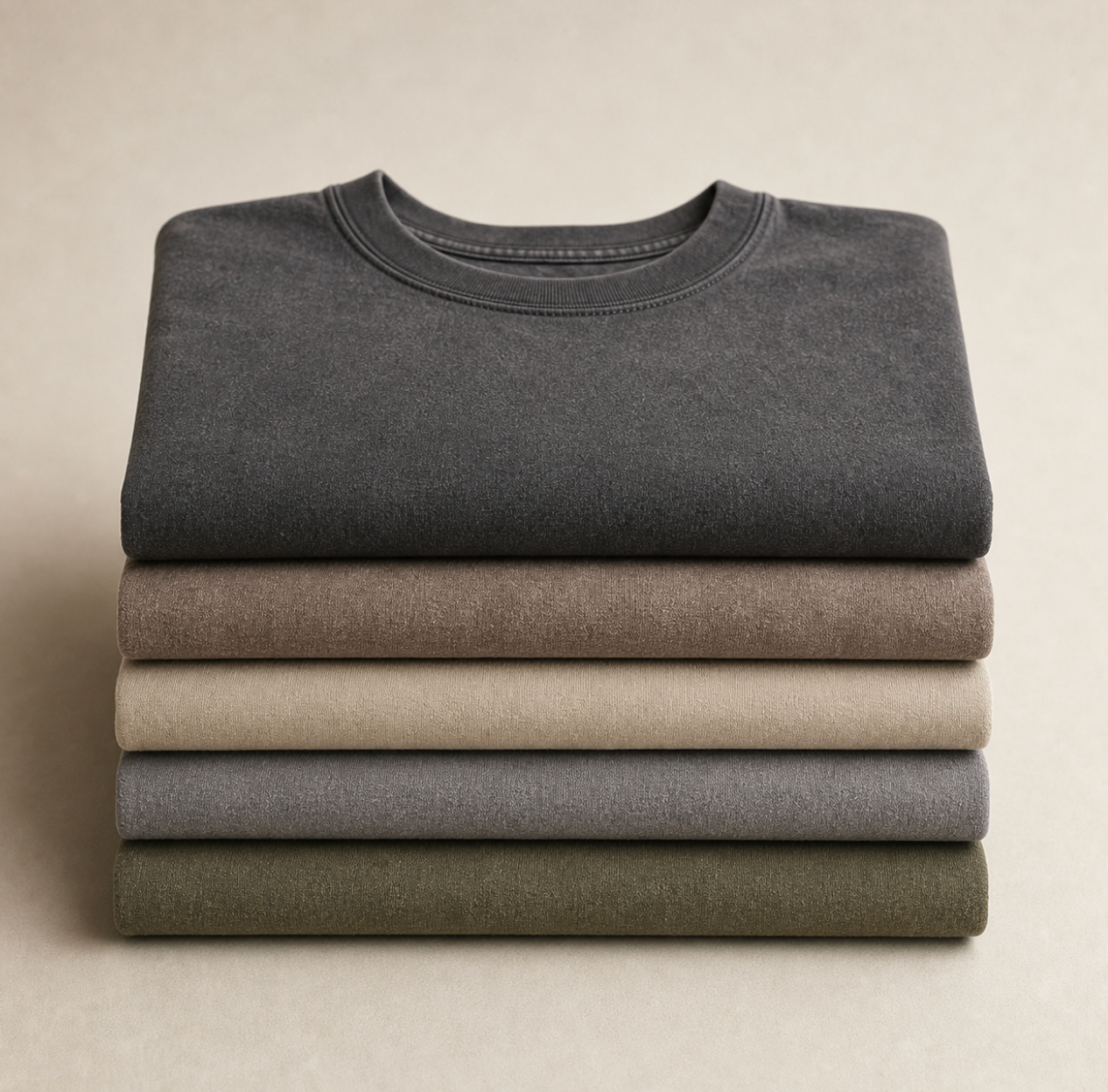
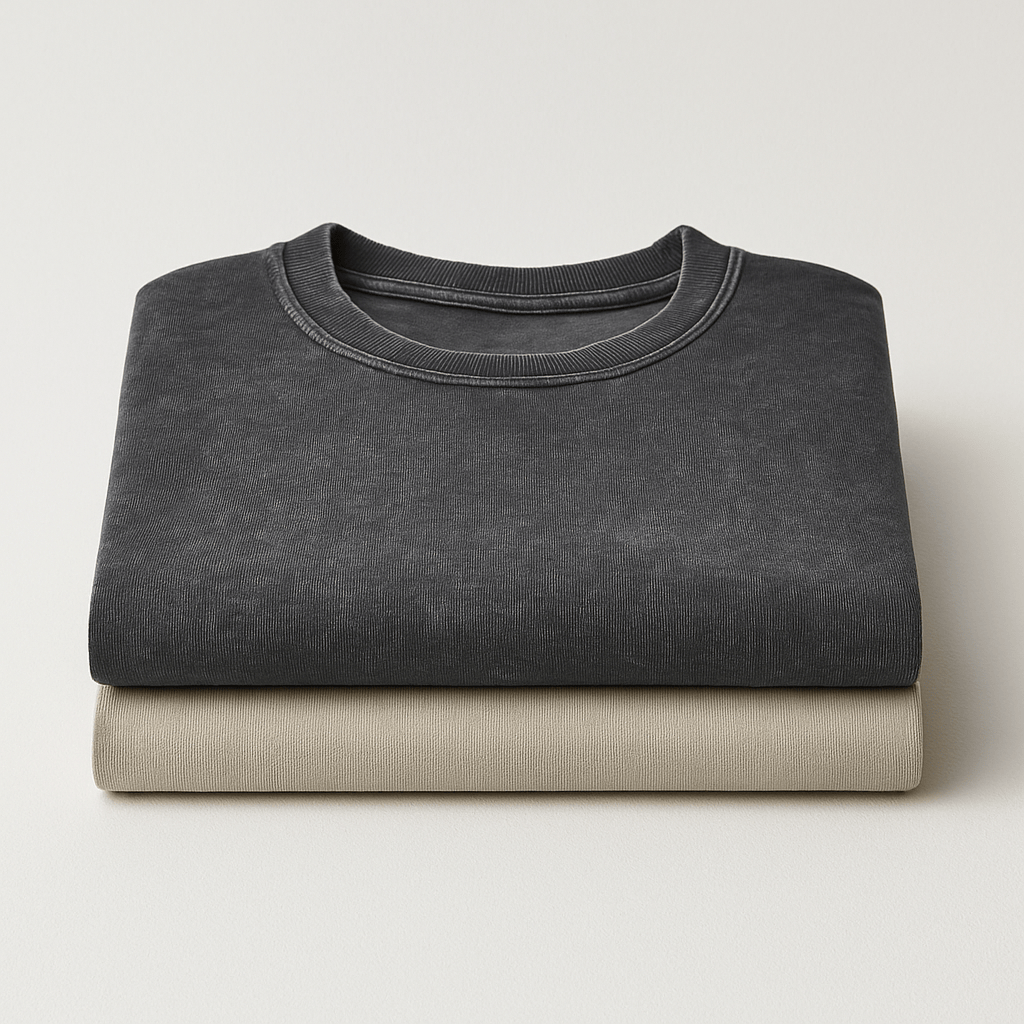
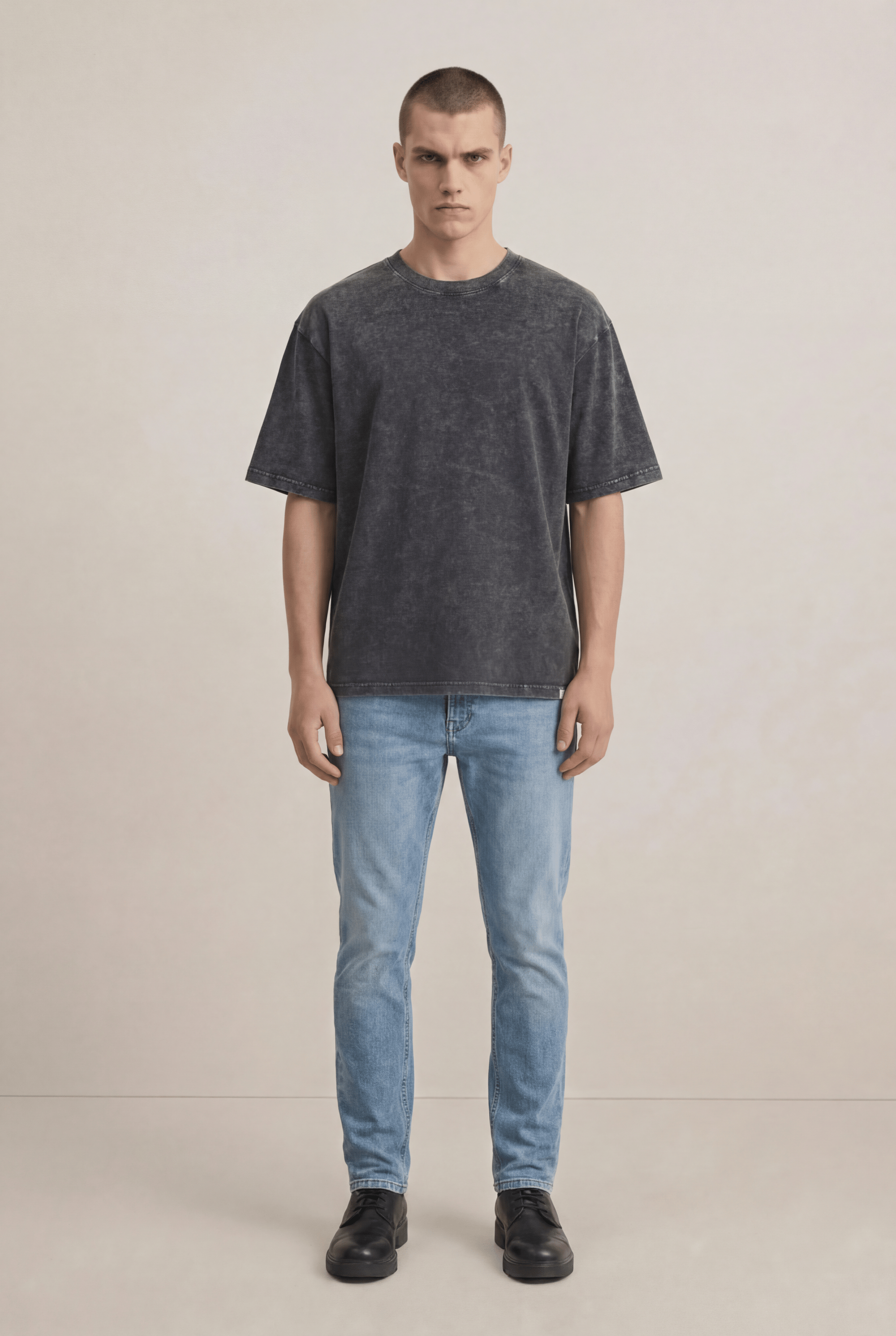
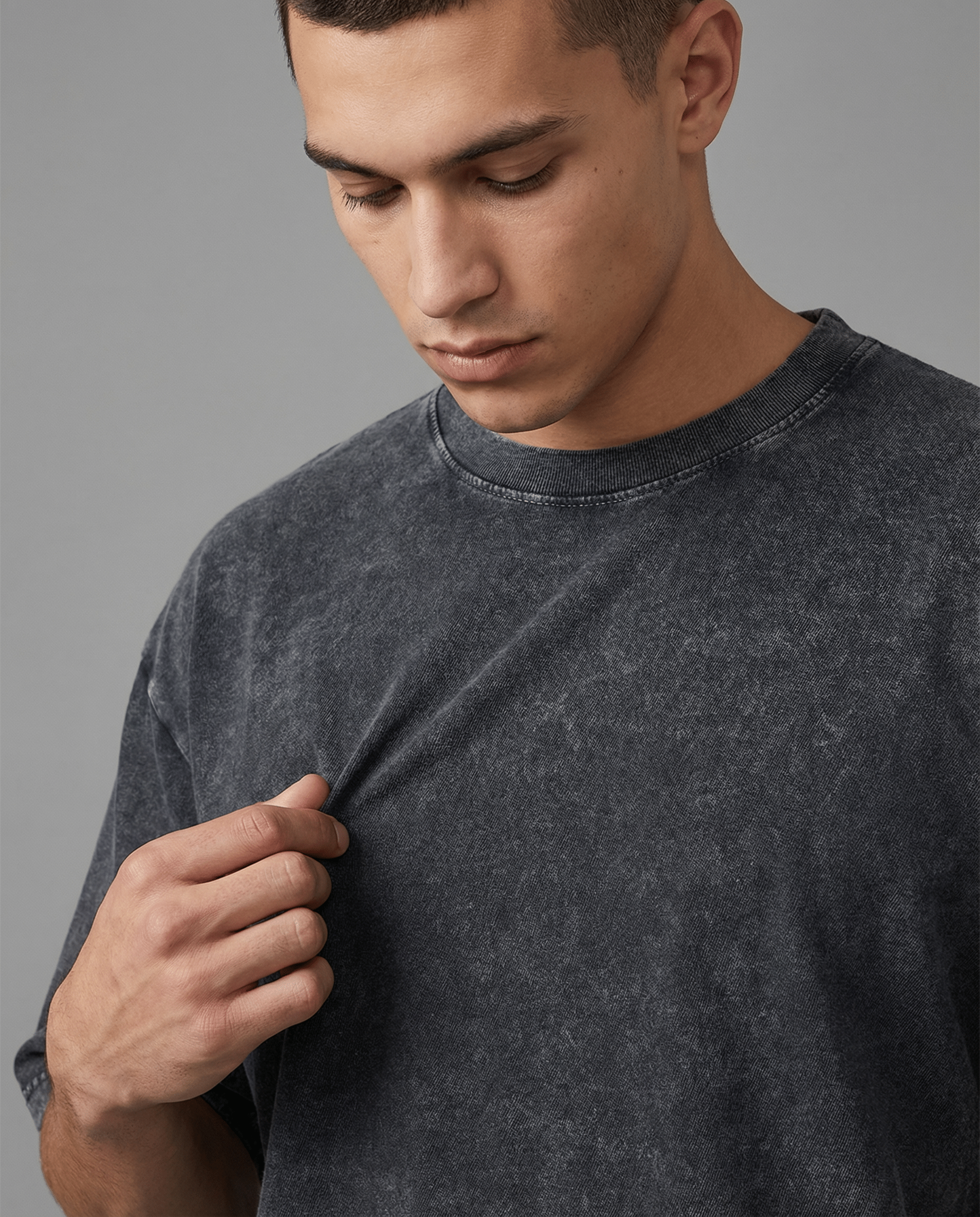
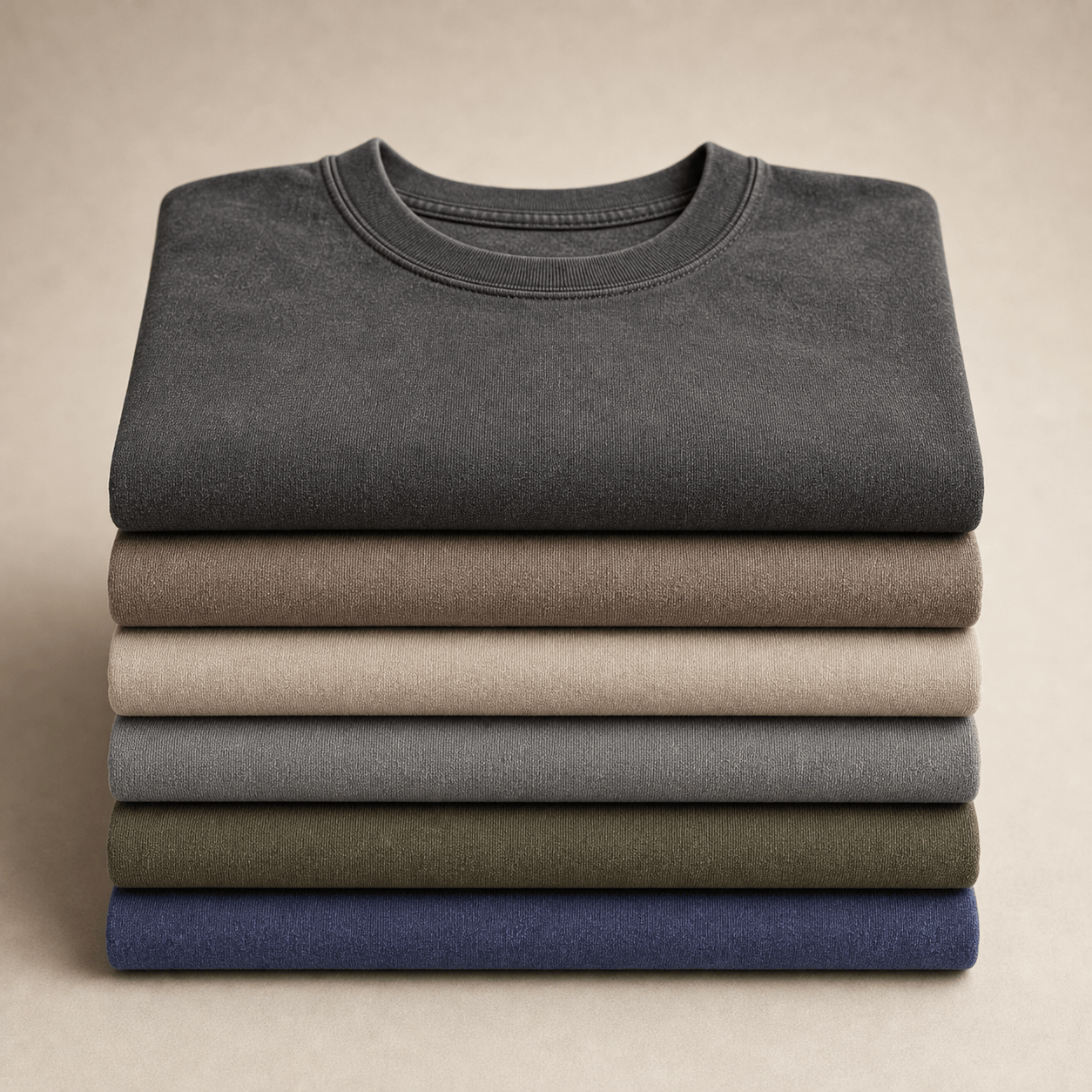
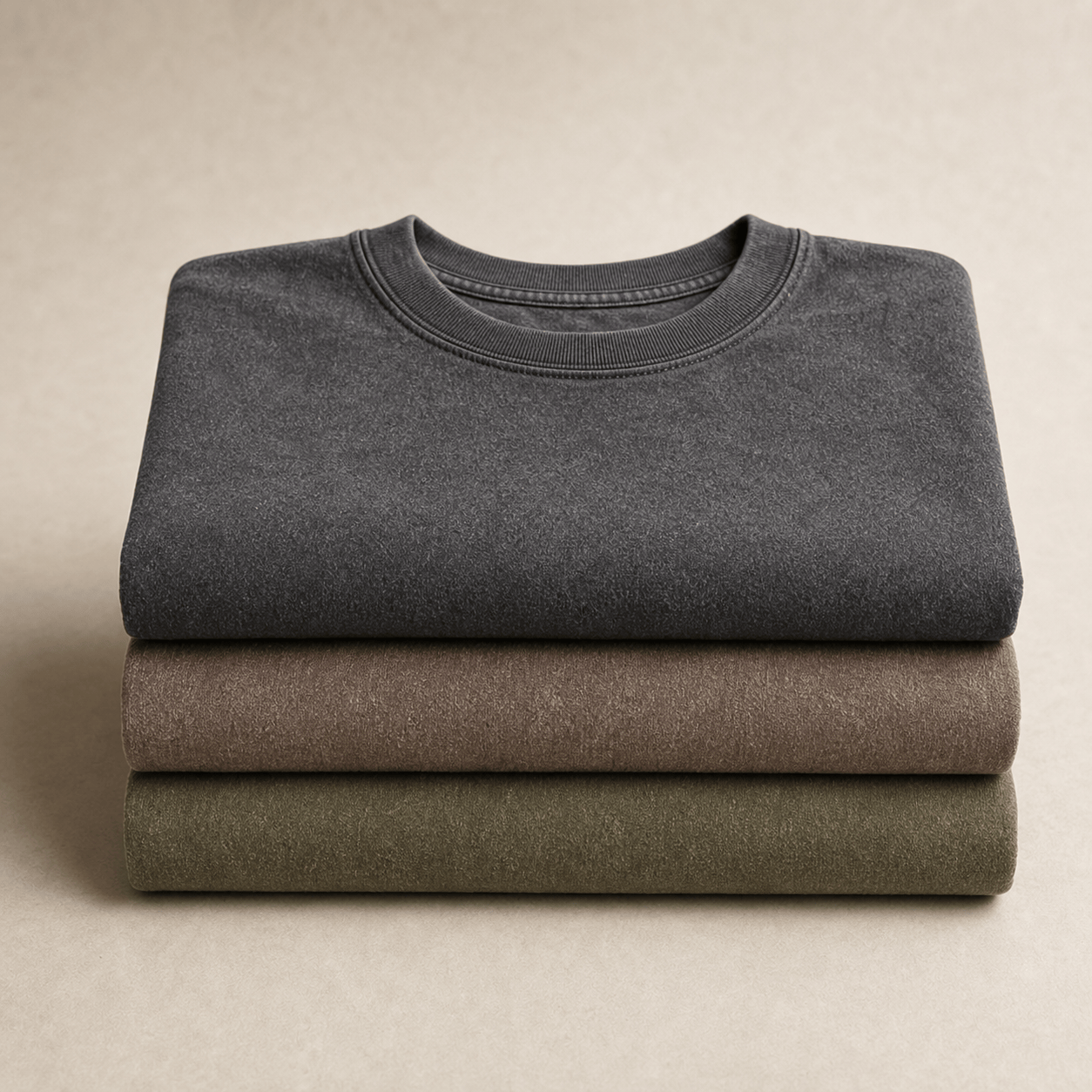
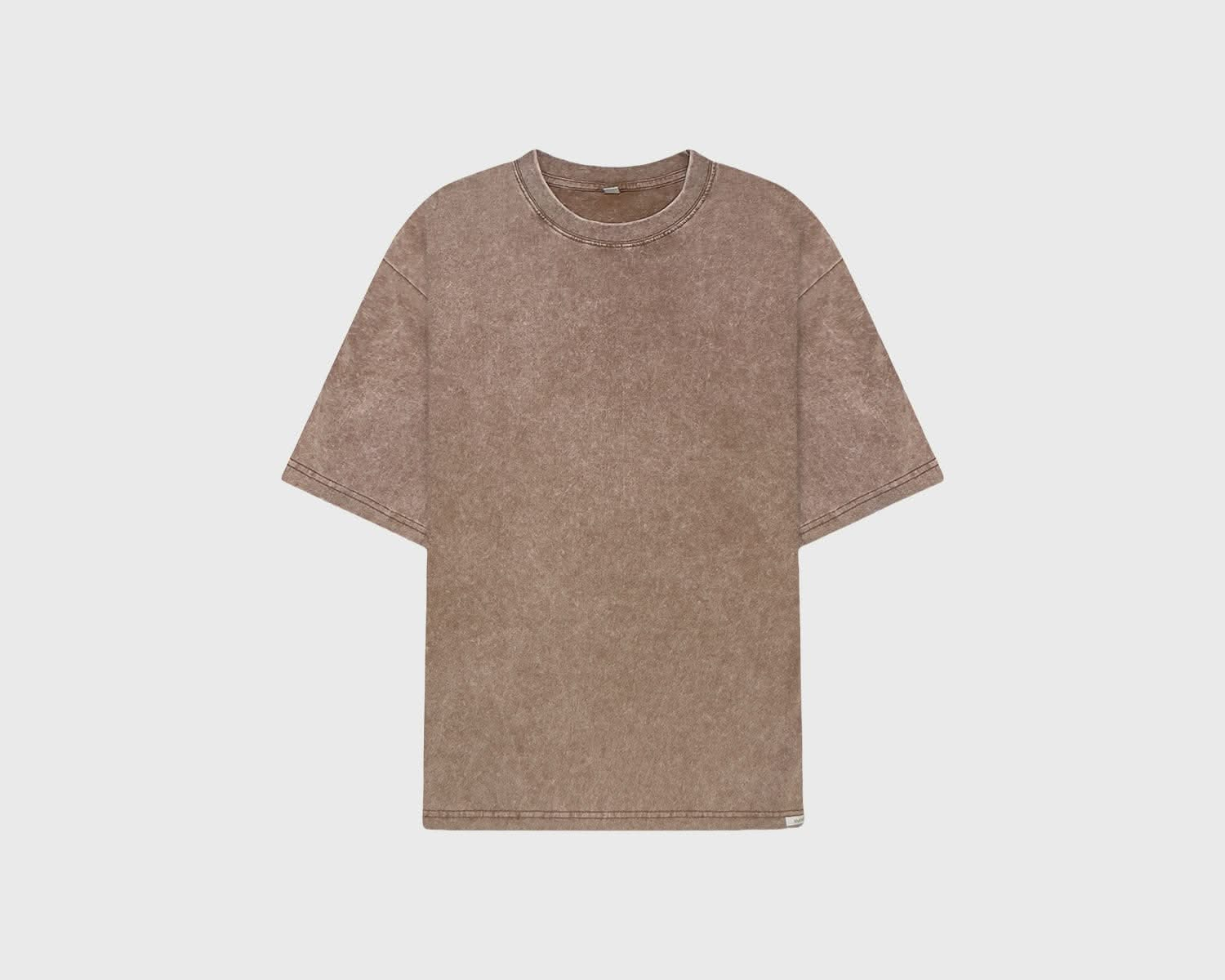
Finish changes the personality of the coat just as much as fibre content. I generally prefer a matte or low-sheen finish with a compact hand. It reads more timeless, works across casual and polished wardrobes, and usually avoids the plasticky feel that some water-repellent coatings create. If you like a softer, broken-in surface, Idyllvie’s approach to a responsible stonewashed finish is a useful reference for how texture can be developed with intention rather than gimmick.
Wool blends for colder transitions
Wool-blend short trenches come into their own in late autumn, on dry winter days, and during that stretch of spring when the calendar says one thing and the temperature says another. They trap heat better than cotton, hold a clean line, and often look more refined with tailoring.
The trade-off is practical. Wool blends can feel too warm indoors or on milder afternoons, and they ask for more careful storage and cleaning. They also perform best in cold, dry conditions. In frequent sleet or steady rain, I would still reach for a tightly woven cotton trench unless the wool coat has been finished with weather resistance in mind.
Short Trench Coat Fabric Comparison
| Fabric | Best For | Breathability | Water Resistance | Care |
|---|---|---|---|---|
| Dense cotton twill | Mild, damp shoulder seasons and daily commuting | High, with easier airflow and less overheating | Good for light rain when tightly woven and treated | Often simpler day-to-day care |
| Organic cotton with a little stretch | Active city wear and layering over casual or work pieces | High, with easier movement through the shoulders and sleeves | Good for light showers | Practical for frequent wear |
| Wool blend | Colder transitional weather and more polished dressing | Moderate, warmer by nature | Better as a cool-weather outer layer than a rain-first option | Usually needs more careful cleaning |
Choose fabric for the weather you actually live in. A coat that suits nine ordinary days out of ten will serve you better than one bought for a dramatic cold snap.
Finish and front closure change the mood
Fabric sets performance. Finish and closure decide how the coat lives with the rest of your wardrobe.
Single-breasted short trenches feel cleaner and easier to wear every day. They suit minimal wardrobes, sit neatly over straighter layers, and often feel lighter on the body. Double-breasted versions bring more structure and visual weight. They can be beautiful, especially on fuller fabrics, but they read dressier and take up more space at the front when layered.
There is no universal best option. Choose the one that matches your climate, your commute, and the shape of the wardrobe you already own. That is usually the difference between a coat you admire and a coat you keep reaching for.
How to Style Your Short Trench Coat
Styling a short trench coat gets easier when you stop treating it as a statement piece. It’s an organiser. It pulls together what’s underneath and gives the outfit a finished outline. The most successful looks usually rely on contrast. Soft against structured, casual against polished, relaxed against precise.
This quick visual is useful before you build outfits around your own wardrobe.

Weekend dressing that still looks intentional
For casual wear, keep the base simple. A crew-neck knit or a plain tee, straight jeans, and trainers give the trench room to do its job. If the coat has a belt, leave it tied at the back or knot it loosely. A fully cinched waist can feel too formal for a relaxed daytime look.
Try these combinations:
- Stone or tan trench with blue denim, a white tee, and leather trainers
- Olive or muted khaki trench with ecru jeans, a fine rib knit, and loafers
- Black short trench coat with leggings, a long shirt, and flat ankle boots for errands or travel days
The goal isn’t complexity. It’s balance.
Workwear that doesn’t feel stiff
A short trench is often easier for office dressing than a long one because it doesn’t fight with desks, car seats, or packed transit. It also works especially well over straighter layers.
For a polished workday outfit, build from a restrained palette. Try well-cut trousers, a fluid blouse, and a compact knit underneath if needed. Then add the coat open, not tightly fastened. That keeps the line vertical and modern.
A scarf can sharpen the whole look, especially in colder months. If you wear them often, this guide to wool scarves for women offers useful pairing ideas for texture and proportion.
Keep the hem of the coat working with the hem of the outfit. If your trousers are wide, the coat should feel crisp. If your skirt or dress is fluid, the trench should add structure.
A video can also help if you prefer visual styling cues before trying combinations yourself.
Evening looks with less effort
At night, a short trench coat works best when you treat it as a clean top layer rather than the focal point. Over a slip dress, knit dress, or dark refined separates, it adds restraint. That restraint is often what makes an evening outfit feel expensive.
A few reliable choices:
- Over a knit dress with tall boots and minimal jewellery
- With black trousers and a silk camisole for a dinner look that isn’t overstyled
- Draped over the shoulders if the coat fabric is soft enough and the weather allows
Avoid over-accessorising. The trench already brings buttons, lapels, seams, and often a belt. Let one accessory lead. A scarf, a bag, or a shoe with presence is enough.
A Conscious Shopper's Guide to Choosing Your Coat
Individuals often don’t need more outerwear options. They need one better option. A short trench coat is worth buying carefully because the difference between a temporary coat and a long-term one is usually visible in the fabric, fit, and honesty of the label.
Shoppers are already looking for that clarity. A 2025 report by the Canadian Apparel Federation notes that 68% of Toronto-area shoppers prioritise GOTS-certified organic materials for outerwear, yet only 12% of short trench coat listings on major Canadian retail sites specify such certifications, highlighting a clear gap in transparent buying information, as referenced in this retail product page cited in the data set.

Fit first, then features
A beautiful fabric won’t rescue a poor fit. Start with shoulder placement. If the shoulder seam drops too far, the coat will look tired before it looks relaxed. If it cuts too narrowly, layering becomes annoying and the sleeve pitch often pulls.
Then look at length and shape.
- Petite frames often suit a cleaner, slightly shorter cut that doesn’t interrupt the leg line
- Curvier silhouettes usually benefit from a belt that can define the waist without pulling across the hip
- Straight builds can wear boxier cuts well, especially with a double-breasted front or strong lapel
Try the coat over what you wear. A trench that only fits over a thin top isn’t doing enough work in a Canadian wardrobe.
What a good label should tell you
Conscious shopping starts with specifics. Look for clear fibre content, care instructions that match the fabric, and some explanation of sourcing or certification. If a brand uses organic cotton, recycled content, or traceable wool, it should say so plainly.
That’s also why broader guidance on sustainable clothing in Canada matters. The more transparent the standards, the easier it is to compare garments on substance rather than marketing language.
Buy better, buy less
A short trench coat should stay relevant because it isn’t dependent on novelty. Choose neutral tones you already wear. Choose hardware that won’t date quickly. Choose a fabric weight that suits your climate, not an imagined lifestyle.
If you hesitate between two coats, choose the one you’ll reach for on an ordinary Tuesday. That’s the coat with real value.
The strongest purchase is rarely the most embellished. It’s the one with sound cloth, clean construction, and a fit you won’t argue with every time you put it on.
Caring For Your Coat to Ensure Lasting Style
A short trench usually faces its hardest wear on an ordinary Canadian week. Wet snow at breakfast, salt on the sidewalk by lunch, a heated office in the afternoon, then cold air again on the walk home. Care has to match that reality. The goal is simple: preserve shape, finish, and function so the coat keeps looking composed after repeated wear.
Cotton and cotton-blend care
Cotton trenches are forgiving, but they still respond best to gentle handling. Clean marks early, especially at the collar, cuff edge, and pocket opening, where body oils and city grime build up first. If the label allows machine washing, use a cold or cool gentle cycle and give the coat enough room to move. A packed drum twists seams and creases the placket.
Reshape the coat while it is still damp, then hang it on a wide hanger that supports the shoulder line. That one habit helps the lapels roll properly and keeps the sleeve head from collapsing over time.
Steam is usually the better tool for cotton and cotton blends. A hard press can flatten topstitching and leave the coat looking tired before its time.
If your trench has a water-repellent finish, wash it less often than you would a basic cotton jacket. Frequent laundering can wear down that surface treatment, which matters in light rain and spring slush.
Wool-blend care
Wool blends need more rest and less intervention. They hold shape well in cool weather, which is part of why they work so well for Canadian shoulder seasons, but they do best when you air them out between wears instead of cleaning them too often.
Use a soft garment brush to remove dust, lint, and dried surface dirt. Hang the coat where air can circulate for several hours before it goes back into the wardrobe. Spot-clean small marks first. Save dry cleaning for the point when the coat is heavily soiled or beginning to hold odour. Repeated dry cleaning can strip the cloth of some of its body and shorten the life of interfacing, especially around the front panel and collar.
If the coat gets wet, let it dry naturally away from a radiator or heat vent. Heat can make wool feel brittle and can distort fused areas.
The habits that extend wear
Good maintenance is usually quiet, routine work:
- Use a shaped hanger so the shoulders and collar stand correctly
- Empty the pockets so the side seams and hip area do not stretch
- Close a few buttons or the belt when hanging the coat so the front stays balanced
- Brush off salt and street residue after wet weather, especially near the hem
- Fix loose buttons and belt loops early before the surrounding fabric weakens
Storage matters too. At the end of the season, put the coat away clean, fully dry, and with room around it. A crowded rail rubs the fabric and crushes the sleeve line. Breathable garment bags are a better choice than plastic, particularly for natural fibres.
A short trench coat earns its place by lasting through real weather, repeated wear, and changing tastes. Care is part of sustainable dressing. The longer a well-made coat stays in rotation, the lower its impact per wear, and the stronger its value in a thoughtful wardrobe.
If you’re building a wardrobe around pieces that feel refined, wearable, and responsibly made, explore IdyllVie. Their Canada-based collection focuses on timeless layers, conscious fabrics, and everyday essentials designed to be lived in for years, not just one season.
Explore lighter outer layers
Compare the layers that work between a shirt and a full coat.












0 comments