

You’re likely looking at your wardrobe and wanting one piece that solves several problems at once. Something polished enough for a meeting, easy enough for dinner afterwards, and substantial enough to feel worth the money. That’s where a wool blazer earns its place.
For many women, the challenge isn’t whether a blazer looks elegant. It’s knowing which one will wear well, feel comfortable, and still look right a few years from now. The phrase wool blazer women often brings up hundreds of options, but very little guidance on what separates a thoughtful purchase from an expensive mistake.
A well-made wool blazer offers something quieter than trend-driven fashion. It gives shape without stiffness, warmth without heaviness, and a sense of presence without asking for attention. When you choose carefully, you’re not just buying another layer. You’re choosing a garment that can anchor your wardrobe for years.
More Than a Garment A Wardrobe Cornerstone
You pull on denim and a fine knit, then pause. The outfit is perfectly acceptable, but it doesn’t feel complete. Add a wool blazer and the mood changes. The same look becomes more intentional, more composed, more like you meant every piece.
That’s why a blazer endures. It does more than decorate an outfit. It gives it structure, confidence, and clarity.

A garment with a deeper history
The wool blazer carries a legacy that’s larger than fashion. In the early 20th century, as Canadian women entered the workforce during World War I, they adopted practical menswear-inspired blazers made from durable wool. By 1918, over 35,000 women served in uniform roles in Canada, and by the 1920s Canadian wool production reached approximately 5 million pounds annually, helping make structured wool garments both practical and locally supported, as noted in the history of women’s work suits.
Those details matter because they explain why the blazer still feels powerful today. It was never only about appearance. It was about mobility, utility, and entering spaces where women had not always been welcomed.
Why it still matters now
A good wool blazer still answers a modern question. How do you dress with authority and ease at the same time?
For some women, that means wearing one over structured trousers for work. For others, it means softening a silk skirt, grounding a knit dress, or sharpening a white T-shirt and jeans. Its versatility is clear, but its true value lies in what the garment communicates. It says you chose fewer things, better.
A wardrobe cornerstone isn’t the loudest piece you own. It’s the piece you reach for when you want to feel settled in your own style.
When you treat a blazer as an investment instead of an impulse purchase, your choices change. Fabric matters more. Cut matters more. Care matters more. That’s where value begins.
Understanding Wool The Heart of Your Blazer
If the silhouette is what you notice first, the wool is what determines how the blazer lives with you. It affects drape, softness, warmth, wrinkle resistance, and whether the garment feels refined or fussy.
Many shoppers get stuck at the label. Wool can mean many things. Some cloths feel airy and smooth. Others feel plush, brushed, or dense. Once you understand the differences, product descriptions become much easier to decode.

How the main wool types differ
Think of each wool type as having a different personality.
| Wool type | What it feels like | Best for | Watch for |
|---|---|---|---|
| Merino wool | Smooth, fine, breathable | Year-round wear, travel, indoor-outdoor days | Usually higher cost than basic wool |
| Lambswool | Soft, cosy, slightly fuller hand | Cooler months, softer tailoring | Can feel warmer indoors |
| Cashmere blends | Light, plush, luxurious | Elevated occasion dressing | Needs more delicate care |
| Wool blends | Varies widely by fibre mix | Durability, budget, stretch | Performance depends on the blend |
Merino is the high-function fabric in the group. Its natural crimp creates insulating air pockets, which helps it perform across Canada’s temperature swings from -20°C to 30°C. It can also absorb up to 35% of its weight in moisture vapour without feeling wet, and it’s 20 to 30% more breathable than many wool blends, according to the product information for the Pendleton women’s Davis wool blazer.
That’s why a merino blazer often feels surprisingly adaptable. It can be comfortable on a cold morning commute and still feel composed indoors. If you want a broader fabric primer, IdyllVie’s guide to the benefits of merino wool explains why the fibre is valued across categories.
Why fibre content changes performance
A label that reads “wool blend” isn’t automatically a compromise. It means you need to ask a better question. What was the blend designed to do?
Some blends lower cost. Some improve stretch. Some reduce wrinkling. Some change the handfeel so the fabric drapes more fluidly.
A few useful rules help:
- Choose high wool content if you want the classic blazer feel, natural temperature regulation, and long-term elegance.
- Look for a small amount of elastane if your day includes commuting, desk work, and frequent movement.
- Treat cashmere blends as luxury cloths. They feel beautiful, but they’re less practical for hard daily wear.
Don’t ignore stretch wool
Modern tailoring has improved the everyday blazer. Responsible stretch wool blazers made with 96 to 97% wool and 3 to 4% elastane offer 98% wrinkle recovery and 40% higher abrasion resistance than non-stretch wool, according to the specifications on the Indochino Howell wool stretch fineline charcoal blazer.
That matters if you sit in transit, carry a laptop bag, or wear your blazer for long days. The cloth is more likely to spring back into shape and less likely to show fatigue at the elbows and cuffs.
Practical rule: If you want one blazer for frequent weekly wear, prioritise fibre performance over romantic fabric names.
The best wool for you depends on your life, not just your taste. Merino often suits the woman who needs flexibility across seasons. Lambswool serves the woman who values softness and warmth. Stretch wool suits the woman who wants polish with less maintenance drama.
The Language of Tailoring Structured vs Relaxed Fits
Two blazers can share the same fabric and colour yet feel entirely different on the body. The difference usually comes down to construction. Consequently, many women know what they like when they try it on, but don’t yet have the language to describe it.
A structured blazer is closer to architecture. A relaxed blazer is closer to drape.

What makes a blazer structured
Structured blazers use shaping techniques that create a sharper outline. You’ll often see a more defined shoulder, cleaner lapel roll, and darts that guide the fabric in at the waist.
This style suits women who want presence. It’s often the right choice for formal work settings, events, and outfits where you want the blazer to lead the look rather than support it.
Look closely at these details:
- Shoulders: A crisp shoulder line creates authority.
- Lapels: Peak or strong notch lapels add formality.
- Waist shaping: Darts and seams can create a sculpted hourglass effect.
- Length: Longer lengths often read more modern and composed.
What makes a blazer relaxed
A relaxed or unstructured blazer removes some of that internal scaffolding. The shoulder is softer, the line is easier, and the garment tends to move with more fluidity.
It can still look elegant. It speaks in a lower voice.
Women often prefer this cut when they want to wear a blazer as they would a cardigan or light jacket. It works beautifully with denim, fine knits, column dresses, and wider trousers. It’s often the shape that turns “I admire blazers” into “I wear them”.
A simple comparison
| Feature | Structured fit | Relaxed fit |
|---|---|---|
| Overall effect | Sharp and polished | Easy and refined |
| Shoulder line | Defined | Soft |
| Best with | Tailoring, dresses, workwear | Denim, knitwear, casual tailoring |
| Wearing experience | More formal | More fluid |
There’s also a practical side to fit philosophy. If you want a blazer that keeps its shape through regular wear, stretch wool can be especially useful. As noted earlier, cloths with 96 to 97% wool and 3 to 4% elastane can deliver strong wrinkle recovery and abrasion resistance, making them a smart choice for women who need structure without stiffness.
If you feel constrained when you button a blazer, the issue isn’t always size. Sometimes the construction simply doesn’t match how you live.
The terms worth knowing
When you shop, these words help:
- Lapel means the folded front panel.
- Vent refers to the slit at the back, often one or two.
- Single-breasted means one row of buttons.
- Double-breasted means two parallel rows of buttons.
- Darts are sewn folds that shape the garment.
Once you know this vocabulary, you can read product pages more critically and speak to a tailor more precisely. That’s where good buying decisions begin.
A Blazer for All Seasons Styling Through Work and Weekends
A wool blazer proves its worth when it moves easily between settings. Not by asking you to invent dramatic outfits, but by making everyday dressing more coherent. The same blazer can feel boardroom-ready, weekend-friendly, or striking in the evening, depending on what surrounds it.
For workdays that need polish
A charcoal or deep olive wool blazer over fluid trousers and a fine-gauge knit looks organised without feeling severe. If your office runs cool, choose a merino blazer over a sleeveless shell or long-sleeve jersey top. The line stays clean and you won’t feel overbuilt.
For a more formal day, wear a structured blazer with:
- Straight-leg trousers in the same tonal family
- A crisp cotton shirt with an open collar
- Low leather heels or loafers for ease
- Simple jewellery that doesn’t compete with the tailoring
This is also where a wool blazer works better than many synthetic jackets. It feels grounded, not shiny. It softens authority rather than exaggerating it.
Weekends need a different energy
On a Saturday morning, the blazer should feel effortless. Try a relaxed wool blazer over a white tee, dark denim, and flat boots. If the cloth has a softer hand, you can even push the sleeves slightly and let the outfit feel less studied.
For a city errand day or a casual lunch, one practical option is a merino wool jacket, which offers the same structured aesthetic in an easier outer layer format. It suits women who want the function of wool with a slightly less formal shape.
A few combinations work repeatedly:
- With denim: A blazer adds definition to straight or wide-leg jeans.
- With knit dresses: It prevents soft fabrics from feeling too casual.
- With structured shorts in warm weather: It creates balance if the cloth is lightweight.
Four-season layering in practice
The strongest wardrobes treat a wool blazer as a layer, not a season. In spring, it replaces a heavier coat on mild days. In summer, it becomes an evening layer over a dress or sleeveless top. In autumn, it works over fine knits. In winter, it can sit under a larger coat, adding insulation and structure without bulk if the cut is right.
The most useful blazer in your wardrobe is the one that doesn’t need a special occasion.
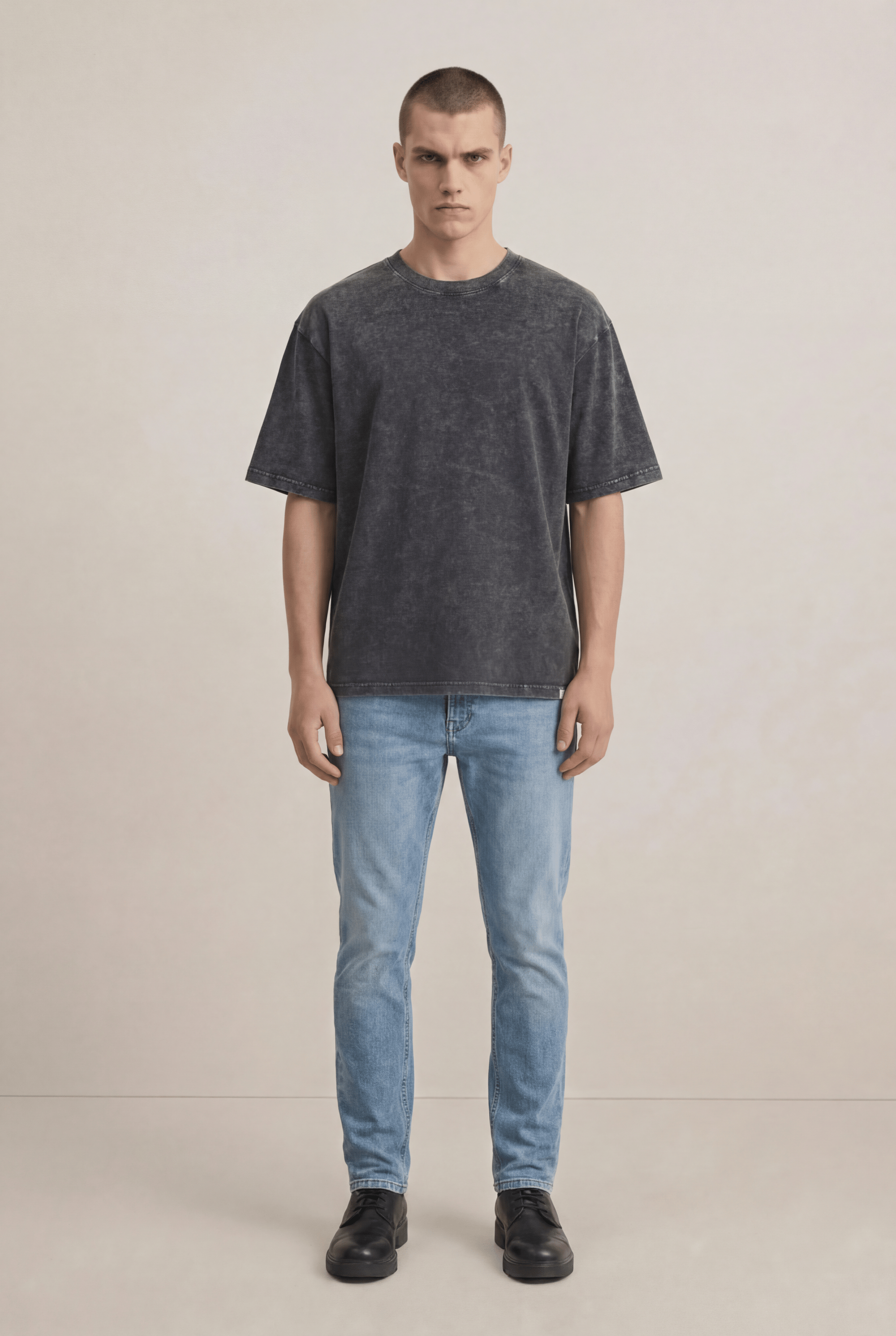
A visual example can help when you’re deciding how formal or relaxed you want the look to feel:
Evening is often the easiest styling shift
A wool blazer becomes evening-ready with very little effort. Swap the work shirt for a silk cami or a fitted knit. Keep the blazer open. Add a sharper shoe, a small bag, and lipstick if you wear it. The blazer does the anchoring, which means the rest of the outfit can remain simple.
That’s what makes it such a strong investment. It reduces decision fatigue while making you look more considered.
How to Find Your Perfect Fit A Measurement Guide
Buying a blazer online gets easier once you stop relying on your usual size alone. A blazer is a shaped garment. The fit depends on where the seams sit, how the bust and waist are cut, and how much room you need through the back and sleeves.
Start with a soft measuring tape and a blazer you already own that fits reasonably well.
The four measurements that matter most
Take these measurements in light clothing.
-
Shoulders
Measure from one shoulder point to the other across your back. On a blazer, this is the first area to get right. If the shoulder is too wide, the whole jacket looks borrowed. If it’s too narrow, the sleeve and upper arm will pull. -
Bust
Measure around the fullest part of your bust while keeping the tape level. A blazer should skim this area, not flatten it. -
Waist
Measure the narrowest part of your natural waist. This matters most in structured blazers with shaping. -
Sleeve length
Measure from the shoulder point down to the wrist bone with your arm slightly bent. A blazer sleeve should usually finish around the wrist bone, allowing a shirt cuff to show slightly if you want that styling detail.
For broader sizing help when comparing charts, this guide to a Canada clothing size chart can be useful.
What a good fit feels like
Use this quick checklist after you try a blazer on:
- At the shoulder: The seam should sit at your natural shoulder edge.
- When buttoned: It should close comfortably without pulling or gaping.
- Through the back: You should be able to reach forward without strain.
- At the sleeve: The arm should move easily without twisting.
- At the hem: The length should support the outfits you wear most often.
When tailoring is worth it
Some problems are easy to fix. Sleeve length, waist shaping, and slightly long hems are often manageable. Major shoulder problems usually aren’t worth correcting.
If the shoulders fit and the fabric is excellent, a tailor can often refine the rest.
This is a useful mindset for investment dressing. Buy for the hardest area to alter. Adjust the rest with precision.
Preserving Your Investment Care and Longevity Tips
Most brands are happy to tell you a wool blazer is timeless. Far fewer explain how to help it stay that way in a Canadian home, where damp winters, indoor heating, salt exposure, and seasonal storage all affect fabric. That gap matters because maintenance is part of the value equation, as discussed in this overview of the care gap around wool blazers in Canadian climates.
Good care isn’t elaborate. It’s consistent.
The habits that protect wool
After wearing your blazer, don’t put it straight back into a tightly packed wardrobe. Let it air out first. Wool benefits from rest because the fibres release odour and recover shape naturally.
A few simple habits go a long way:
- Use a proper hanger with enough width to support the shoulders.
- Brush lightly with a garment brush to remove surface dust.
- Spot clean early if you notice makeup, coffee, or city grime.
- Rotate wear rather than reaching for the same blazer every day.
What Canadian conditions change
If you walk through slush, freezing rain, or damp snow, your blazer may absorb moisture around the hem and cuffs. Let it dry naturally away from direct heat. Don’t place it near a radiator to speed things up. Heat can stress the fibres and distort the shape.
Humidity shifts also matter indoors. Basements, storage closets, and overstuffed wardrobes can invite mildew or moth problems, especially during off-season storage.
Store carefully with:
- A breathable garment bag, not plastic
- Clean fabric before storage, since residue attracts pests
- Dry, ventilated conditions rather than sealed, humid spaces
Dry cleaning versus lighter care
Many women over-clean wool because they assume every wear requires professional treatment. Usually it doesn’t. Dry clean when the blazer is visibly soiled, has absorbed odour that airing won’t release, or needs a full refresh after heavy seasonal wear.
For routine upkeep, brushing, airing, and local spot cleaning are often enough. That gentler rhythm supports both longevity and conscious consumption.
Wool lasts longer when you treat care as stewardship, not rescue.
The reward is practical. A blazer that keeps its shape, surface, and softness stays in rotation. That means fewer replacements, less waste, and more satisfaction from the original purchase.
The Conscious Choice Why Sourcing and Craftsmanship Matter
The smartest blazer purchase isn’t based on appearance alone. It rests on a fuller question. What is this garment made from, who made it, and will the quality justify keeping it for years?
That question has become more important because many retailers present wool blazers as luxury products while saying very little about sourcing transparency or ethical production. As noted in this discussion of wool blazer sourcing transparency and conscious design concerns, shoppers increasingly want to know about standards such as the Responsible Wool Standard (RWS) and the broader footprint behind a garment.
What to ask before you buy
When evaluating a blazer, ask practical questions rather than marketing ones.
- Where was the wool sourced? A clear answer suggests a more transparent supply chain.
- Is there any third-party certification? Standards such as RWS can help signal attention to animal welfare and traceability.
- How was the garment made? Good tailoring requires skill, not just fabric.
- Will this piece age well? Longevity is part of sustainability.
Craftsmanship matters because even beautiful wool can underperform if the cut is careless or the finishing is poor. Uneven seams, thin lining, unstable collars, and weak button attachment all reduce the life of the blazer.
Why durability is part of ethics
Conscious consumption isn’t only about fibre origin. It’s also about how often a garment needs replacing. Natural fibres such as wool can support a more durable wardrobe when they’re chosen with care and maintained properly.
A blazer that works across workdays, travel, dinners, and quieter weekends does more than one job. That versatility reduces the need for multiple lesser pieces. It also encourages a calmer relationship with style. You buy with intention, wear with confidence, and replace less often.
Quiet confidence is built, not purchased
There’s a reason the right wool blazer feels different from an impulse buy. It aligns outer presentation with inner standards. You notice the line at the shoulder, the way the fabric falls, the steadiness of a garment that doesn’t need embellishment to feel complete.
That’s the deeper appeal. Not status. Not trend. Substance.
When women choose clothing this way, style becomes less about constant novelty and more about discernment. The blazer becomes a practical expression of values. Quality over excess. Longevity over churn. Presence over noise.
If you’re refining your wardrobe with that mindset, IdyllVie offers a Canadian perspective on conscious design, natural fibres, and everyday pieces made to be lived in for years.












0 comments