
You’re probably looking at a familiar problem. Your lightweight jacket stops being useful the moment the wind picks up, but your heavy winter coat feels like too much for half the year. In much of Canada, that gap is where most wardrobes fail. A morning can start cold, warm up by lunch, then turn damp and raw by evening.
That’s why the wool bomber jacket keeps earning its place. It isn’t just a style reference borrowed from aviation history. It’s one of the few outerwear shapes that combines compact structure, real insulation, and everyday wearability. It looks clean enough for a dinner out, relaxed enough for errands, and practical enough for the commute.
A good one also solves a deeper issue. It reduces wardrobe clutter. Instead of owning separate jackets for polish, warmth, and shoulder-season unpredictability, you get one piece that handles more situations well. If you’re curious how wool compares with other outerwear materials, this guide to a merino wool jacket is a useful companion read.
The Search for the Perfect All-Season Jacket
Individuals often don’t initially express a desire for a wool bomber jacket. Their primary wish is for one jacket they can reliably count on.
It usually sounds like this. You need something for a cool October evening in Toronto, a damp spring morning near the lake, or a winter dinner when a full parka feels excessive. You want it to work with denim, knitwear, and dress trousers. You want warmth, but not bulk. You want something timeless, but not stiff.
That’s the exact space where the bomber silhouette makes sense.
The shape has always been appealing because it’s compact and functional. The waist-length cut is easy to move in. The ribbed edges help seal in warmth. The front zip makes it practical. When that silhouette is paired with wool, it becomes more than a fashion item. It becomes a piece of outerwear that responds well to real weather.
A strong jacket shouldn’t ask you to change your whole wardrobe around it. It should fit into the life you already live.
The best versions feel effortless because they balance opposites well. They’re structured but comfortable. Warm but breathable. Understated but distinctive. That’s rare in outerwear.
For Canadian dressing, versatility matters more than novelty. A jacket that only works in one temperature band or one kind of outfit won’t earn its place for long. A well-made wool bomber does, because it bridges casual and refined dressing while offering the kind of comfort that makes you reach for it again without thinking.
Anatomy of a Modern Wool Bomber Jacket
A modern wool bomber jacket looks simple at first glance. That simplicity is deceptive. Nearly every visible detail has a functional reason behind it.
The silhouette came from flight wear, where pilots needed warmth without excessive restriction. The wool bomber jacket traces its origins to early military aviation. The B-3 model was introduced in the mid-1930s for the US Army Air Forces and was quickly adopted by Royal Canadian Air Force squadrons during the Second World War. Built from sheepskin and lined with heavy sheep wool, it protected crews in temperatures as low as -50°C, and by the war’s end over 232,000 personnel had served in the RCAF while crews flew more than 47,000 missions, as outlined in this history of bomber jackets and RCAF use.

The parts that define the shape
Start with the body. On a modern version, this is usually cleaner and less bulky than historical flight jackets. That refinement matters because it makes the jacket easier to wear indoors, in the car, or layered over knitwear without feeling cumbersome.
Then look at these signature components:
- Rib-knit collar helps frame the neck cleanly and sits flatter than a wide coat collar.
- Cuffs and hem matter more than people realise. They help hold warmth close to the body and reduce drafts.
- Front zip closure keeps the jacket practical and easy to regulate through changing temperatures.
- Pockets should sit naturally at hand level without pulling the front panel out of shape.
Why these details still matter
A bomber jacket only works if its pattern balances structure and ease. Too much room and it looks sloppy. Too little and it loses the athletic, functional spirit that made the silhouette iconic in the first place.
Design check: When you try one on, raise your arms, sit down, and zip it fully. A good bomber should move with you without riding up too aggressively at the waist.
The shoulder line is especially important. A dropped shoulder creates a softer, more casual feel. A neater shoulder gives the jacket more polish. Neither is automatically better. It depends on whether you want your wool bomber jacket to behave more like a weekend layer or a refined everyday staple.
What separates modern from costume
The strongest modern bombers borrow the logic of the original without copying every historical cue. You want the discipline of aviation design, not a theatrical replica.
That usually means:
- A cleaner fit through the torso
- Less bulky trims at collar and hem
- Better interior finishing for layering over shirts and knits
When those choices are made well, the jacket keeps its heritage while feeling current. That’s why the bomber remains one of the few enduring outerwear forms.
Decoding the Fabric Why Wool is the Superior Choice
If the silhouette gives the wool bomber jacket its identity, the fabric gives it its performance.
Wool works so well because it solves several problems at once. It insulates, breathes, and manages moisture without feeling technical or synthetic. That combination is especially useful in a climate where you can move from a dry cold street to a heated office, then back into sleet or wet snow on the way home.
In Toronto, average January temperatures can fall to -5.4°C, and wool’s lower thermal conductivity allows it to trap 80% more insulating air than cotton or polyester. Wool garments have also been shown to maintain core body temperature 2 to 3°C higher than synthetics in 0°C conditions while wicking moisture 30% faster, according to this product research on virgin wool bomber insulation.
Why insulation feels different in wool
Many shoppers hear “warm” and assume that means thick. That’s not how wool works.
Wool fibres have a natural crimp. That crimp creates tiny air pockets within the fabric structure. Those pockets hold warmth near the body without needing the same visual puffiness you’d see in many synthetic jackets. So the warmth feels quieter. Less bulky. More balanced.
That makes a wool bomber jacket particularly good for shoulder seasons and moderate winter wear because it doesn’t overcommit. It warms you without turning every indoor space into a heat trap.
Wool type comparison for bomber jackets
Not all wool behaves the same way. Fibre source and processing change how the jacket feels, drapes, and ages.
| Wool Type | Key Characteristic | Best For |
|---|---|---|
| Merino wool | Soft hand feel with strong temperature regulation | Daily wear, commuters, people sensitive to scratchier fabrics |
| Lambswool | Plush and comfortable with a slightly fuller surface | Relaxed casual bombers and softer cold-weather layering |
| Virgin wool | Crisp structure and dependable durability | Sharper bombers with cleaner tailoring and better shape retention |
Choosing the right wool for your life
If you commute, layer often, or move between indoors and outdoors all day, merino is often the easiest to live with. It feels refined against the skin and adapts well to changing conditions.
If you care most about visual texture and a slightly cosier hand, lambswool can be appealing. It often gives a bomber a softer, more relaxed personality.
If you want a jacket that looks sharp and holds its line over time, virgin wool is usually the strongest candidate.
Wool isn’t superior because it does one thing better. It’s superior because it does several important things well at the same time.
That’s a major advantage. A wool bomber jacket doesn’t just keep you warm. It keeps you comfortable in motion, in transit, and in changing weather. For Canadian dressing, that’s a meaningful distinction.
Beyond the Fabric Construction and Quality Details
Fabric gets most of the attention, but construction is what determines whether a wool bomber jacket feels refined for years or tired after one season.
You can spot this quickly once you know where to look. Start inside the jacket, not outside.
The lining tells you a lot
A lining changes how the jacket wears more than many people expect. It affects layering, comfort, and temperature regulation.
A smooth lining helps the jacket slide easily over a shirt, knit, or blazer-style layer. A quilted lining adds a bit more insulation and body. A sherpa or fleece-style interior can feel cosy, but it also shifts the jacket toward a more casual, more seasonal use.
If you want maximum versatility, look for a lining that feels breathable and not overly clingy. A bomber should move easily when you put it on. If the sleeves catch on your knitwear or twist during wear, the interior build needs work.
Pay attention to the rib trims
The collar, cuffs, and hem aren’t decorative add-ons. They’re performance components.
Good rib knit should feel dense and resilient, not limp. It should recover after stretching. It should also sit flat against the body without flaring or collapsing. Cheap trim often fails first, even when the shell fabric still looks decent.
Use this simple checklist in the fitting room:
- Check the cuff recovery by gently stretching and releasing it
- Inspect the hem tension to see whether it grips lightly without squeezing
- Look at the collar seam to make sure it sits cleanly against the neckline
Hardware and seam discipline
A zipper is one of the hardest-working parts of any jacket. If it catches, buckles, or feels flimsy in the shop, it won’t improve with wear.
The placket should lie flat. Pocket openings should feel secure and easy to use. Topstitching should be even, with no loose threads or puckering around stress points. These details aren’t glamourous, but they’re what make a jacket dependable.
Practical rule: If the zipper, rib trim, and lining are all done well, the maker probably cared about the rest of the jacket too.
The shoulder and armhole are also worth checking. A well-cut sleeve allows motion without twisting the whole body of the jacket. That’s a sign of careful pattern work, and pattern work is one of the clearest markers of quality in outerwear.
A great wool bomber jacket is never just about wool. It’s about how the wool, the lining, the trims, and the hardware support each other. Good design is coordinated, not isolated.
Styling Your Wool Bomber for Any Occasion
One reason people keep returning to the wool bomber jacket is simple. It adapts.
It doesn’t force you into one visual identity. The same jacket can look relaxed, polished, or dressed up depending on what sits under it and what you pair it with.

The casual weekend
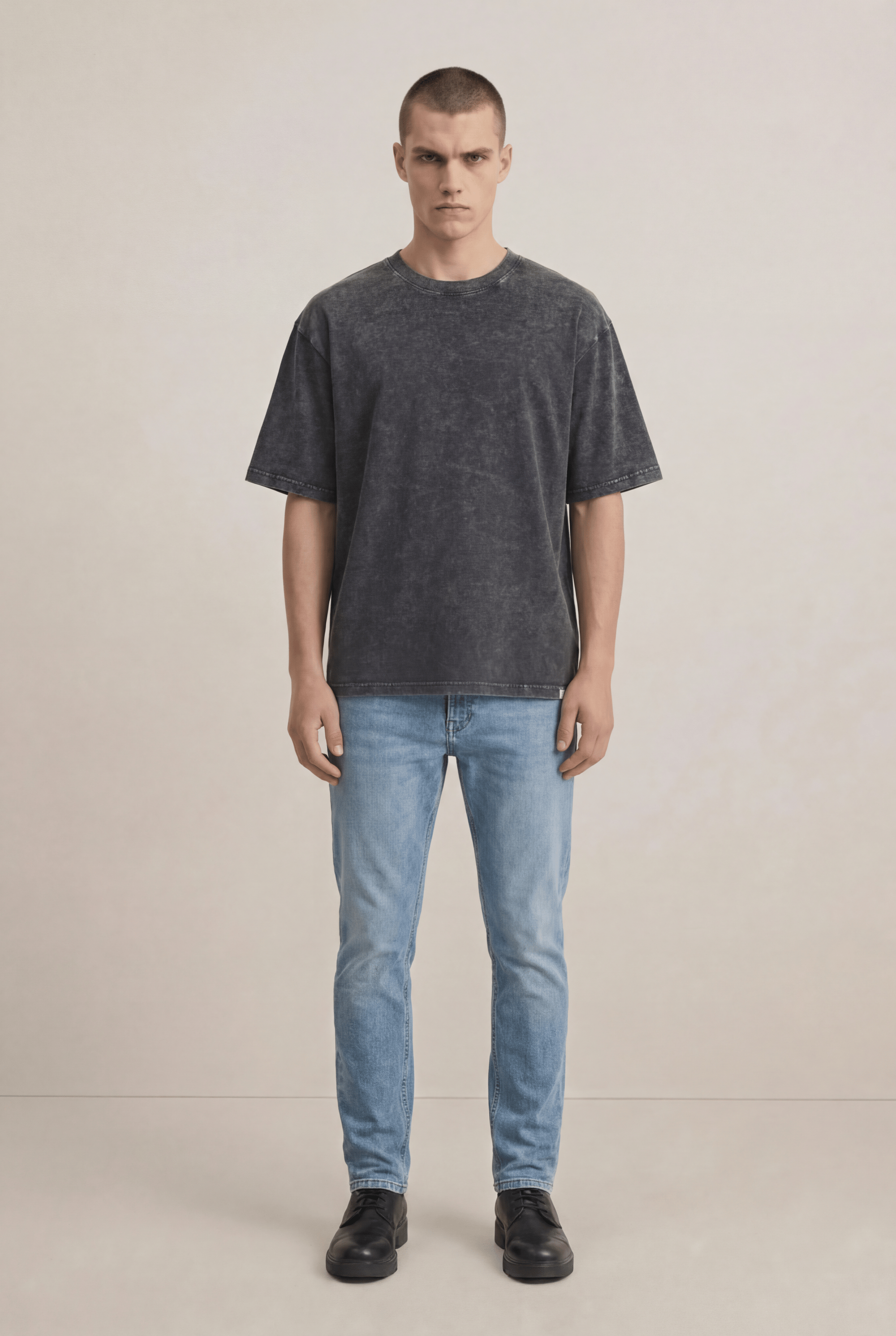
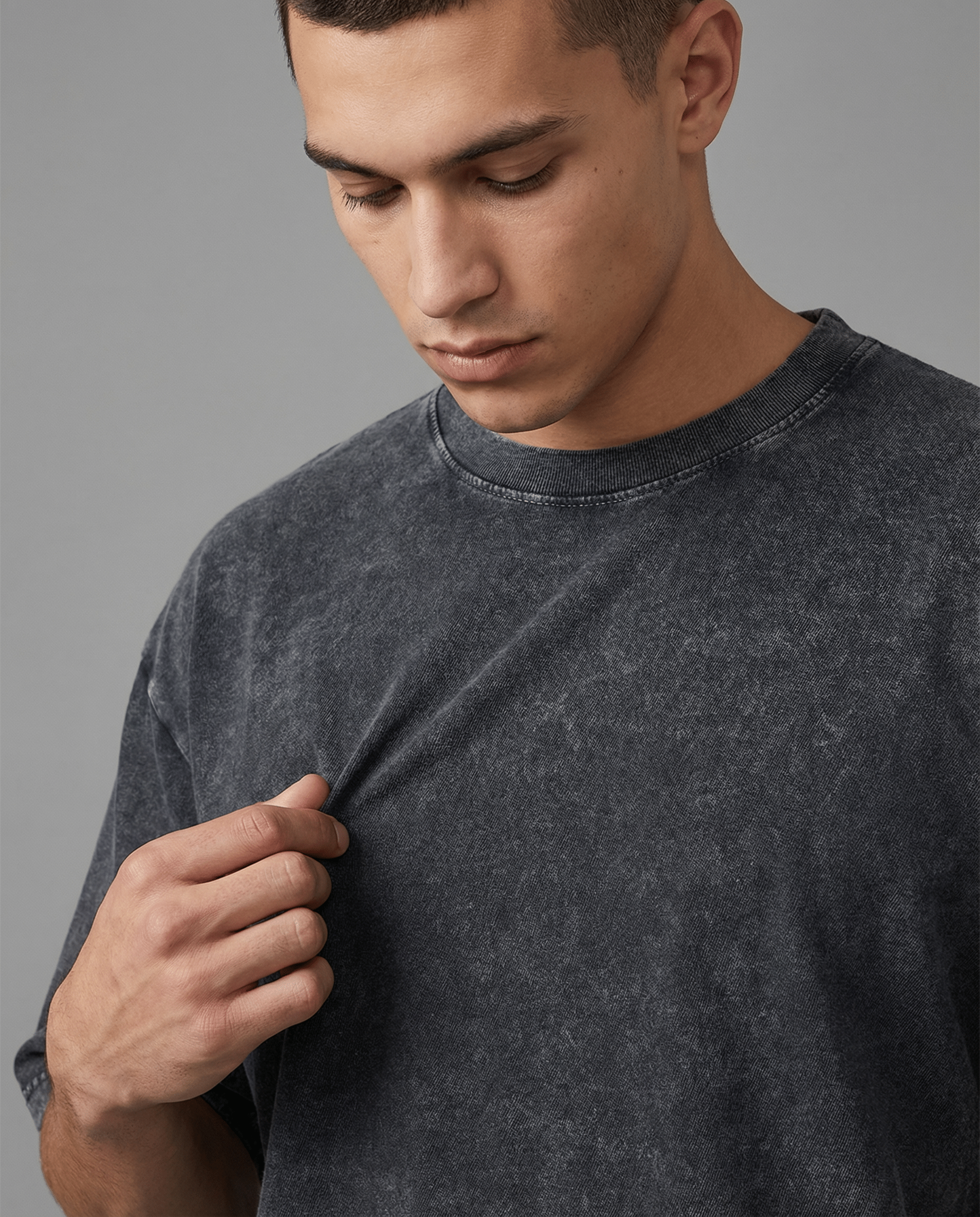
Take a charcoal or navy wool bomber jacket. Add a heavyweight cotton tee, worn-in denim, and clean leather sneakers. That outfit works because the jacket adds shape without making the look feel overdressed.
Texture matters. Wool gives the outfit more depth than a nylon bomber would. The result feels more grounded and adult, even when the rest of the look is simple.
A few easy styling notes help:
- Choose darker neutrals if you want the jacket to work with more of your wardrobe
- Keep the tee substantial so the outfit doesn’t feel flimsy beside the jacket
- Let the bomber sit at the waist rather than sizing up for excess length
The smart-casual commute
For workdays, the wool bomber jacket earns its place when you layer it over a fine knit or a collared shirt with chinos or well-cut wool trousers. That combination feels polished without the stiffness of a formal overcoat.
The trick is proportion. If the jacket is trim, keep the trousers clean and slightly tapered. If the bomber has a roomier cut, give the trouser a bit of visual weight so the outfit stays balanced.
Here’s a good visual reference for how the silhouette moves in real life.
The elevated evening
At night, a wool bomber can replace a blazer or a heavy coat in a way that feels modern and understated. Try it over a dark turtleneck or fine-gauge crew neck with smart trousers and leather boots.
That pairing works because the bomber’s clean front and cropped length sharpen the whole outline. It gives structure at the top without the ceremony of traditional suiting.
For evening wear, the best wool bomber jacket is often the quietest one. Minimal hardware, rich fabric, and a precise fit do most of the work.
The common mistake is over-accessorising. Let the jacket carry the interest. Keep the rest of the palette controlled and the shapes clean.
That’s the beauty of the piece. It isn’t locked into one mood. It can be easy, work-ready, or refined, and it still feels like itself.
Investing in Longevity Care and Maintenance
A wool bomber jacket can serve you for many years, but only if you care for it according to the climate you live in.
That matters more in Canada than many care labels admit. Wool is hygroscopic, which means it naturally absorbs and releases moisture from the air. That’s part of why it feels comfortable to wear. It’s also why careless storage can shorten the life of the garment.
Experts recommend storing wool outerwear in an environment with 45 to 55% humidity to reduce moisture absorption and help prevent mould growth, especially in damp basements and during humid summers, as noted in this guidance on wool outerwear storage.
What to do between wears
You don’t need to clean a wool bomber after every outing. In fact, over-cleaning can be hard on the fibres and internal structure.
A better routine looks like this:
- Air it out after wear, especially if you’ve been in snow, drizzle, or a heated indoor space for hours
- Brush lightly with a garment brush to remove surface dust before it settles into the cloth
- Spot-clean quickly if you catch a minor mark before it sets
Seasonal storage matters
Summer is where many good jackets get damaged. People shove them into a packed closet, a basement bin, or the back seat of a car and assume they’ll be fine until autumn.
They won’t always be.
Store your wool bomber jacket on a proper hanger so the shoulder shape stays intact. Give it breathing room. Keep it out of plastic, which can trap moisture. If your storage space runs damp, choose a better location before the season changes.
A premium jacket doesn’t wear out only on your body. It can wear out in storage if the environment is wrong.
When professional cleaning makes sense
Use a trusted cleaner when the jacket has noticeable soil, lining odour, or stains that need proper treatment. If the care label specifies dry clean only, follow it. That instruction is there to protect the fabric finish, interlining, and trim stability.
Good care isn’t fussy. It’s disciplined. A few thoughtful habits preserve the hand feel, shape, and usefulness of the jacket far longer than commonly expected.
The Conscious Choice Sustainability in Wool Outerwear
The sustainability case for a wool bomber jacket isn’t just about fibre origin. It’s about how long the garment remains useful, what happens to it at the end of its life, and whether its performance reduces the urge to replace it quickly.
Canada produces 500,000 tonnes of textile waste annually. Against that backdrop, wool stands apart because its natural keratin structure allows it to biodegrade in 1 to 5 years, while synthetics can take over 200 years to decompose. Domestic Canadian Arcott wool fibres also show 40% superior abrasion resistance compared with polyester blends, which supports longer garment life, according to this overview of wool durability and textile waste.

Durability is part of sustainability
People often discuss sustainability as if it begins and ends with marketing labels. In clothing, durability is one of the most practical environmental qualities a garment can have.
If a jacket keeps its shape, resists abrasion, and remains wearable over many seasons, you buy less often. You replace less often. You discard less often. That’s a direct improvement, not a theoretical one.
This is why the wool bomber jacket deserves a place in a slower wardrobe. It isn’t trend-led in the fragile sense. It has enough permanence in both style and function to justify real use over time.
Responsible choices go beyond the fibre
Material choice still matters, of course. So does responsible sourcing, transparent manufacturing, and thoughtful finishing. If those questions matter to you, it’s worth reading more about sustainable clothing in Canada.
When I assess a wool outerwear piece through a sustainability lens, I look for three things:
- Fibre integrity so the shell fabric can age well rather than collapse early
- Repairable construction with trims and hardware that don’t make the garment disposable
- Timeless design restraint so the piece still feels relevant years from now
The most sustainable jacket is one you’ll keep reaching for, caring for, and wearing with pleasure.
That’s where wool has a quiet advantage. It offers natural performance, strong longevity potential, and a much more responsible end-of-life story than petroleum-based alternatives. Those qualities make it more than a warm fabric. They make it a smart material choice.
Why a Thoughtfully Made Jacket Matters The IdyllVie Difference
A wool bomber jacket earns its value through a combination of decisions. The right wool. The right lining. Strong rib trims. Reliable hardware. A fit that respects movement. Careful sourcing. Clean design that won’t date quickly.
When those choices come together, the jacket stops being just another layer. It becomes the piece you trust on the days when weather is uncertain, time is short, and you still want to feel put together. That kind of trust doesn’t come from trends. It comes from craftsmanship.
That philosophy sits at the heart of thoughtful modern apparel. Brands that take material integrity seriously don’t need to overstate their value. You can feel it in the cloth, see it in the finishing, and notice it in how often you reach for the piece.
If you care about where fashion is heading, this perspective on a greener future for the industry is worth your time.
A well-made wool bomber jacket is practical, versatile, and subtly elegant. It respects both the wearer and the resources behind it. That’s why it matters, and why thoughtful design still stands out.
If you’re ready to choose outerwear with lasting value, explore IdyllVie for consciously designed essentials rooted in comfort, craftsmanship, and timeless Canadian living.












0 comments