
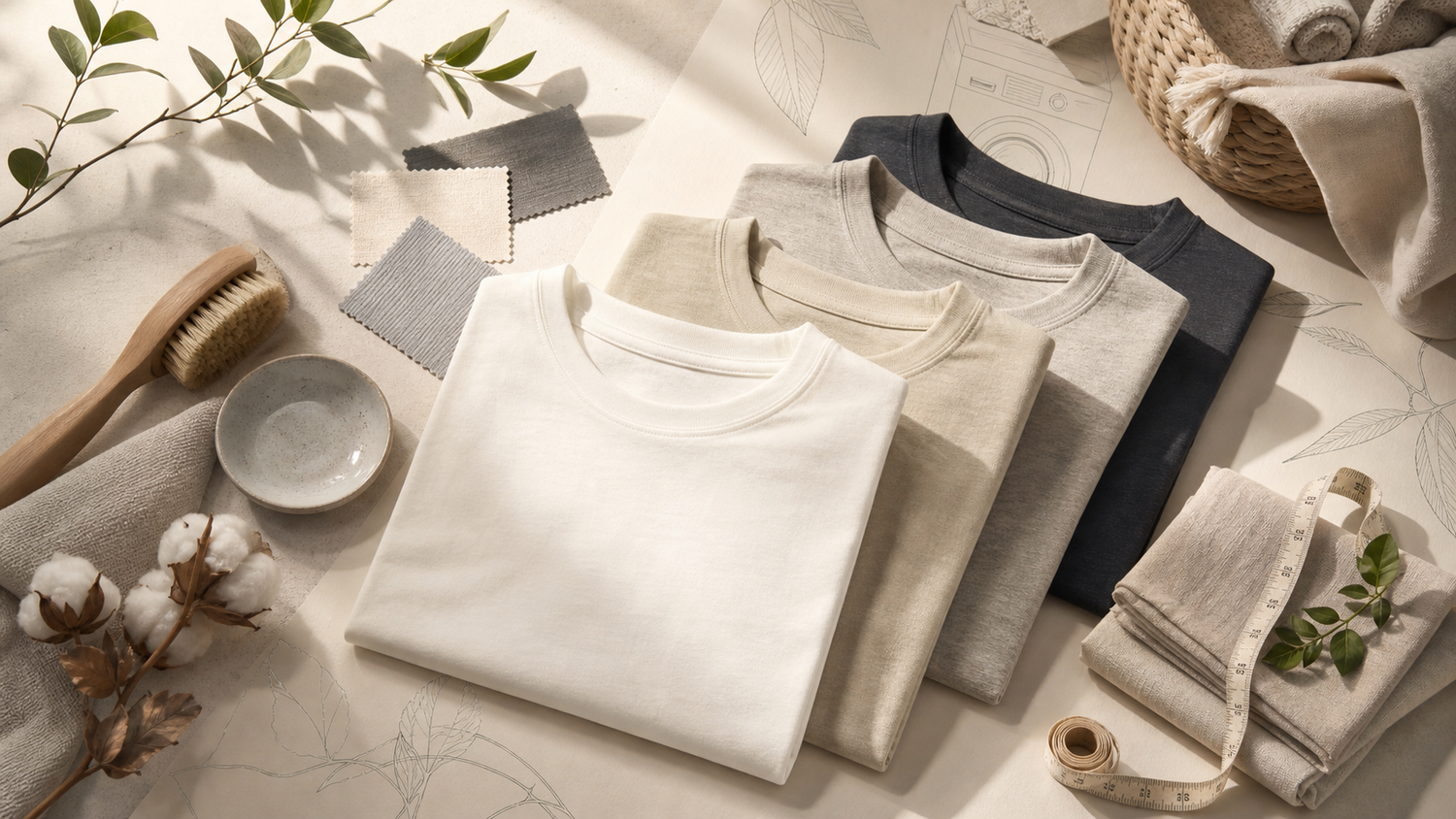
Some clothes ask for ceremony. A cotton T-shirt should not be one of them.
The best organic cotton tees earn their place through repetition: worn on warm afternoons, layered under knitwear, packed for weekends away, and washed often enough that their quality is tested in real life rather than admired on a hanger. That is exactly why care matters. If a tee starts soft but loses shape, fades quickly, or twists at the seams after a few laundry cycles, the original material story stops meaning much.
Organic cotton changes the farming and certification side of the garment. Textile Exchange describes organic cotton as cotton produced and certified to organic agriculture standards, with third-party certification used to support fibre-content claims. But once the T-shirt is in your drawer, the day-to-day care logic is still cotton logic: pay attention to the label, avoid unnecessary heat, treat stains before they set, and dry with more restraint than most people do.
For IdyllVie, that practical approach matters more than laundry perfectionism. A premium tee should be easy to live with, not fragile. The goal is not to baby your shirts. The goal is to preserve softness, shape, colour, and useful life with a routine you can actually repeat.
This guide explains how to wash organic cotton T-shirts, how to prevent extra shrinkage, when to air dry versus tumble dry low, how to handle stains without setting them deeper, and which habits quietly shorten the life of otherwise well-made basics.
The Short Answer: How Should You Wash Organic Cotton T-Shirts?
For most organic cotton T-shirts, the safest default routine is simple:
- read the garment label first
- wash in cold water with like colours
- use a gentle or normal cycle unless the label says otherwise
- turn the shirt inside out before washing
- use a mild detergent and avoid over-pouring
- tumble dry low or air dry, depending on the label and how cautious you want to be
- remove the shirt promptly once dry
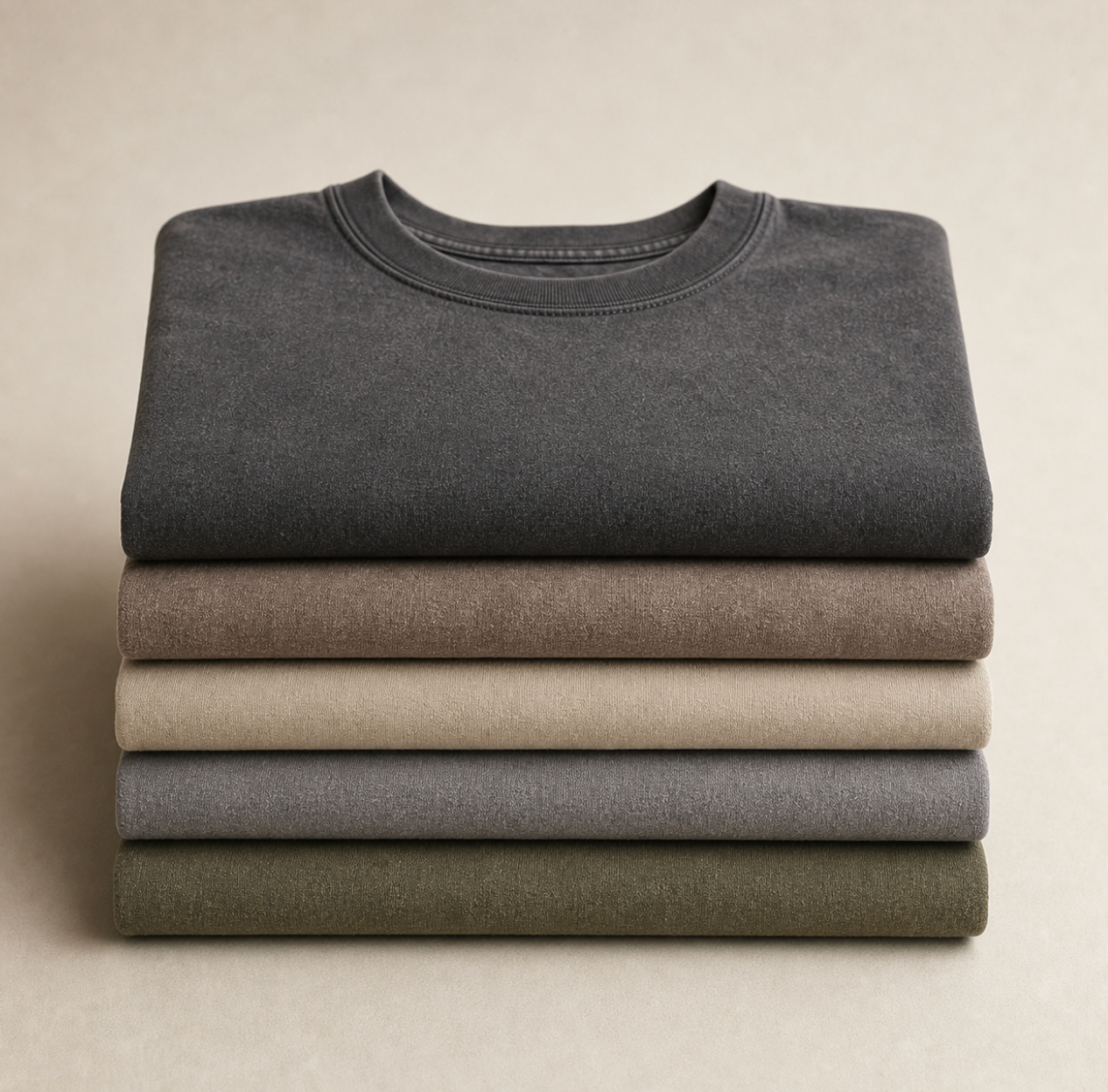
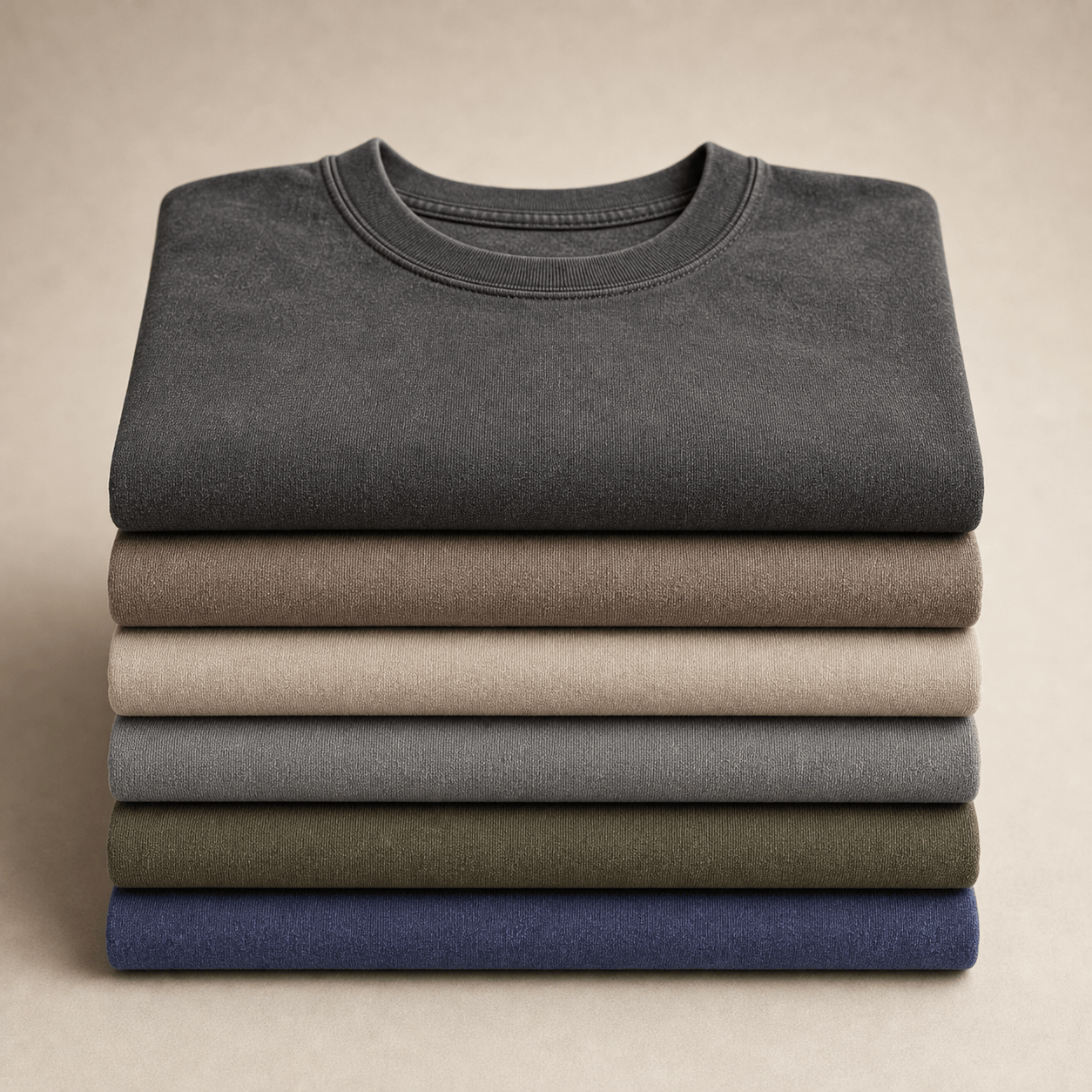
That routine is not random. It aligns with how many premium cotton garments are actually labeled. IdyllVie’s Buttery Soft 100% Cotton T-Shirt, for example, specifies machine wash cold with like colours, tumble dry low, or lay flat to dry. The 5-Pack Classic Fit Stonewashed Cotton T-Shirts also specify machine wash cold and tumble dry low.
The consistent theme is controlled washing and controlled heat.
Why Organic Cotton Tees Need Thoughtful Care
Organic cotton is still cotton, which means it can shrink, wrinkle, and gradually lose surface smoothness if repeatedly exposed to heat, over-drying, or aggressive laundering. Cotton Incorporated notes that most cotton fabric shrinkage happens during the first wash, while CottonWorks explains that shrinkage in cotton knits is influenced not only by fibre and construction, but also by laundering and garment care.
That matters especially for T-shirts because many of them are knit fabrics. Knits tend to be softer and more flexible than woven shirting, but they are also more sensitive to distortion if washed or dried too harshly.
Organic cotton tees can also be finished differently from mass-market basics. Some are pre-shrunk, stonewashed, or heavier in structure. Those details affect how much insurance you already have against shrinkage, but they do not cancel out the impact of home laundering.
The real objective is preservation:
- preserve softness by avoiding unnecessary fibre stress
- preserve fit by limiting heat-driven shrinkage
- preserve colour by washing with like shades and turning the shirt inside out
- preserve the surface by reducing rough abrasion from overcrowded loads and heavy hardware
Start with the Label, Not a Generic Laundry Rule
The smartest care habit is also the least glamorous one: trust the label before you trust a laundry hack.
The U.S. Federal Trade Commission requires apparel care labels to disclose the regular care procedure needed for ordinary use, including washing method, allowable water temperature, drying method, bleaching instructions, and warnings such as washing with like colours when needed. In other words, the label is not filler. It is the manufacturer’s tested baseline for that garment.
That matters because two cotton tees can need slightly different routines:
- a pre-shrunk jersey tee may tolerate low tumble drying well
- a stonewashed tee may benefit from inside-out washing to preserve the finish
- a garment with deeper dye may need extra colour-separation discipline
- a structured tee may look best if removed from the dryer early and smoothed by hand
If the label says cold wash and low tumble dry, treat that as your main instruction. If it gives you a choice between tumble dry low and flat drying, the lower-heat route is usually the gentler long-term option.
Organic Cotton T-Shirt Care at a Glance
| Care Step | Best Default for Most Organic Cotton Tees | Why It Helps |
|---|---|---|
| Sorting | Wash with like colours and similar weights | Reduces dye transfer and abrasion |
| Water temperature | Cold water | Helps limit shrinkage and colour loss |
| Cycle | Gentle or normal, depending on soil level | Reduces unnecessary stretching and surface wear |
| Shirt position | Turn inside out | Protects outer surface and finish |
| Detergent | Mild detergent, measured correctly | Helps avoid residue and stiffness |
| Stain care | Pre-treat before washing | Improves removal without repeated hot washing |
| Drying | Air dry or tumble dry low | Helps preserve size, softness, and shape |
| Post-dry handling | Remove promptly, fold or hang clean | Prevents set-in wrinkles and collar distortion |
If you do only four things consistently, make them these: cold wash, like colours, low heat, and no over-drying.
How to Wash Organic Cotton T-Shirts Step by Step
1. Sort by Colour and Fabric Weight
Do not throw your best tees into the same load as heavy denim, rough towels, or garments with exposed zippers. Cotton clothing lasts longer when friction is reduced.
Sort by:
- whites, lights, and darks
- lightweight tees versus heavier garments
- low-soil everyday loads versus sweaty or heavily soiled items
Cotton Incorporated’s cotton care guidance also recommends sorting by colour and separating heavily soiled items from lightly soiled ones. That is useful for both appearance and longevity.
2. Turn the Shirt Inside Out
This is one of the easiest ways to help a T-shirt age better. Inside-out washing reduces direct friction on the visible face of the fabric, which can help preserve colour depth, printed or dyed surfaces, and the cleaner look of seams and necklines.
It is especially worth doing for:
- dark organic cotton tees
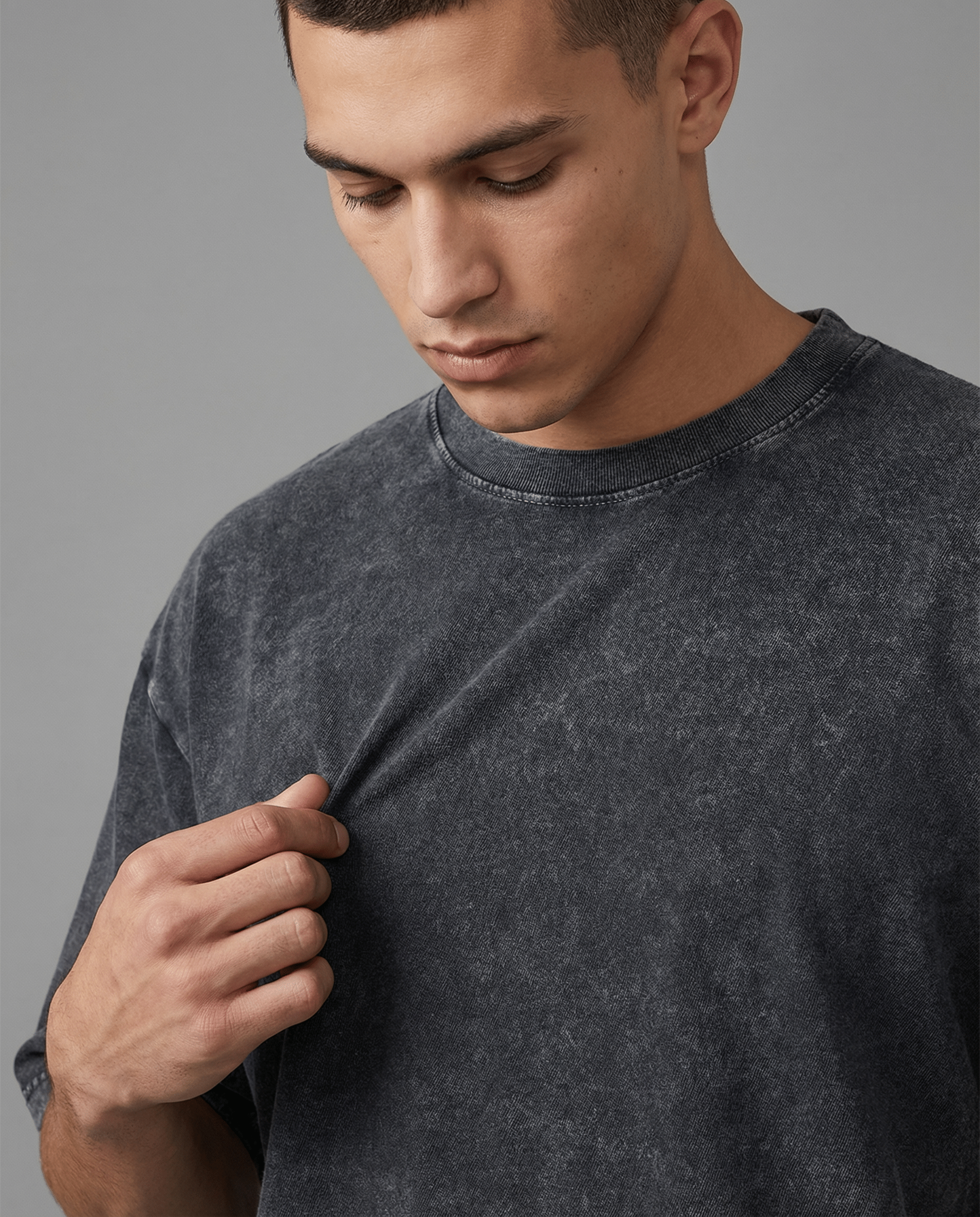
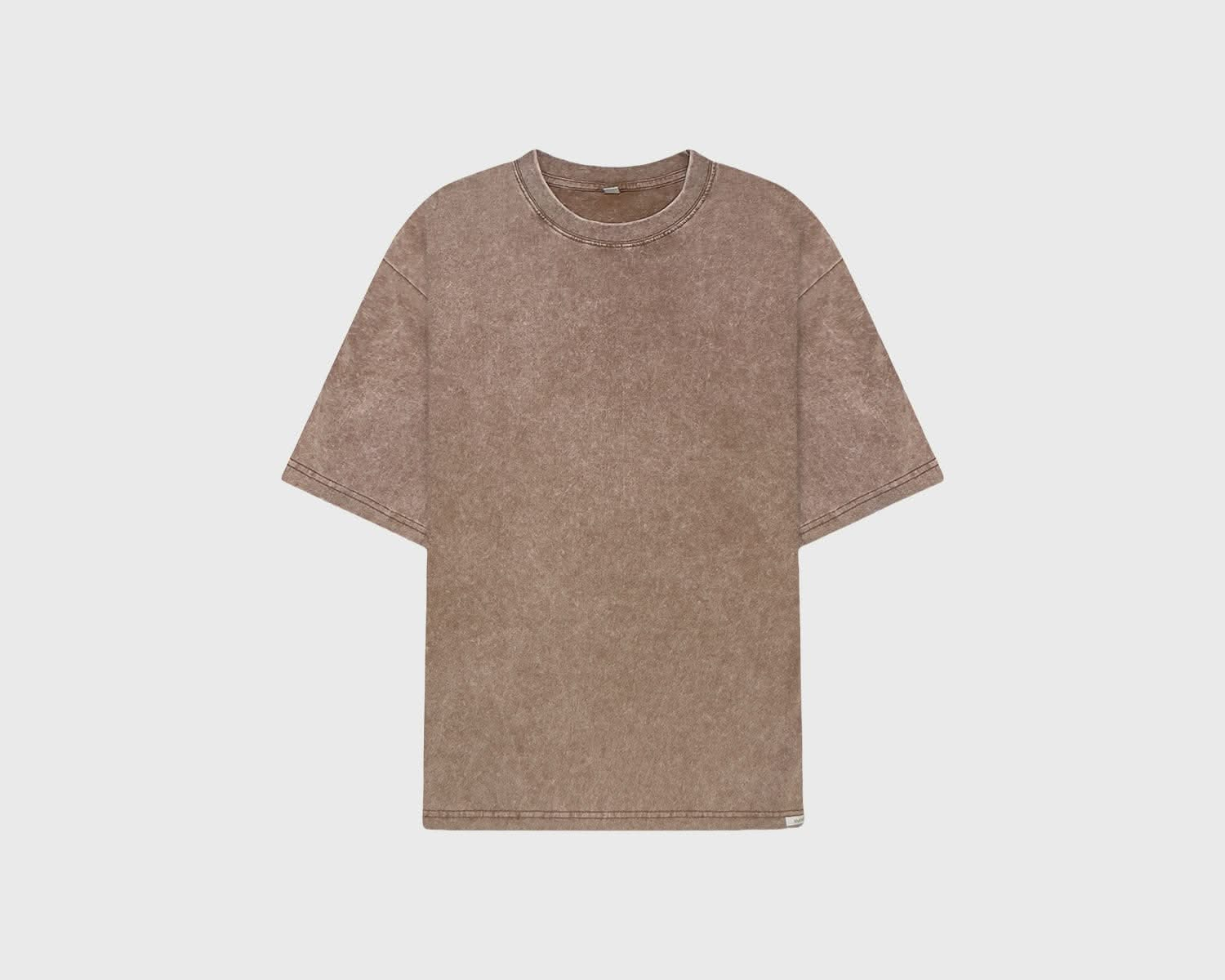
- stonewashed or garment-dyed finishes
- shirts you want to keep looking newer for longer
3. Use Cold Water Unless the Label Clearly Allows More
Cold water is usually the safest choice for organic cotton tees because it is gentler on colour and less likely to trigger additional shrinkage. It also matches the care guidance on IdyllVie’s cotton T-shirt product pages.
That does not mean warm water is never appropriate. It means you should move away from cold only when the care label allows it and the soil level genuinely warrants it. Washing hotter than necessary is one of the fastest ways to make a soft tee feel older than it is.
4. Choose a Reasonable Cycle
A normal cycle is fine for many everyday tees, but a gentle cycle is useful for lighter jerseys, premium basics, or anything you want to preserve more carefully. The point is not to under-clean a shirt. The point is to avoid mechanical stress that does not improve results.
If the shirt is only lightly worn, shorter and cooler is usually enough.
5. Measure Detergent Instead of Guessing
Too much detergent can leave residue in cotton, making a shirt feel less soft rather than more clean. Use the amount suggested for your machine and load size. If you have soft water, you often need less than you think.
Avoid treating fragrance, foam, or overfull caps as evidence of a better wash.
How to Keep Organic Cotton T-Shirts Soft
Softness is not only about the original fabric. It is also about what repeated laundering does to the fibres.
To help organic cotton tees stay soft longer:
- avoid hot water unless the label specifically supports it
- skip over-drying
- do not let detergent build up in the fabric
- wash tees with smoother items, not rough loads
- air dry occasionally, especially for favourite shirts
IdyllVie’s cotton product pages put equal emphasis on pre-shrunk construction and comfort. That is a useful reminder that softness and shape work together.
Air Dry or Tumble Dry Low?
Both can work. The better question is what you are optimizing for.
Choose air drying or lay-flat drying when:
- you want the lowest-risk option for shrinkage
- the shirt is a favourite fit and you do not want to gamble with length
- the fabric is lightweight or especially soft
- you are trying to preserve a dyed or stonewashed finish
Choose tumble dry low when:
- the label explicitly allows it
- you need convenience
- the shirt is pre-shrunk and built for regular machine care
- you remove it promptly rather than baking it dry
The biggest problem is usually not the dryer itself. It is overdrying. Cotton care guidance from Cotton Incorporated notes that leaving cotton in the dryer too long can set wrinkles and cause shrinkage. Low heat plus prompt removal is a very different habit from blasting a tee until it is bone dry and hot to the touch.
What About Shrinkage?
Most of the dramatic shrinkage risk comes early, especially if the tee was not thoroughly stabilized before sale. That is one reason pre-shrunk cotton matters.
IdyllVie’s cotton tees repeatedly highlight pre-shrunk construction in both product and article copy. That should reduce major fit surprises, but it does not make the shirt shrink-proof. Cotton still reacts to heat and agitation over time. Whirlpool’s current care guidance makes the same practical point: hot washing and high dryer heat increase the risk of shrinkage, while colder washing and low-heat drying help minimize it.
If you care about fit consistency, treat heat as a limited resource rather than a default setting.
Stain Care Without Making the Problem Worse
The common mistake is waiting too long, then using too much heat.
For most T-shirt stains:
- Blot or lift off the excess first.
- Pre-treat the area before washing.
- Follow the garment care label for wash temperature.
- Check the stain before drying.
Tide’s current stain-removal guidance recommends pre-treating stains and checking the garment before drying because dryer heat can set a stain that is not fully removed. That matters for cotton tees because once an oil, food, or deodorant mark goes through a hot dryer, the second round is usually harder.
If the stain remains after washing, re-treat and wash again. Do not move straight to high heat.
A Practical Weekly Routine That Works
If you wear premium cotton tees often, you do not need a complicated system. You need a repeatable one.
The low-maintenance version
- keep tees in a separate light/dark pile
- wash every few wears unless visibly dirty or sweaty
- turn inside out before loading
- cold wash with measured detergent
- dry low for convenience or air dry the favourites
Either routine works better than neglect followed by panic laundering.
Storage Matters More Than People Think
A clean shirt stored badly can still lose its shape.
For everyday T-shirts:
- put them away only when fully dry
- fold smoother knits rather than stretching them on thin hangers
- avoid cramming drawers so tightly that collars and hems stay compressed
- rotate your most-worn tees so the same two shirts are not carrying the entire week
Laundry does not end when the machine stops.
Signs You Are Overwashing or Overdrying Your Tees
If your organic cotton shirts are aging too quickly, the issue is often routine rather than quality.
Watch for:
- collars that start rippling
- body length shortening faster than expected
- increased surface roughness
- side seams twisting
- underarm odour that lingers because detergent residue is building up
- colour fading that seems too fast for the age of the shirt
When those signs show up, the fix is usually straightforward: cooler wash, better sorting, measured detergent, and less dryer time.
A Simple Organic Cotton T-Shirt Care Checklist
Before washing, ask:
- Did I check the actual care label?
- Can this shirt go in a cooler, gentler load?
- Have I turned it inside out?
- Am I washing it with similar colours and weights?
- Have I pre-treated the stain before applying heat?
- Do I really need the dryer, or am I just defaulting to it?
That checklist is not about fussiness. It is about reducing the handful of habits that do the most damage.
FAQ
Is organic cotton cared for differently than regular cotton?
Usually not in a dramatic way. Organic cotton changes how the fibre is grown and certified, but the garment still needs cotton-appropriate laundering based on the specific care label.
Should I wash organic cotton T-shirts in cold water?
In most cases, yes. Cold water is the safest default for preserving colour, limiting shrinkage, and staying aligned with many premium cotton care labels, including current IdyllVie T-shirt pages.
Can I put organic cotton tees in the dryer?
Often yes, if the label allows it. Tumble dry low is usually safer than medium or high heat, and removing the shirt promptly matters almost as much as the setting.
Why do my cotton T-shirts stop feeling soft?
Common causes include detergent buildup, rough mixed loads, repeated high heat, and overdrying. Sometimes the fabric is still sound, but the routine is too aggressive.
Do pre-shrunk cotton T-shirts still shrink?
They can, just usually less. Pre-shrinking helps stabilize the fabric, but repeated heat exposure can still cause some dimensional change over time.
What is the safest way to dry a favourite T-shirt?
Lay flat or air dry after smoothing it back into shape. That is usually the lowest-risk option if preserving fit matters more than speed.
Should I wash T-shirts after every wear?
Not always. If the shirt was lightly worn and still fresh, washing every single wear can create unnecessary wear. Use judgement based on sweat, stains, and season.
Better Care Is Part of Buying Better
An organic cotton T-shirt should not become a high-maintenance object. But it should be treated like a garment worth keeping.
That means respecting the label, using less heat than impulse suggests, and understanding that softness is easier to preserve than restore. The shirts that stay in rotation longest are matched with a practical routine: cool wash, careful drying, simple stain discipline, and storage that does not undo the work.
That is also the most IdyllVie approach to everyday basics. Choose good materials, understand what they need, and then care for them just enough that they remain easy, useful, and beautiful to wear again.












0 comentarios