
You're standing in front of two T-shirts that look nearly the same. Both are soft. Both are neutral. Both promise to become an everyday staple. One says cotton. The other says organic cotton, and it costs more.
That hesitation is reasonable. Many shoppers aren't trying to buy a philosophy when they shop for basics. They're trying to buy something that feels good, wears well, survives the wash, and still seems worth the price six months later.
The question in organic cotton vs cotton isn't whether one sounds nicer on a hang tag. It's whether the difference shows up in the field, in the fabric, on your skin, and eventually in your cost per wear. It does. But the answer is more nuanced than a simple good-versus-bad story.
The Choice Between Two Cotton Tees
A common shopping moment goes like this. You pick up a conventional cotton tee because it feels familiar and easy. Then you notice the organic option beside it. The cut is similar. The colour is similar. The higher price is not.
What you're really deciding between is two different systems hidden inside one garment. One reflects standard cotton production. The other reflects stricter farming and processing choices, often tied to certifications and tighter material standards. That difference matters more than the shirt rack suggests.
Organic cotton is also far rarer than many shoppers realise. In the 2020/21 harvest year, only 342,265 tons of certified organic cotton fibre were grown globally, equal to about 1.4% of total world cotton production of 24,380,507 tons, according to TheRoundup's organic cotton facts and statistics summary. That scarcity helps explain why certified organic cotton often appears in premium products rather than mass basics.
A useful way to read that label: organic cotton isn't a minor upgrade. It's a deliberate material choice drawn from a very limited share of the global cotton supply.
For a Canadian shopper, that changes the framing. The higher ticket price isn't only about branding. It often reflects a fibre that's harder to source, grown under tighter conditions, and chosen by brands that want longevity and lower-impact materials rather than high-volume turnover.
That doesn't mean every organic tee is automatically better. Construction, knit weight, finishing, and fit still matter. But when you compare like with like, fabric quality and lifespan become much more important than the initial price alone. That's where the conversation gets interesting.
How Cotton Is Grown Matters
Cotton starts as an agricultural decision long before it becomes a T-shirt. If you want to understand the difference between organic cotton vs cotton, start in the field rather than in the fitting room.

Water use and soil health
One of the clearest differences is water. Organic cotton farming can reduce blue water consumption by 91% compared with conventional cotton, and up to 80% of organic cultivation relies on rainwater. The same source notes that healthier soil can improve water retention by 20 to 30%, which reduces dependence on intensive irrigation, as explained in Lenvers Fashion's discussion of organic cotton versus conventional cotton.
That matters in a Canadian context because water stewardship isn't an abstract idea here. Drought pressure, prairie agriculture, and broader climate variability have made water use part of everyday sustainability conversations. Even when the finished garment is sold in Toronto, Vancouver, or Montréal, the agricultural footprint still belongs in the purchasing decision.
For shoppers who want a deeper look at local material considerations, this guide on organic cotton clothes in Canada offers useful context on why certified sourcing matters.
Chemicals and the farming system
Organic cotton is defined not only by what farmers do use, but by what they avoid. The standards referenced in the verified material describe systems that avoid synthetic pesticides, synthetic fertilisers, and GMOs. In practice, that changes the relationship between crop, soil, insects, and surrounding ecosystems.
Conventional cotton farming can produce abundant fibre, but it often depends on external chemical inputs to manage pests and maximise output. Organic systems lean more heavily on crop rotation, soil-building practices, and ecological balance. That approach may be less convenient in the short term, but it tends to support healthier soil over time.
A short visual overview helps make that contrast easier to grasp.
Why the field affects the finished tee
Shoppers sometimes treat sustainability and quality as separate issues. With cotton, they're often connected. A fibre grown in a healthier system can carry benefits forward into processing and wear.
That doesn't mean farming alone determines the final garment. Spinning, knitting, dyeing, and finishing still shape the result. But the growing stage sets the baseline. If the raw fibre begins with fewer chemical inputs and better soil management, the rest of the chain has a stronger foundation to work from.
A Side-by-Side Comparison
Sometimes a simple comparison is the clearest one. Before getting into feel, durability, and value, it helps to place organic cotton and conventional cotton next to each other.

Organic vs Conventional Cotton A Side-by-Side Look
| Feature | Organic Cotton | Conventional Cotton |
|---|---|---|
| Cultivation methods | Grown under organic standards that avoid synthetic pesticides, synthetic fertilisers, and GMOs | Typically grown with standard industrial farming inputs and conventional pest management |
| Water profile | Often relies more heavily on rain-fed farming and healthier soil structure | More likely to depend on irrigation and input-heavy farming systems |
| Soil health | Crop rotation and organic methods support soil condition and water retention | Intensive methods can place more strain on soil over time |
| Chemical exposure | Lower chemical load through cultivation and certified processing pathways | Greater likelihood of chemical exposure during growing and processing |
| Worker conditions | Often chosen within supply chains that prioritise stricter standards and traceability | Standards vary widely depending on region and producer |
| Fabric feel | Often associated with cleaner finishing and a more natural hand feel | Can feel soft initially, but processing methods differ widely |
| Durability potential | High-quality fibres can perform very well over repeated wear and washing | Performance depends heavily on fibre grade and finishing |
| Skin sensitivity | Often preferred by shoppers looking for lower-residue textiles | May contain more processing residues depending on the product |
| Price at purchase | Usually higher upfront | Usually lower upfront |
| Long-term value | Often stronger when the garment is worn frequently and kept longer | Can seem economical upfront but may lose value if replaced sooner |
How to read the table
The most important point isn't that every organic garment beats every conventional one. It's that organic cotton gives you a stronger starting point if you care about cultivation standards, lower-impact processing, comfort, and lifespan.
Conventional cotton can still be well made. Organic cotton simply builds quality on top of a more demanding agricultural foundation.
For shoppers comparing two otherwise similar tees, that foundation is often what justifies looking past the sticker price.
Performance Durability and Everyday Feel
A cotton shirt earns its place in your wardrobe through repetition. You reach for it on rushed mornings, layer it under knitwear, wash it, dry it, wear it again. That cycle reveals quality fast.
What the fibre does in real life
Organic cotton is often described in soft, vague language. Better. Cleaner. Nicer. Those words don't help much unless they connect to wear. The more useful question is whether the fabric keeps its integrity once it becomes part of ordinary life.
According to Naturepedic's overview of organic cotton versus conventional cotton, organic cotton's hand-picked fibres show 18% higher tear strength and 12% better pilling resistance in standardised tests. The same source states that high-quality organic garments can outperform conventional ones by 30% in longevity, with the ability to endure 50+ wash cycles without significant degradation.
That's the kind of difference people notice without always knowing how to describe it. A tee that pills less tends to look composed longer. A fabric with stronger tear resistance is better suited to repeated wear, frequent laundering, and the friction of day-to-day use.

Comfort isn't just softness
People often reduce fabric comfort to first-touch softness. That's only part of it. Everyday comfort also comes from how the cloth moves, whether it traps heat, how it settles after washing, and whether the surface stays smooth instead of fuzzy and tired.
Organic cotton can appeal to sensitive skin for another reason. The verified data notes lower pesticide residues in certified organic samples and links that cleaner profile to reduced irritation in sensitive-user testing. Even without turning that into a blanket promise for every person, it helps explain why many shoppers find organic cotton easier to wear close to the skin.
If you're interested in how premium cotton basics are designed for regular use, this article on preshrunk breathable cotton everyday essentials offers a practical companion read.
Why heavier basics often benefit most
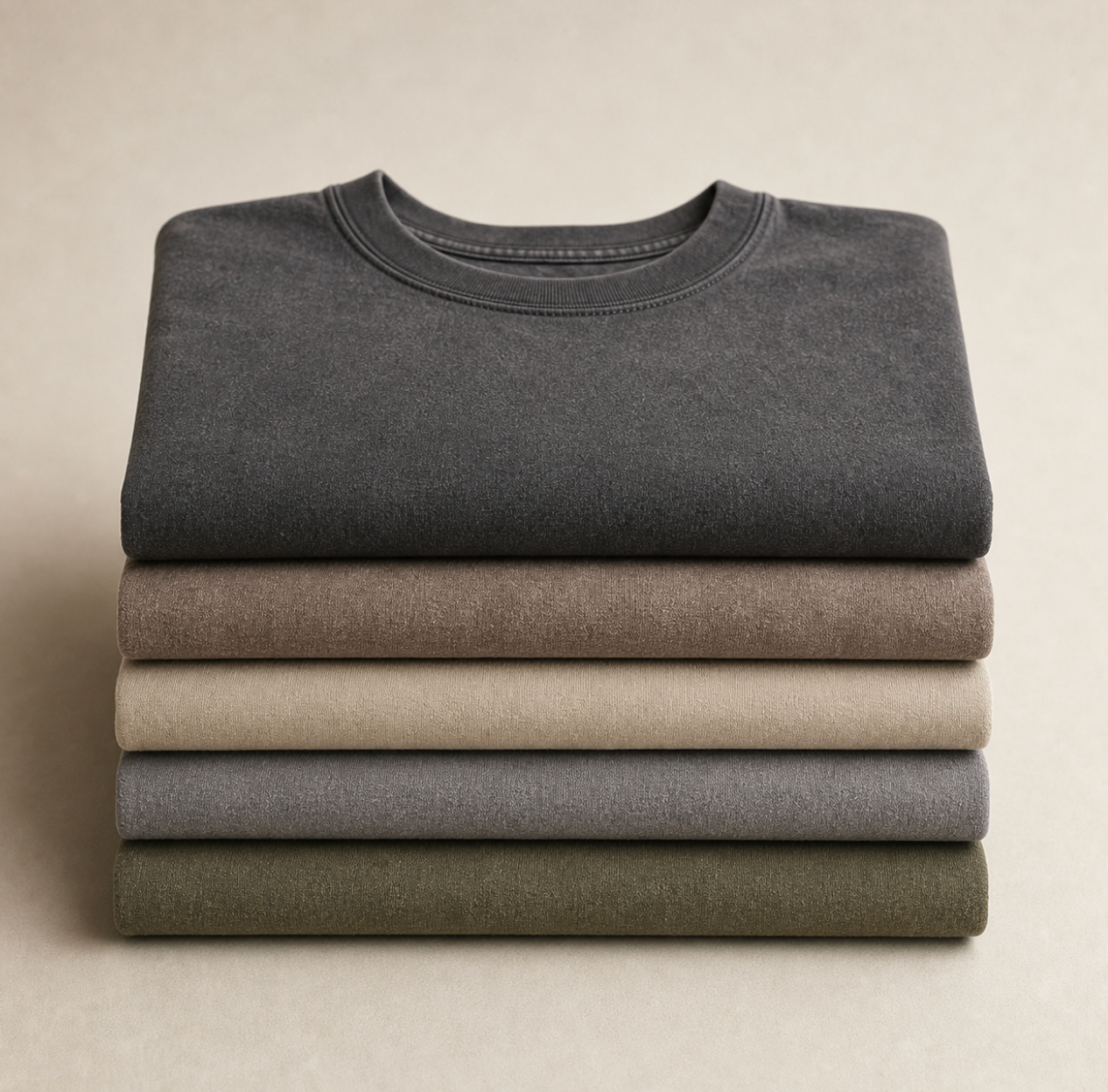
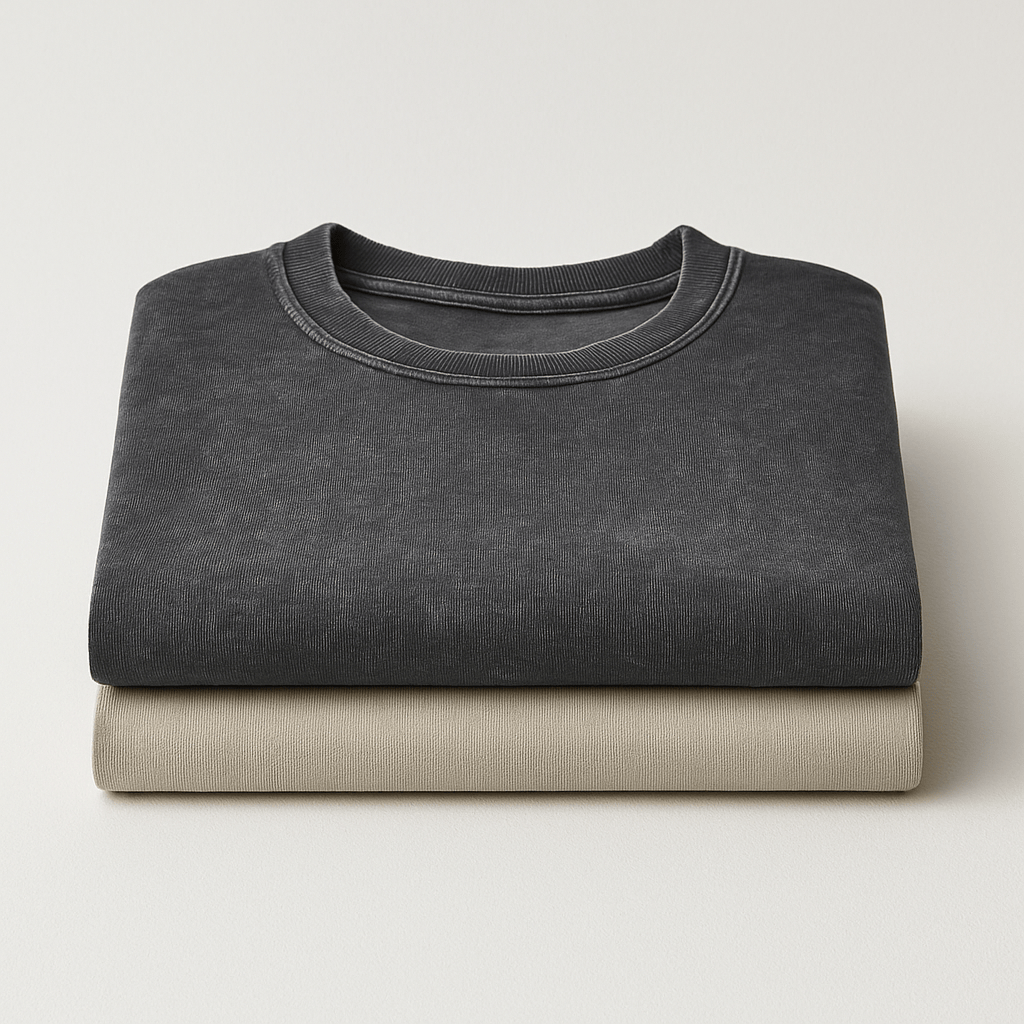
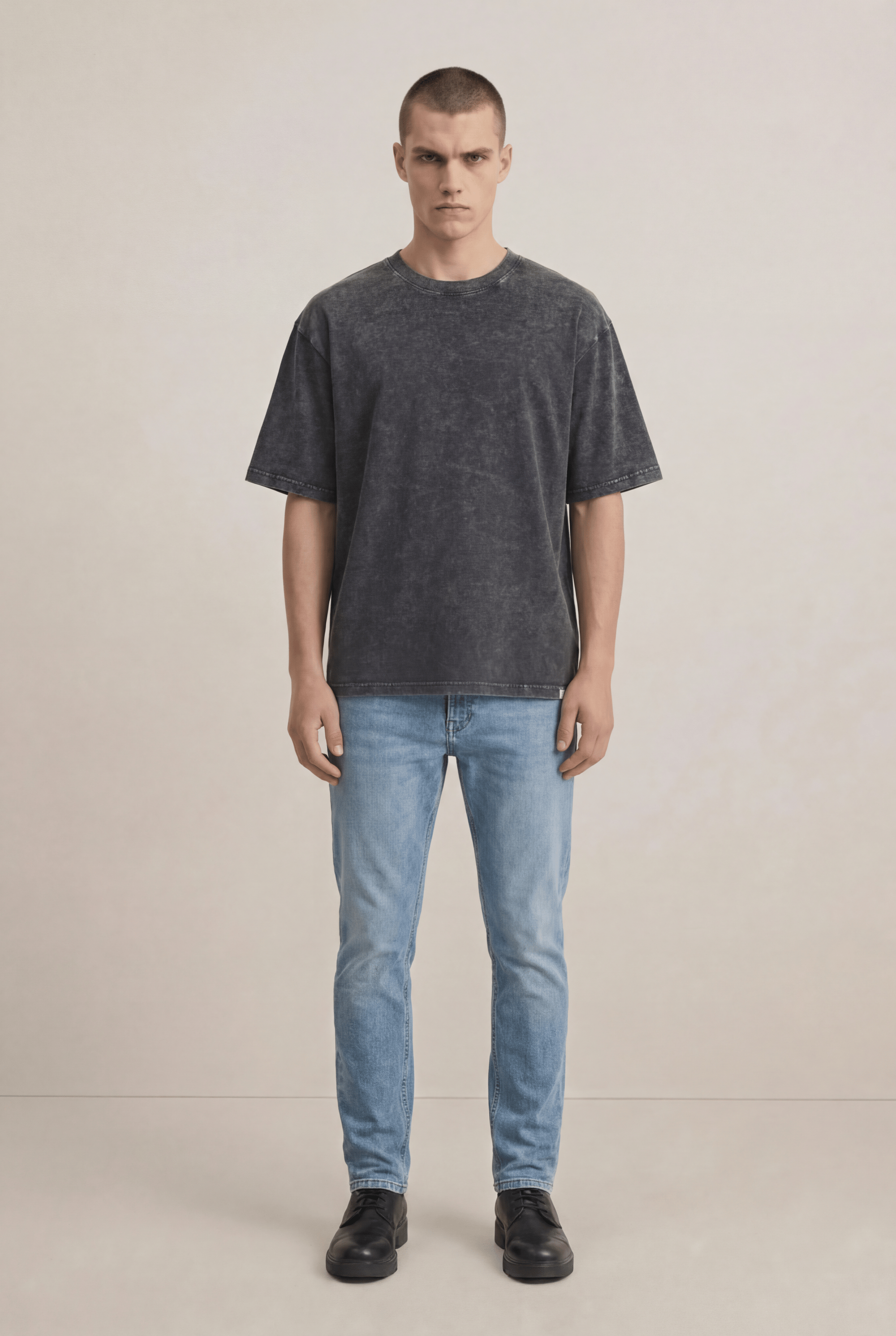
Durability matters in all cotton garments, but it becomes especially noticeable in heavier tees, stonewashed basics, and pieces that anchor a wardrobe. These are the garments people wear hard. They go under jackets, into weekend bags, through repeated wash cycles, and back into rotation.
Practical rule: if a garment is meant to be an everyday uniform piece, durability is part of comfort. A shirt that keeps its shape feels better because it remains dependable.
That's where organic cotton often justifies itself best. Not as a novelty fabric, but as a material for pieces you expect to live in.
The Human Cost of Conventional Cotton
Clothing choices don't stop at environmental footprint. They also affect the people who grow, handle, and process the fibre.

Health and exposure
One reason organic cotton matters is simple. A farming system that avoids synthetic pesticides and other harsh chemical inputs changes the daily exposure risk for workers and nearby communities. In conventional systems, those exposures can be much higher, especially where oversight is inconsistent.
The finished garment rarely shows that history on its surface. A folded tee in a clean shop can conceal a production path that was far less clean for the people involved. Organic standards don't solve every labour issue on their own, but they can reduce one major source of harm by limiting hazardous inputs at the farm level.
Why certification matters
Labels become more than marketing language in this context. A credible certification can signal that the product was made within a system that set rules for farming and processing rather than relying on vague sustainability claims.
Two labels often confuse shoppers:
- GOTS matters because it covers organic fibre content and processing standards across the textile chain.
- OEKO-TEX focuses on testing finished textiles for harmful substances.
- Both together can be reassuring. One speaks to the system. The other speaks to the finished item.
Neither label should be treated as decoration. They help shoppers distinguish between a garment that is meaningfully verified and one that merely uses soft environmental language.
Buying better cotton isn't only about the shirt you wear. It's also about the conditions you're willing to support upstream.
The ethical dimension of value
A lower price can hide costs that were shifted elsewhere. In cotton, those costs may include heavier chemical exposure, weaker traceability, and production decisions built for volume rather than care.
That's why many thoughtful shoppers no longer ask only, “What does this cost me today?” They also ask, “What kind of system does this purchase reward?” Organic cotton doesn't make a garment morally perfect, but it does move the decision in a more responsible direction.
Calculating the True Cost Per Wear
The strongest argument for organic cotton isn't always environmental. For many people, it's economic.
A premium tee can feel expensive when you look only at the till price. It can feel sensible when you spread that cost across months or years of use. That's the logic behind cost per wear.
A simple Canadian way to think about value
Cost per wear is straightforward:
Garment price ÷ number of times you wear it
You don't need a spreadsheet. You just need honesty. Which shirt do you reach for weekly? Which one still looks presentable after repeated washing? Which one stays in rotation through workdays, travel, weekends, and layering season?
In Canada, that matters because wardrobes often need to work harder. A good tee might be worn on its own in warm weather, layered under overshirts in autumn, and used as a base layer in winter. The more versatile the garment, the more opportunities it has to lower its cost per wear over time.
Why durability changes the maths
Earlier, we covered the verified durability advantage linked to high-quality organic cotton. That matters because cost per wear is rarely won by the cheapest item. It's won by the item that remains wearable, presentable, and comfortable for longer.
A conventional tee can still be good value if it lasts and gets frequent use. But if it twists, pills, thins out, or loses shape early, its lower upfront price stops looking like a bargain. The replacement cycle is what steadily increases the total cost.
Here's a practical way to evaluate a premium cotton purchase without inventing numbers:
- Look at rotation frequency. A shirt you wear often earns back its price faster than a cheaper one you avoid.
- Check visual lifespan. If the surface stays smooth and the shape remains clean, the garment remains socially wearable for longer.
- Notice wash resilience. Basics fail in the laundry long before they fail dramatically. Necklines relax. hems distort. fabric roughens.
Cost-per-wear rule: the best-value tee is usually the one you keep choosing, not the one that was cheapest on the day you bought it.
The premium question, answered properly
People often ask whether organic cotton is “worth it.” The better question is whether it's worth it for the way you dress.
If you buy occasional trend pieces, maybe not. If you build a wardrobe around dependable essentials, organic cotton can make excellent sense. The premium is easier to justify when the garment becomes a repeat uniform piece rather than a one-season experiment.
How to Choose and Care For Your Cotton
A good purchase starts with reading past the marketing. A good lifespan depends on care.
What to look for on the label
When comparing organic cotton vs cotton, check for proof before promises. The word organic means more when a certification backs it up.
Use this quick checklist in-store or online:
- Look for GOTS certification. This is one of the strongest signals that the fibre and processing met recognised organic textile standards.
- Check for OEKO-TEX. This can help confirm the finished fabric has been tested for harmful substances.
- Read the fibre composition carefully. A product can mention organic cotton while blending it with other fibres. That may still be fine, but know what you're buying.
- Inspect construction details. Seams, knit density, collar recovery, and fabric weight often tell you as much as the label.
- Choose pieces with repeat-use potential. The best value usually comes from colours and fits you'll wear often.
For a closer look at what Canadian shoppers should consider when buying better basics, this guide to organic cotton T-shirts in Canada is a helpful reference.
How to extend the life of good cotton
Care matters because even strong fabric can be worn down by rough handling. If you want premium cotton to look good longer, keep the maintenance simple.
- Wash in cool or cold water. It's gentler on fibres and helps preserve shape.
- Use a mild detergent. Heavy chemical formulas can be harsher than necessary.
- Skip over-drying. High heat is tough on cotton, especially on collars and surface finish.
- Air-dry when possible. This helps maintain hand feel and fabric structure.
- Wash less often when appropriate. Not every wear requires a full cycle.
The smart buying mindset
The best cotton choice usually comes down to intention. Buy fewer pieces. Choose the ones you'll wear often. Care for them properly. Replace them slowly, not impulsively.
That approach isn't rigid or moralistic. It's elegant. Your wardrobe becomes calmer, your purchases become more satisfying, and your staples begin to justify themselves over time.
If you're ready to invest in better everyday pieces, IdyllVie offers thoughtfully made essentials centred on organic cotton, lasting comfort, and understated design. It's a strong place to start if you want your wardrobe to feel refined, wearable, and built for years rather than a season.












0 comentarios