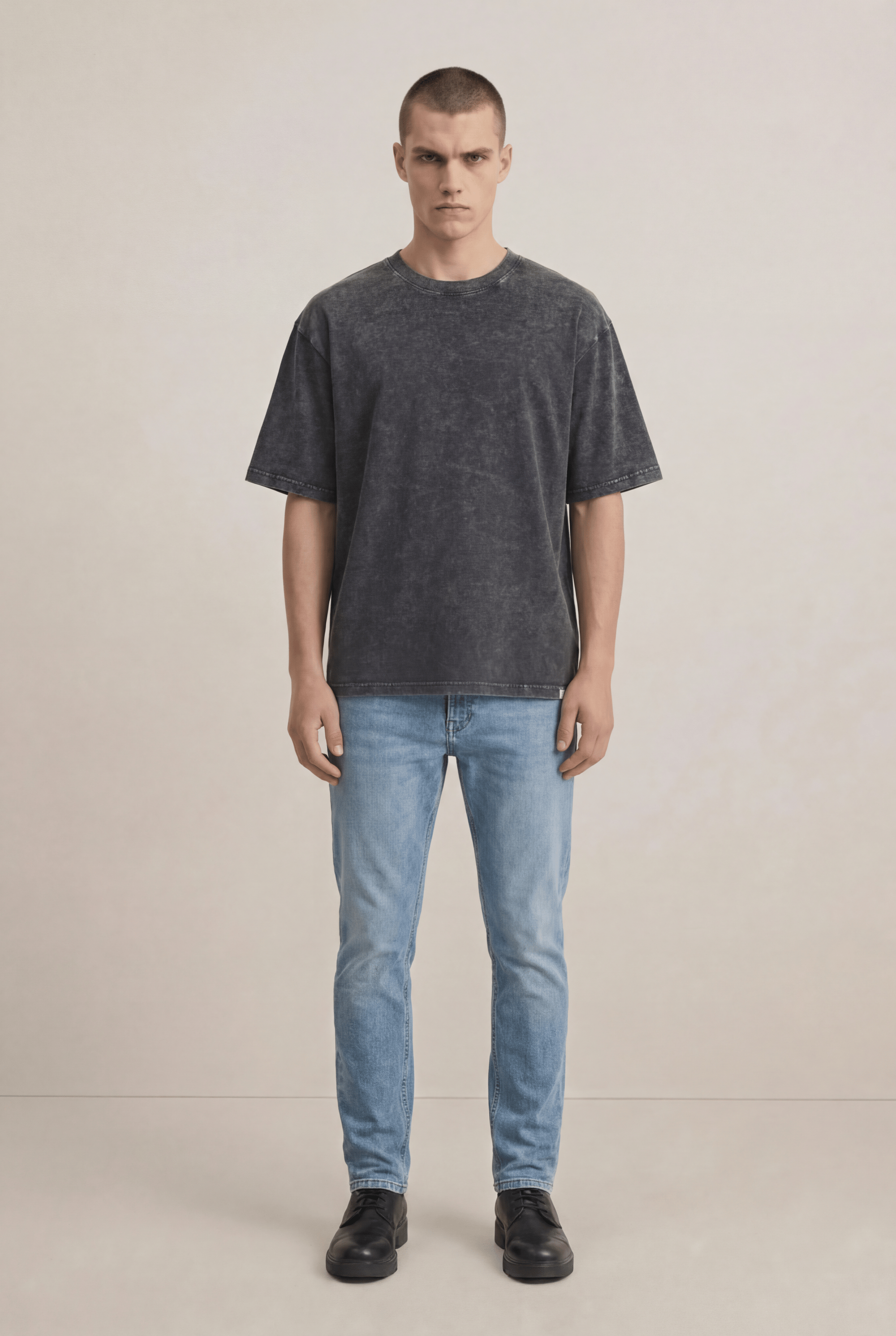
Sustainable clothing in Canada isn't just a trend—it's a significant shift away from disposable "fast fashion" and toward high-quality, ethically made apparel. This movement is built on environmental responsibility and social fairness.
A growing number of Canadian brands are focusing on creating durable, timeless pieces from eco-friendly materials. It’s all about choosing clothes that not only look good but feel right because they align with your values.
The Shift to Sustainable Fashion in Canada
The days of overflowing closets filled with barely-worn clothes are numbered. Across Canada, a quiet but powerful change is happening as people rethink their relationship with what they wear. This isn't just about buying a single organic cotton t-shirt; it's a move toward a more thoughtful and long-lasting wardrobe.
This growing consciousness is pushing us away from the fast-fashion model—a system built on frantic production cycles, poor-quality materials, and staggering waste. Instead, Canadians are finding a renewed appreciation for quality craftsmanship, ethical manufacturing, and the real story behind their clothes.
Why Canadians Are Embracing Slow Fashion
Several key drivers are fuelling this change. A deeper awareness of fashion's massive environmental footprint, from water pollution to mountains of landfill waste, is a major factor. Consumers are finally asking tougher questions and demanding more from the brands they choose to support.
This demand for transparency and accountability is completely reshaping the market. Shoppers are now looking for:
- Ethical Production: Real assurance that the people who make our clothes are paid fair wages and work in safe conditions.
- Eco-Friendly Materials: A strong preference for fabrics like organic cotton, linen, and recycled fibres that have a much lower environmental impact.
- Longevity Over Trends: A desire for versatile, well-made pieces designed to last for years, not just a single season.
This pivot in consumer thinking is creating a ripple effect. The Canadian sustainable fashion market, valued at USD 544.41 Million in 2024, is projected to surge to USD 4160.83 Million by 2033. This incredible growth reflects a deep-seated change in our habits, further supported by government initiatives aimed at reducing waste. You can explore more data on this market growth from Deep Market Insights.
At its core, this movement is about connection. It's about connecting with the people who make our clothes, the materials they come from, and the environmental impact of our choices. It’s a return to valuing what we own.
How Brands Are Responding
Canadian brands are stepping up to meet this growing demand. From Toronto to Vancouver, a new wave of designers and entrepreneurs is building businesses around the principles of sustainability. They are proving that style and substance can, and should, go hand-in-hand. You can learn more about this by reading our article on IdyllVie's vision for a greener fashion industry.
This guide is designed to be your essential companion on this journey, giving you the knowledge needed to navigate the world of sustainable clothing Canada with confidence and purpose.
When it comes to sustainable clothing, the fabric is everything. Think of it like cooking; the quality of your ingredients dictates the final result. For years, vague marketing claims have made it tough to know what’s truly eco-friendly. But it’s not just about what a garment is made of—it’s about how that material was grown, processed, and finished.
A truly sustainable fabric is one that minimizes harm from field to closet. That means less water and pesticide use during farming, no toxic chemicals during production, and a clear path for the material to be recycled or biodegrade once its life is over. It’s a complete cycle, not a one-way street to the landfill.
This shift in thinking is making waves. In 2024, the sustainable fabrics market in Canada hit a value of 2619.2 USD Million, and it's projected to climb to an incredible 9570.4 USD Million by 2035. This growth isn't just a trend; it's a direct response from Canadian shoppers who are actively seeking out better options, from organic cotton clothes in Canada to recycled fibres. You can find more data on this movement from Market Research Future.
The chart below maps out this straightforward relationship: our collective concerns and choices push brands to respond with better materials and practices.

It’s clear—our demand is the engine driving the entire industry toward a more sustainable future.
Natural Fibres: The Foundation of a Sustainable Wardrobe
Natural fibres are the bedrock of any eco-conscious closet. They come from plants and animals, and when sourced responsibly, they offer huge benefits for both the planet and your skin.
- Organic Cotton: Conventional cotton is one of the world's thirstiest and most pesticide-heavy crops. Organic cotton, on the other hand, is grown without those synthetic chemicals. This protects soil health, conserves water, and feels so much gentler on your skin.
- Linen: Made from the humble flax plant, linen is a true sustainability powerhouse. It needs very little water or pesticides to grow, and the entire plant gets used, leaving almost no waste. Its famous durability and breathability make it perfect for the Canadian climate, keeping you cool in July and layering perfectly in October.
- Hemp: Much like linen, hemp is a tough crop that grows fast without needing pesticides. It even gives nutrients back to the soil, improving it for whatever comes next. Hemp fabric starts off strong and softens beautifully with every wash.
- Merino Wool: This isn't the scratchy sweater from your childhood. Merino wool is an incredible natural fibre from Merino sheep that regulates temperature, wicks away moisture, and naturally resists odours. That means fewer washes and a much longer life for your garment. Just look for brands that use ZQ or RWS certified wool, which guarantees animal welfare and responsible land management.
To make sense of the options, this table breaks down the key features of the most common eco-friendly fabrics.
Eco-Friendly Fabric Comparison
| Fabric Type | Key Environmental Benefit | Common Uses | Care & Durability |
|---|---|---|---|
| Organic Cotton | Grown without pesticides; uses significantly less water than conventional cotton. | T-shirts, dresses, underwear, denim | Durable and soft. Machine washable, but can shrink if not pre-shrunk. |
| Linen | Requires minimal water and pesticides; entire flax plant is used, reducing waste. | Shirts, trousers, summer dresses, bedding | Extremely durable and gets softer with each wash. Prone to wrinkling. |
| Hemp | Improves soil health; grows quickly without pesticides and requires little water. | T-shirts, jackets, bags | Exceptionally strong and durable. Softens over time. Naturally UV-resistant. |
| Merino Wool | Biodegradable and renewable. Odour-resistance means fewer washes needed. | Sweaters, base layers, socks, activewear | Temperature-regulating and durable. Requires gentle washing; hand wash or wool cycle. |
| Recycled Polyester (rPET) | Diverts plastic bottles from landfills and oceans; uses less energy than virgin polyester. | Activewear, outerwear, fleece jackets | Durable and quick-drying. Can shed microplastics; wash in a filter bag. |
| Recycled Cotton/Wool | Reduces textile waste and the need for virgin fibre production (less water/energy). | Denim, sweaters, t-shirts, insulation | Quality can vary. Often blended for strength. Care depends on the fibre blend. |
This comparison highlights that each fabric has its own unique strengths, making them suitable for different needs and garments in your wardrobe.
Innovative and Recycled Materials
Beyond the classics, exciting innovations are helping fashion become more circular. These materials often give a second life to resources that would otherwise become waste.
Recycled polyester, often made from plastic bottles (rPET), is a common choice for activewear and outerwear. It keeps plastic out of our oceans and landfills and takes far less energy to produce than brand-new polyester. While it does still shed microplastics (a problem for all synthetics), it’s a meaningful step away from relying on new fossil fuels.
Similarly, recycled cotton and recycled wool use both pre- and post-consumer fabric scraps to create new textiles. This process drastically cuts down on the water, energy, and chemicals needed to grow and process new fibres, helping to finally close the loop on textile waste.
How to Spot Genuinely Sustainable Brands
In a market crowded with “eco-friendly” and “green” claims, it’s tough to tell the difference between real commitment and clever marketing. Many brands practice greenwashing, using misleading language to seem more sustainable than they are. The trick is to look past the slogans and know what to search for.
Genuine sustainability isn't just one thing, like using recycled packaging. It’s a philosophy woven into a brand's entire operation, demanding transparency, ethical practices, and responsible choices at every turn. This means you need to look beyond the tag and dig a little deeper into how they do business.
Look for Radical Transparency
A truly sustainable brand isn’t afraid to show you exactly how its clothing is made. They don’t hide their supply chain—they share it. This is probably the most powerful sign of a brand’s integrity.
When you’re on a brand's website, look for clear, specific details about their factories and material suppliers. Do they name their partners? Do they show you photos of the facilities? A brand that openly discusses its production process, challenges and all, is far more trustworthy than one that hides behind vague phrases like “ethically sourced.”
The Transparency Test: A sustainable brand will openly answer the tough questions. If you can't easily find out who made your clothes and under what conditions, that’s a major red flag. Vague answers often hide uncomfortable truths.
For example, check for detailed “About Us” or “Our Process” pages that trace the garment’s journey from raw fibre to final stitch. Some brands even put QR codes on their labels, linking you directly to the factory where that specific item was made. This commitment can even extend to reimagining old techniques, like the process behind a sustainable stonewash finish, which shows a deep commitment to responsible innovation.
Decode Certifications and Labels
Think of third-party certifications as a trusted reference on a brand’s resume. They offer independent proof that a brand meets specific environmental and social standards. While no single certification covers everything, they’re crucial tools for conscious shoppers in Canada.
Here are some of the most credible certifications to look for when shopping for sustainable clothing Canada:
- Global Organic Textile Standard (GOTS): This is the gold standard for organic fibres. It ensures a product contains at least 70% organic material and that the entire production process—from dyeing to finishing—is free of harmful chemicals and meets strict social criteria.
- Fair Trade Certified™: This label is all about the people. It guarantees farmers and workers receive fair wages, work in safe conditions, and can invest back into their communities. When you see this seal, you know the price you pay directly supports better livelihoods.
- B Corporation (B Corp): This certification is holistic, evaluating a company’s entire social and environmental performance. B Corps are legally required to consider the impact of their decisions on their workers, customers, community, and the environment.
A Practical Checklist for Your Next Purchase
Before you add an item to your cart, run through this quick mental checklist. It helps you develop a critical eye and make choices that truly align with your values.
- Who made this garment? Look for information about the factory, the workers, and their wages.
- What is the full material story? Is the fabric organic, recycled, or a responsibly sourced natural fibre? Does the brand explain why they chose it?
- Are there credible certifications? Check for labels like GOTS, Fair Trade, or B Corp on the product page or the brand’s sustainability section.
- Is the quality built to last? Read the product descriptions. Do they mention durable stitching, high-quality hardware, or pre-shrunk fabrics? A commitment to longevity is a core pillar of sustainability.
- Does the brand talk about its impact? A truly transparent brand will often publish an impact report detailing its progress and goals for reducing its environmental footprint.
By arming yourself with this knowledge, you can see past the greenwashing and confidently support the Canadian brands that are genuinely working to make fashion a force for good.
Building Your Circular Wardrobe in Canada

True sustainability isn’t just about what you buy—it’s about what you do with it afterwards. This is the heart of a circular wardrobe, a philosophy that treats clothing not as a disposable trend but as a valuable resource to be used, cared for, and kept in play for as long as possible.
It’s a direct challenge to the “take, make, waste” model that defines fast fashion. Instead of a one-way ticket from the store to the landfill, a circular wardrobe pictures a loop where clothes are worn, repaired, swapped, resold, and eventually recycled into new textiles. This simple shift in mindset is one of the most powerful moves you can make to shrink your fashion footprint.
And it’s a movement that’s gaining real traction right here in Canada. The numbers show a clear shift: 36% of Canadians now actively think about sustainability when shopping for clothes, and 40% are willing to pay more for items made from eco-friendly materials. Over the last five years, searches for 'sustainable fashion' have jumped by 70%. Platforms like Poshmark Canada have seen a staggering 150% increase in users buying secondhand since 2019. You can dive deeper into these Canadian fashion industry trends from Rawshot.ai.
Embrace the Secondhand Market
Giving clothes a second life is the easiest way to join the circular economy. Thrift stores have been treasure troves for decades, and today, they're more vital than ever. A trip to your local Value Village, Salvation Army, or independent thrift shop is a brilliant way to unearth quality pieces for a fraction of their original price.
Digital marketplaces have made the hunt even easier, connecting you with millions of closets across Canada and offering nearly infinite variety.
- Poshmark Canada: A massive social marketplace where you can easily list items from your own closet. It's fantastic for hunting down specific brands or styles.
- Vinted: Known for its low-to-no seller fees, Vinted is another huge platform for buying and selling everyday fashion directly with other people.
- The RealReal & Fashionphile: If you're looking for luxury, these curated consignment sites authenticate high-end designer bags, accessories, and apparel, making luxury more sustainable and accessible.
- Facebook Marketplace: Your go-to for local deals. It’s perfect for finding everything from kids' clothes to vintage denim right in your own neighbourhood.
Buying secondhand is a direct vote against overproduction. Every pre-loved garment you purchase is one less new item that needs to be manufactured, saving an immense amount of water, energy, and raw materials.
The Power of Repair and Care
A core principle of a circular wardrobe is simply making your clothes last longer. Before you give up on a piece, ask yourself: can it be fixed? A missing button, a small tear, or a broken zipper are often surprisingly simple repairs.
Most Canadian cities and towns have local tailors and seamstresses who can work wonders, whether it’s patching a hole in your favourite jeans or altering a thrifted blazer so it fits you perfectly. Investing in a small repair is almost always more affordable and eco-friendly than buying a whole new item.
Give Your Clothes Another Life
When you’re truly ready to part with an item, “getting rid of it” doesn’t have to mean throwing it away. You have plenty of options to keep your clothing in the loop and out of the landfill.
- Resell: Use platforms like Poshmark or Vinted to make back some of your initial investment. What no longer sparks joy for you could be exactly what someone else is searching for.
- Swap: Organize a clothing swap with friends, coworkers, or neighbours. It’s a fun, social, and completely free way to refresh your wardrobe.
- Donate: If your clothes are still in good, wearable condition, donate them to local charities or thrift stores. This directly supports your community and keeps valuable resources in circulation.
- Repurpose: For clothes that are too worn out to be passed on, get creative. Old t-shirts make great cleaning rags, and worn-out denim can be cut up for patches or crafted into bags or quilts.
By embracing these circular habits, you can build a more dynamic, affordable, and truly sustainable clothing collection that reflects both your personal style and your values.
Caring for Clothes So They Actually Last

The single most sustainable piece of clothing you can own is one that's already in your closet. Extending the life of a garment is a powerful, yet often overlooked, part of a sustainable wardrobe. By shifting from a mindset of ‘wear and toss’ to one of ‘care and repair,’ we drastically reduce the waste and resources needed to make something new.
Proper care is how you protect your investment. It ensures the well-made, eco-friendly pieces you’ve chosen can live up to their potential, lasting for years instead of just a few seasons. This is where the philosophy of “buy less, choose well, make it last” truly comes to life.
Master Your Laundry Routine
How we wash and dry our clothes has a direct impact on their lifespan and environmental footprint. Simple adjustments to your laundry habits can preserve fabric integrity, maintain colour, and significantly cut down on energy and water use. It’s one of the easiest wins for both your wardrobe and the planet.
A few game-changing laundry tips can make all the difference:
- Embrace Cold Water: Roughly 90% of the energy a washing machine uses is for heating the water. Washing in cold water is just as effective for most loads, saves a huge amount of energy, and is far gentler on fabrics. It helps prevent shrinking, fading, and fibre stress.
- Choose Natural Detergents: Many conventional detergents contain harsh chemicals that degrade fabric fibres over time and pollute our waterways. Look for plant-based, biodegradable options, which are widely available at Canadian health food stores and major retailers.
- Air-Dry Whenever Possible: The high heat from a machine dryer is one of the biggest culprits of fabric wear-and-tear. It breaks down fibres, causes shrinkage, and fades colours prematurely. Instead, line-dry your clothes outside or use an indoor drying rack to preserve their shape and extend their life.
Fabric-Specific Care for Longevity
Not all fabrics are created equal, and caring for them according to their unique needs is key to their longevity. Just as you wouldn't cook all your food at the same temperature, you shouldn't treat all your textiles the same way.
For natural fibres like organic cotton and linen, stick to cold water washes on a gentle cycle. While these fabrics get softer over time, high heat can put unnecessary stress on them. For more delicate items like merino wool, hand-washing in cool water and laying it flat to dry is the gold standard. Merino’s natural odour resistance also means it needs far less washing—often, just airing it out between wears is enough.
A small shift in mindset is all it takes. Think of clothing care not as a chore, but as an act of stewardship for the items you’ve mindfully chosen to bring into your life. It’s a practice of valuing what you have.
The Art of Simple Repairs
In our throwaway culture, a loose button or a small tear can feel like a death sentence for a garment. But learning a few basic repair skills is incredibly empowering and one of the most sustainable habits you can build. It’s about seeing potential where others only see waste.
You don’t need to be an expert tailor. A simple sewing kit—a needle, some thread, and a few spare buttons—can handle most common issues. Countless free tutorials online can guide you through everything from sewing on a button to patching a small hole in your favourite pair of jeans.
By embracing these simple care and repair techniques, you become an active participant in the sustainable fashion movement, making your wardrobe more resilient and your choices more meaningful.
Where to Find the Best Sustainable Canadian Brands
You now have a framework for spotting genuine sustainability, caring for your clothes, and taking part in a circular economy. The next step is putting that insight into practice. This is your starting point for discovering some of the best sustainable clothing Canada has to offer, helping you make purchases that truly align with your values.
Finding these brands can feel like a hunt. Canada’s clothing manufacturing landscape has changed dramatically over the decades, and while truly “Made in Canada” labels are less common today, a dedicated group of designers is leading the way with ethical production and high-quality, eco-conscious materials.
Standout Canadian Brands to Know
Navigating the market is much easier when you know who to look for. This list isn’t exhaustive, but it highlights several Canadian-owned brands making a real impact in the sustainable space. Each one brings its own thoughtful approach to apparel.
- Miik: A Toronto-based, women-run brand that produces every single one of its styles locally, all within 50km of its studio. Miik’s focus is on comfortable, lasting pieces made from custom-milled sustainable fabrics.
- Encircled: Known for minimalist, multi-way designs, Encircled is a certified B Corp that proudly makes all its clothing in Toronto. Their philosophy revolves around creating seasonless apparel that helps you build a more versatile wardrobe with fewer items.
- Kotn: While their manufacturing happens in Egypt and Portugal, this certified B Corp was founded in Toronto and is celebrated for its direct-trade model. They work directly with cotton farming families, ensuring fair wages and helping build local infrastructure like schools.
These brands are great examples of the transparency and ethical commitment you should look for. They often share detailed information about their factories and fabric sources right on their websites.
Your shopping choices send a powerful message. By supporting brands that prioritize transparency, ethical labour, and quality materials, you are actively investing in a more responsible fashion industry.
What to Look for on Product Pages
As you explore these brands and others, it’s time to use that critical eye you’ve developed. The product page is where a brand’s claims are really put to the test. Don’t just glance at the photo and price; it's time to dig into the details.
Here’s a quick recap of what to check before you click "add to cart":
- Fabric Composition: Get specific. Is it just "cotton," or is it "100% GOTS certified organic cotton"? Is it "polyester," or is it "recycled polyester from post-consumer bottles"? The details are everything.
- Manufacturing Origin: Does the brand tell you where the garment was made? Bonus points if they name the specific factory or share stories about their production partners.
- Care Instructions: Sustainable brands want their clothes to last. Look for clear, thoughtful care guides that help you preserve the garment, like recommendations for cold washing or air drying.
- Certifications: Scan for trusted logos like Fair Trade, B Corp, or GOTS. These independent verifications offer an extra layer of accountability and trust.
By focusing on these factors, you can see past the marketing and make choices based on real, verifiable information. This is how you build a wardrobe that is not only stylish and durable but also a true reflection of your commitment to a healthier planet and a fairer world.
Frequently Asked Questions About Sustainable Fashion
It’s natural to have questions when you start exploring the world of sustainable fashion. Shifting your mindset and habits takes time, and you’ll likely wonder about everything from cost to finding brands you can actually trust. Here are some straightforward answers to the questions we hear most often from Canadians.
Is Sustainable Clothing More Expensive in Canada?
The initial price tag can sometimes be higher than fast fashion, that's true. But a better way to think about it is "cost per wear."
A well-made organic cotton t-shirt is designed to last for years, not just a few washes. That durability means it often works out to be a smarter investment than a cheap top you have to replace every season.
Many Canadian brands understand this. They often offer flexible payment options to help make that initial investment more manageable, bridging the gap between price and true, long-term value.
What Is the Most Impactful Change I Can Make?
Choosing sustainable brands is a great step, but the single most powerful thing you can do is change how you consume. At its core, it’s simple: buy less overall.
When you do decide to buy something, focus on high-quality, versatile pieces you can see yourself wearing for years.
Extending the life of clothes you already own by caring for them properly and making small repairs also makes a massive difference. Getting involved in the circular economy—through thrifting, swapping, or reselling—is another fantastic way to lower your fashion footprint and embrace a more conscious wardrobe.
The goal isn't to build a perfect, 100% sustainable wardrobe overnight. It's about making small, consistent changes. Every mindful choice adds up to a huge positive impact over time.
How Do I Find Trustworthy Sustainable Brands?
Look for brands that aren’t afraid to be completely transparent. Do they openly share details about their factories, where their materials come from, and their labour practices right on their website? A brand that’s proud of its supply chain will be eager to tell you its story.
Credible third-party certifications are your best friend here. Look for labels like GOTS (for organic textiles), Fair Trade, or B Corp. These act as an independent stamp of approval, verifying that a brand meets high social and environmental standards.
Finally, read what other people are saying. Customer reviews give you a real-world sense of a product's quality and durability—a key sign of a brand's actual commitment.
What Does Greenwashing Look Like?
Greenwashing is when a brand uses fuzzy, feel-good marketing terms like 'eco-friendly' or 'green' without any real proof to back them up.
Be skeptical of companies that shine a spotlight on one small positive—like using recycled packaging—while ignoring much bigger problems, like paying their workers a living wage or using toxic dyes.
A common red flag is a lack of specifics. For instance, a claim like "made with recycled materials" is far less trustworthy than "made with 75% recycled polyester from post-consumer bottles." True sustainability is detailed and holistic. If a brand's claims seem vague or too good to be true, it’s smart to be cautious.
Ready to build a wardrobe that feels as good as it looks? Explore IdyllVie for thoughtfully designed apparel and home essentials crafted with responsibly sourced materials and timeless style. Discover pieces made to be lived in and loved for years at https://idyllvie.com.
Prepared with Outrank tool