
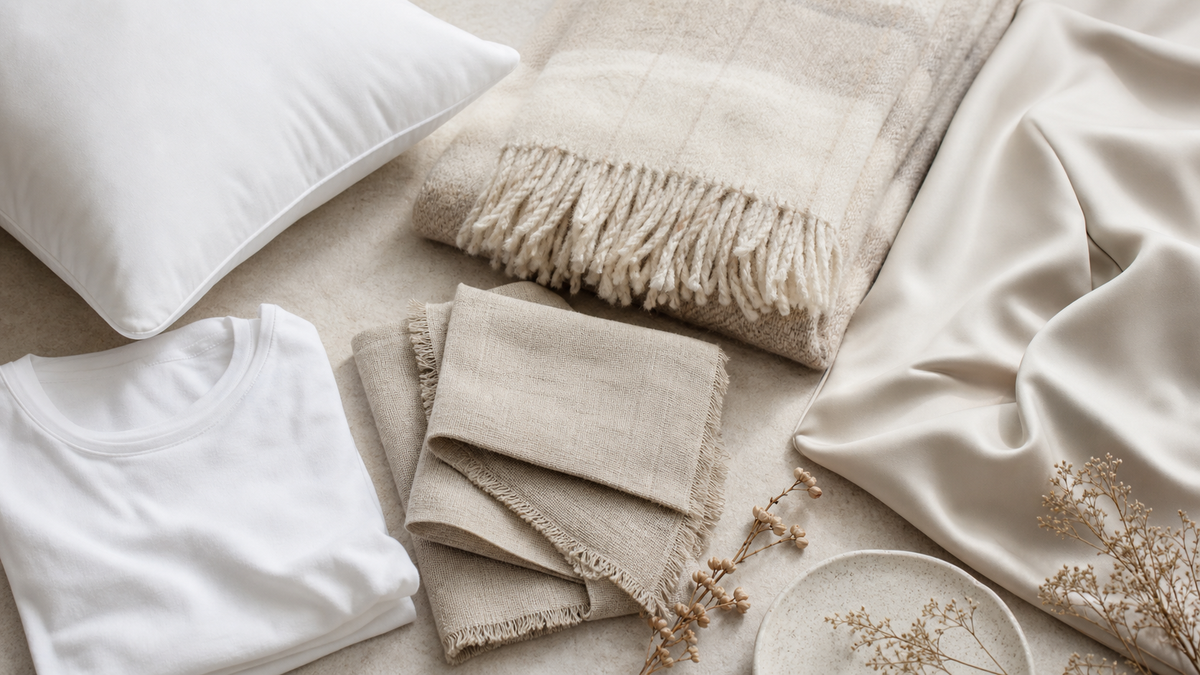
Canadian Comfort Materials: Down, Wool, Cotton, Linen, and Bamboo Explained
Comfort means different things in different Canadian homes. In January, it can mean a warmer sleep setup that helps a bedroom feel insulated from dry cold air. In July, it can mean lighter sheets, breathable clothing, and living-room layers that still feel soft without trapping too much heat. The problem is that many materials are sold with vague promises, as if every natural fibre does the same job.
That is where a clearer material guide helps. Down, wool, cotton, linen, and bamboo can all feel beautiful, but they behave differently in warmth, airflow, texture, care, and the kind of room or routine they suit best. Some are better as lofty insulating layers. Some are better for breathable everyday use. Some feel smoother at first touch, while others become more appealing over time.
For IdyllVie, the right answer is rarely about chasing a single miracle fibre. It is about choosing materials with intention, then layering them in a way that feels calm, practical, and premium. The live brand language leans toward soft, breathable fabrics, artisan quality, and natural materials that support elevated everyday living. This guide follows that same logic.
The Quick Answer
If you want the shortest version:
- choose down when you want loft, insulation, and a lighter-feeling warm layer
- choose wool when you want warmth with texture, strong natural character, and versatile living-room or layering use
- choose cotton when you want softness, washability, and easy year-round basics for clothing or bedding
- choose linen when you want airy breathability, visible texture, and a relaxed warm-weather feel
- choose bamboo most carefully, because in many sheet and apparel listings it means rayon or viscose made from bamboo rather than mechanically processed bamboo fibre
That does not make one material universally better than another. It means each one solves a different comfort problem.
Why Material Choice Matters More in Canada
Canadian comfort is shaped by range. Many homes move through cold winters, shoulder-season temperature swings, dry indoor heating, and warm summer stretches that still call for breathable layers. A single room can need two different material strategies depending on the month.
That is why “soft” is not enough as a buying standard. You also need to think about:
- how warm the material feels once layered
- whether it traps heat or lets air move
- how it handles washing and repeated use
- whether it suits clothing, bedding, or decor equally well
- whether the product description is using precise fibre language
Current textile-shopping guidance from Good Housekeeping makes that last point especially important. Fibre names on bedding and apparel pages often hide construction details that matter just as much as the marketing headline.
A Practical Comparison Table
| Material | Best for | What it feels like | Main strengths | Watch-outs |
|---|---|---|---|---|
| Down | Duvets, comforters, pillows | Lofty, light, insulating | Warmth without heavy weight, cozy recovery of shape | Better for insulation than crisp breathability; fill and sourcing matter |
| Wool | Throws, blankets, knitwear, outer layers | Textural, insulating, often springy | Warmth, natural structure, strong seasonal layering | Can feel too warm for some sleepers in summer; surface feel varies |
| Cotton | T-shirts, base bedding, blankets, everyday basics | Soft, familiar, easygoing | Breathable, washable, versatile, easy to layer | Can hold moisture more than linen; quality varies by weave and weight |
| Linen | Summer shirts, napkins, pillow covers, sheets | Airy, dry-hand, visibly textured | Excellent airflow, relaxed drape, improves with wear | Wrinkles easily and can feel crisper at first |
| Bamboo | Smooth sheets, softer drapey loungewear | Silky, cool-touch, fluid | Very soft handfeel, often appealing for hot sleepers | Usually rayon/viscose from bamboo, so labeling and process details matter |
For a calm, well-layered home, the goal is not to pick a winner. It is to match the fibre to the job.

Down Explained
Down is best understood as an insulating material first. It traps air well, which is why it is so often used in duvets, comforters, and pillows where warmth should feel lofty rather than heavy. If you want a bed to feel cloudlike in cooler months, down is usually part of that conversation.
That said, down is not automatically the best answer for everyone. Sleep preference matters. If you sleep warm, a heavy down setup can feel excessive unless the warmth level and cover fabric are well matched. Down also depends heavily on build quality. Loft, fill power, shell fabric, and how much fill is used all shape the result.
In a Canadian context, down often works best when you want:
- winter or shoulder-season bedding warmth
- a premium pillow with softness and resilience
- a lighter-feeling insert that still insulates well
IdyllVie’s existing bedding direction and article footprint already lean into this space through goose down and Hutterite down education. That makes down a strong material when the goal is sleep warmth and softness, not casual summer breathability.
Wool Explained
Wool brings comfort through warmth, texture, and presence. In clothing, that can mean knitwear or outer layers that feel substantial without always becoming bulky. In the home, it often means throws or blankets that make a room feel softer and more grounded.
On the live IdyllVie site, wool sits inside the brand’s home story through alpaca- and merino-led throws and pillows, which is a useful clue. Wool is not just about cold-weather function. It also brings a crafted, tactile quality that reads beautifully in living spaces.
Wool tends to be strongest when you want:
- a sofa or reading-chair layer with real warmth
- a bedroom accent that adds texture at the foot of the bed
- apparel that holds shape and feels seasonally substantial
The tradeoff is that wool is not a one-size-fits-all summer fibre. Some people love lightweight merino year-round, but in a broader home-goods sense wool is usually more about insulation and tactile richness than crisp hot-weather airflow.
Cotton Explained
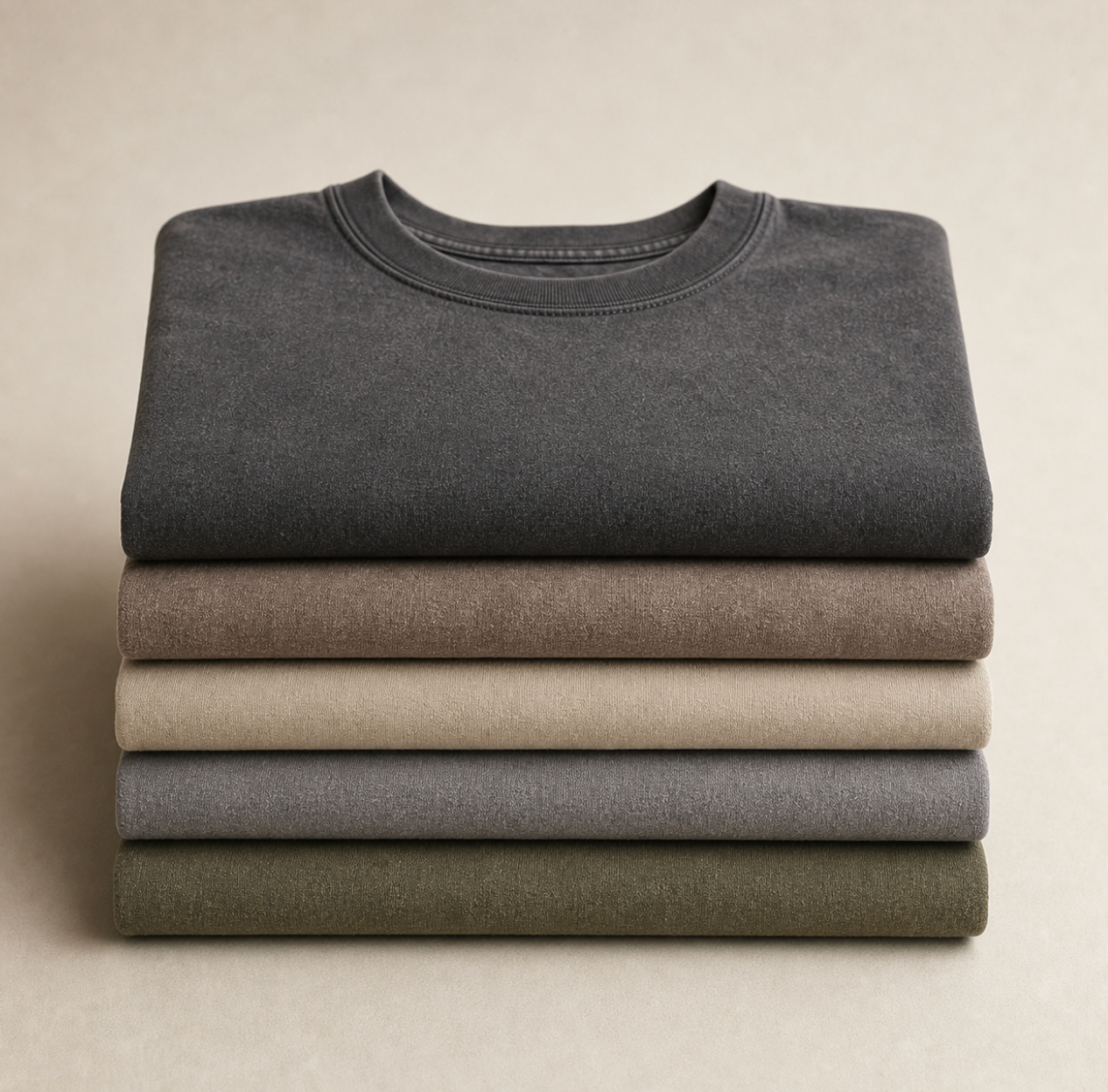
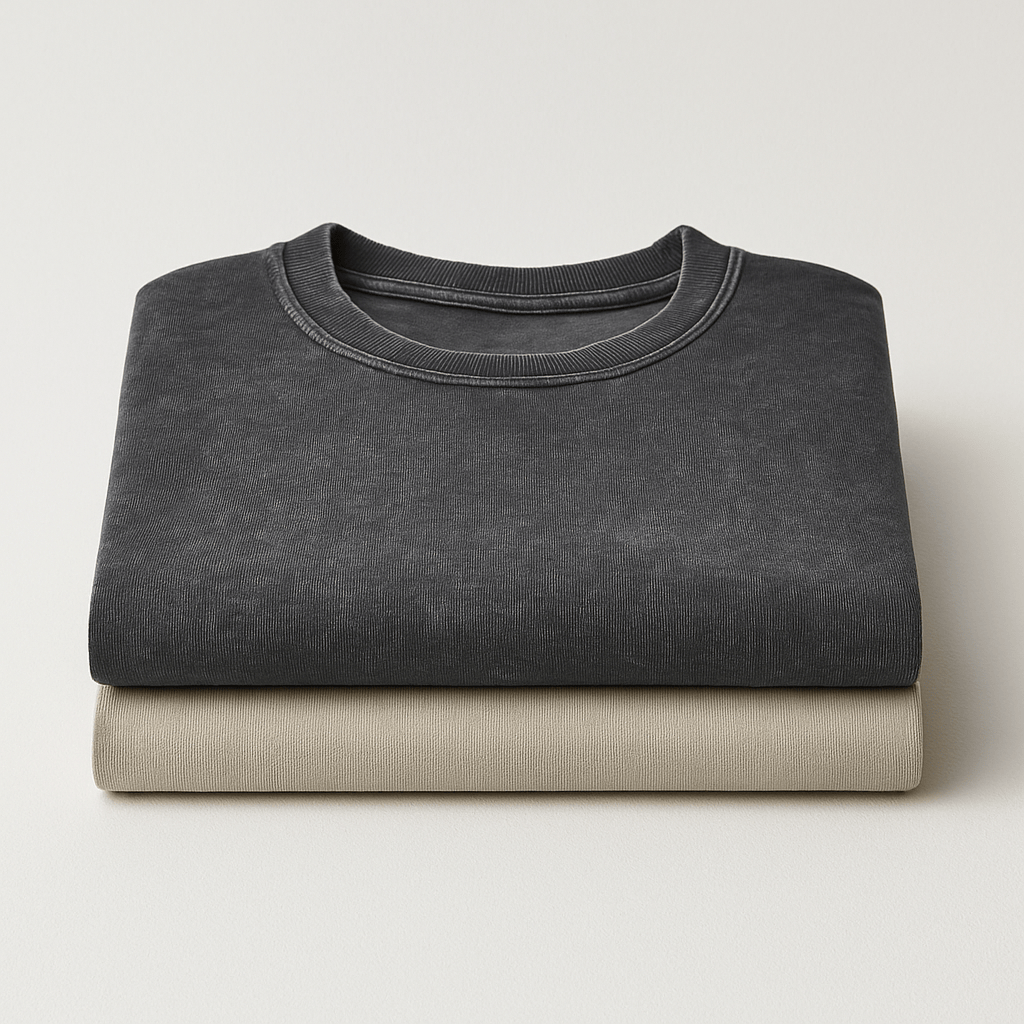
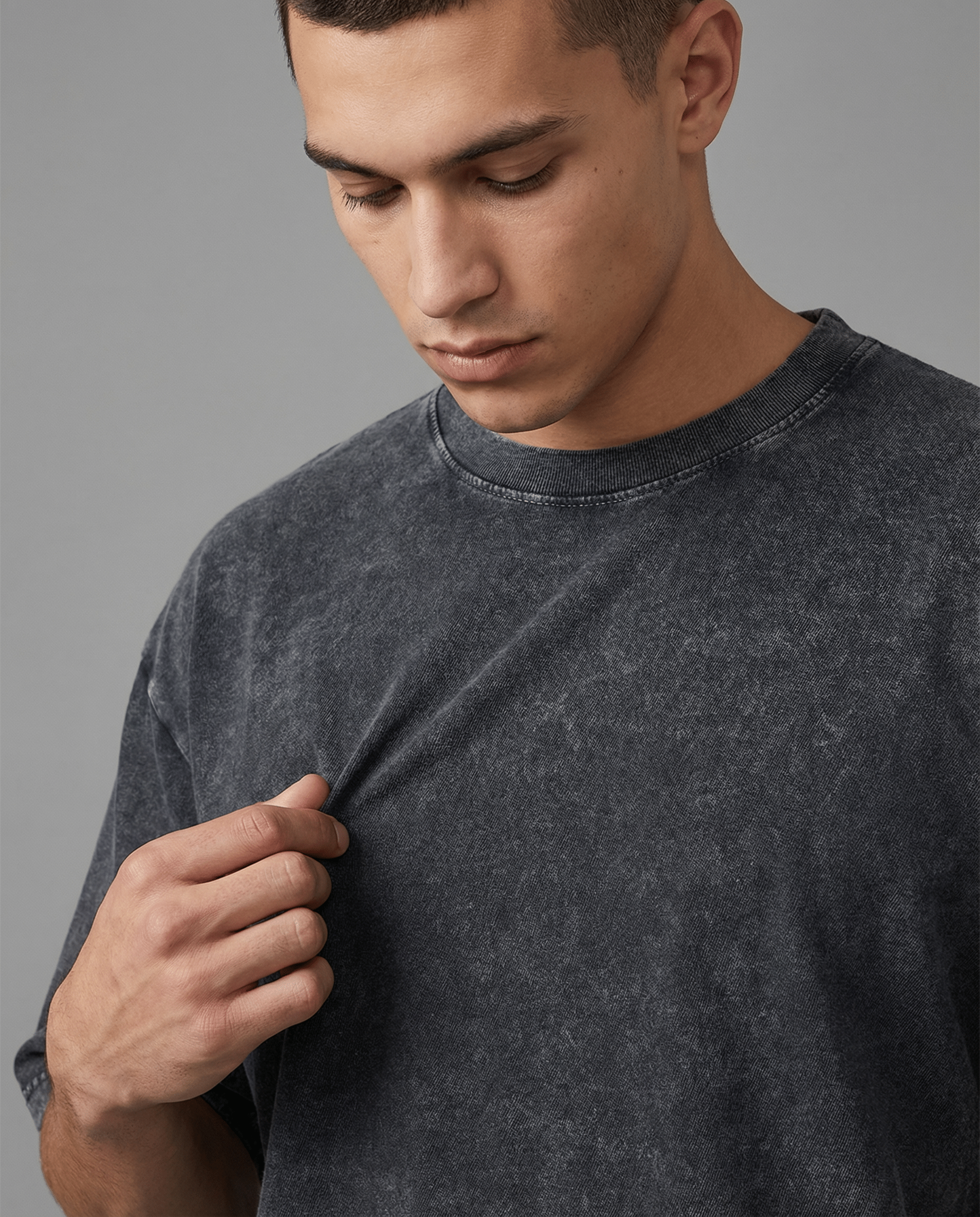
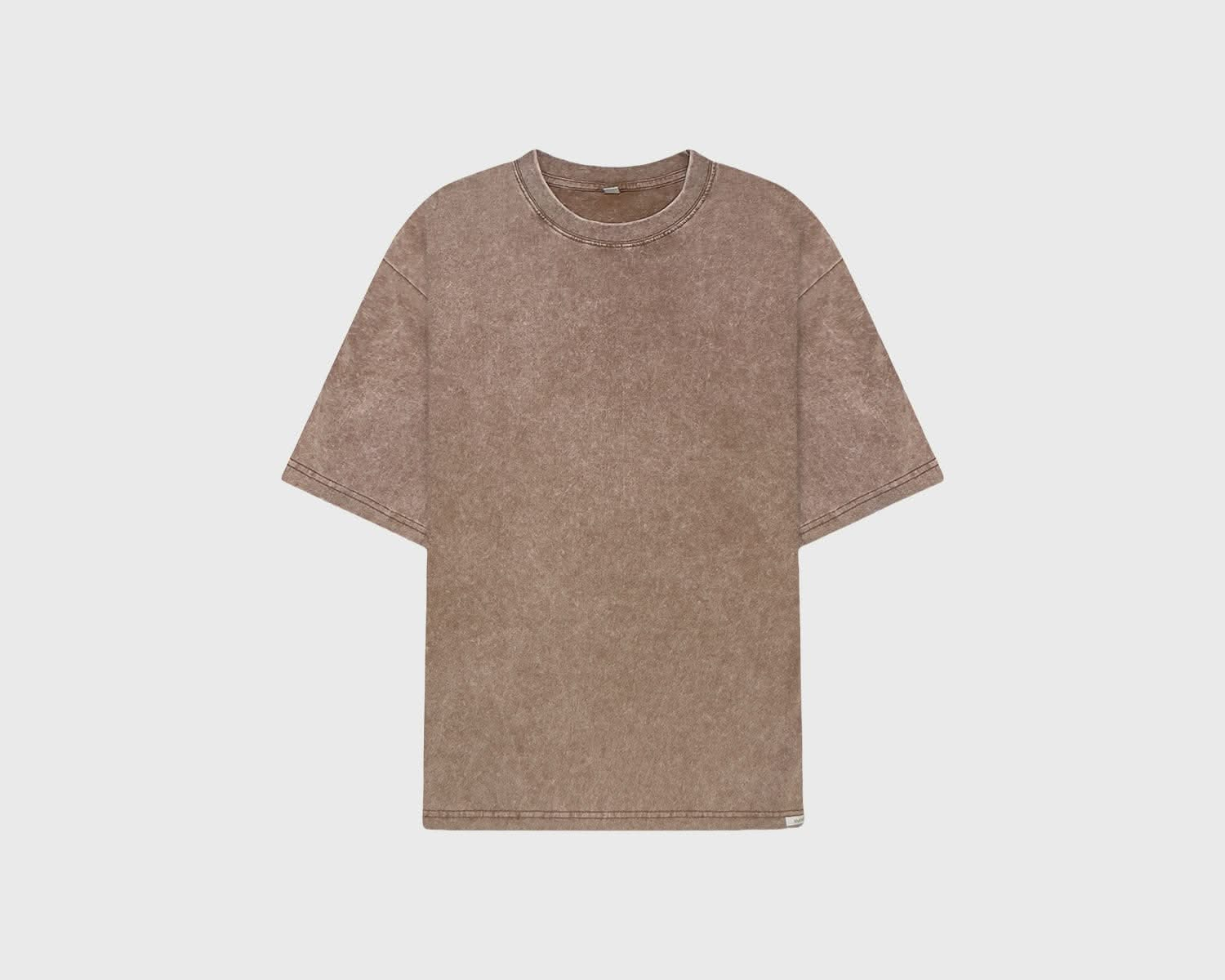
Cotton is often the easiest material to live with because it is familiar, flexible, and available across clothing, bedding, and home layers. A good cotton T-shirt, a breathable cotton blanket, or a washable cotton bedding layer usually earns its place quickly because it asks very little from the owner.
That everyday usefulness is a major reason cotton stays so central. It works as a foundation material. In clothing, it can feel soft and approachable from the first wear. In bedding, it can be crisp or smooth depending on weave. In throws and blankets, it often gives breathable comfort without the weight of wool.
Cotton usually makes the most sense when you want:
- easy-care basics for frequent use
- year-round apparel foundations
- bedding layers that are breathable but not overly rustic
- a softer entry point than linen or wool
IdyllVie’s live brand language around soft, breathable fabrics makes cotton especially relevant on the apparel side. For many shoppers, cotton is still the best first material when they want comfort without much adaptation.
Linen Explained
Linen feels different from cotton even when both are breathable. It has more visible structure, more natural slub, and a drier handfeel that many people love in warm weather. It can start a little crisper, then soften with repeated use and washing.
That makes linen especially strong for:
- summer shirts and easy warm-weather dressing
- pillow covers, napkins, and table textiles
- sleepers who like an airy, less clingy fabric feel
- relaxed interiors where texture should stay quiet but visible
Good Housekeeping’s recent linen-sheet coverage continues to frame linen as a breathable, cooling-friendly option, which fits how many people actually use it. Linen is not usually the “plushest” fibre at first touch. It is appealing because it feels dry, airy, and lived-in rather than overly polished.
For IdyllVie, linen also supports the visual identity well. The brand already leans understated and tactile, and linen is one of the easiest ways to express that without adding visual noise.
Bamboo Explained, Carefully
Bamboo is the material that needs the most translation. In a lot of bedding and loungewear marketing, “bamboo” refers to rayon or viscose made from bamboo pulp, not to a mechanically processed bamboo fibre that behaves like a traditional natural textile.
That distinction matters because shoppers are often reacting to the handfeel and marketing story without realizing they are really buying a regenerated cellulose fabric. Good Housekeeping’s current sheet-shopping guidance specifically warns readers to look closely at “bamboo” claims for that reason.
That does not mean bamboo-viscose products are automatically bad. Many people genuinely like them because they feel:
- smooth and silky
- softer and drapier than linen
- appealing for hot sleepers who dislike rougher textures
The practical takeaway is simple: if you like the feel, read the fibre content and care details carefully instead of assuming the word “bamboo” tells the whole story.
Which Material Works Best by Room and Use Case?
The easiest way to choose well is to start with the use case instead of the fibre trend.
For a warmer sleep setup
Start with down when insulation matters most, then pair it with cotton or linen around the body depending on your sleep temperature. A lofty insert plus a breathable outer layer is often more balanced than trying to make one material do everything.
For a cooler, breathable sleep feel
Linen and smoother cotton constructions are often the safest place to start. Bamboo-viscose may also appeal if you want a silkier, fluid handfeel, but it helps to be realistic about what the fibre actually is.
For the living room
Wool tends to shine here because it adds real tactile warmth and visual finish. Cotton can also work beautifully when you want a lighter, more casual layer that still feels natural and easy to move around.
For everyday clothing
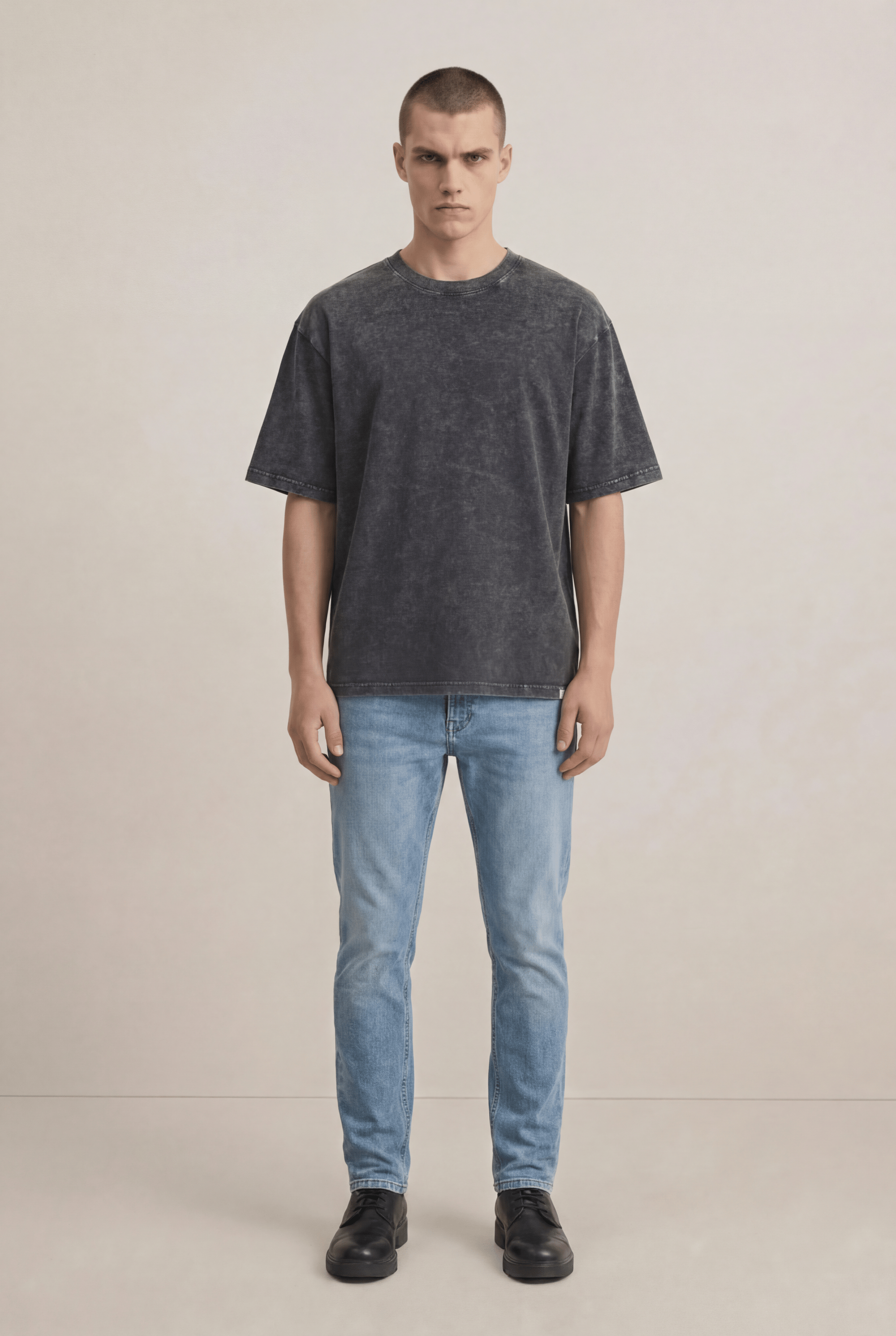
Cotton is usually the most straightforward base. Linen becomes more attractive when the goal is hot-weather airflow and a more relaxed silhouette. Wool comes in when warmth, knit structure, or seasonal layering matter more than casual softness.

A Better Material-Matching Checklist
Before you buy, ask these questions:
- Do I want insulation, breathability, or a balance of both?
- Is this for sleep, dressing, or visual room layering?
- Do I want a crisp, airy texture or a smoother handfeel?
- Will I wash this frequently?
- Am I buying for summer, winter, or year-round use?
- Am I relying on the product title, or have I checked the actual fibre content?
If the answer changes by season, that is normal. Many of the best Canadian setups are layered rather than single-material.
The IdyllVie Way to Think About Comfort Materials
The strongest material choices are usually not the most absolute ones. A good home or wardrobe often combines fibres so each can do what it does best. Down can handle loft. Wool can bring warmth and texture. Cotton can cover the everyday basics. Linen can create airflow and ease. Bamboo-viscose can offer a smoother feel if you understand the labeling and like the finish.
That layered approach fits IdyllVie naturally. The live site speaks in terms of thoughtful craftsmanship, breathable fabrics, and natural materials that make daily life feel more elevated. Comfort, in that kind of brand world, is not about excess. It is about choosing the right feel for the right moment.
If you want one clean rule to remember, use this: buy for the job, not the trend. The best comfort material is the one that makes the room, the bed, or the garment easier to live with over time.
Internal Links to Add
- IdyllVie About Us for brand context and natural-material positioning
- IdyllVie Collections for category browsing across apparel and home
- Best Organic Bedding: Top Picks & Guide 2026
- How to Wash Linen: The Ultimate Care Guide
- The Benefits of Merino Wool: Why It’s the Ultimate Material for Luxury Throws
- Hutterite Down: A Canadian Standard for Premium Comfort and Everyday Living
FAQ
What is the best comfort material for Canadian winters?
For insulation, down and wool are usually the strongest starting points. Down tends to feel loftier in bedding, while wool often works better for throws, blankets, and seasonal apparel layers.
Is cotton or linen better for summer?
It depends on the feel you want. Cotton is usually softer and easier right away, while linen tends to feel airier, drier, and more visibly textured in hot weather.
Is bamboo actually a natural fibre?
Sometimes the feedstock is bamboo, but many products sold as bamboo are rayon or viscose made from bamboo pulp rather than mechanically processed bamboo fibre. Read the fibre-content label carefully.
Is wool only for winter?
Not necessarily. Lightweight wool can work beyond winter, especially in throws or fine knits, but in broad home use wool is usually chosen more for warmth and texture than for peak-summer cooling.
What is the easiest comfort material to care for?
Cotton is often the easiest all-around option because it is widely washable, familiar, and versatile across both apparel and home use.
Should I use one material everywhere in the house?
Usually no. Most homes feel better when materials are layered by function, such as cotton or linen close to the skin, down for loft, and wool for visible warmth and texture.












0 comentarios