

Vous commandez la taille que vous achetez toujours. Le colis arrive. Le tissu est magnifique, la couleur est la bonne, et puis la coupe semble étrange d'une manière difficile à décrire. Trop serré au niveau de la poitrine, trop lâche à la taille, trop court sur le corps, ou d'une manière ou d'une autre, les trois à la fois.
Cette frustration est précisément la raison pour laquelle un bon guide de tableau des tailles pour femmes est important.
Le problème n'est généralement pas votre corps. C'est que de nombreux tableaux sont construits comme des approximations. Ils se basent sur des étiquettes génériques, des habitudes de marque ou des hypothèses basées aux États-Unis qui ne reflètent pas toujours la morphologie des femmes canadiennes, le comportement des tissus naturels ou la façon dont un vêtement est censé se poser sur le corps. La coupe devient encore plus nuancée lorsque l'on passe d'un débardeur ajusté à un t-shirt en coton épais, un tricot en mérinos ou une couche conçue pour le drapé.
Une meilleure approche commence par les mesures. Considérez-les comme un plan. Un plan ne juge pas. Il donne des dimensions claires pour que le résultat final fonctionne comme il se doit. Lorsque vous connaissez vos chiffres et comprenez comment un vêtement est censé s'ajuster, les achats deviennent plus calmes, plus intelligents et beaucoup plus cohérents.
Votre guide pour trouver la coupe IdyllVie parfaite
Si la taille vous a déjà semblé arbitraire, vous ne l'imaginez pas. Un médium d'une marque peut ressembler à un petit d'une autre marque, et deux articles de la même boutique peuvent avoir des coupes différentes parce que le tissu, la coupe et la silhouette souhaitée ne sont pas les mêmes.
Pourquoi les mesures sont plus importantes que le chiffre sur l'étiquette
Une étiquette de taille n'est qu'une abréviation. Vos mesures du buste, de la taille et des hanches donnent une image complète.
Lorsque les designers conçoivent un vêtement de qualité, ils ne commencent pas par des étiquettes vagues. Ils commencent par les dimensions du corps, puis ajoutent la bonne quantité d'aisance, qui est l'espace entre votre corps et le vêtement. C'est ce qui permet à un t-shirt de glisser au lieu de coller, ou à un tricot de draper au lieu de tirer.
Vos mesures ne sont pas un verdict. C'est un outil qui aide les vêtements à fonctionner pour vous.
C'est particulièrement important si vous achetez en ligne. Vous ne pouvez pas pincer le tissu, vérifier la ligne d'épaule dans un miroir ou tester si l'emmanchure est confortable. Un processus d'ajustement clair vous donne cette confiance avant de cliquer sur acheter.
Pensez à l'ajustement comme un modèle, pas comme une supposition
Une façon simple d'aborder le dimensionnement est la suivante :
- Mesurez votre corps en premier afin de travailler à partir de faits, et non d'habitudes.
- Lisez le tableau en relation avec le vêtement car un t-shirt et un tricot ne se comportent pas de la même manière.
- Observez la silhouette prévue. Une coupe standard devrait être différente d'une coupe décontractée.
- Utilisez le tissu comme indice. Le coton épais a tendance à conserver sa forme. Les tricots en mérinos bougent généralement plus fluidement.
Si vous avez déjà dit : « Je fais toujours une taille 38 », cela aide à reformuler cela. Vous pouvez souvent vous situer près d'une certaine gamme de tailles, mais votre meilleure taille peut varier en fonction de la coupe. Ce n'est pas une incohérence. C'est ainsi que fonctionnent les vrais vêtements.
Ce qui rend le dimensionnement canadien digne d'intérêt
Les consommateurs canadiens rencontrent souvent un autre problème. Une grande partie des conseils en matière de taille est directement importée des tableaux américains avec un ajustement minimal. Cela peut entraîner des erreurs d'ajustement subtiles mais gênantes, en particulier au niveau de la poitrine, des hanches, de l'entrejambe et de la longueur totale.
C'est pourquoi un guide réfléchi du tableau des tailles pour femmes devrait faire plus que lister des chiffres. Il devrait en expliquer la raison. Lorsque vous comprenez cette partie, vous êtes beaucoup moins susceptible d'acheter uniquement par instinct.
Comment prendre vos mesures corporelles avec précision
Commencez par prendre un nouvel ensemble de mesures.
Beaucoup de choses peuvent changer entre deux achats. Les préférences de tissu changent. Le poids varie. La posture change. Même les soutiens-gorge ou les sous-vêtements que vous portez avec les vêtements peuvent modifier la façon dont un haut se pose au niveau de la poitrine et des épaules. Si vous vous fiez à un ancien chiffre ou à une taille que vous achetez habituellement, le tableau a moins de chances de vous être utile.
Utilisez un ruban de couturière souple, portez des vêtements légers ou des sous-vêtements, et tenez-vous comme vous le faites habituellement. Respirez naturellement. Le ruban doit reposer contre le corps sans le serrer. Une bonne mesure donne l'impression d'encadrer le corps, pas de le compresser.
Un guide visuel facilite cette tâche :

Les trois mesures qui comptent le plus
Pour la plupart des pièces IdyllVie, trois chiffres sont les plus importants. Ce sont votre tour de poitrine, votre tour de taille naturel et vos hanches.
- Buste. Enroulez le ruban autour de la partie la plus large de votre buste. Vérifiez dans le miroir que le ruban reste de niveau dans votre dos.
- Taille naturelle. Mesurez la partie la plus étroite de votre torse, généralement entre les côtes et le nombril.
- Hanches. Mesurez la partie la plus large de vos hanches et de votre fessier. C'est souvent plus bas que ce que les gens s'attendent, alors prenez un moment pour trouver le point le plus large.
Si vous vous mesurez seule, un miroir est plus utile qu'on ne le pense. Il permet de corriger les deux erreurs les plus courantes. Un ruban qui remonte dans le dos et une mesure des hanches prise trop haut.
Vérification utile : Si le ruban laisse une marque profonde ou modifie votre forme, desserrez-le légèrement.
Mesures supplémentaires utiles pour un meilleur ajustement
Certains vêtements exigent un peu plus de précision. C'est particulièrement vrai si vous avez souvent des difficultés avec la longueur des manches, l'ajustement des épaules ou la proportion des pantalons.
- Entrejambe aide à la longueur du pantalon.
- Longueur des manches aide si les poignets sont régulièrement trop courts ou trop longs.
- Largeur des épaules aide si les hauts tirent près de l'encolure ou glissent de l'épaule.
- Longueur du torse ou du corps peut être utile pour les tricots plus longs et les hauts superposés, en particulier dans un climat canadien où les couches de base et les pulls fonctionnent souvent ensemble.
Ces chiffres supplémentaires deviennent plus utiles une fois que vous savez quel type de vêtement vous achetez. Une chemise a des points de pression d'ajustement différents d'un pull ou d'un t-shirt structuré. Pour des conseils spécifiques aux chemises, cette analyse sur comment lire clairement les tableaux des tailles de chemises est un compagnon utile une fois que vous avez noté vos mesures.
Mesurez pour le vêtement que vous comptez porter
Cette partie est souvent négligée. Le corps reste le même, mais le tissu change la sensation de l'ajustement.
Le coton épais conserve généralement sa forme et se positionne plus nettement loin du corps. Cela signifie qu'une petite erreur de mesure peut apparaître plus rapidement au niveau du buste, des épaules ou des hanches. Les tricots en mérinos sont plus indulgents car la fibre bouge avec vous, mais cela ne signifie pas que la mesure initiale est moins importante. Cela signifie que l'expérience d'ajustement sera différente une fois le vêtement porté.
Un exemple simple aide. Si votre tour de poitrine se situe près de la limite supérieure d'une taille, un t-shirt en coton stable peut sembler plus ajusté dans la taille supérieure, tandis qu'un tricot en mérinos dans la plus petite des deux tailles peut toujours être confortable car il a plus d'élasticité naturelle. Votre mesure est le point de départ. Le tissu vous indique la flexibilité dont vous disposez autour de ce point de départ.
Une routine simple pour des chiffres plus précis
Notez chaque mesure dès que vous la prenez. Puis, mesurez le même point une fois de plus.
- Mesurez une fois à un rythme normal.
- Mesurez à nouveau pour confirmer le chiffre.
- Gardez la lecture la plus grande si les deux sont légèrement différentes.
- Sauvegardez les chiffres dans votre téléphone pour ne pas avoir à recommencer la prochaine fois.
Cette petite routine fonctionne comme vérifier un patron avant de couper le tissu. Quelques secondes de plus maintenant peuvent éviter un retour plus tard.
Une démonstration rapide peut vous aider si vous préférez voir le processus :
Décoder le tableau des tailles pour femmes IdyllVie
Un tableau des tailles fonctionne mieux lorsque vous le lisez comme un guide de patron, et non comme un classement. Il indique les mesures corporelles pour lesquelles chaque vêtement a été conçu, ce qui est bien plus utile que de chercher la taille que vous achetez habituellement ailleurs.
Ce que le tableau vous dit réellement
La plupart des tableaux pour femmes regroupent les tailles par plages de mesures corporelles. Cela signifie que le chiffre sur le tableau ne décrit pas la mesure du vêtement fini. Il décrit la morphologie à laquelle le vêtement est destiné à s'adapter.
Cette distinction lève beaucoup de confusion.
Si votre tour de poitrine correspond à une taille et vos hanches à une autre, c'est normal. Les corps ne sont pas construits en colonnes parfaitement assorties, et de nombreux tableaux génériques basés aux États-Unis laissent peu de place à cette réalité. Chez IdyllVie, nous considérons l'ajustement comme le ferait un designer. Quelle zone a besoin de la ligne la plus nette pour que ce vêtement se pose correctement ?
Pour les hauts, commencez par le buste et les épaules. Pour les bas, commencez par la taille et les hanches. Pour les robes, les tuniques et les tricots plus longs, choisissez la zone où un mauvais ajustement serait le plus perceptible ou le moins confortable.
Voici une référence de conversion simple pour les acheteurs internationaux.
| IdyllVie (CAN) | US | UK / AU | EU | Japan |
|---|---|---|---|---|
| 2 | 2 | 6 | 34 | 5 |
| 4 | 4 | 8 | 36 | 7 |
| 6 | 6 | 10 | 38 | 9 |
| 8 | 8 | 12 | 40 | 11 |
| 10 | 10 | 14 | 42 | 13 |
| 12 | 12 | 16 | 44 | 15 |
| 14 | 14 | 18 | 46 | 17 |
| 16 | 16 | 20 | 48 | 19 |
Pourquoi l'aisance modifie la réponse
Deux vêtements peuvent être conçus pour les mêmes mesures corporelles et pourtant se sentir complètement différents sur le corps. La raison en est l'aisance, c'est-à-dire l'espace supplémentaire intégré à un vêtement pour le mouvement, la forme et le style.
Une coupe standard suit généralement le corps avec suffisamment d'espace pour bouger confortablement. Une coupe décontractée ajoute plus d'espace au niveau de zones telles que le buste, les épaules, les manches ou les hanches afin que le vêtement se tienne plus loin du corps.
Si vous êtes entre deux tailles, votre meilleur choix dépend souvent de l'aisance déjà intégrée au style.
Ceci est très important avec nos tissus. Le coton épais se comporte plus comme une structure rigide. Il garde sa forme, de sorte que l'ajustement est plus clairement visible au niveau de la poitrine, des épaules et des hanches. Le tricot en mérinos agit plus comme une couche flexible. Il s'adapte au corps avec un drapé plus doux, ce qui peut rendre votre taille mesurée plus confortable et moins rigide, même lorsque le chiffre du tableau est le même.
Pourquoi le contexte des tailles canadiennes est important
Les acheteuses canadiennes comparent souvent les étiquettes entre les marques américaines, britanniques, européennes et locales, puis se demandent pourquoi le même chiffre peut sembler incohérent. Une partie de la réponse est qu'un bon dimensionnement ne consiste pas seulement à élargir chaque taille. Les proportions doivent également changer. La largeur des épaules, la profondeur de la poitrine, la forme de l'emmanchure, le positionnement de la taille et la répartition des hanches affectent tous la façon dont un vêtement tombe.
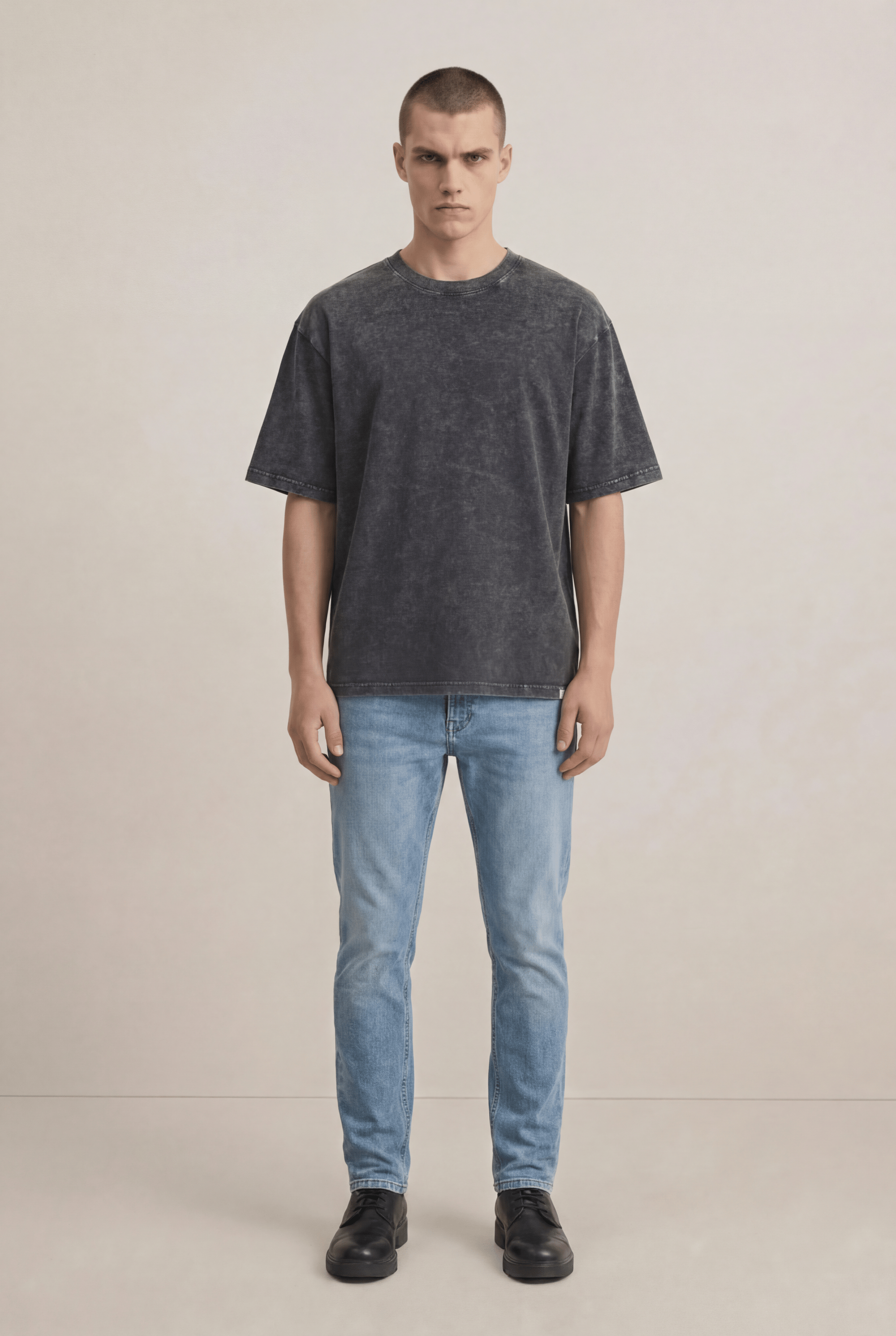
C'est particulièrement perceptible dans les pièces de garde-robe essentielles fabriquées avec soin. Un t-shirt en coton épais bien coupé dans une taille plus grande devrait être équilibré au niveau des épaules et du corps, et non simplement agrandi. Une pièce en mérinos devrait toujours tomber proprement et bouger facilement, plutôt que de tirer à un endroit et de s'affaisser à un autre.
Si vous souhaitez une référence plus large lors de la comparaison des étiquettes, notre guide du tableau des tailles de vêtements pour femmes au Canada peut vous aider à situer les tailles IdyllVie dans un contexte canadien plus clair.
Choisir votre taille en fonction du tissu et du style de vêtement
Vous mesurez attentivement, consultez le tableau, commandez votre taille habituelle, et la coupe semble toujours incorrecte une fois le colis arrivé. Dans de nombreux cas, le tableau n'est pas le problème. Le tissu et la forme du vêtement font exactement ce pour quoi ils ont été conçus.
C'est pourquoi les conseils concernant le tableau des tailles pour femmes sont plus pertinents lorsque vous lisez les chiffres en tenant compte du comportement du tissu et de la silhouette.

Le coton épais, le mérinos et les pièces superposées s'ajustent différemment
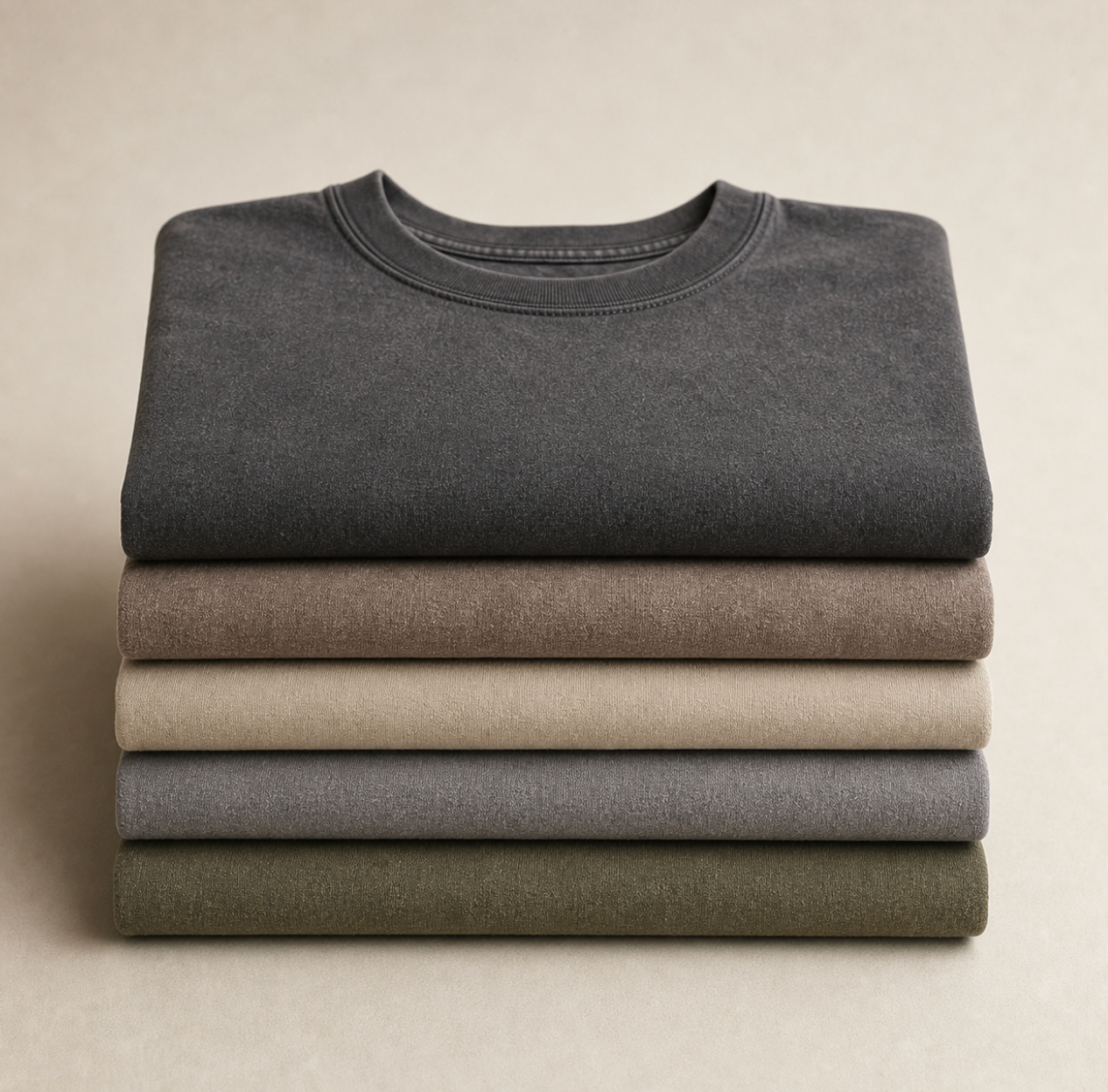
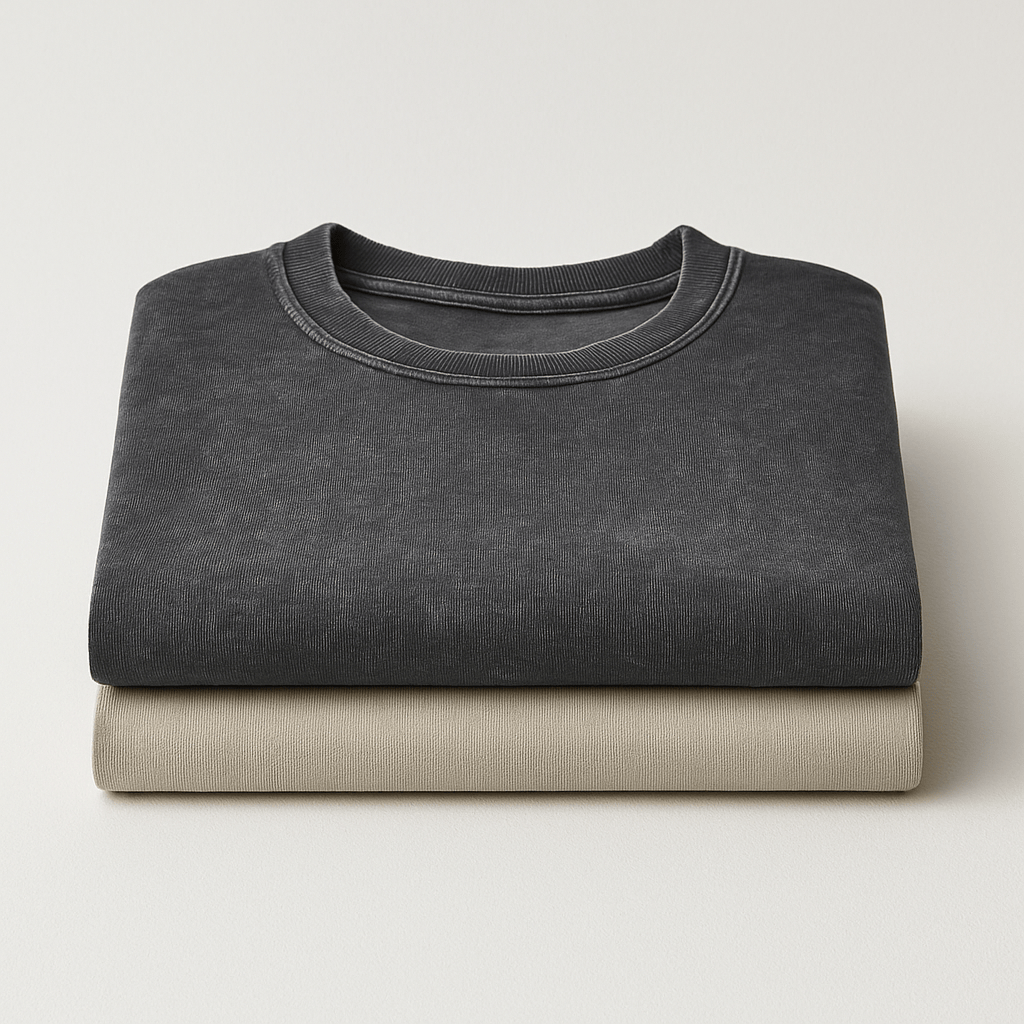
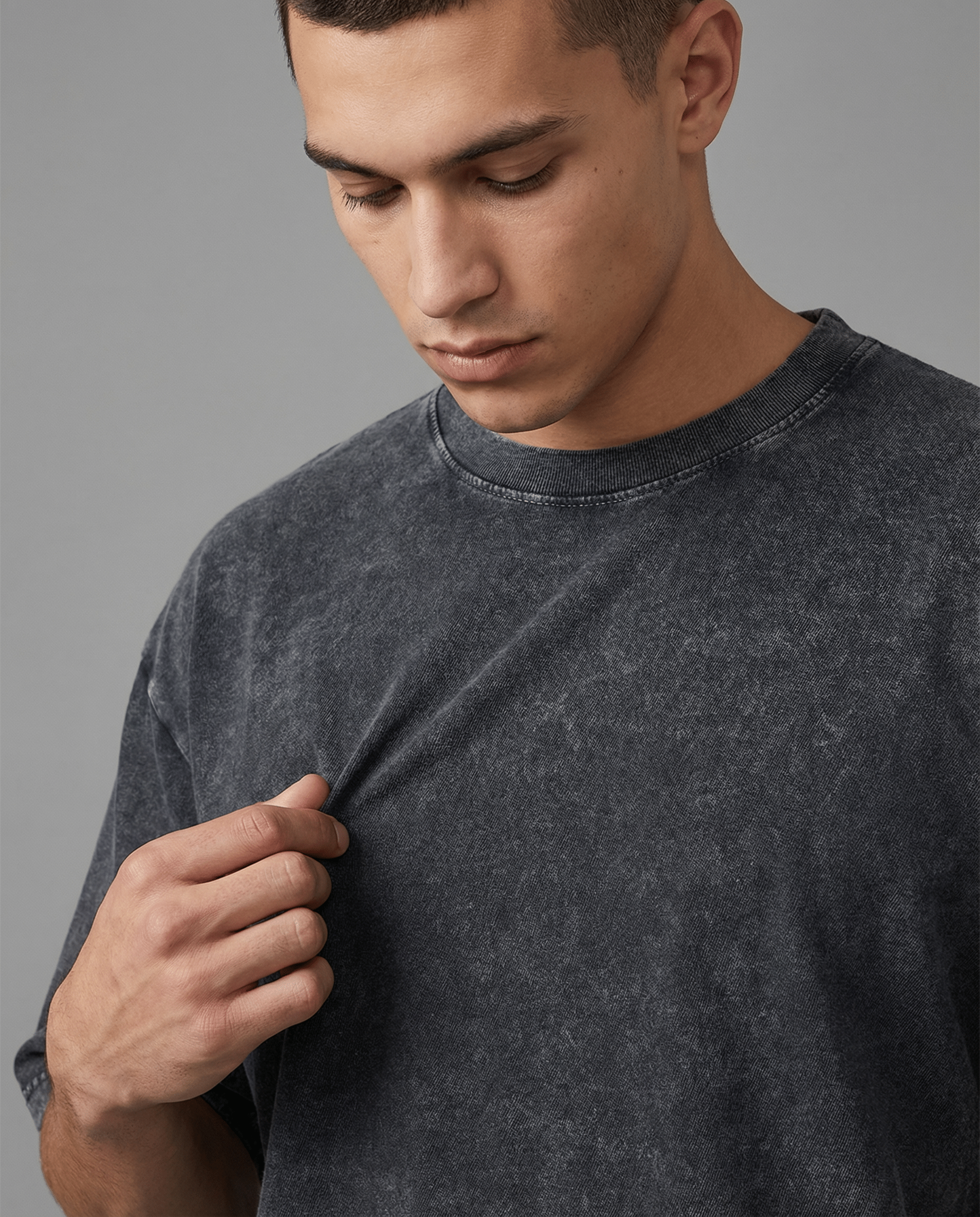
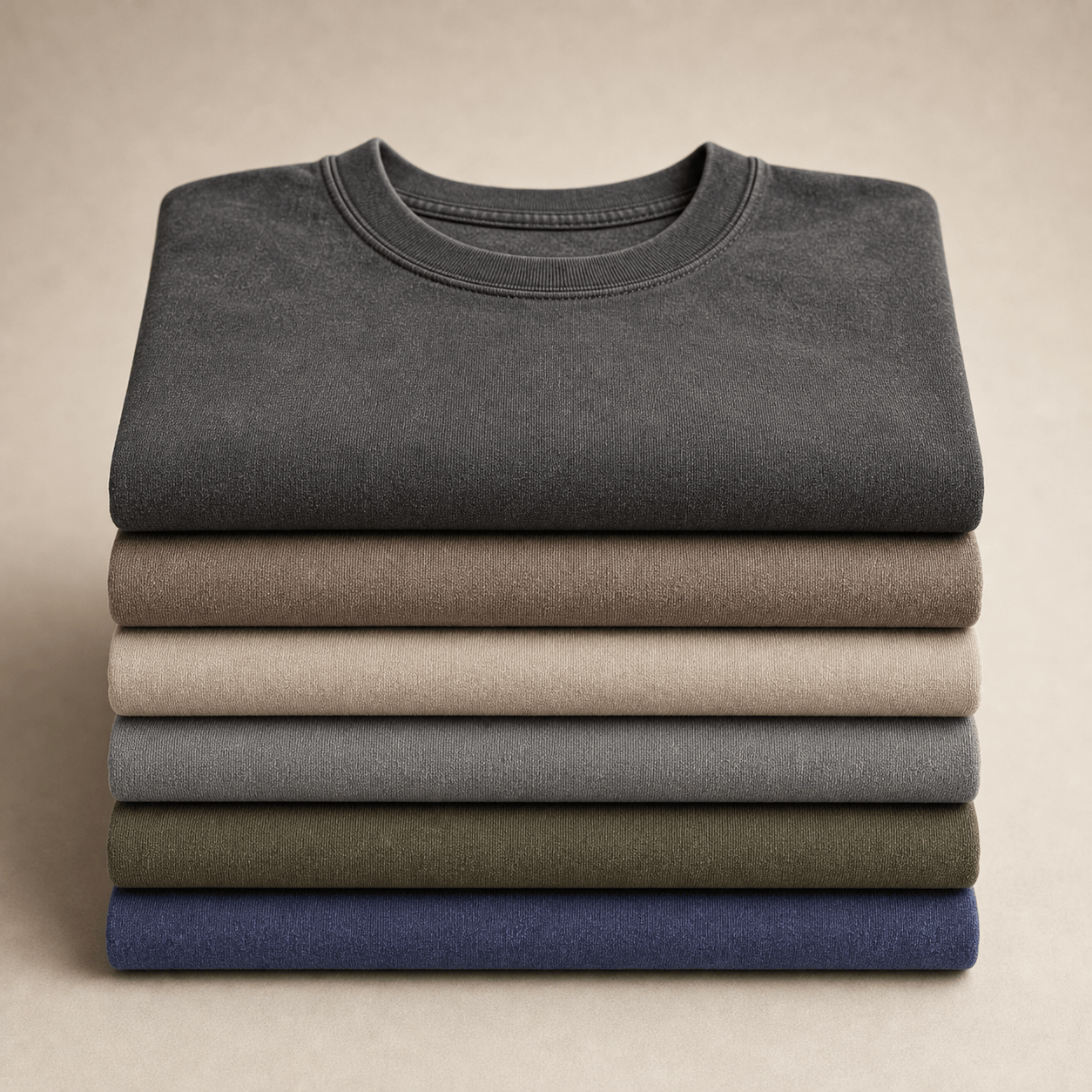
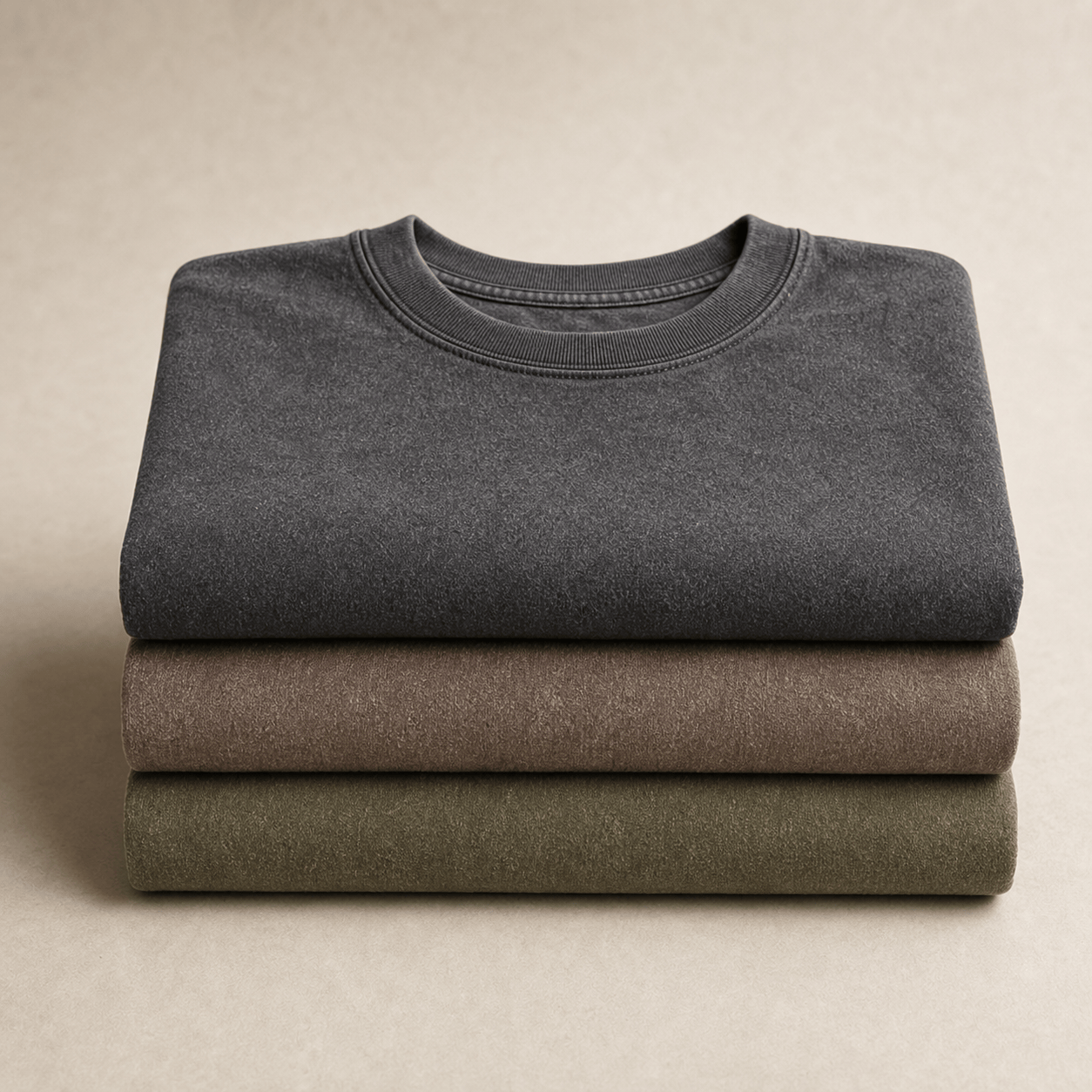
Le coton biologique épais fonctionne un peu comme une structure. Il maintient sa ligne au niveau des épaules et du torse, de sorte que vous remarquez plus clairement l'ajustement au niveau du buste, du haut du bras et des hanches. Si vous souhaitez une coupe IdyllVie classique, votre taille mesurée est généralement le bon point de départ. Si vous voulez plus de volume, prenez une taille au-dessus pour obtenir cette forme délibérément.
Le tricot mérinos se comporte différemment. Il se plie et tombe plus facilement, il peut donc se tenir plus près du corps sans être rigide. Cela permet souvent à votre taille mesurée de se sentir calme et facile plutôt que serrée, surtout si vous préférez une ligne d'épaule nette.
Les couches nécessitent une question supplémentaire. Que porterez-vous en dessous ?
Une surchemise portée sur un débardeur n'a pas besoin de la même aisance qu'une couche portée sur un tricot. Si vous achetez d'abord des basiques près du corps, notre guide des débardeurs pour femmes au Canada peut vous aider à évaluer plus précisément cette couche de base avant de choisir une pièce extérieure.
Pourquoi votre « taille habituelle » peut vous induire en erreur
Un numéro de taille familier peut être rassurant, mais il ne s'adapte pas bien à tous les tissus et à tous les styles. Les marques utilisent des mesures de base différentes, et les tissus réagissent au corps de différentes manières. Une taille qui semble décontractée dans un vêtement de sport extensible peut sembler beaucoup plus ferme dans un coton dense ou dans un mélange de laine moins élastique.
Les acheteuses canadiennes rencontrent souvent ce problème, car de nombreux tableaux sont construits à partir d'hypothèses générales nord-américaines ou américaines. Les corps réels sont plus variés que cela. Certaines personnes ont besoin de plus d'espace au niveau du biceps, d'autres au niveau des hanches, d'autres encore au niveau de la profondeur de la poitrine ou de la longueur du torse. Le bon choix dépend de l'endroit où le vêtement doit bouger avec vous, pas seulement du numéro imprimé sur l'étiquette.
Un débardeur synthétique ajusté, un t-shirt en coton épais et une couche en mérinos peuvent partager la même étiquette de taille et pourtant s'ajuster de trois manières très différentes.
La même mesure peut produire un ajustement plus serré dans le coton structuré et un ajustement plus doux dans le mérinos, car les tissus soutiennent et drapent différemment.
Comment les proportions corporelles se manifestent dans les vrais vêtements
La façon la plus simple de juger un style est de regarder au-delà du nom de la taille et de se demander où le vêtement a besoin de précision. Dans un t-shirt, c'est souvent l'épaule et le haut de la poitrine. Dans un tricot, il peut s'agir du buste, des hanches et de l'emmanchure. Dans une pièce à superposer, cela inclut ce qui doit s'ajuster en dessous sans faire de paquets.
Les emmanchures en sont un bon exemple. Si l'emmanchure est trop haute ou trop peu profonde pour vos proportions, le vêtement peut bien s'adapter sur le papier et pourtant sembler restrictif au quotidien. Vous le remarquez lorsque vous tendez le bras, portez un sac ou ajoutez une deuxième couche. Il s'agit d'un problème de conception, et non d'une erreur de taille personnelle.
C'est aussi pourquoi les tableaux génériques peuvent sembler décalés pour les clients canadiens. Notre communauté comprend un large éventail de tailles, de largeurs d'épaules, de formes de buste et de répartition des hanches. Une approche réfléchie de l'ajustement respecte cette variation. Elle ne suppose pas que chaque taille augmente de la même manière.
Pour les pièces IdyllVie, l'approche la plus fiable est simple. Commencez par vos mesures, puis filtrez votre choix en fonction du tissu, du drapé et de la façon dont vous souhaitez que le vêtement s'intègre à votre garde-robe. Un t-shirt intemporel en coton doit être stable et équilibré. Un tricot en mérinos doit bouger avec aisance. Une pièce à superposer doit laisser de la place là où les tenues réelles en ont besoin.
Pièges courants de la taille et comment les éviter
Vous vérifiez le tableau, choisissez votre taille habituelle, et le vêtement ne vous convient toujours pas une fois arrivé. L'étiquette dit une chose. Vos épaules, votre buste ou vos hanches en disent une autre. Ce décalage provient généralement de quelques habitudes de taille prévisibles, et non de votre corps qui fait quelque chose d'inhabituel.

Piège numéro un : traiter chaque tableau des tailles comme s'il signifiait la même chose
Un tableau des tailles n'est utile que si vous le lisez dans son contexte. Le médium d'une marque peut être conçu pour un torse droit et des épaules étroites. Un autre peut être conçu pour la superposition, avec plus d'aisance au niveau de la poitrine et de l'emmanchure. Le chiffre ou la lettre peut correspondre. L'ajustement, souvent, non.
C'est encore plus important avec des tissus qui se comportent différemment sur le corps. Un haut en coton épais a tendance à garder sa forme, de sorte que de petites différences d'ajustement apparaissent rapidement au niveau des épaules, du buste et des hanches. Un tricot en mérinos a plus de souplesse et de drapé, de sorte que la même mesure peut sembler plus indulgente.
Si un vêtement convient à un endroit et ne convient pas ailleurs, faites une pause avant de supposer que vous avez choisi la mauvaise taille dans l'ensemble. Vous pourriez être face à un problème de proportion, de tissu ou de style.
Piège numéro deux : prendre une taille au-dessus pour le confort au lieu de prendre une taille pour l'objectif d'ajustement
Prendre une taille au-dessus peut sembler un choix sûr. En pratique, cela modifie souvent tout le vêtement.
Une taille plus grande n'ajoute pas seulement de l'espace là où vous le souhaitez. Elle peut déplacer la couture de l'épaule vers l'extérieur, abaisser le point du buste, allonger la manche et modifier la façon dont l'encolure se pose. Cela revient un peu à acheter une chaussure plus grande parce que vos orteils ont besoin d'espace, puis de constater que votre talon glisse à chaque pas.
Une approche plus claire consiste à décider du type d'espace dont vous avez besoin.
- Besoin d'espace au niveau du buste ou des hanches ? Vérifiez si le vêtement est destiné à effleurer le corps ou à être ample avant de prendre une taille entière au-dessus.
- Besoin d'une plus grande liberté de mouvement pour la superposition ? Examinez d'abord la coupe et les notes sur le tissu. Un tricot en mérinos peut déjà avoir suffisamment de souplesse, tandis que le coton épais peut nécessiter plus d'aisance intentionnelle.
- Envie d'un look oversize ? Choisissez-le comme une décision de style, et non comme une assurance contre un mauvais ajustement.
Le tissu supplémentaire ne crée pas toujours le confort. Un bon alignement le fait généralement.
Piège numéro trois : se fier à d'anciennes mesures
Les corps changent. Les préférences aussi. La taille qui vous convenait il y a deux ans, ou même l'hiver dernier, n'est peut-être plus le meilleur point de départ aujourd'hui.
C'est l'une des erreurs les plus faciles à corriger. Des mesures récentes vous donnent une carte actuelle, et une carte actuelle est plus utile que la mémoire. Cela est particulièrement vrai pour les achats en ligne, où vous ne pouvez pas juger de l'ajustement en tenant un vêtement dans une cabine d'essayage.
| Habitude | Meilleur choix |
|---|---|
| Commander de mémoire | Mesurez à nouveau avant d'acheter un nouveau style |
| Regarder uniquement l'étiquette de taille | Comparez vos mesures avec le tableau et les notes du produit |
| Utiliser un ancien achat comme modèle | Vérifiez chaque vêtement individuellement, surtout si le tissu diffère |
Piège n°4 : ignorer comment le tissu modifie l'expérience de l'ajustement
Le tissu est la partie que les clients sous-estiment souvent. Pourtant, il façonne la sensation d'un vêtement heure après heure, et pas seulement sa mesure à plat.
Le coton épais se comporte davantage comme un cadre. Il donne de la définition et de la structure, mais il ne dissimule pas très bien une épaule trop serrée ou une hanche trop ajustée. Le mérinos se comporte davantage comme une couche flexible. Il suit le corps plus doucement, ce qui peut rendre un ajustement près du corps confortable plutôt que restrictif.
Le tableau vous donne le point de départ. Le tissu vous dit comment cette taille vivra sur votre corps.
C'est pourquoi deux pièces IdyllVie de la même taille étiquetée peuvent servir des rôles différents dans une garde-robe. Un essentiel en coton peut être plus agréable avec des lignes nettes et équilibrées et suffisamment d'espace pour les mouvements quotidiens. Un tricot en mérinos peut être plus agréable avec un ajustement plus près du corps qui s'étire et se pose naturellement.
Piège n°5 : choisir pour le moment de l'essayage plutôt que pour la vie réelle
Un vêtement peut sembler parfait lorsque vous êtes immobile et que vous vous regardez dans le miroir. Le véritable ajustement apparaît plus tard, lorsque vous vous asseyez, vous étirez, vous superposez, portez un sac ou portez la pièce toute une journée.
Avant de choisir une taille, imaginez comment le vêtement sera utilisé. Sera-t-il porté sous un manteau ? Sera-t-il porté par-dessus une couche de base ? Le voulez-vous ajusté et près du corps, ou ample et décontracté ? Ces questions clarifient souvent votre choix de taille plus rapidement que de fixer l'étiquette.
Un bon ajustement ne consiste pas à vous forcer dans une catégorie. Il s'agit d'adapter vos mesures, vos proportions et votre vie quotidienne à la façon dont un vêtement a été conçu.
Achetez en toute confiance : un engagement envers l'ajustement et la qualité
Un bon ajustement commence bien avant le paiement. Il commence lorsque vous connaissez vos mesures, lisez attentivement le tableau et pensez au tissu et à la silhouette ensemble. Ce petit effort de préparation peut vous épargner beaucoup d'incertitude plus tard.
Le conseil le plus utile pour les femmes en matière de tableau des tailles ne consiste pas à se forcer dans une catégorie. Il s'agit de faire correspondre les mesures réelles du corps à des vêtements conçus avec soin. Cette approche est plus confortable, plus pratique et mieux alignée avec une garde-robe que vous porterez pendant des années.
L'ajustement favorise également une consommation consciente. Lorsqu'un vêtement vous va bien, vous le portez plus souvent. Vous en prenez mieux soin. Vous construisez des tenues autour de lui. Il fait partie de votre vie au lieu d'être quelque chose qui traîne dans un sac de retour ou au fond d'un tiroir.
Et si vous vous sentez toujours entre deux tailles, cela ne signifie pas que vous avez échoué au processus. Cela signifie généralement que vous faites un choix nuancé entre un ajustement plus près du corps et un ajustement plus décontracté. C'est une décision de style, pas une erreur.
Pour une tranquillité d'esprit supplémentaire, des politiques client réfléchies aident également. Une fenêtre de retour claire et des options de paiement flexibles ne remplacent pas de bons conseils en matière d'ajustement, mais elles facilitent la décision. La meilleure expérience d'achat combine les deux : précision en amont et soutien après-vente.
Si vous êtes prêt à choisir avec plus de confiance, explorez IdyllVie pour des essentiels de garde-robe et des pièces pour la maison conçus consciemment pour être portés, aimés et conservés.












0 commentaire